
If you struggle with daily back stiffness, choosing the right stretching tool is crucial to finding lasting relief. The term “spine cracker”—often referring to back stretching wheels or arched boards—has gained massive popularity for its promise of quick, satisfying pops. However, it is far from the only option available for spinal care. Your choice between a spine cracker, a Pilates arc, and a classic foam roller depends entirely on your current flexibility, pain points, and specific fitness goals.
There is no single “best” device for everyone; rather, each tool serves a distinct purpose in spinal decompression and muscle recovery. A spine cracker delivers highly targeted, deep tissue pressure to the mid-back, making it ideal for those who can tolerate intense stretching. A Pilates arc offers a much gentler, supportive curve that focuses on posture correction and controlled mobility. Meanwhile, a foam roller provides broad myofascial release across larger muscle groups, serving as a versatile tool for full-body recovery.
Before incorporating any of these tools into your wellness routine, it is essential to assess your physical condition. If you have pre-existing spinal conditions, herniated discs, or experience sharp nerve pain, you must consult a physical therapist or medical professional before using any rigid back stretching device. Understanding the physical design and mechanical action of each tool will help you make a safe, informed decision.
Products mentioned in this guide
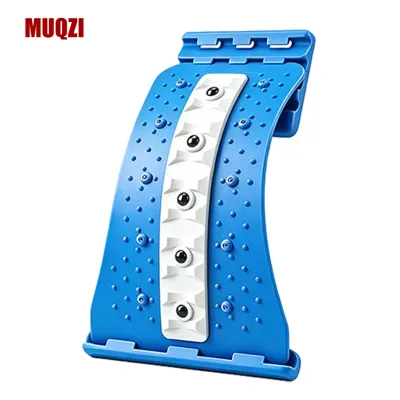
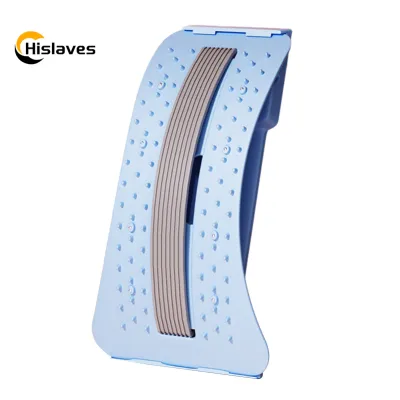
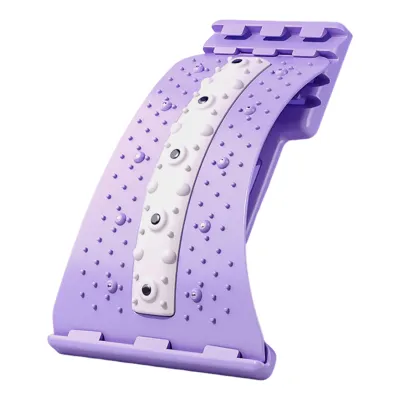
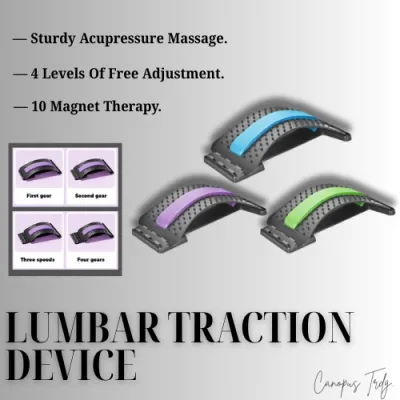
Prices are valid at publication and may change. Please refer to the product page for the latest price.
Quick Answer: Which Back Stretcher Matches Your Needs?
Choosing the right back stretcher requires matching the device’s mechanical intensity with your body’s specific requirements. To help you decide quickly, consider which of the following scenarios best describes your physical goals and comfort level.
- Choose a Spine Cracker if: You need targeted, deep tissue release specifically for the mid-back (thoracic spine) and the muscles flanking the spine, and you are comfortable with firm, concentrated pressure.
- Choose a Pilates Arc if: You want a highly supported, gentle curve to open your chest, improve your posture, and perform controlled mobility exercises without aggressive, localized pressure.
- Choose a Foam Roller if: You need broad myofascial release for large muscle groups, such as your lats, glutes, and upper back, and you want a highly versatile tool for full-body recovery.
- Verify first if: You have existing spinal injuries, osteoporosis, or acute pain. If you experience sharp, shooting pain rather than a dull muscle stretch, stop immediately and consult a physical therapist.
Design and Mechanism: How Each Device Works
To understand why these three tools feel so different on your back, you must look at their physical structures. The shape, material density, and surface area of each device dictate how pressure is distributed across your spine and surrounding muscles.

Spine Cracker (Back Roller / Chirp Wheel Style)
The typical spine cracker comes in two primary designs: a rigid, arched board with adjustable height levels, or a specialized, narrow wheel ranging from 6 to 12 inches in diameter. Most high-quality spine crackers feature a tough injection-molded ABS plastic core lined with a thin layer of EVA foam padding. The defining feature of this tool is a prominent central groove running along the outer circumference or center of the board.
Mechanically, this central groove is designed to cradle your spinous processes—the bony bumps of your spine—preventing direct, painful pressure on the bone. Instead, the raised outer edges of the device dig directly into the paraspinal muscles (the erector spinae) running parallel to your spine. As you lay or roll over the device, it forces the thoracic spine into a deep, localized extension, pulling the vertebrae slightly apart to relieve compression.
Pilates Arc (Spine Corrector)
A Pilates arc, also known as a spine corrector, features an asymmetrical, three-in-one design. It consists of a gentle, sloping curve on one side, a steeper curve on the other, and a recessed step or “well” in the middle. Modern Pilates arcs are typically constructed from lightweight, high-density expanded polystyrene (EPS) foam, which offers a firm yet slightly forgiving surface that does not bottom out under body weight.
Unlike the spine cracker, the Pilates arc provides a broad, continuous surface that supports the entire width and length of your back. Its mechanism focuses on passive traction and active spinal articulation. By resting your back along the gentle curve, your body weight is evenly distributed, allowing your chest, shoulders, and hip flexors to open naturally without concentrated pressure points. The design also serves as a stable base for core-supported strength and mobility exercises.
Foam Roller
The foam roller is a classic, straight cylindrical tube, typically measuring 36 inches in length and 6 inches in diameter. These cylinders are constructed from various foam densities, with Expanded Polypropylene (EPP) offering a highly rigid, firm roll, and Ethylene-Vinyl Acetate (EVA) providing a softer, more cushioned feel. The surface can be completely smooth or textured with molded grids and ridges.
Mechanically, a foam roller relies entirely on your body weight and active movement to apply broad, compressive pressure across horizontal bands of muscle. Because it is a wide cylinder, it does not have a protective groove for the spine; instead, it rolls over broad muscle groups like the latissimus dorsi, rhomboids, and upper trapezius. To use it safely, you must actively engage your core and support your body weight with your feet and hands, rolling back and forth to roll out muscle tightness.
Core Comparison: Intensity, Target Areas, and User Control
When deciding which tool to integrate into your recovery routine, you must evaluate how they compare across three critical dimensions: pressure intensity, anatomical targeting, and user control. These factors directly influence both the safety and effectiveness of your stretching sessions.
Intensity and Pressure Control
The pressure profiles of these three devices vary significantly due to basic physics. A spine cracker has a narrow width (often only 5 inches), which concentrates your body weight onto a very small surface area. This results in high, localized, and highly intense pressure that can feel uncomfortable for beginners. Your ability to control this intensity is limited, as you must rely on your feet to lift your hips and reduce the weight resting on the wheel.
In contrast, a foam roller offers moderate to high pressure, but gives you excellent manual control. Because the roller is wide, you can easily shift your body weight to your elbows, hands, or feet to relieve pressure on tight spots. The Pilates arc represents the lowest intensity profile. Its wide, contoured surface distributes your body weight across a massive area, completely eliminating sharp pressure points and allowing you to sink into a deeply relaxing, passive stretch.
Target Areas and Spinal Alignment
These devices target very different regions of the musculoskeletal system. The spine cracker is highly specialized, focusing almost exclusively on the thoracic spine (the mid-back) and the immediate paraspinal muscles. It is designed to reverse the forward slouching of the upper back by pushing the thoracic vertebrae into extension, but it is not designed for lateral muscle work.
Foam rollers excel at broad myofascial release across large muscle groups. They are perfect for rolling out the lats, outer shoulders, glutes, and IT bands, but they require careful positioning to avoid rolling directly over the spine itself. The Pilates arc is the most comprehensive tool for full-spinal alignment. It supports the lower back, mid-back, neck, and head simultaneously, making it exceptionally safe for full-spine extension, lateral side-bending, and active chest opening.
Suitability for Flexibility Levels and Body Types
Your current level of flexibility and core strength should heavily dictate your choice. The Pilates arc is the most beginner-friendly and forgiving tool, making it ideal for older adults, individuals with stiff joints, or those recovering from minor muscle strains. It requires very little physical effort or core strength to use effectively.
Foam rollers require a baseline level of core stability and shoulder mobility, as you must support your body in a plank-like bridge position while rolling. Spine crackers are best suited for intermediate to advanced users who already possess decent spinal mobility. If your back is extremely stiff, laying over a rigid spine cracker can cause your muscles to tense up defensively, defeating the purpose of the stretch.
At-a-Glance Comparison Table
To help you visualize these differences, the table below summarizes the key operational characteristics of each back stretching device.
| Device | Best For | Intensity Level | Primary Target Area | Learning Curve |
|---|---|---|---|---|
| Spine Cracker | Deep paraspinal release and thoracic extension | High | Thoracic spine & erector spinae | Moderate |
| Pilates Arc | Posture correction, gentle mobility, and chest opening | Low to Moderate | Full spine, chest, & shoulders | Low |
| Foam Roller | Broad myofascial release and full-body recovery | Moderate to High | Lats, upper back, & large muscle groups | Moderate to High |
Choosing by Specific Back Concerns and Lifestyle
To make the most practical choice, consider how each device fits into your daily lifestyle, profession, and the specific physical complaints you experience after a long day.
For Desk Workers and Posture Correction
In modern professional environments, many individuals spend long hours hunched over computers, followed by exhausting, static commutes. This lifestyle frequently leads to “upper crossed syndrome,” characterized by rounded shoulders, a tight chest, and a forward-head posture. Over time, this posture locks the thoracic spine in flexion, causing chronic aching between the shoulder blades.
For daily posture correction, the Pilates arc is highly recommended. Laying backward over the gentle slope of the arc allows gravity to open your chest muscles (the pectorals) and pull your shoulders back naturally, while fully supporting your head and neck. If you prefer a quicker, more intense release after a long sitting session, a medium-sized spine cracker can provide a satisfying thoracic stretch to break up mid-back stiffness in just a few minutes.
For Deep Tissue Release and Muscle Knots
If you are an active athlete, weightlifter, or carry deep physical tension that manifests as stubborn, painful muscle knots (trigger points) right next to your shoulder blades, you need a tool that can dig deep. A foam roller is an excellent starting point for sweeping across the broad muscles of your upper back, such as the rhomboids and latissimus dorsi, helping to restore tissue elasticity after intense workouts.
However, for those deep, localized knots that sit immediately adjacent to the spine, a spine cracker is the superior tool. Its narrow profile and raised edges allow it to bypass the shoulder blades and apply direct, concentrated pressure to the tight paraspinal muscles. This deep tissue compression helps release stubborn tension that broader rollers simply cannot reach.
For Gentle Mobility and Active Recovery
For yoga practitioners, older adults, or individuals recovering from minor muscle strains, aggressive rolling can actually backfire. When you apply high-intensity pressure to an already sensitised or guarded muscle, your nervous system may trigger a defensive contraction, making the muscle tighter than before.
In these scenarios, the Pilates arc is the safest and most effective tool for active recovery. Its supportive shape allows you to perform gentle, dynamic movements—such as pelvic tilts, gentle side bends, and supported spinal rotations—without putting your body under stress. This gentle movement stimulates blood flow and joint lubrication, promoting recovery without risk.
Safety Rules and Usage Boundaries for Spinal Health
Because your spine houses your central nervous system, using any back stretching equipment carries inherent risks. Adhering to strict safety guidelines is essential to prevent injury and ensure long-term spinal health.
- The Lumbar Rule: Never use a hard spine cracker or a rigid foam roller directly on your lower back (the lumbar spine). The lumbar region lacks the protective cage of the ribs that supports the thoracic spine. Applying heavy, concentrated pressure to the lower back can force it into hyperextension, pinching your facet joints and placing dangerous, uneven pressure on your lumbar discs.
- Pain vs. Discomfort: It is vital to distinguish between the "good hurt" of a deep muscle stretch and harmful pain. A safe stretch feels like a dull, aching pressure that gradually dissipates as you breathe. If you experience sharp, shooting, stabbing, or radiating pain, or if you feel numbness or tingling in your arms or legs, stop using the device immediately.
- When to Seek Professional Help: These stretching tools are designed solely for temporary muscle tension and mobility maintenance. They cannot correct structural spinal deformities like scoliosis, nor can they heal herniated discs or sciatica. If you suffer from chronic, worsening back pain, always consult a physiotherapist or orthopedic specialist for a tailored treatment plan.
- Surface and Stability: Always place your stretching device on a stable, non-slip surface, such as a high-grip yoga mat. In humid tropical environments, sweat can make tile or polished wooden floors incredibly slippery. A slipping device can cause sudden, uncontrolled movements that can easily strain your back muscles.
Frequently Asked Questions (FAQ)
Can I use a spine cracker on my lower back?
No, you should not use a rigid spine cracker on your lower back. The lumbar spine is anatomically designed for stability rather than deep extension, and it does not have the structural support of the rib cage to protect your internal organs and deep spinal structures. Applying highly concentrated, rigid pressure to this area can compress your lumbar discs and strain your lower back muscles. Keep the use of spine crackers restricted to your mid- and upper back.
How long should I stretch on a back stretcher per session?
For passive back stretchers like the Pilates arc or a spine cracker, start with short sessions of 1 to 3 minutes to allow your body to adapt. As your flexibility improves, you can gradually extend this to a maximum of 5 to 10 minutes, provided you do not experience any numbness or discomfort. When using a foam roller for active myofascial release, spend no more than 30 to 60 seconds rolling out any single muscle group to avoid bruising or irritating the tissue.
Will these devices fix my scoliosis or herniated disc?
No, these devices cannot cure structural spinal deformities like scoliosis or heal structural issues like a herniated disc. While they can temporarily relieve the secondary muscle tension and stiffness caused by these conditions, they do not change the underlying bone or disc structure. If you have been diagnosed with scoliosis, a herniated disc, or any other spinal pathology, you should only use stretching devices under the direct supervision and approval of your medical professional.
Community discussion
Share your experience or ask a question. Comments are reviewed before publication.