
Quick Answer: Is Spinshield Pro the Right Choice for You?
Before evaluating any protective equipment, it is vital to establish a fundamental truth: boxing and martial arts carry inherent physical risks. No headgear, shin guard, or groin protector can eliminate the risk of concussions, fractures, or soft tissue injuries. Protective gear is a secondary line of defense; it can never replace proper defensive technique, physical conditioning, controlled sparring, and the supervision of a qualified coach. If you experience dizziness, headaches, or disorientation during training, you must stop immediately and seek medical attention.
Whether the Spinshield Pro is the right choice for your training depends on your sparring frequency, intensity, and budget. Because physical testing is rarely possible when purchasing online, buyers must rely on verifying manufacturer specifications, material labels, and verified user feedback.
Consider the Spinshield Pro if you are an intermediate practitioner training in high-humidity environments and require a modern, moisture-resistant synthetic set for regular club sparring. However, if you are preparing for sanctioned amateur tournaments that require official federation stamps, or if you prefer the traditional feel of heavy leather, you should look toward established legacy brands.
Products mentioned in this guide
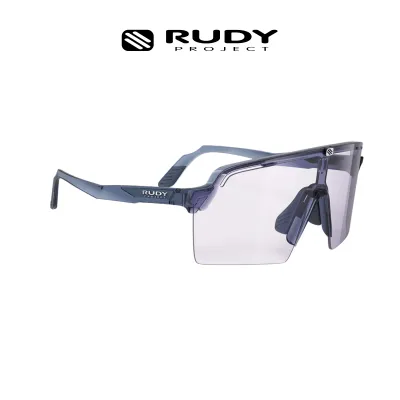
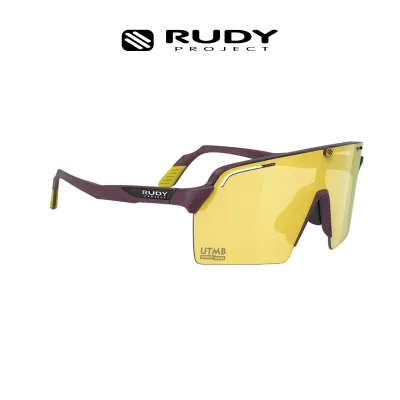
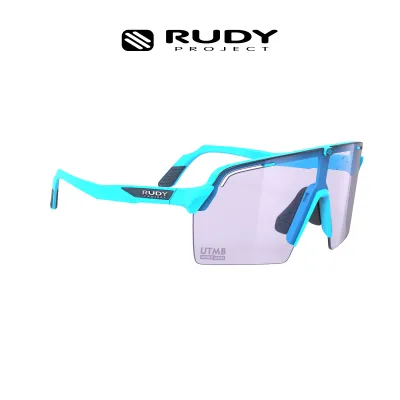
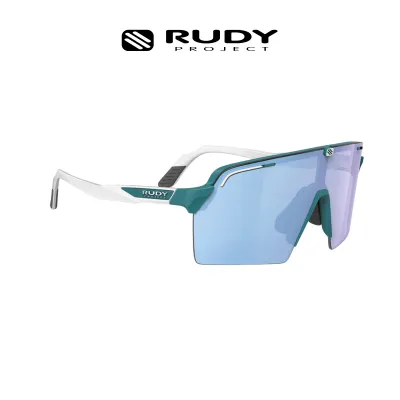
Prices are valid at publication and may change. Please refer to the product page for the latest price.
Key Dimensions for Comparing Boxing Protective Gear
Evaluating boxing protective gear requires looking past brand marketing and focusing on objective, verifiable specifications. When comparing Spinshield Pro to other options in the market, you should analyze four primary dimensions: impact absorption, fit and visibility, material durability, and safety compliance.

Impact Absorption and Padding Density
The primary job of protective gear is to disperse impact energy before it reaches your body. To evaluate this, look closely at the manufacturer’s specifications regarding foam construction. High-quality gear typically utilizes multi-layered foam systems.
- High-Density Foam (such as EVA): Often used in the outer layers to disperse the initial force of a punch or kick across a wider surface area.
- Low-Density Foam (such as latex or soft polyurethane): Positioned closer to the skin to cushion the impact and provide a comfortable fit.
Avoid gear that uses cheap, single-layer open-cell foam, as it compresses completely under moderate force, offering virtually no protection during heavy sparring. Always check if the brand specifies the number of padding layers and the types of foam used.
Fit, Adjustability, and Visibility
An ill-fitting headgear or shin guard is a severe safety hazard. If your headgear shifts during a exchange, it can block your peripheral vision, leaving you vulnerable to punches you cannot see.
In the tropical climate of the Philippines, high humidity and heavy sweating exacerbate this issue. Sweat acts as a lubricant, causing gear to slip. When comparing brands, look for non-slip interior linings, such as brushed suede or textured synthetic materials designed to grip the skin even when wet.
Adjustability is equally critical. Look for dual-strap closure systems on shin guards and multi-point adjustment systems (such as lace tops and hook-and-loop rear closures) on headgear to ensure a customized, secure fit.
Material Durability and Breathability
The choice between genuine leather and synthetic materials affects both the lifespan of your gear and how it handles moisture. Genuine cowhide leather is highly durable and conforms to your body over time, but it requires regular maintenance and can absorb moisture if not dried properly.
Engineered synthetic leathers, such as high-grade microfiber or polyurethane (PU), offer excellent durability and are highly resistant to moisture absorption. In humid gym environments, synthetic materials are often easier to wipe clean and dry quickly, reducing the risk of mold, mildew, and unpleasant odors. Look for gear that incorporates ventilation holes, mesh panels, and moisture-wicking linings to help manage heat buildup during intense training sessions.
Safety Certifications and Standards
If you plan to compete, safety certifications are non-negotiable. Sanctioned amateur bouts require gear that meets specific standards set by governing bodies, such as the International Boxing Association (IBA) or local amateur athletic associations. Certified gear will feature official stamps or labels printed directly on the product. If a brand does not explicitly state that its gear is approved for competition, assume it is strictly for gym training and sparring.
How to Evaluate Spinshield Pro Against Market Alternatives
To make an informed purchase, you must practically compare Spinshield Pro with other brands available in local sports stores and online marketplaces. This involves analyzing price-to-feature ratios, warranty terms, sizing availability, and real-world user reviews.
Comparing Price-to-Feature Ratios
When browsing options, compare the ₱ price points of Spinshield Pro against both entry-level and premium alternatives. A higher ₱ price tag should always be justified by superior materials, such as multi-layered padding, reinforced stitching, and ergonomic designs.
If a budget brand offers a complete set of headgear and gloves for a very low ₱ price, inspect the specifications carefully. It is highly likely they have compromised on padding density or strap quality. Conversely, when looking at premium brands, verify whether you are paying for actual safety features or simply brand prestige.
Checking Warranty and After-Sales Support
Before finalizing your purchase, review the warranty terms and return policies offered by the manufacturer or authorized distributor. Because protective gear must fit perfectly to function safely, a flexible return or exchange policy is essential.
Verify if the seller allows exchanges for sizing issues and check who covers the return shipping costs. A reputable brand should offer a clear warranty against manufacturing defects, such as split seams or premature foam degradation, within a reasonable timeframe from the date of purchase.
Assessing Sizing and Replacement Parts
Never guess your size when buying protective gear. Refer to the brand’s official sizing chart and measure your head circumference, shin length, or hand size accordingly. Keep in mind that sizing standards can vary significantly between Western and Asian brands; a “Medium” in one brand may fit like a “Small” in another.
Additionally, check if the brand sells replacement parts. Over time, chin straps, laces, or removable padding inserts can wear out. Brands that offer individual replacement parts allow you to extend the lifespan of your gear without needing to purchase an entirely new set.
Reading Verified User Reviews
User reviews provide invaluable insights into how gear performs over months of regular use. When reading reviews on e-commerce platforms or martial arts forums, look for feedback from users who train in tropical climates similar to the Philippines.
Pay close attention to comments regarding:
- How well the gear resists sweat odor over time.
- Whether the hook-and-loop straps lose their grip after repeated exposure to moisture.
- Any reports of premature peeling or cracking of the outer material.
- Inconsistencies in fit or pressure points that cause discomfort during long training sessions.
Decision Framework: Matching Gear to Your Training Needs
To choose the right protective gear, you must match the equipment’s specifications to your personal training profile, frequency, and goals.
Choose Spinshield Pro If:
- You are an intermediate hobbyist or club member who spars two to three times a week.
- You train in a humid environment and prefer synthetic, moisture-resistant materials that are easy to clean and dry quickly.
- The specific padding profile, mid-range ₱ price point, and available sizes align with your current budget and physical dimensions.
- You do not require official competition stamps for sanctioned amateur bouts.
Choose Established Legacy Brands If:
- You are a competitive athlete preparing for sanctioned amateur or professional tournaments that mandate certified gear.
- You prefer the traditional feel, weight, and long-term molding characteristics of genuine cowhide leather.
- You are willing to invest a premium ₱ price for a brand with a decades-long track record of safety and performance in professional boxing.
Choose Budget Alternatives If:
- You are a complete beginner focusing strictly on light bag work, pad drills, and non-contact technical training.
- You do not engage in live sparring and therefore do not require high-impact headgear or heavy-duty shin guards.
- You need basic, affordable protection while you decide if you want to commit to the sport long-term.
Essential Safety Checks Before You Train
Regardless of the brand you choose, always perform a safety check before every training session. Inspect your gear for any signs of damage, such as exposed foam, torn stitching, or loose straps. Ensure your headgear is adjusted tightly enough that it does not shift when you move your head quickly, but not so tight that it causes headaches or restricts breathing. If your gear is compromised in any way, do not use it; replace it immediately to protect yourself and your training partners.
Purchasing and Verifying Authenticity in the Philippines
The popularity of boxing and combat sports has led to an increase in counterfeit protective gear in the market. Using counterfeit gear is highly dangerous, as these products often use cheap packaging foam that offers zero impact protection.
Prioritize Official and Authorized Channels
To ensure you are purchasing genuine products, always buy directly from official brand websites, authorized physical sports retailers in major metropolitan areas, or verified flagship stores on major e-commerce platforms. Avoid purchasing from unverified third-party sellers, social media marketplaces, or listings with suspiciously low prices.
Inspect Authenticity Markers
When your gear arrives, conduct a thorough physical inspection before removing any tags or using it in the gym. Look for key authenticity markers:
- Holographic Tags: Many premium brands include holographic security stickers with unique serial numbers.
- Branding and Fonts: Compare the logos, fonts, and embossing on your gear with official product images. Counterfeits often feature slightly distorted logos or incorrect font weights.
- Stitching Quality: Genuine protective gear features neat, even, and often double-stitched seams. Loose threads, uneven stitching, or visible glue are major red flags.
- Foam Feel: Press firmly on the padding. Genuine protective foam should feel firm and resilient, quickly bouncing back to its original shape. If the padding feels hollow, excessively soft, or paper-thin, it may be counterfeit.
Frequently Asked Questions (FAQ)
How often should I replace my boxing headgear and shin guards?
You should replace your protective gear as soon as you notice signs of structural degradation. Key indicators include compressed padding that no longer bounces back, cracked or peeling outer materials, exposed internal foam, and worn-out hook-and-loop straps that slip during training. In the humid climate of the Philippines, sweat can accelerate the breakdown of internal foams and adhesives. Using compromised gear significantly increases your risk of injury, as degraded padding cannot properly absorb and disperse impact forces. Generally, active sparring partners replace their primary gear every one to two years, depending on training volume.
Can I use the same protective gear for both sparring and competition?
Typically, training gear and competition gear have different design requirements and rules. Sparring gear is generally heavier and features thicker, softer padding designed to protect both you and your training partner during repeated impacts. Competition gear, on the other hand, must comply with strict weight limits, color regulations, and safety certifications mandated by local or international boxing federations. Using bulky sparring headgear in a sanctioned match may not be permitted. Always consult your coach, gym management, or event organizers to verify the exact rulebook requirements before purchasing gear intended for competition.
Community discussion
Share your experience or ask a question. Comments are reviewed before publication.