
Diving in the warm, biodiverse waters of the Philippines offers some of the most spectacular marine encounters in the world. However, whether you are drifting along a deep wall or exploring a sheltered coral garden, your underwater comfort and safety depend heavily on your equipment. Among your gear, your fins are your primary source of propulsion and control. Selecting the right gull fin blade design—whether split, paddle, or vented—is not about finding a single universal winner. Instead, it is about matching the physics of the blade to your physical strength, kicking style, and the specific environments you plan to explore.
While high-quality equipment is essential, it cannot replace proper training, physical conditioning, and sound underwater judgment. Before attempting challenging dives in strong currents or confined spaces, ensure your skills are up to the task. Understanding how different blade designs interact with the water will allow you to make an informed decision that enhances your safety and enjoyment on every dive.
How Split, Paddle, and Vented Blades Actually Work
Paddle blades are the traditional standard in diving. They feature a solid, continuous surface from the foot pocket to the tip of the blade. When you kick, the blade pushes directly against the water, displacing a large volume to create immediate forward thrust. This design relies on direct resistance, meaning every movement requires a corresponding amount of leg power, offering a highly responsive and direct feel.
Products mentioned in this guide
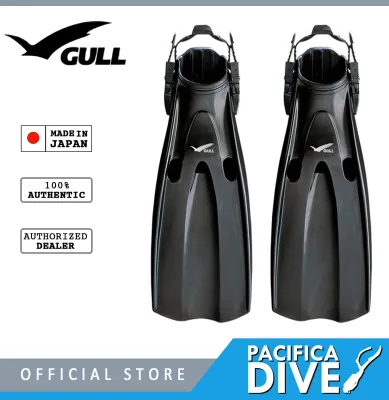
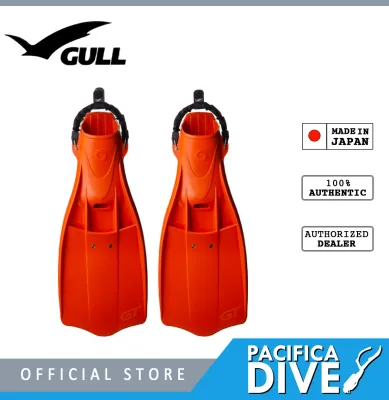
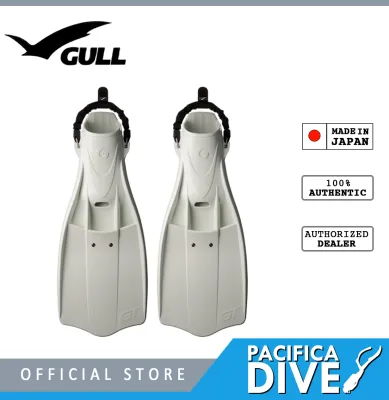
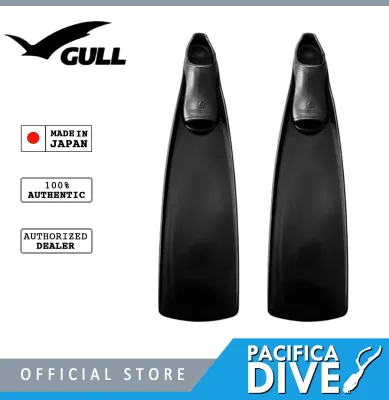
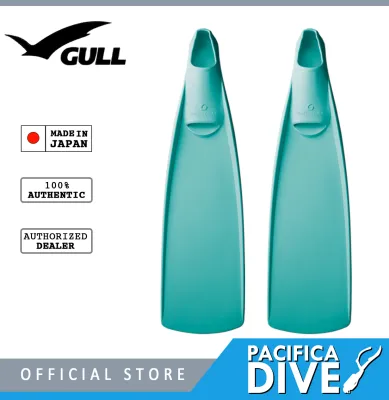
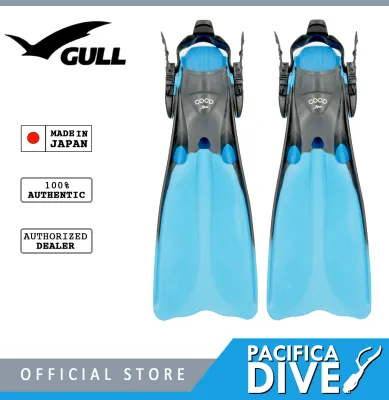
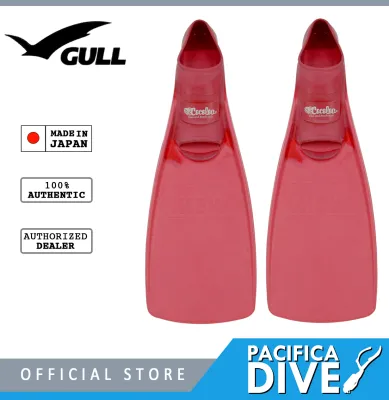
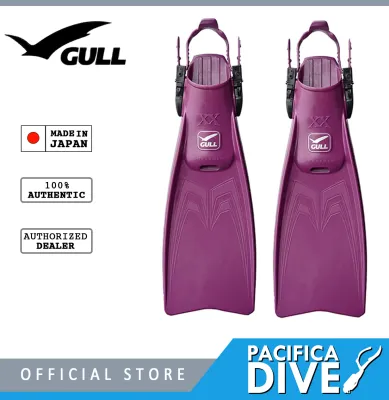
Prices are valid at publication and may change. Please refer to the product page for the latest price.
Split blades take a completely different approach to hydrodynamics. By introducing a vertical split down the center of the blade, this design mimics the mechanics of a marine mammal’s tail. As you kick, the two halves of the blade twist to form a pair of wings. This twisting action creates a pressure differential, generating lift that pulls you forward rather than simply pushing water backward. This significantly reduces the effort required on both the downstroke and the upstroke.
Vented blades incorporate open slots, channels, or flexible hinges, typically positioned near the base of the blade or close to the foot pocket. During a standard kick cycle, there are phases where the blade’s movement does not contribute to forward propulsion, often referred to as the recovery stroke. Vented designs allow water to flow freely through these openings during the recovery phase, reducing drag and resistance without sacrificing the solid surface area needed for the power stroke.
Matching the Blade to Your Kicking Technique
Your dominant kicking style is the most critical factor when choosing a blade design. The classic flutter kick, which involves alternating vertical up-and-down leg movements, is highly compatible with split and vented designs. Because split blades operate on lift rather than displacement, they excel during rapid, narrow flutter kicks. Divers who prefer a relaxed, continuous pace find that split blades allow them to cover horizontal distances with minimal strain on their thighs and calves.

Conversely, the frog kick—a horizontal, sweeping motion resembling a breaststroke kick—requires a solid, stable platform. When you perform a frog kick, you rely on the soles of your fins to scoop and push water backward in a single, powerful burst. Paddle blades are uniquely suited for this technique because their continuous surface prevents water from escaping. If you attempt a frog kick with split blades, the water simply slips through the center split, resulting in a highly inefficient slipping sensation and very little forward movement.
For advanced divers, underwater photographers, and those exploring delicate reef ecosystems, precision maneuvering is just as important as forward speed. Techniques like the helicopter turn, backing up, and precise hovering require subtle adjustments of the fin blades. Paddle blades provide the rigid, predictable surface area necessary to execute these micro-movements. Vented blades also offer excellent control, as they retain a solid structure while allowing enough water bypass to prevent sudden, disruptive turbulence near fragile marine life.
Choosing a Blade for Your Typical Dive Conditions
The environments you frequent should dictate your gear choices. If you regularly dive in areas prone to strong currents, tidal rips, or heavy surge, you need a fin that can deliver immediate, authoritative power. Stiffer paddle blades are often the preferred choice for these demanding conditions. When you must swim against a sudden current to reach a boat line or navigate a channel, the direct displacement of a stiff paddle fin provides the raw power needed to make headway, provided you have the leg strength to sustain the effort.
For long-distance cruising in calm, sheltered waters, such as shallow coral gardens or protected bays, split or vented designs are highly advantageous. These environments do not require explosive bursts of speed; instead, they reward efficiency and endurance. By reducing the resistance of each kick, split and vented blades allow you to conserve your air supply and extend your bottom time, making your dive much more enjoyable and relaxed.
When diving in confined spaces like swim-throughs, caverns, or around highly sensitive marine life, your physical footprint and maneuverability are paramount. Large, flexible split fins can be difficult to control in tight spaces and may accidentally strike the reef or stir up silt. A shorter, more rigid paddle or vented fin allows for tight, controlled movements close to your body, minimizing the risk of damaging delicate marine growth or reducing visibility for your dive group.
Decision Framework: Which Gull Fin Blade Should You Choose?
To finalize your decision, evaluate your typical diving profile against these clear guidelines:
- Choose a split blade design if your primary kicking style is the flutter kick, you mostly dive in calm to moderate conditions, and your main priority is reducing leg fatigue, joint strain, or cramping.
- Choose a paddle blade design if you are a dedicated frog kicker, frequently encounter strong currents, require precise maneuvering capabilities (such as backing up or turning in place), or plan to engage in technical or overhead diving.
- Choose a vented blade design if you want the solid, authoritative feel of a traditional paddle fin but desire a noticeable reduction in drag and leg fatigue during the recovery phase of your kick.
Before making any purchase, it is vital to verify the physical specifications of the fins. Ensure the foot pocket fits securely over your chosen footwear; a loose pocket wastes energy and causes chafing, while a tight one can restrict circulation and lead to painful cramps. Consider the blade stiffness—soft, medium, or hard—and match it to your physical conditioning and leg strength. High-quality diving fins in the Philippines typically range from ₱5,000 to ₱12,000 or more, so visiting a local dive center to try them on with your actual booties is an essential step before investing.
Frequently Asked Questions (FAQ)
Can I use split fins effectively for frog kicking?
No, split fins are generally highly inefficient for frog kicking. The mechanics of a frog kick rely on pushing a solid column of water backward with the flat surface of the blade. Because split fins are designed to part and twist under pressure, the water simply flows through the center split during the outward and inward sweep of the kick. This results in a significant loss of propulsion, making it difficult to maintain control or move forward effectively using this technique.
Do vented fins actually reduce leg fatigue compared to standard paddles?
Yes, vented fins can reduce leg fatigue, but the effect depends on several variables. The vents or channels are engineered to let water pass through the blade during the non-propulsive recovery stroke, which lowers the physical effort required to reposition your leg for the next kick. However, the actual reduction in fatigue you experience will also depend on your overall kicking efficiency, ankle flexibility, physical fitness, and the specific stiffness of the blade material.
Community discussion
Share your experience or ask a question. Comments are reviewed before publication.