
Finding the right way to carry your essentials while running can transform your training experience. Whether you are navigating a quick neighborhood loop or training for an endurance race in humid conditions, carrying a phone, keys, and hydration is a practical necessity. There is no single carrying solution that works perfectly for every runner; the ideal choice depends on your specific gear volume, your target distance, and how you prefer to distribute weight on your body.
For runners who only need to carry a smartphone and a single house key, a lightweight armband provides a minimalist, out-of-the-way solution. If you require a balanced setup that carries a phone, nutrition gels, and a small flask of water without bouncing, a sports waist bag offers an excellent middle ground. For long-distance endurance sessions where continuous hydration, emergency gear, and extra layers are mandatory, a dedicated running vest is the most secure and high-capacity option available.
Selecting the wrong gear can lead to painful chafing, restricted breathing, or distracting bounce that ruins your running rhythm. By analyzing how each carrying option handles capacity, weight distribution, and tropical humidity, you can make an informed decision that supports your fitness goals.
Products mentioned in this guide
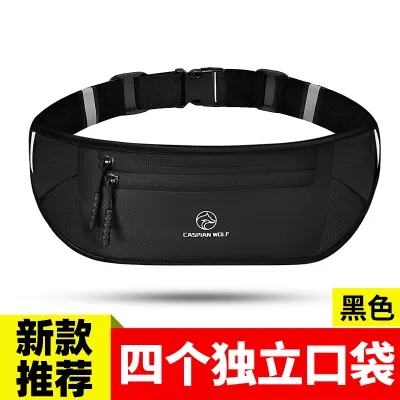
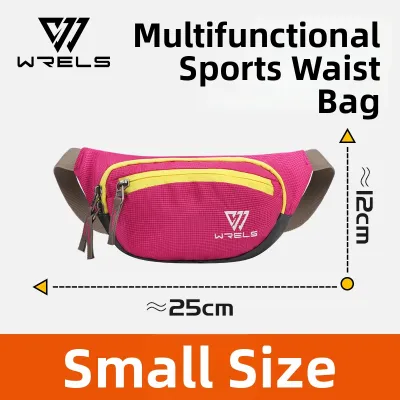
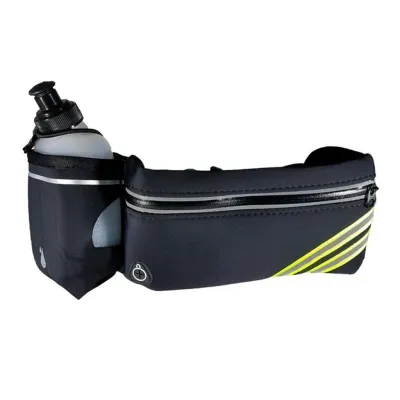
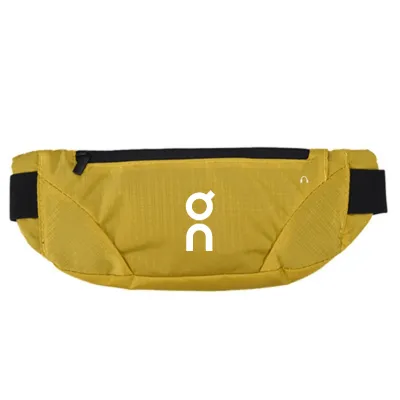
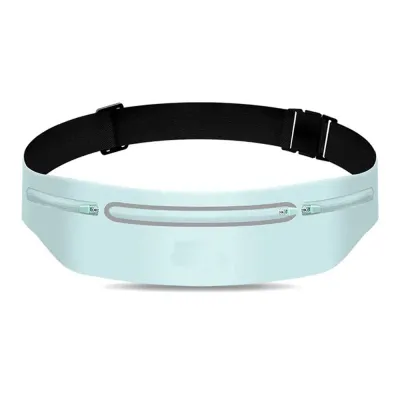
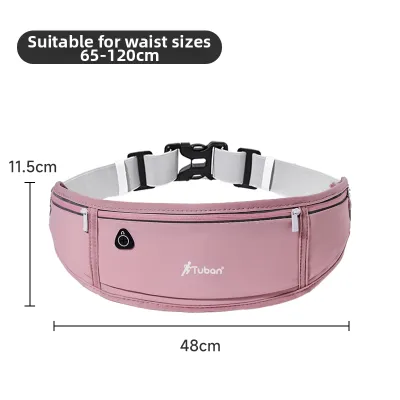
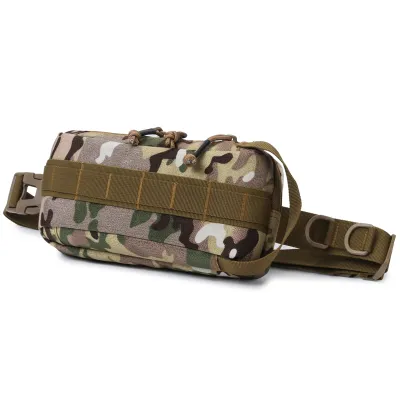
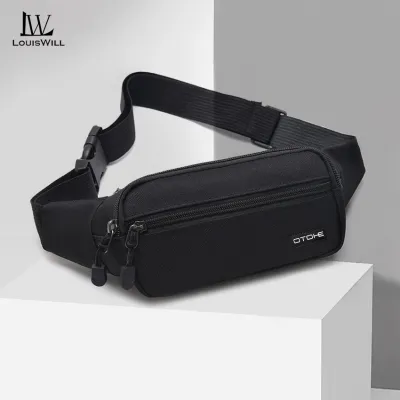
Prices are valid at publication and may change. Please refer to the product page for the latest price.
Capacity and Carry Needs: What Are You Bringing?
Before comparing materials or fits, you must audit the exact items you intend to carry on your typical runs. Your carrying needs will dictate the physical size and structure of the gear you choose. Overloading a small carrier leads to premature wear and discomfort, while underutilizing a large vest adds unnecessary bulk and heat retention.
Armbands: Minimalist Tech Storage
Armbands are designed with a singular focus: securing your smartphone against your upper arm. Most modern armbands feature a clear plastic window that allows for basic touchscreen interaction, along with a small slot on the side or back for a single physical key or an ID card. This ultra-streamlined design keeps your hands completely free and eliminates the need for bulky pockets.
However, the rapid growth of smartphone screen sizes has pushed the physical limits of traditional armbands. Before purchasing, you must verify your phone’s exact dimensions, including the thickness of any protective case you use, against the manufacturer’s sleeve specifications. Attempting to force a large phone into a tight sleeve can stretch the seams, tear the fabric, or press continuously against the side buttons, causing your phone to restart or trigger emergency calls.
Additionally, armbands offer virtually zero space for hydration or nutrition. If your training plan requires you to carry energy gels, salt tablets, or even a small volume of water, an armband will quickly prove insufficient. It is strictly a single-device carrying solution for short, self-contained workouts.
Sports Waist Bags: Balanced and Expandable Utility
A sports waist bag occupies the highly versatile middle ground of running storage. These bags typically feature a zippered main compartment made of stretchy, elastomeric fabrics that expand to accommodate a wide variety of items. A well-designed waist bag can comfortably hold a large smartphone, a set of keys, several energy gel packets, and even a compact soft flask.
Organization is a key advantage of a high-quality waist bag over a simple armband. Many models feature internal dividers or separate zippered pockets, which prevent your metal keys from scratching your phone screen during movement. Some designs also include dedicated external loops or elastic toggles to secure trekking poles or a lightweight windbreaker jacket.
When selecting a waist bag, pay close attention to the zipper construction and pocket layout. Look for weather-resistant zippers with quiet, non-slip pull tabs that do not rattle with every stride. If you plan to carry water, ensure the bag is specifically designed with an angled holster or an elastic sleeve that keeps the fluid weight centered close to your lower spine.
Running Vests: High-Capacity Endurance Systems
Running vests, often referred to as hydration packs, are engineered for high-volume storage and long-duration self-sufficiency. Unlike waist bags that concentrate weight on the hips, a vest fits over your shoulders and wraps securely around your chest and upper back. This design distributes the weight of heavy cargo evenly across your entire torso, making heavy loads feel significantly lighter.
The storage capacity of a running vest is unmatched, typically ranging from 2 to 15 liters of total volume. Vests feature an array of easily accessible front pockets designed specifically for soft hydration flasks, energy bar storage, trash pockets, and salt pill containers. The large rear compartment can house a dedicated hydration bladder, a change of clothes, a first-aid kit, and trail-essential tools.
This extensive capacity is highly beneficial for self-supported runs where access to clean water or convenience stores is limited. However, carrying a high volume of gear requires careful packing to prevent items from shifting. Knowing how to pack heavier items close to your back and utilizing the vest’s compression cords are essential skills for maintaining stability on the move.
Comfort, Fit, and Bounce in Humid Weather
Running in a tropical climate introduces significant challenges regarding heat dissipation, heavy sweating, and skin friction. High humidity prevents sweat from evaporating efficiently, meaning any gear you wear will become saturated quickly. Understanding how each carrying option behaves when wet is critical to avoiding severe chafing and heat exhaustion.

Armbands: Friction and Asymmetrical Movement
The primary comfort challenge with an armband is its asymmetrical placement on your body. Carrying a heavy smartphone on one arm can subtly alter your natural arm swing, potentially leading to shoulder tightness or muscle imbalances over long distances. To keep the phone from sliding down your wet skin, you must tighten the strap securely around your bicep.
This tight compression can restrict blood flow during high-intensity efforts, leading to temporary numbness, muscle fatigue, or a throbbing sensation in your arm. Furthermore, the non-breathable plastic and neoprene backing of most armbands traps sweat directly against your skin. In hot, humid weather, this trapped moisture combined with constant running friction often results in heat rashes or painful chafing around the bicep area.
Sports Waist Bags: Low Center of Gravity and Stability
A sports waist bag places the weight of your gear directly over your body’s center of gravity, which naturally minimizes bounce and sway. When fitted correctly around the widest part of your hips or the narrowest part of your waist, the bag should move in perfect unison with your pelvis. This placement keeps your upper body completely free, allowing for unrestricted breathing and a natural arm swing.
However, achieving this stable fit requires precise adjustment. If the waistband is too loose, the bag will bounce rhythmically against your stomach or slide down your hips, forcing you to pull it up constantly. If it is too tight, it can compress your abdomen, causing gastrointestinal discomfort or cramping during deep breathing.
To combat the tropical heat, look for waist bags that feature a wide, breathable mesh backing. This porous material allows air to circulate and helps channel sweat away from your lower back, preventing moisture from pooling inside the main compartment. It is also wise to store your phone in a water-resistant pocket or a plastic zip-top bag to protect it from heavy sweat penetration.
Running Vests: Snug Wrap and Heat Retention
Because running vests cover a larger surface area of your torso, they naturally retain more body heat than waist bags or armbands. In warm, humid environments, wearing a vest can elevate your core temperature more quickly, making breathability a top priority. High-quality vests utilize open-cell 3D mesh fabrics that maximize airflow and speed up drying times.
The fit of a running vest must be exceptionally snug, acting almost like a second skin. Most vests utilize adjustable sternum straps and side cinch cords to customize the fit to your chest circumference. A loose vest will rub against your collarbones, shoulders, and lower back with every step, resulting in painful, raw skin chafing within a few kilometers.
To prevent this, you must test the fit of your vest while wearing the exact shirt you plan to run in, ensuring there are no rough seams or plastic adjustment clips pressing directly against your skin. Additionally, always test the vest with a full water load; water is heavy, and a vest that feels comfortable empty may bounce excessively once the flasks are filled to capacity.
Matching Gear to Your Running Distance and Goals
Your choice of carrying gear should align closely with the duration of your workouts and your specific training objectives. Using too much gear on a short run adds unnecessary weight, while under-preparing for a long endurance session can compromise your safety and hydration.
Short Runs and 5Ks (Under 45 Minutes)
For brief runs lasting under 45 minutes, your body’s hydration and caloric needs are minimal, assuming you hydrated adequately beforehand. The primary goal for these workouts is to remain as light and unencumbered as possible. Carrying heavy water bottles or bulky packs during a fast 5K interval session is counterproductive to your performance.
An armband or an ultra-minimalist, single-pocket waist belt is the ideal companion for these short efforts. They provide just enough space to secure your phone for safety, music, or GPS tracking, along with a house key. Keeping your torso and hips free of excess fabric allows you to focus entirely on your pacing, form, and breathing without any distracting weight shifts.
Medium Runs and 10Ks to Half Marathons (1 to 2.5 Hours)
As your running duration extends beyond an hour, carrying hydration and nutrition becomes highly recommended, especially in hot, humid conditions. During a 10K or a half-marathon training run, your body will deplete its glycogen stores and lose significant fluids through sweat. You will need a reliable way to carry at least one or two energy gels and a moderate amount of water.
A sports waist bag is the premier choice for these mid-distance efforts. It easily accommodates a 250ml to 500ml soft flask, allowing you to sip water or electrolyte drinks at regular intervals without the heavy, hot coverage of a full vest. The hip-mounted storage keeps your nutrition within easy reach, so you can tear open a gel packet and consume it without breaking your running stride.
Long Runs, Marathons, and Trail Running (3+ Hours)
Once your runs exceed the two-hour mark, or when you venture onto wilderness trails, your gear requirements increase dramatically. You must be prepared for changing weather conditions, potential navigation issues, and prolonged periods without access to clean drinking water. In these scenarios, a running vest transitions from a luxury to an absolute safety essential.
A vest allows you to carry up to two liters of water, split between front flasks for easy sipping and a rear reservoir for a deep reserve. It also provides the necessary volume to carry essential safety items, such as a whistle, a basic first-aid kit, a headlamp, and a lightweight windbreaker to protect against sudden tropical downpours. The secure, multi-point fastening system ensures that even when fully loaded with fluids and gear, the vest remains stable and does not interfere with your running mechanics.
Side-by-Side Comparison of Running Carry Options
To help you quickly evaluate the trade-offs between these three carrying solutions, the following table summarizes their performance across key decision dimensions.
| Feature | Armband | Sports Waist Bag | Running Vest |
|---|---|---|---|
| Best Use Case | Short, fast runs; gym workouts | Daily road runs; 10K to Half Marathons | Trail running; Marathons; Ultra-distances |
| Maximum Capacity | Extremely low (Phone + 1 key) | Moderate (Phone, keys, gels, 1 small flask) | Very high (Up to 12L+ gear, multiple flasks) |
| Hydration Support | None | Limited (150ml to 500ml soft flask) | Excellent (1.5L to 3L total fluid capacity) |
| Bounce Risk | Low (if strapped tightly to bicep) | Medium (requires precise hip adjustment) | Very low (when properly fitted to torso) |
| Weather Breathability | Low (traps sweat under the band) | High (minimal body coverage) | Moderate (covers back and chest; requires mesh) |
| Fit Complexity | Very simple (one strap) | Simple (adjustable buckle or elastic band) | High (requires chest and side adjustments) |
While this table offers a generalized overview, your individual body shape and running style will also influence how comfortable each option feels. For instance, runners with highly sensitive lower backs may prefer a vest even on medium runs to avoid any pressure around their waist, while runners who feel claustrophobic in vests may choose to push the limits of a high-capacity waist bag.
Final Decision Framework: Choose Your Running Gear
To finalize your purchase decision, match your personal running profile against the following clear, actionable guidelines.
Choose an Armband if:
- Your primary goal is to carry a smartphone for music, safety, or GPS tracking, with no need for hydration.
- Your typical workouts are short, lasting under 45 minutes, and take place in areas with easy access to water.
- You dislike having any fabric or pressure around your waist, hips, chest, or back while running.
Choose a Sports Waist Bag if:
- You need a versatile, hands-free carrier for daily road runs ranging from 5K to half-marathon distances.
- You want to carry a smartphone, a set of keys, and a few energy gels securely without feeling overheated.
- You prefer a low-profile, lightweight gear setup that keeps your upper body completely open to airflow.
Choose a Running Vest if:
- You are training for marathons, ultra-marathons, or regularly explore off-road trail networks.
- You require a total fluid carrying capacity of 500ml or more to stay safe in hot, humid environments.
- You need to carry multiple items, such as extra layers of clothing, nutrition, medication, and emergency gear, without compromising your running posture.
Verify First Before Buying
Before purchasing any running carry gear, always perform a few essential compatibility and sizing checks to ensure a successful fit. First, measure your phone’s physical dimensions with its protective case on, and compare those measurements against the pocket specifications of the armband or sports waist bag you are considering. Do not rely solely on screen size marketing (e.g., “fits 6.7-inch phones”), as thick cases can add significant bulk that prevents the zipper from closing.
Second, if you are purchasing a running vest, do not guess your size based on your standard t-shirt sizing. Use a flexible measuring tape to measure your chest circumference around the widest part while wearing your typical running attire. A vest that is too large will bounce and cause severe chafing, while one that is too small will restrict your lung expansion during intense breathing.
Finally, always review the manufacturer’s care instructions for both the storage fabrics and any included hydration accessories. Moisture-wicking fabrics and high-performance mesh often require gentle, cold-water hand washing and air drying to preserve their elasticity and anti-microbial treatments. Hydration bladders and soft flasks must be thoroughly washed, rinsed, and completely dried after every run to prevent mold growth, especially in warm, humid climates.
Community discussion
Share your experience or ask a question. Comments are reviewed before publication.