
Quick Answer: Which Anti-Fog Format Should You Choose?
Preventing mask condensation is essential for safety and enjoyment underwater. When selecting an anti fog for diving mask, there is no single formula that fits every diver. The optimal choice depends on your dive duration, travel logistics, and environmental priorities.
If your priority is long-lasting clarity during multi-dive days, choose an anti-fog gel. Gels have a thick, concentrated viscosity that resists washing away, making them ideal for extended scuba sessions and technical dives.
If you prefer rapid application and want an easy option to share with boat buddies, choose an anti-fog spray. Sprays spread quickly and rinse clean with minimal effort, making them perfect for quick surface intervals.
Products mentioned in this guide
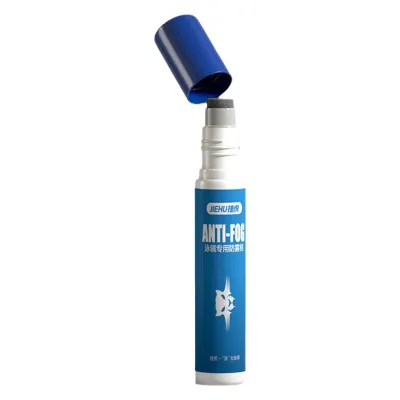
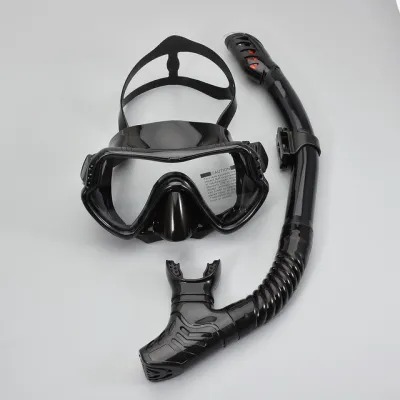
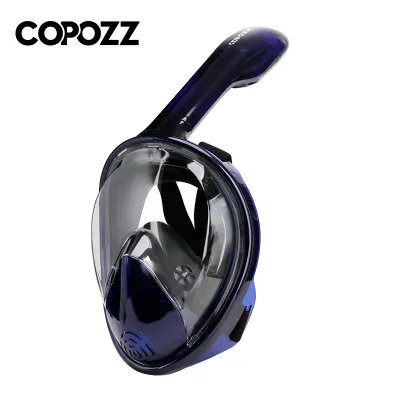
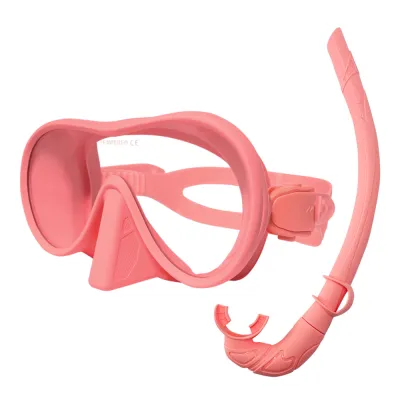
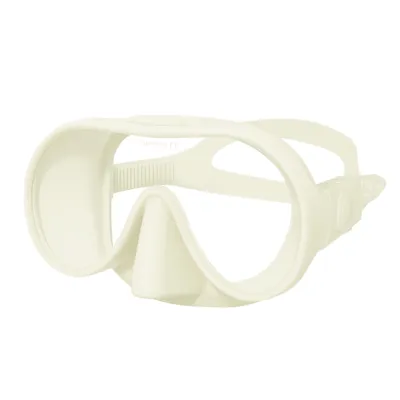
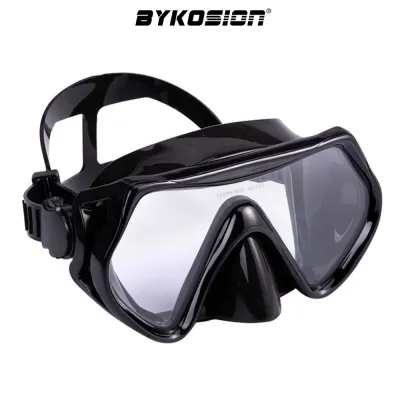
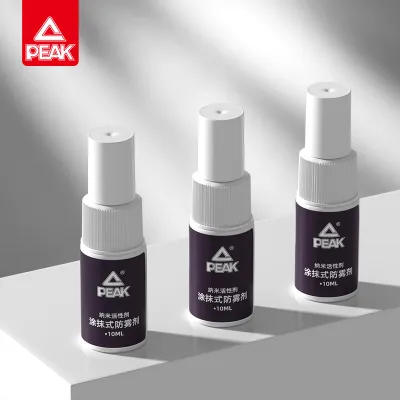
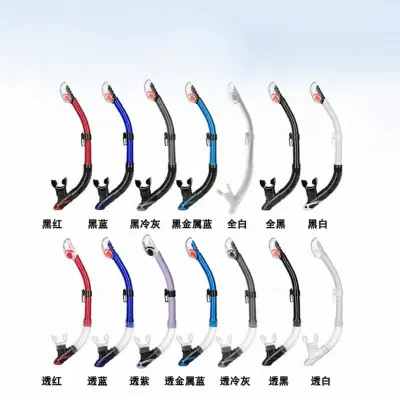
Prices are valid at publication and may change. Please refer to the product page for the latest price.
If you travel frequently with carry-on luggage only, choose anti-fog wipes. Wipes offer a spill-proof, pre-measured application that easily bypasses airport security limits and requires no rinsing.
What Makes a Good Anti-Fog Product for Scuba and Freediving?
To evaluate anti-fog formats, you must understand how they work. Condensation occurs when warm, moist air inside the mask meets the colder lens cooled by the surrounding water. Anti-fog products act as surfactants, lowering the surface tension of water droplets so they form a continuous, transparent film instead of obstructive fog.

Longevity and water resistance represent the primary performance metric. A high-quality surfactant must adhere to the lens surface and resist being washed away by ambient humidity or mask clearing. In tropical environments like the Philippines, where high air temperatures meet cooler thermoclines at depth, this temperature differential accelerates condensation.
Application ease is another critical factor. Divers often need to apply anti-fog on moving vessels, such as traditional outrigger bangkas, where high winds and salt spray complicate gear preparation. A product that requires meticulous, dry-surface application may prove impractical in these active environments.
Portability and travel compliance dictate how easily you can transport your gear. Liquid restrictions on domestic and international flights mean large spray bottles can cause security delays. Additionally, high-pressure cabin environments can cause poorly sealed bottles to leak, potentially damaging surrounding gear.
Environmental impact is a non-negotiable consideration for responsible divers. Any product applied to your mask eventually rinses into the ocean. Using biodegradable, reef-safe ingredients prevents toxic chemical runoff from damaging delicate coral reefs and marine life.
Anti-Fog Sprays: Quick, Easy, and Versatile
Anti-fog sprays utilize a thin, liquid surfactant base designed for rapid dispersion. When sprayed onto the inner lens, the liquid flows easily into every corner, creating a thin, uniform protective barrier without requiring manual spreading.
The primary advantage of a spray is its speed and ease of use. You can coat both lenses in seconds, rinse the mask briefly in seawater or fresh water, and immediately begin your dive. This efficiency makes sprays highly popular on crowded dive boats where space and time are limited.
Sprays are also highly shareable among dive groups. Because the nozzle does not touch the lens, multiple divers can use the same bottle without transferring skin oils or bacteria. This makes them a staple for dive guides and instructors managing multiple students.
However, the thin consistency of sprays limits their overall longevity. The liquid barrier is easily washed away if you regularly clear your mask or if water leaks inside during a dive. You will likely need to reapply a spray before every single dive to maintain reliable clarity.
Travel logistics present another drawback for spray formats. Liquid bottles are subject to airport security limits, and the thin liquid can easily leak through cap threads under cabin pressure changes. Divers must store them in secure, waterproof bags to avoid ruining expensive electronics or dry gear.
This format is best suited for warm-water recreational diving, shallow snorkeling trips, and situations where you want a fast, low-effort application routine between dives.
Anti-Fog Gels: Concentrated and Long-Lasting
Anti-fog gels feature a high-viscosity, concentrated surfactant formula. Unlike thin liquids, a gel is designed to cling tenaciously to tempered glass, creating a robust, thick barrier that resists water movement and temperature changes.
The standout benefit of a gel is its exceptional longevity. Because the concentrated formula adheres strongly to the lens, it can withstand multiple mask clearings and long dive times. A single application can often last through two or three consecutive dives without needing a top-up.
Gels are also highly cost-effective because a tiny, pea-sized drop is sufficient for both lenses. A single small bottle of gel can last a diver for hundreds of dives, making it a highly economical choice over time. The thick consistency also reduces the risk of messy spills in your gear bag.
The main disadvantage of gels is the precision required during application. You must manually spread the gel across the entire lens surface using clean fingers, ensuring no spots are missed. Rinsing also requires more care; a hasty rinse can leave streaks or a cloudy residue that impairs vision underwater.
In cold water or deep thermoclines, gels can sometimes become stiffer and more difficult to spread evenly. They also require a reliable water source to rinse away the excess product, which can be a challenge if fresh water is scarce on a small boat.
Gels are the ideal choice for technical divers, deep divers, and anyone planning long underwater photography sessions where mask clearing is common and absolute clarity is required for hours.
Anti-Fog Wipes: Portable and Mess-Free
Anti-fog wipes consist of pre-moistened or dry-treated cloths infused with a specialized surfactant. To apply, you simply wipe the inner surface of the dry lens, leaving behind a micro-thin, protective layer that dries quickly without needing a rinse.
Portability is the greatest strength of the wipe format. Because they contain minimal liquid, wipes are completely exempt from airport liquid restrictions, making them a favorite for international dive travel. They pack flat, weigh virtually nothing, and cannot leak or spill in your dive bag.
Wipes also offer a completely mess-free application process. You do not need to worry about finding fresh water to rinse your mask, nor do you risk getting soapy residue on your hands or face. This makes them highly convenient for shore entries or remote dive sites.
However, wipes carry notable environmental and economic trade-offs. Most wipes are single-use products that generate packaging and cloth waste, which is a significant drawback for eco-conscious divers. The cost per application is also substantially higher than that of sprays or gels.
Performance-wise, wipes deposit a very thin surfactant layer. While sufficient for casual snorkeling or short shallow dives, this thin barrier may struggle to prevent fogging during long, deep dives or in extreme temperature differentials. Additionally, you must ensure the wipe remains free of sand and grit to avoid scratching the lens.
This format is best for minimalist travelers, snorkelers, and divers who prioritize convenience and zero-spill reliability over long-term cost efficiency.
Side-by-Side Format Comparison
The following table summarizes how the three primary anti-fog formats compare across key performance and practical criteria.
| Format | Longevity | Application Ease | Travel Friendliness | Eco-Impact (Waste) | Best For |
|---|---|---|---|---|---|
| Sprays | Moderate | High | Moderate | Low | Quick top-ups, sharing on boats, warm-water dives |
| Gels | High | Moderate | High | Low | Long dive days, technical diving, maximum durability |
| Wipes | Low to Moderate | High | High | High | Carry-on travel, shore diving, minimalist setups |
Crucial Safety Checks: Mask Materials and Reef-Safe Ingredients
Before applying any anti-fog product, you must verify compatibility with your specific diving mask. Always check your mask manufacturer’s care guidelines, as some chemical solvents or harsh surfactants can damage delicate components.
While tempered glass lenses can withstand most commercial formulas, plastic or polycarbonate lenses—often found in swim goggles, some freediving masks, and cheap snorkeling gear—are highly sensitive. Harsh chemicals can cause micro-scratches, permanent clouding, or chemical crazing on plastic surfaces.
The mask skirt is another area of concern. Harsh surfactants can degrade silicone skirts over time, causing the material to become brittle, lose its seal, or discolor. Always read the product label to ensure the formula is safe for silicone and plastic components.
Environmental safety is paramount when diving in biodiverse marine habitats. When you rinse your mask, the anti-fog chemicals enter the water column directly. Many standard household detergents and non-specialized anti-fog products contain chemicals like alcohol, formaldehyde, or non-biodegradable silicones that are toxic to marine life.
In tropical destinations like the Philippines, coral reefs are highly sensitive to chemical pollutants. Choosing a certified biodegradable, reef-safe formula ensures your dive does not contribute to coral bleaching or harm local marine ecosystems in sanctuaries like Anilao or Apo Reef. Always read the product label for active ingredients and environmental certifications rather than relying solely on marketing claims.
Final Decision Framework: Match the Format to Your Dive Style
To make your final selection, match your primary diving habits and gear preferences to the characteristics of each format.
- Choose Sprays if you prioritize fast, effortless application, dive primarily in warm tropical waters, and want a versatile option that you can easily share with your dive buddies on the boat.
- Choose Gels if you need maximum longevity for multiple consecutive dives, participate in technical or deep diving, or want a highly concentrated, leak-proof formula that lasts for hundreds of uses.
- Choose Wipes if you are traveling with carry-on luggage only, want a dry and mess-free application process, or prefer a minimalist gear setup without the risk of liquid spills.
- Verify first if your mask uses specialized anti-reflective lens coatings, plastic lenses, or non-standard skirt materials; always cross-reference the anti-fog product label with the mask manufacturer's official care instructions before application.
Frequently Asked Questions (FAQ)
Do I need to prep a brand-new diving mask before using anti-fog?
Yes, brand-new tempered glass masks require thorough preparation before any anti-fog product will work. During the manufacturing process, a thin, invisible layer of silicone vapor deposits onto the glass lenses. This microscopic film acts as a barrier, preventing anti-fog surfactants from adhering to the glass and causing immediate, severe fogging.
To remove this film, you must use a specialized, non-abrasive mask prep paste or a manufacturer-approved cleaner. Gently scrub the inside of the dry glass lenses with the prep paste using a clean finger or a soft cloth, then rinse thoroughly with fresh water. Always check your mask manufacturer’s instructions first, as some modern masks come with pre-applied anti-fog coatings that can be permanently damaged by abrasive scrubbing.
Is baby shampoo a safe alternative to commercial anti-fog products?
Diluted baby shampoo is a popular and effective DIY alternative to commercial anti-fog products. Because it is formulated to be gentle on eyes, it acts as a mild surfactant that lowers water surface tension without causing severe irritation if a small amount contacts your eyes during a dive. It is also generally biodegradable and relatively safe for the marine environment when used in small quantities.
However, baby shampoo has limitations compared to commercial formulas. It typically offers shorter longevity underwater, meaning you may need to reapply it more frequently. You must also dilute it properly with water in a small spray bottle—usually a 1:10 ratio of shampoo to water—as using it at full strength can leave a thick, smeary residue that impairs vision and can still irritate your eyes if it washes out.
Why does my mask still fog up even after applying anti-fog?
If your mask continues to fog despite using anti-fog, the most common cause is improper rinsing. If you rinse the mask too aggressively after applying the product, you may wash away the protective surfactant layer entirely. Conversely, if you do not rinse enough, a thick, cloudy residue can remain, which mimics the appearance of fog and distorts your vision.
Another frequent culprit is the transfer of skin oils or sunscreen to the inside of the lens. Touching the inner glass with your fingers after applying anti-fog disrupts the surfactant barrier, allowing condensation to form on the oily spots. Additionally, a poor mask fit that allows water to constantly leak inside, or the habit of breathing out through your nose, introduces warm, moist air that can quickly overwhelm the anti-fog coating.
Community discussion
Share your experience or ask a question. Comments are reviewed before publication.