
Choosing the right tent peg material is a balance between pack weight, structural durability, and the specific terrain of your campsite. While backpackers often prioritize ultralight materials to ease their trail load, car campers and those facing harsh coastal winds require heavy-duty holding power. There is no single material that excels in every scenario; instead, the ideal choice depends on whether you are pitching on a soft sandy beach, a rocky mountain ridge, or a compacted forest floor. By understanding how stainless steel, aluminum, and titanium perform under stress, you can build a reliable anchoring system that keeps your shelter secure.
Core Differences in Weight, Durability, and Strength
Weight profiles vary significantly among these three common metals. Titanium is renowned for its high strength-to-weight ratio, making it the lightest option for weight-conscious hikers. Aluminum serves as the standard mid-weight choice, balancing portability with functional strength. Stainless steel is significantly heavier, which makes it less suitable for long-distance backpacking but highly stable for stationary setups.
Under heavy hammering or intense guyline tension, these metals behave differently. Stainless steel offers high tensile strength and is highly resistant to bending, even when driven into hard ground with a heavy mallet. Aluminum is more prone to bending or shearing if it strikes an underground rock, requiring a gentler touch during installation. Titanium provides excellent spring-back properties, resisting permanent deformation under moderate loads, though thin titanium shepherd hooks can still bend if driven forcefully into compacted clay.
Products mentioned in this guide
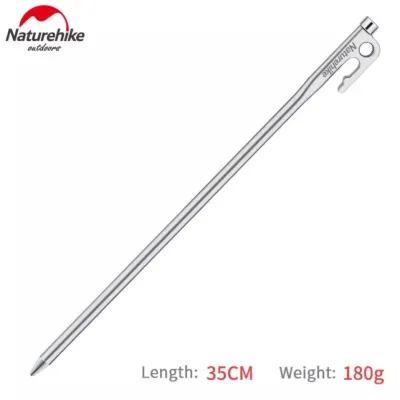
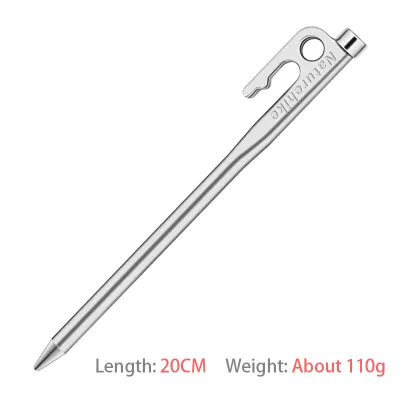
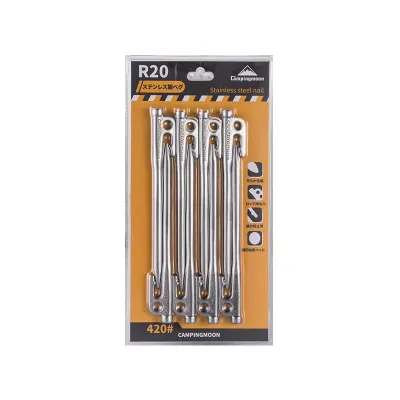
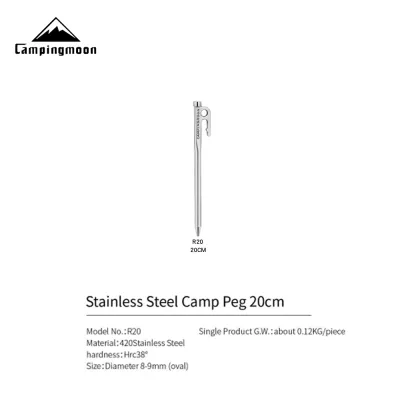
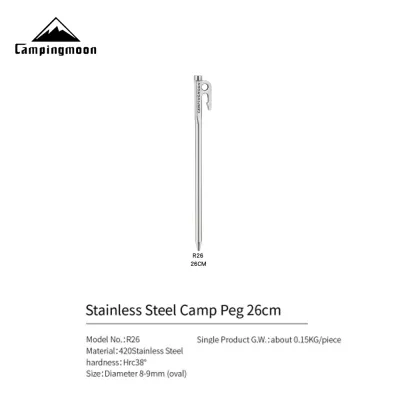
Prices are valid at publication and may change. Please refer to the product page for the latest price.
In wet, humid, or coastal environments—such as tropical beaches in the Philippines or rain-soaked mountain forests—corrosion resistance is vital. Stainless steel pegs, particularly those made from high-grade alloys, resist rust well but must still be dried to prevent localized pitting. Aluminum naturally forms a protective oxide layer, though anodized finishes offer enhanced protection against salty sea air. Titanium is highly resistant to atmospheric corrosion and saltwater damage, making it exceptionally long-lasting in harsh marine climates.
Matching Tent Peg Materials to Camping Conditions
Pitching a tent on loose sand or soft volcanic ash requires pegs with a large surface area rather than extreme material strength. In these conditions, wide, U-shaped aluminum snow/sand pegs or elongated stakes are necessary to grab the loose substrate. A standard thin stainless peg or titanium needle will easily pull out under wind pressure because they lack the surface area to create friction against loose particles.

When camping on rocky ridges, hard-packed clay, or gravelly riverbeds, the physical impact of driving the peg becomes the primary challenge. Here, a thick stainless peg or a robust titanium nail-style stake is highly effective. These designs can withstand direct blows from a hammer or rock without buckling. Aluminum pegs used in hard ground must be driven with caution; hitting an obstruction can easily twist or snap the shaft, rendering the peg useless.
High-wind environments place immense dynamic tension on your guylines, which translates directly to the peg. The anchoring system must resist both pulling out of the ground and structural failure. Heavy-duty stainless steel stakes provide reliable holding power due to their rigidity and weight, making them excellent for basecamps. For lightweight setups in windy areas, high-strength titanium stakes offer a dependable alternative, provided they are driven deep at a 45-degree angle away from the tent.
Evaluating Cost and Long-Term Value
Budget considerations play a major role in gear selection. Aluminum pegs are highly budget-friendly and are often included with standard tents, making them cheap to replace. Stainless steel pegs sit in the mid-to-high price range, representing a durable investment for car camping. Titanium pegs command a premium price due to the complex manufacturing processes required to shape the metal, making them a significant upfront investment.
To evaluate long-term value, campers must consider how often pegs are bent, broken, or lost in the field. While aluminum is inexpensive, frequent bending and subsequent replacement can accumulate costs over time. Stainless steel and titanium pegs offer a much lower cost-per-use over several years because they rarely deform beyond repair. However, because tent pegs are easily misplaced in tall grass or deep soil, losing a premium titanium peg represents a much higher financial loss than losing a standard aluminum one.
Investing in premium titanium is highly justified for long-distance thru-hikers where every gram saved reduces physical fatigue. For family camping, base camps, or coastal beach setups where gear is transported by vehicle, heavy stainless steel pegs offer excellent stability and longevity without the premium price tag of titanium. Standard aluminum remains the practical choice for casual weekend campers who stick to established campgrounds with moderate weather.
Decision Framework: Which Tent Peg Should You Buy?
Choose aluminum if you are a budget-conscious backpacker or casual camper who prioritizes a lightweight pack but does not face extreme weather or highly compacted ground. These pegs are easy to find on any online marketplace, simple to pack, and highly functional for standard weekend trips.
Choose titanium if you are an ultralight hiker, trail runner, or long-distance backpacker where minimizing pack weight is your absolute priority. Titanium stakes allow you to carry a full set of anchors at a fraction of the weight of steel, without sacrificing the basic structural integrity needed for rocky mountain soils.
Choose a stainless peg if you prioritize maximum durability, frequently camp in high-wind coastal areas, or use a heavy canvas tent for base camping. The weight of stainless steel is a non-issue when traveling by car, and its resistance to bending ensures your tent remains anchored even in challenging ground.
Before purchasing any aftermarket pegs, verify your tent manufacturer’s recommendations. Check if your tent’s grommets, loops, or tensioners are designed for specific peg diameters. Using an oversized stainless peg in a delicate fabric loop can cause premature wear or tearing, so always match the peg’s physical dimensions to your shelter’s attachment points.
Maintenance and Care for Longevity
After returning from a camping trip, take a few minutes to clean your pegs. Wash away mud, clay, salt residue, and organic sap using fresh water and a soft brush. This is especially important after camping near the ocean, as salt buildup can eventually degrade even corrosion-resistant metals if left unwashed in a humid storage bag. Dry each peg thoroughly with a clean cloth before packing them away.
Before your next outdoor adventure, inspect your stakes for signs of wear. Check for subtle bends along the shaft, micro-fractures near the head, or sharp burrs created by hammer strikes. A bent peg has already lost a portion of its structural integrity and is highly likely to fail under tension. File down any sharp metal burrs to prevent them from slicing your tent fabric or guylines during transport.
Store your clean, dry pegs in a dedicated, heavy-duty roll-up pouch or a reinforced peg bag. This prevents the sharp tips of the stakes from puncturing your tent body, sleeping pad, or other delicate gear inside your backpack. Keeping your pegs organized in a single container also reduces the risk of leaving individual stakes behind at the campsite.
Frequently Asked Questions (FAQ)
Can I mix different tent peg materials in one camping setup?
Yes, mixing materials is a highly practical strategy to optimize both pack weight and structural security. You can use heavy-duty stainless steel pegs for the primary windward guylines that bear the brunt of the wind load. Meanwhile, lighter aluminum or titanium pegs can secure the inner tent body, rainfly doors, and low-stress pull-outs. When mixing pegs, ensure that the thicker stakes do not put excessive friction on delicate fabric loops, and verify that all guylines are securely attached to prevent slipping.
How do I straighten a bent aluminum or titanium tent peg?
To straighten a slightly bent peg, place it on a flat, hard surface like a block of wood and gently tap the bend with a rubber mallet. Avoid using a heavy metal hammer directly on aluminum or titanium, as this can cause work-hardening, making the metal brittle and prone to snapping. Carefully inspect the bend area for micro-fractures or stress discoloration; if you see any cracks or severe thinning of the metal, discard the peg immediately, as it will likely fail under the next strong gust of wind.
Are nail-style pegs better than Y-stake or shepherd hook designs?
No single shape is universally ideal, as peg geometry interacts directly with the soil type. Nail-style pegs are excellent for hard, rocky ground because they drive straight down without twisting. Y-stakes offer three-sided surface area, providing strong holding power in medium-to-soft soils by packing the dirt around the ridges. Shepherd hooks are highly compact and lightweight, making them easy to pack, but they offer less holding power in loose soil and can spin under heavy guyline tension.
Community discussion
Share your experience or ask a question. Comments are reviewed before publication.