
Choosing between stainless steel and aluminum carabiners is not a matter of finding a single universal winner, but rather matching the material to your specific climbing discipline, environment, and gear configuration. Aluminum carabiners are the undisputed standard for weight-conscious climbers building personal gear racks, quickdraws, and traditional climbing setups where every gram matters. Conversely, stainless steel carabiners offer exceptional resistance to abrasion and environmental wear, making them the preferred choice for fixed anchors, top-rope master points, and high-humidity coastal crags.
Before packing your gear bag, remember that no piece of equipment can replace proper instruction, sound judgment, and hands-on training. Climbing is an inherently high-risk activity where your safety depends on your ability to assess risks, inspect your gear, and know your personal limits. Understanding how your hardware behaves under different conditions is a fundamental part of that safety equation.
Understanding the Core Material Differences
To make an informed choice, you must first understand the baseline physical and structural distinctions between these two metals. Aluminum carabiners are typically crafted from high-strength aerospace-grade aluminum alloys. These alloys are highly valued because they provide an excellent strength-to-weight ratio, allowing manufacturers to produce lightweight gear that still meets rigorous safety standards.
Products mentioned in this guide
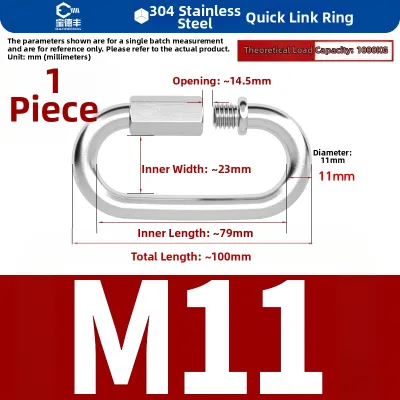
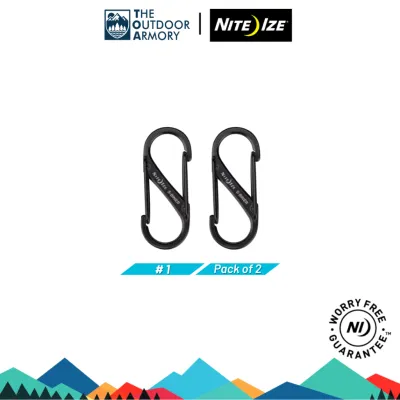
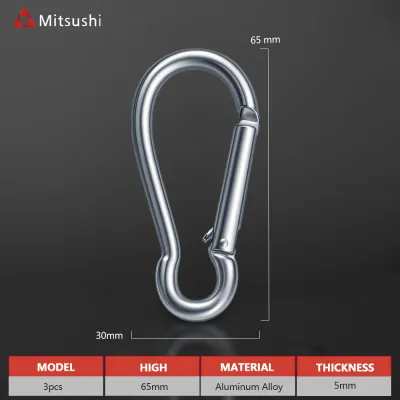
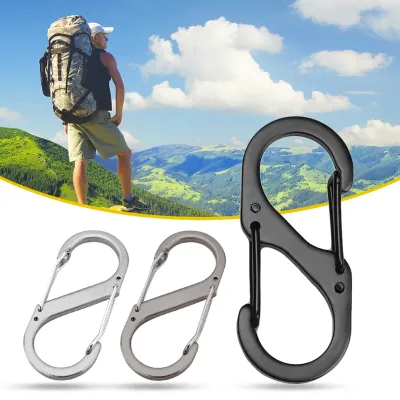
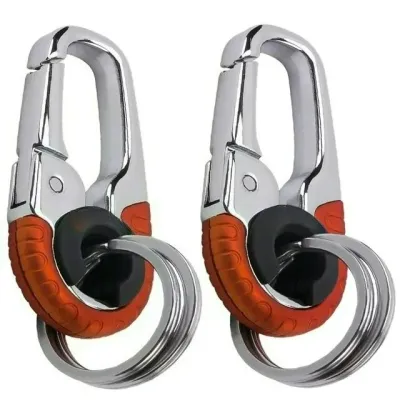
Prices are valid at publication and may change. Please refer to the product page for the latest price.
Stainless steel, on the other hand, is a much denser and heavier iron alloy containing chromium. This chemical composition gives stainless steel its characteristic resistance to rust and physical wear. While a stainless steel carabiner is significantly heavier than an aluminum counterpart of the same size, its surface hardness is vastly superior, meaning it resists scratching, grooving, and gouging from dirty climbing ropes and steel cables.
Because strength ratings can vary widely based on the specific design, geometry, and manufacturing process, you should never guess a carabiner’s load capacity. Always check the manufacturer’s specifications and the UIAA (International Climbing and Mountaineering Federation) or CE certification labels stamped directly onto the spine of the carabiner. These markings indicate the minimum breaking strength in kilonewtons (kN) for the major axis, minor axis, and open-gate orientations.
Manufacturing methods also play a major role in how these materials perform on the rock. Many modern aluminum carabiners are hot-forged, a process that allows complex, ergonomic shapes and variable beam thicknesses to minimize weight while maintaining strength. Stainless steel carabiners are more commonly cold-machined or investment-cast, resulting in simpler, highly robust profiles that prioritize structural longevity and smooth gate action over weight reduction.
Weight vs. Durability: Matching Your Climbing Style
For active climbers, the trade-off between weight and durability is the most noticeable daily factor. Aluminum is the default choice for quickdraws, alpine racks, and long multi-pitch routes. When you are carrying dozens of pieces of protection, carabiners, and slings up a long route, the cumulative weight savings of aluminum directly translate to reduced physical fatigue and improved climbing endurance.

To put this in perspective, consider the cumulative weight on your harness during a long approach or a demanding lead climb. Carrying a full rack of twelve to fifteen quickdraws made with stainless steel carabiners would add substantial, unnecessary weight to your waist, pulling down on your harness and draining your energy. For sport climbing leads, traditional climbing, and alpine mountaineering, aluminum is the practical standard.
However, that lightweight benefit comes with a compromise in durability. Aluminum is a relatively soft metal. When a dirty, gritty climbing rope runs through an aluminum carabiner under tension—such as during repeated top-rope lowering or lead falls—the friction gradually grinds away the metal, creating deep grooves. Once these grooves develop sharp edges, the carabiner must be retired immediately to prevent damage to your rope.
Stainless steel excels in these high-wear scenarios. Because steel is much harder than aluminum, it resists the abrasive action of sandy ropes and steel cables. This makes stainless steel carabiners highly practical for top-rope master points, group climbing setups, and gym anchors where ropes run continuously through the metal day after day. The added weight is a minor inconvenience compared to the safety and longevity the material provides in a stationary setup.
Corrosion and Wear Resistance in Humid Conditions
Environmental factors are critical when selecting climbing hardware, especially in tropical climates like the Philippines. High humidity, frequent rainfall, and salt-laden air near coastal climbing areas create a highly corrosive environment for outdoor gear. Understanding how each metal reacts to these elements is essential for maintaining a safe climbing system.
Aluminum carabiners rely on an anodized surface coating to protect the underlying metal from oxidation. While anodizing provides excellent initial protection and allows for bright color coding, this thin protective layer eventually wears off through regular contact with rock, hangers, and ropes. Once the raw aluminum is exposed to moisture and salt, it can develop a white, powdery oxidation that can compromise gate movement and locking mechanisms.
Stainless steel contains chromium, which forms an invisible, self-healing passive layer of chromium oxide on the surface of the metal. This layer provides superior resistance to rust, pitting, and stress corrosion cracking, even when exposed to constant tropical humidity or coastal salt spray. For fixed anchors left on outdoor cliffs or gear used in damp, jungle-adjacent crags, stainless steel offers a level of environmental resilience that aluminum cannot match.
Regardless of the material you choose, regular maintenance is mandatory to prevent premature degradation. After climbing in humid, dusty, or coastal environments, rinse your carabiners thoroughly in clean, fresh water to remove salt deposits and grit. Allow them to dry completely away from direct sunlight, and apply a small drop of dry, wax-based lubricant to the gate hinge and locking sleeve to ensure smooth, reliable operation.
Cost, Lifespan, and Long-Term Value
When building your gear kit, financial considerations involve looking at both the initial purchase price and the long-term replacement cycle. Aluminum carabiners generally represent a lower upfront cost per unit, making them highly accessible for beginners building their first rack. However, because they wear down faster under high-use conditions, you may find yourself replacing them more frequently.
Stainless steel carabiners sit at a higher premium price tier. This higher initial cost is a reflection of the raw material expenses and the more demanding manufacturing processes required to shape steel. For a personal lead rack, buying exclusively stainless steel is rarely cost-effective or practical due to the weight penalty.
However, for stationary applications, the long-term value of stainless steel is clear. A stainless steel carabiner used at a busy top-rope anchor can outlast multiple aluminum carabiners in the same position. By reducing the frequency of gear retirement and replacement, investing in stainless steel for high-wear anchor points often saves money over time. When purchasing, check local outdoor retailers or official brand stores to compare current pricing in Philippine Pesos (₱) and review the manufacturer’s warranty terms.
The Climber’s Decision Matrix: Which to Bring?
To help you organize your gear bag for your next trip to the crag, use this straightforward, condition-based framework to decide which carabiners to pack.
Choose Aluminum if:
- Weight is your primary concern: You are packing for long approaches, multi-pitch climbs, or traditional gear placements where carrying heavy gear reduces your safety margin.
- You are building a personal lead rack: Your quickdraws, cam stems, and nut tool tethers perform best when kept as light as possible.
- You climb primarily in dry, inland environments: The gear is not subjected to constant coastal salt spray or extreme, prolonged humidity.
Choose Stainless Steel if:
- You are setting up fixed anchors: You are equipping a local route with permanent lowering stations or top-rope anchors that will remain exposed to the elements.
- You run high-use group climbs: You need master point carabiners that can handle hours of continuous rope friction without developing deep grooves.
- You climb at coastal crags: The climbing venue is located near the ocean, where salt air accelerates the corrosion of standard aluminum gear.
Verify First if:
- You are mixing metals: Be cautious when leaving aluminum and stainless steel in direct, prolonged contact in wet environments, as this can trigger galvanic corrosion.
- The gear lacks clear markings: Never use any carabiner for climbing if the UIAA or CE safety certifications are missing, worn away, or illegible.
Safety Inspections and Retirement Criteria
No matter which material you choose, regular safety inspections are non-negotiable. Metal fatigue, hidden micro-fractures, and mechanical wear can occur over time, and your gear’s structural integrity cannot be taken for granted. Develop a habit of performing a thorough visual and tactile inspection of every carabiner before and after your climbing sessions.
When inspecting your gear, look for specific, observable red flags that require immediate retirement. For aluminum carabiners, check for deep rope grooves; if the groove depth exceeds the manufacturer’s specified limit (often around 1 millimeter), retire the gear. For both materials, inspect the gate action to ensure it snaps shut quickly and completely. If you notice gate flutter, sticky locking sleeves, loose rivets, or visible cracks, take the carabiner out of service immediately.
Finally, establish a strict rule for retirement after unusual events. If a carabiner is dropped from a significant height onto a hard surface, or if it is subjected to an exceptionally severe lead fall, do not risk continued use. When in doubt about the structural integrity of your equipment, stop using it immediately and consult the manufacturer or a certified climbing professional for guidance. Your life depends on the reliability of your gear, and conservative retirement decisions are always the safest path.
Frequently Asked Questions (FAQ)
Can I mix stainless steel and aluminum carabiners in the same anchor?
While you can mix them for temporary, dry setups, you should avoid leaving dissimilar metals in direct contact for extended periods in wet or highly humid environments. When aluminum and stainless steel touch in the presence of moisture, galvanic corrosion can occur. This electrochemical process causes the softer aluminum to corrode at an accelerated rate, potentially weakening your gear and compromising the safety of the anchor system.
Does the color of an aluminum carabiner affect its strength?
The color of an aluminum carabiner is the result of an anodizing process, which is a surface treatment used for color identification, organization, and basic resistance to light surface wear. It does not add structural reinforcement or alter the core strength of the metal alloy. When evaluating a carabiner’s strength, ignore the color and look exclusively at the certified kilonewton (kN) ratings stamped on the spine.
Community discussion
Share your experience or ask a question. Comments are reviewed before publication.