
Selecting the right gym tumbler is more than just a matter of aesthetics; it directly impacts your hydration habits, workout comfort, and daily convenience. In a tropical climate where high humidity and warm temperatures are the norm, keeping your water cool and your bottle clean presents unique challenges. The ideal material depends on your specific workout environment, budget, and how much you value ice-cold hydration during a grueling training session.
For high-intensity workouts in humid, non-airconditioned gyms where cold water is vital, double-wall vacuum-insulated stainless steel is the top choice. For high-movement cardio, outdoor running, or budget-conscious athletes, lightweight Tritan offers shatter-resistant durability without the heavy weight of metal, while standard BPA-free plastic serves as an accessible, entry-level option. Before purchasing, always verify the manufacturer’s specifications on the packaging for exact insulation times, weight, and temperature limits.
Stainless Steel Tumblers: Durability and Temperature Control
For fitness enthusiasts training in non-airconditioned local gyms or outdoor fitness parks, temperature control is often the highest priority. Stainless steel tumblers, particularly those made from food-grade 18/8 (304) stainless steel, excel at keeping liquids cold for extended periods. This performance relies on double-wall vacuum insulation, which creates a physical barrier that prevents external heat from warming your water.
Products mentioned in this guide
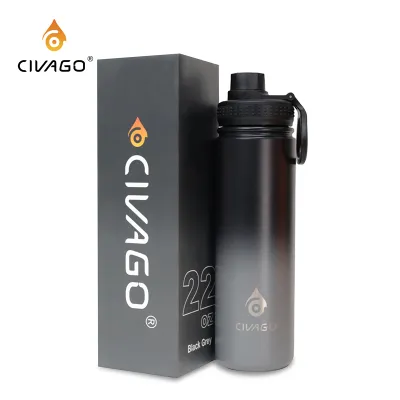
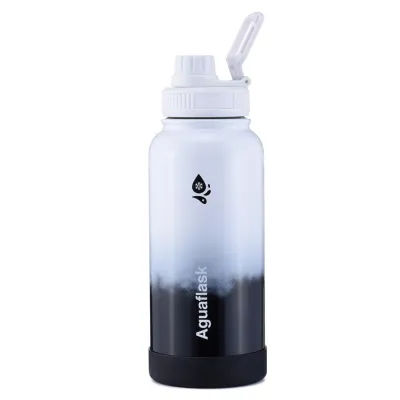
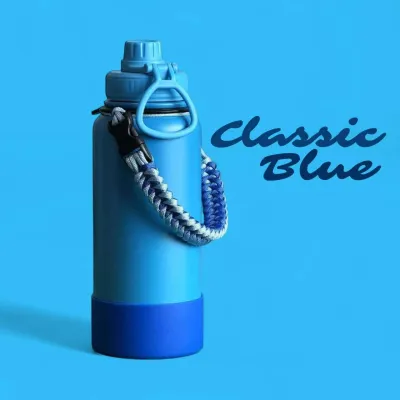
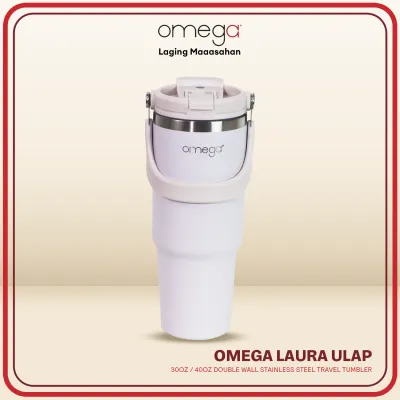
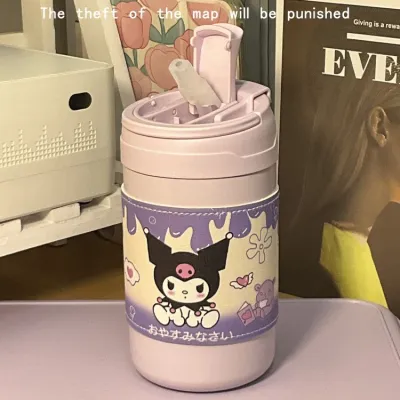
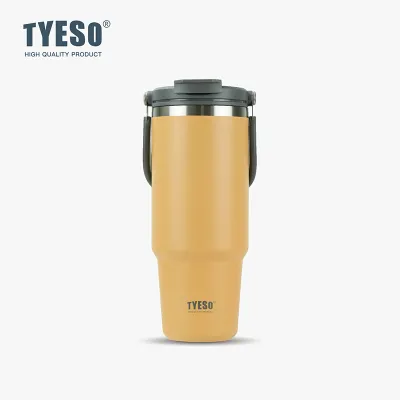
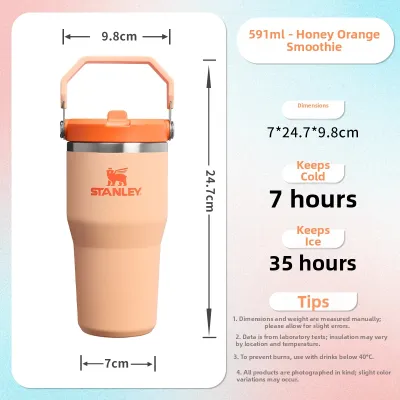
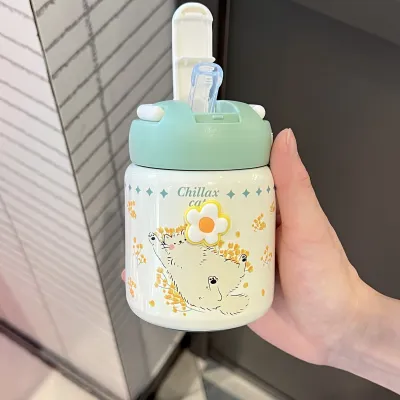
Prices are valid at publication and may change. Please refer to the product page for the latest price.
When shopping, it is essential to verify the manufacturer’s specifications on the label. Look explicitly for “double-wall vacuum insulated” rather than just “stainless steel.” Single-wall metal bottles do not insulate and will sweat profusely in humid conditions, leaving condensation pools in your gym bag or making the bottle too slippery to hold during a heavy lift.
While stainless steel is incredibly durable and will not shatter when dropped on concrete or rubber gym mats, it is not entirely immune to damage. A heavy drop can dent the exterior wall. If a dent is deep enough to cause the inner and outer metal walls to touch, the vacuum seal is compromised, permanently reducing its insulation capability. Additionally, steel bottles are significantly heavier than their plastic counterparts, which is an important consideration if you commute via public transport or walk to your fitness center.
Maintenance is another critical factor. Stainless steel is naturally non-porous, making it highly resistant to retaining odors from protein shakes or pre-workout supplements. However, the lid and silicone gaskets can still trap smells if not cleaned promptly. You should wash your steel tumbler with a soft bottle brush and mild dish soap, avoiding abrasive steel wool or chlorine bleach, which can scratch or corrode the protective chromium oxide layer of the metal.
Plastic Tumblers: Lightweight and Budget-Friendly Options
Standard plastic tumblers remain a popular entry-level choice for gym-goers due to their affordability and lightweight design. If your workout routine involves carrying multiple items in your gym bag, a lightweight plastic bottle minimizes the physical strain of your daily commute. These bottles are also highly flexible, allowing them to survive minor drops without denting or shattering.

However, material safety is a primary concern when choosing plastic. You must carefully inspect the product packaging or online listing to verify that the tumbler is certified BPA-free and BPS-free. Bisphenol A (BPA) and Bisphenol S (BPS) are chemical compounds historically used in plastics that can leach into liquids. To ensure safety, look for recycling code 5 (polypropylene or PP) on the bottom of the bottle, which is widely recognized as a safer plastic for reusable food and beverage containers.
The primary drawback of standard plastic is its tendency to absorb odors and stains. If you leave a whey protein shake or a brightly colored pre-workout drink in a plastic bottle for a few hours in a warm environment, the porous surface of the plastic can permanently trap the smell and color. Over time, plastic also develops micro-scratches from regular cleaning. These tiny crevices become breeding grounds for bacteria and mold, which thrive in warm, humid climates. If your plastic tumbler has deep scratches or a persistent sour odor that does not fade after washing, it is time to replace it.
Tritan Tumblers: The Middle Ground for Active Lifestyles
Tritan copolyester represents a modern innovation in drinkware, offering a middle ground that combines the best attributes of glass, plastic, and steel. Developed as a specialized plastic material, Tritan is completely free from BPA, BPS, and other bisphenols. It features a crystal-clear appearance that mimics glass, allowing you to easily monitor your water intake and supplement mixing during your workout.
In terms of durability, Tritan is exceptionally shatter-resistant. Unlike standard plastics that can crack under high impact, or stainless steel that dents, a Tritan tumbler can withstand being dropped from a treadmill or bench press onto hard gym flooring without breaking. This makes it an excellent choice for high-intensity workouts, functional fitness, and outdoor sports where equipment is subjected to rough handling.
Before purchasing a Tritan tumbler, always check the manufacturer’s guidelines regarding heat tolerance and care instructions. While Tritan is generally dishwasher-safe and can withstand higher temperatures than standard plastics, verifying these limits prevents accidental warping. It is also important to note that Tritan does not offer insulation. In hot, tropical weather, ice-cold water inside a Tritan bottle will quickly warm up to room temperature, and condensation will form on the exterior. If you prefer ice-cold water during a long workout, you may need to pair your Tritan bottle with an insulated sleeve or opt for stainless steel.
Head-to-Head Comparison and Decision Framework
To help you choose the right material for your fitness routine, the table below compares stainless steel, standard plastic, and Tritan across key performance metrics:
| Material | Relative Weight | Insulation Potential | Impact Resistance | Odor Resistance | Best Suited For |
|---|---|---|---|---|---|
| Stainless Steel | Heavy | Excellent (Double-Wall) | High (Dents, won't shatter) | High | Hot gyms, outdoor training, long workouts |
| Standard Plastic | Very Lightweight | None | Moderate (May crack) | Low | Budget-conscious users, quick workouts |
| Tritan | Lightweight | None | Very High (Shatter-resistant) | Moderate to High | Active training, tracking water intake |
To finalize your decision, consider how these materials align with your specific gym scenarios:
- Choose Stainless Steel if you train in non-airconditioned environments, demand ice-cold water to lower your core temperature during intense lifting or cardio, and do not mind carrying a heavier bottle in your bag.
- Choose Tritan if you want a highly durable, lightweight, and clear bottle that won't shatter when dropped, and you prefer room-temperature water or train in fully air-conditioned facilities.
- Choose Standard Plastic if you are on a strict budget, need a simple shaker bottle for immediate post-workout protein consumption, and are diligent about washing your bottle immediately after use.
Keep in mind that choosing a material without verifying its specific construction can lead to poor performance. For example, buying a cheap metal bottle that lacks double-wall vacuum insulation will result in rapid heat transfer and excessive condensation, failing to provide the benefits of premium stainless steel.
What to Check on the Label Before You Buy
When browsing online marketplaces or physical sports stores, do not rely solely on bold marketing claims. Instead, perform a systematic check of the product specifications and labels to ensure safety and functionality.
First, inspect the lid seal mechanism and gasket materials. A reliable gym tumbler must feature a high-quality silicone gasket and a secure locking mechanism to prevent leaks inside your gym bag. Check if the manufacturer sells replacement gaskets, as these components can wear out or develop mold over time in humid climates. A leak-proof guarantee is only as good as the physical seal of the lid.
Second, review the manufacturer’s care instructions. Many premium insulated stainless steel tumblers are hand-wash only because the high heat and harsh detergents of a dishwasher can damage the vacuum seal or peel the exterior powder coating. Conversely, if you prefer the convenience of machine washing, verify that your Tritan or plastic bottle is explicitly labeled as dishwasher-safe.
Finally, look for authentic material certifications. Reputable brands will clearly state compliance with food safety standards, such as FDA approval or LFGB certification, on their packaging or official websites. Avoid purchasing unbranded, generic tumblers that lack clear material labeling, as they may contain low-grade plastics or industrial-grade metals that are unsafe for long-term hydration.
Frequently Asked Questions (FAQ)
Can I put pre-workout or protein shakes in a stainless steel tumbler?
Yes, you can use a stainless steel tumbler for supplements, but immediate maintenance is essential. Protein powders and pre-workout drinks contain organic compounds and artificial dyes that can quickly spoil and create stubborn odors in warm, humid climates. To prevent this, rinse your tumbler with clean water immediately after finishing your drink. Pay close attention to the silicone gasket in the lid, as this porous material is highly prone to trapping odors and harboring mold. When cleaning, use a soft sponge or bottle brush with mild dish soap. Avoid using harsh abrasive pads, steel wool, or chlorine bleach, as these can scratch or degrade the protective chromium oxide layer on the interior steel surface, making it more susceptible to rust.
How do I know if a plastic or Tritan tumbler is safe for hot liquids?
To determine if a plastic or Tritan tumbler can safely hold hot liquids, you must locate the manufacturer’s maximum temperature threshold, which is typically printed on the packaging, the bottom of the bottle, or the user manual. Standard plastics like polyethylene (PE) or low-grade polypropylene can warp, soften, or leach chemicals when exposed to high heat. While Tritan is engineered to withstand higher temperatures and is often safe for warm beverages, you should still avoid pouring boiling water directly into it unless the label explicitly states it is rated for boiling temperatures. Regularly inspect your bottle for signs of heat damage, such as warping, cloudiness, or a degraded lid seal. If you observe any of these changes, discontinue using the bottle for hot liquids immediately to prevent leaks and chemical exposure.
Community discussion
Share your experience or ask a question. Comments are reviewed before publication.