
Choosing the right home cardio equipment is a significant decision that directly impacts your fitness consistency, physical comfort, and home environment. With options ranging from vertical stair climbers to traditional treadmills, stationary spin bikes, and full-body rowing machines, the ideal choice depends on your specific physical goals, available space, and joint health. A stair climber machine excels at building lower-body strength and endurance through vertical resistance, while treadmills offer versatile walking and running options. Spin bikes provide a compact, high-intensity, low-impact workout, and rowing machines deliver comprehensive full-body engagement. Before finalizing any purchase, it is essential to verify the manufacturer’s specifications regarding dimensions, weight capacities, and power requirements to ensure the equipment matches your household setup.
Matching Cardio Machines to Your Fitness Goals
To select the right machine, you must first evaluate how each piece of equipment engages your muscles and supports your training style. Reviewing product manuals and biomechanical descriptions reveals distinct differences in muscle recruitment. A stair climber machine focuses intensely on the lower body, specifically targeting the glutes, hamstrings, quadriceps, and calves as you lift your body weight against gravity. Treadmills primarily engage the lower body through horizontal movement, though adjusting the deck incline shifts more of the workload to your calves and hamstrings. Spin bikes isolate the lower body through a continuous pedaling motion, emphasizing the quadriceps and hamstrings. In contrast, rowing machines offer a true full-body workout, requiring coordinated effort from your legs, core, back, and arms to complete each stroke.
Adjustable resistance mechanisms are another critical factor for progressive overload and workout variety. Spin bikes typically use either friction pads or magnetic resistance systems; magnetic systems are highly recommended for their smooth transitions and silent operation. Rowing machines utilize magnetic, air, or water resistance, with air and water models providing dynamic resistance that increases the harder you pull. Stair climbers rely on magnetic resistance or alternator-controlled step speeds to regulate how quickly the steps drop under your weight. Treadmills do not use resistance in the traditional sense, relying instead on motor speed and motorized incline adjustments to increase training intensity.
Products mentioned in this guide
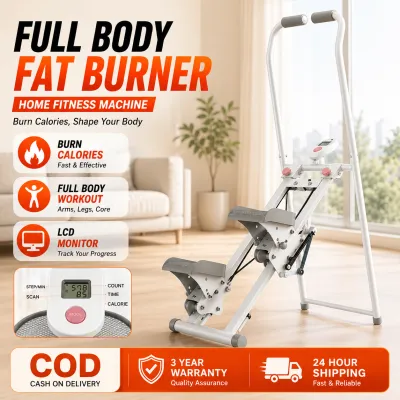
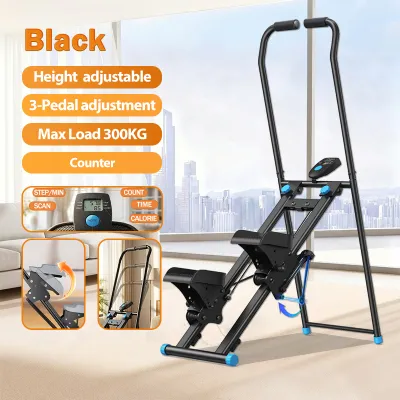
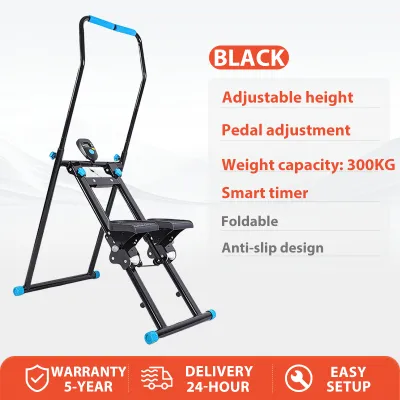
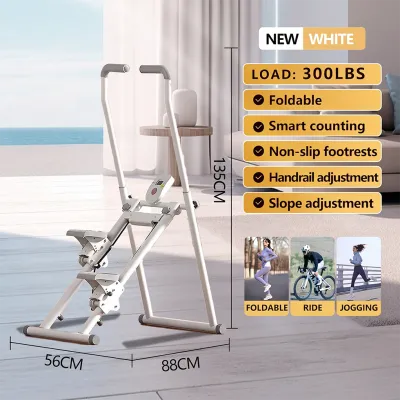
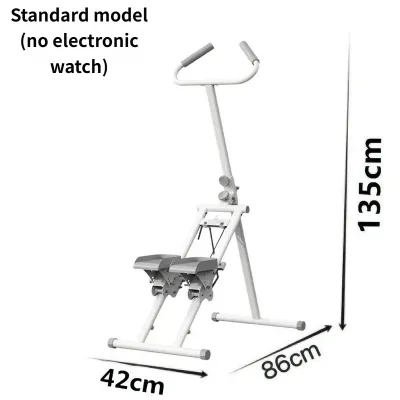
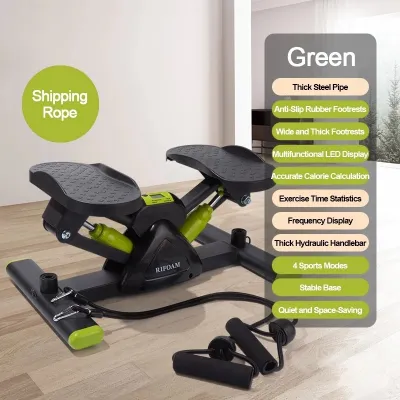
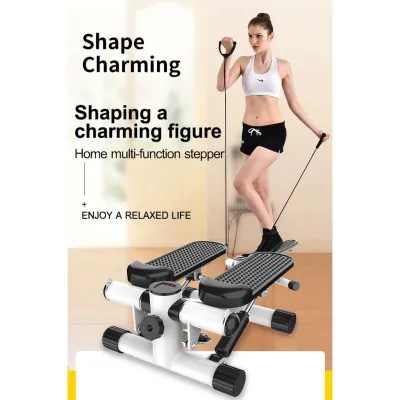
Prices are valid at publication and may change. Please refer to the product page for the latest price.
Your preferred workout style—whether high-intensity interval training (HIIT) or steady-state cardio—should also guide your choice. Look closely at the console features and structural responsiveness of each machine. Spin bikes and rowing machines allow for instantaneous manual resistance adjustments, making them exceptionally well-suited for rapid HIIT intervals. Treadmills and stair climbers often feature pre-programmed interval workouts on their consoles, but motorized speed and incline transitions take a few seconds to adjust, which is a key consideration if you prefer instant intensity shifts.
Evaluating Space, Power, and Home Gym Constraints
Integrating a large piece of fitness equipment into your home requires careful spatial planning, especially in tropical climates where ventilation and air circulation are crucial. A stair climber machine has a relatively compact horizontal footprint but demands substantial vertical clearance. You must calculate your height plus the machine’s maximum step-up height to ensure you do not hit your head on the ceiling or interfere with ceiling fans. Treadmills require a large horizontal footprint and a clear safety zone behind the belt, though many residential models feature folding decks that lock upright when not in use. Spin bikes are the most space-efficient option, fitting easily into tight corners or small rooms. Rowing machines have a long, narrow footprint; while they require significant floor length during use, many models are designed to stand vertically for compact storage.

Power requirements and noise levels are equally important, particularly for apartment living or shared households. Motorized treadmills and electronic stair climbers must be plugged into a stable power outlet, which may require a dedicated circuit or a high-quality surge protector to safeguard the electronics against local voltage fluctuations. Spin bikes and manual rowing machines often operate without external power, using small batteries solely to power the console display. In terms of noise, magnetic spin bikes and water-resistance rowers operate quietly, whereas motorized treadmills and air-resistance rowers generate more ambient noise and vibration that can travel through floors.
Floor weight limits and structural protection should not be overlooked. Heavy cardio machines can exert significant pressure on flooring materials, particularly in high-humidity environments where wood or laminate may be more susceptible to indentation. Placing a dense, heavy-duty rubber protective mat under your equipment is highly recommended. This mat helps distribute the machine’s weight, dampens operational vibrations, protects your floors from scratches, and catches sweat to prevent moisture damage.
Checking Joint Impact and Safety Specifications
Assessing the biomechanical impact of each machine is vital to ensure long-term training consistency without injury. Treadmills involve repetitive ground impact, which can place stress on your knees, hips, and ankles, though high-quality models feature cushioned decks designed to absorb a portion of this shock. If you are recovering from an injury or have sensitive joints, low-impact alternatives like stair climbers, spin bikes, and rowing machines are excellent choices. On these machines, your feet remain in constant contact with the pedals, footplates, or steps, eliminating the jarring impact associated with running while still delivering a rigorous cardiovascular workout.
Before purchasing, always verify the maximum user weight capacity and structural stability ratings provided by the manufacturer. A robust steel frame, wide base stabilizers, and a heavy overall machine weight contribute to a safer, more stable workout experience, preventing the equipment from rocking or shifting during high-intensity sessions. Checking these specifications is especially important if multiple household members of varying sizes plan to use the machine.
Safety features vary significantly across equipment types and should be a primary selection criterion. Treadmills and motorized stair climbers should feature an easily accessible emergency stop button or a safety clip that attaches to your clothing, immediately halting the machine if you slip. Spin bikes require secure pedal cages or clip-in pedals, along with an emergency brake knob to stop the heavy flywheel instantly. Rowing machines should have wide, textured footplates with adjustable, secure straps and an ergonomic handle that prevents slipping when your hands get sweaty.
Decision Framework: Choose Based on Your Routine
To finalize your decision, align the unique characteristics of each machine with your daily routine, physical environment, and personal preferences.
Choose a stair climber machine if:
- You want to focus heavily on lower-body strength, glute activation, and functional climbing movements.
- You have limited floor space but possess high ceilings that can safely accommodate the vertical height of the machine.
- You prefer a low-impact, high-intensity workout that challenges your cardiovascular system without joint impact.
Choose a treadmill, spin bike, or rowing machine if:
- You prefer traditional running or walking workouts and have ample floor space for a treadmill.
- You need a highly compact, quiet, and budget-friendly machine like a spin bike that fits easily into a small apartment.
- You want a comprehensive, low-impact, full-body workout that engages both your upper and lower body, and you have the floor length to accommodate a rowing machine.
Verify first if:
- The manufacturer offers a comprehensive warranty covering the frame, motor, and electronic components.
- There are authorized local service centers in the Philippines to handle maintenance, repairs, and replacement parts.
- The retailer's return policy and delivery options include professional assembly, which is highly recommended for heavy, complex machines.
Frequently Asked Questions (FAQ)
How do I maintain the moving parts of a stair climber machine?
To keep your stair climber machine operating smoothly, establish a regular maintenance routine. After every workout, wipe down the handrails, console, and steps with a damp cloth to remove sweat, which can cause corrosion over time. Perform a weekly visual inspection to check for loose bolts, worn drive belts, or unusual noises. Refer to your product manual for specific lubrication guidelines, as some chain-driven or belt-driven mechanisms require specialized silicone lubricant applied at regular intervals. For any complex internal mechanical issues, always contact an authorized local service center rather than attempting self-repair.
Can I use these cardio machines if I have limited ceiling height?
Ceiling height is a critical safety factor when installing vertical fitness equipment. To determine if a machine is suitable for your space, add your personal height to the maximum step-up height of the stair climber or the maximum incline deck height of the treadmill. Compare this total figure to your room’s ceiling height, ensuring you leave a safety clearance of at least 30 to 50 centimeters. This clearance prevents you from hitting your head during vigorous workouts and keeps you safely away from ceiling fixtures, lights, or fans. If your ceiling height is limited, low-profile machines like spin bikes or rowing machines are much safer alternatives.

Community discussion
Share your experience or ask a question. Comments are reviewed before publication.