
Investing in home gym equipment requires a careful balance of fitness goals, physical capability, and available space. When comparing a stair exercise machine, a treadmill, and a spin bike, there is no single superior option. Instead, the right choice depends on which machine aligns with your specific physiological needs and which one you will use consistently.
To make an informed decision, you must evaluate how each machine impacts your body, how many calories it burns, and how much space it requires in your home. This guide breaks down these critical factors to help you select the ideal equipment for your fitness journey.
Quick Answer: Matching the Machine to Your Fitness Goal
To help you identify the best option quickly, consider this straightforward decision framework based on your primary training objectives:
Products mentioned in this guide
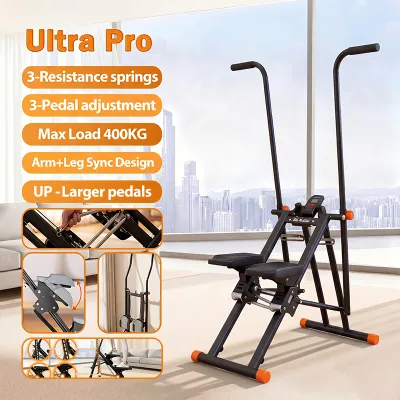
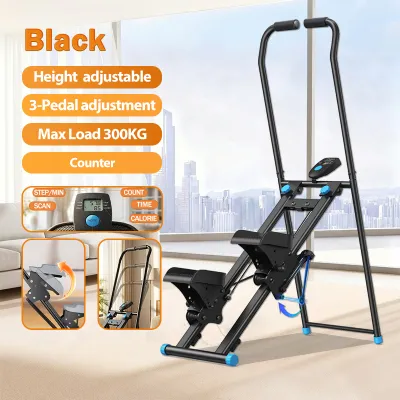
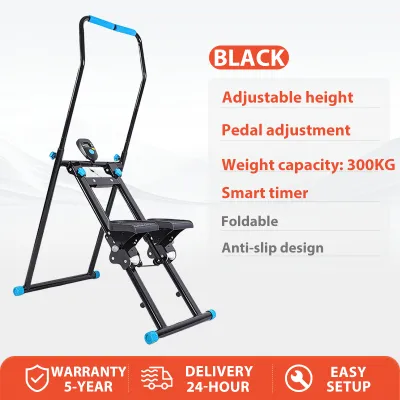
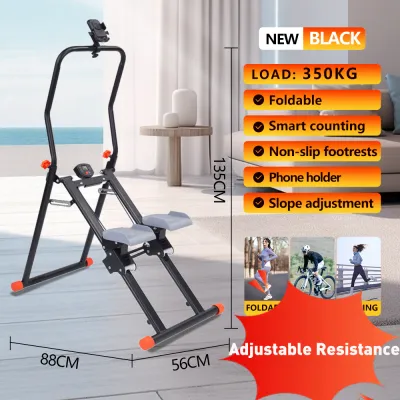
Prices are valid at publication and may change. Please refer to the product page for the latest price.
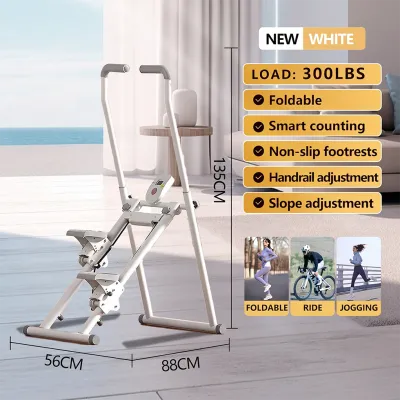
- Choose a stair climber (stair exercise machine) if your main goals are building lower-body strength, targeting the glutes, and achieving a high per-minute calorie burn without the heavy, repetitive impact of running.
- Choose a treadmill if you want versatile pacing options from gentle walking to high-intensity sprinting, prefer natural human movement mechanics, and want to improve bone density through weight-bearing exercise.
- Choose a spin bike if you need a low-impact option for joint protection, prefer high-intensity interval training (HIIT) structures, or have limited floor space in your home.
Ultimately, the ideal machine is the one that fits your physical limits, fits comfortably within your home, and matches your personal preferences so that you maintain a consistent workout routine over the long term.
Muscle Engagement: Which Machine Targets Your Focus Areas?
Understanding how each machine targets specific muscle groups helps you align your workouts with your strength and toning goals.

Stair Climber (Stair Exercise Machine)
Lifting your entire body weight against gravity with every step makes the stair exercise machine an exceptional tool for lower-body development. This continuous climbing motion heavily recruits the gluteus maximus, quadriceps, hamstrings, and calves. Because you must constantly push upward, the exercise emphasizes hip extension, which directly strengthens the posterior chain and improves muscular endurance.
Additionally, your core muscles must remain engaged throughout the workout to maintain an upright posture and stabilize your pelvis as you transition from one foot to the other. This makes it highly effective for functional lower-body strength.
Treadmill
The treadmill offers a highly functional, full-body movement pattern that mimics outdoor walking, jogging, or running. Muscle recruitment on a treadmill is highly versatile and shifts depending on the speed and incline settings you select.
Walking at a steep incline heavily targets the glutes, hamstrings, and calves, simulating an uphill hike. Running on a flat surface increases the demand on your quadriceps and calves to absorb impact and propel you forward. Unlike stationary options, running on a treadmill requires a natural arm swing and continuous core stabilization, providing a more integrated, full-body physical challenge.
Spin Bike
The spin bike focuses almost exclusively on the lower body through a continuous, circular pedaling motion. The primary drivers of this movement are the quadriceps and hamstrings, with the calves providing stabilization throughout the pedal stroke.
By adjusting the tension knob to increase resistance or standing up out of the saddle, you can shift the muscular load, placing greater emphasis on the glutes and increasing core activation to stabilize your torso. However, spin bikes offer minimal upper-body engagement, which means you will need to supplement your cycling routine with separate upper-body strength training to achieve fully balanced physical development.
Calorie Burn and Cardio Intensity: What to Expect
When comparing energy expenditure, it is important to remember that exact calorie burn is highly individual. Factors such as your body weight, age, metabolic rate, effort level, and the machine’s resistance settings dictate your actual caloric output. For personalized metrics, it is best to rely on wearable heart rate monitors or the machine’s built-in telemetry rather than general estimation charts.
The stair exercise machine is highly efficient for short, intense workouts because it forces you to lift your body weight against gravity continuously. This constant vertical climb demands substantial energy, leading to a high per-minute calorie burn even at moderate speeds. It quickly elevates your heart rate, making it an excellent choice for cardiovascular conditioning when your workout time is limited.
The treadmill provides unmatched versatility for both Low-Intensity Steady State (LISS) cardio and high-intensity sprint intervals. Running generally burns more calories per minute than walking due to the energy required to lift both feet off the ground repeatedly. However, walking at a high incline can match or even exceed the caloric burn of a flat-surface jog, allowing you to customize your energy expenditure based on your current fitness level.
The spin bike excels at high-intensity interval training (HIIT) and structured, resistance-based workouts. While a casual, low-resistance ride results in lower caloric expenditure, a structured spin session that incorporates high resistance, rapid cadences, and standing intervals can equal or exceed the calorie burn of running or stair climbing. The ability to control resistance precisely makes the spin bike a powerful tool for managing cardiovascular intensity.
Regardless of the machine you choose, long-term cardiovascular health improvements depend on maintaining your target heart rate zone during your sessions.
Joint Impact: Protecting Your Knees and Ankles
Biomechanical stress is a critical factor to consider, particularly if you are recovering from an injury, managing chronic pain, or carrying excess body weight.
- Spin Bike (Lowest Impact): The spin bike offers the lowest joint impact among the three machines due to its closed-chain design. Because your feet remain securely clipped or strapped to the pedals, there are no ground reaction forces or landing impacts. This makes cycling exceptionally gentle on the ankles, knees, and hips. However, to prevent repetitive strain or knee discomfort, you must ensure proper bike setup, particularly adjusting the seat height so your knee has a slight bend at the bottom of the pedal stroke.
- Stair Climber (Moderate Impact): The stair exercise machine occupies a moderate position on the impact spectrum. It eliminates the harsh foot-strike associated with running, as your feet maintain continuous contact with the rotating stairs or pedals. However, the repetitive, deep bending of the knees under the load of your full body weight can place stress on the patellofemoral joint. To minimize this risk, maintain an upright posture, avoid leaning forward excessively, and do not grip the handrails tightly to support your weight.
- Treadmill (Highest Impact): The treadmill presents the highest potential for joint impact, specifically when used for jogging or running. The repetitive airborne phase of running forces your joints to absorb impact forces equal to multiple times your body weight with every stride. While walking on a treadmill is a low-impact activity, running can aggravate sensitive ankles, knees, and hips. If you plan to run, it is crucial to wear supportive, shock-absorbing footwear and verify that the treadmill deck features built-in cushioning to help dampen the impact.
If you have a history of chronic joint pain, recent orthopedic surgeries, or severe obesity, consult a physical therapist or physician to determine which movement pattern is safest for your body before starting a new exercise regimen.
Home Setup: Space, Noise, and Practical Constraints
Setting up fitness equipment at home requires evaluating physical space, noise levels, and environmental conditions, especially in the tropical climate of the Philippines. High humidity and heat can accelerate wear on mechanical components, making proper placement and maintenance essential.
Space and Footprint
Spin bikes feature the most compact footprint, making them highly suitable for apartments or condominiums where floor space is limited. Most models include transport wheels, allowing you to roll the bike out of the way when not in use.
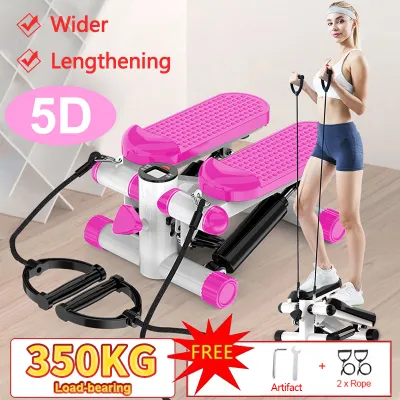
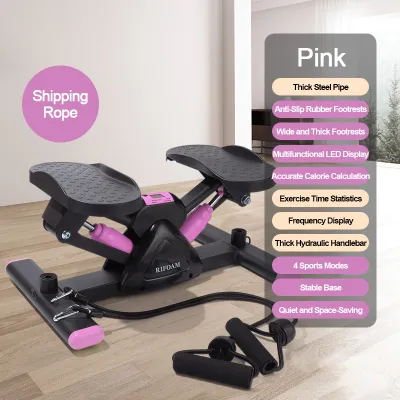
Treadmills require the largest footprint, demanding significant floor length, adequate vertical clearance, and at least two meters of open safety space behind the belt in case of a fall. Stair climbers vary widely; while mini-steppers are highly portable, full escalator-style stair exercise machines require substantial vertical clearance to prevent your head from hitting the ceiling during a workout.
Noise and Vibration
Noise and vibration are critical considerations for multi-story residential living. Spin bikes equipped with magnetic resistance and belt drives operate almost silently, making them ideal for early morning or late-night sessions.
Treadmills generate significant noise, combining the hum of the electric motor with the physical vibration of your feet striking the deck, which can easily travel through floors and disturb neighbors. Stair climbers produce a moderate mechanical hum and rhythmic stepping sounds as the stairs rotate.
Floor Protection and Power
To protect your flooring and reduce noise transmission, always place your equipment on a high-density rubber mat. In humid tropical environments, ensure your workout space is well-ventilated with ceiling fans or air conditioning to prevent sweat from pooling on the machine, which can lead to rust and electrical damage.
Always plug motorized treadmills and electronic stair climbers into dedicated, surge-protected electrical outlets to safeguard the sensitive control boards against local power fluctuations.
Quick Comparison: Stair Climber vs Treadmill vs Spin Bike
| Feature | Stair Climber | Treadmill | Spin Bike |
|---|---|---|---|
| Primary Muscle Focus | Glutes, Quads, Hamstrings, Calves | Glutes, Quads, Hamstrings, Calves, Core | Quads, Hamstrings, Calves |
| Joint Impact Level | Moderate | Low (Walking) to High (Running) | Low |
| Space Requirement | Moderate to High Vertical | Large Floor Footprint | Compact and Portable |
| Noise Level | Moderate (Mechanical Hum) | High (Motor and Footfalls) | Low (Magnetic Resistance) |
| Best Suited For | Lower-Body Strength & High-Intensity Cardio | Functional Movement & Versatile Pacing | Joint-Friendly HIIT & Compact Spaces |
Final Checklist: Confirming Your Purchase
Before finalizing your purchase from a local sports equipment retailer or official brand website, take the time to run through a final verification process:
- Match the machine to your primary physical needs: If your goal is joint preservation, prioritize a spin bike. If you want to train for outdoor running or hiking, a treadmill or a stair exercise machine will serve you best.
- Verify the technical specifications: Check the maximum user weight capacity to ensure the machine can safely support all users in your household. For treadmills, look for a motor with at least 2.5 continuous horsepower (CHP) for running, and check the flywheel weight on a spin bike, aiming for a heavier flywheel to ensure a smooth, realistic pedaling motion.
- Review the warranty and after-sales terms: Because cardio machines have complex mechanical and electronic parts, having access to authorized technicians, local warranty coverage, and replacement parts in the Philippines is essential for long-term maintenance.
Remember that consistency is the single most important factor in achieving your fitness goals. The best machine is not the most expensive one, but the one you look forward to using regularly and can operate safely within your physical limits.
Frequently Asked Questions (FAQ)
Is a stair exercise machine bad for your knees?
While a stair exercise machine is a lower-impact alternative to running, it is not entirely free of joint stress. The continuous climbing motion requires deep knee flexion under the resistance of your body weight, which can aggravate existing conditions like patellofemoral pain syndrome or cartilage wear.
To protect your knees, maintain proper posture without leaning forward, keep your weight centered over your feet, and avoid gripping the handrails to support your body. If you experience sharp or persistent knee pain, stop the workout immediately and consult a healthcare professional.
Which machine is best for reducing belly fat?
No cardio machine can target or reduce fat in a specific area of the body, as spot reduction is a biological myth. Fat loss occurs when you maintain a consistent caloric deficit, causing your body to burn stored fat for energy globally.
All three machines—the stair climber, treadmill, and spin bike—are highly effective tools for increasing your daily energy expenditure. The best machine for fat loss is the one that you can use consistently at an appropriate intensity, combined with a balanced diet and regular resistance training to preserve lean muscle mass.
Community discussion
Share your experience or ask a question. Comments are reviewed before publication.