
Choosing the right golf bag directly impacts your energy levels, physical comfort, and overall performance on the course. The ideal choice depends entirely on how you navigate the fairways—whether you prefer walking 18 holes under the tropical sun, riding in a motorized cart, or squeezing in a quick nine holes before sunset. Matching your bag type to your play style ensures you carry only what you need without unnecessary physical strain.
While every golf bag is designed to transport your clubs, their structural differences dictate how they perform on the turf. Selecting the wrong type can lead to premature fatigue, damaged clubs, or frustration during your round. By understanding the design trade-offs between weight, storage, and mobility, you can make an informed decision that enhances your time on the course.
Quick Answer: Which Golf Bag Should You Choose?
Your decision should be guided by your primary method of transportation on the golf course and the number of clubs you typically carry.
Products mentioned in this guide
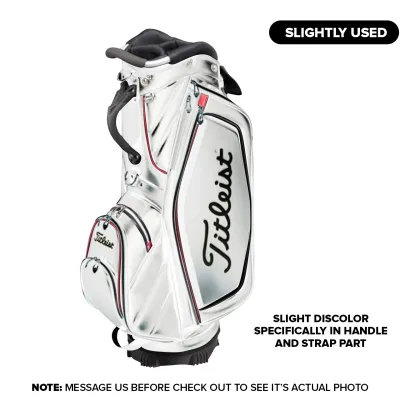
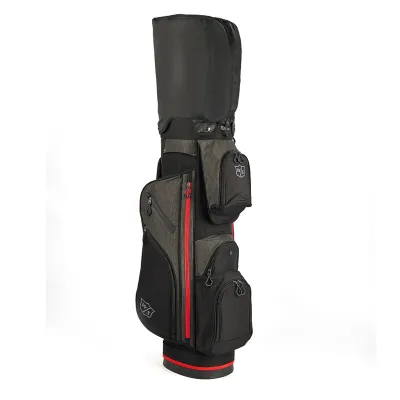

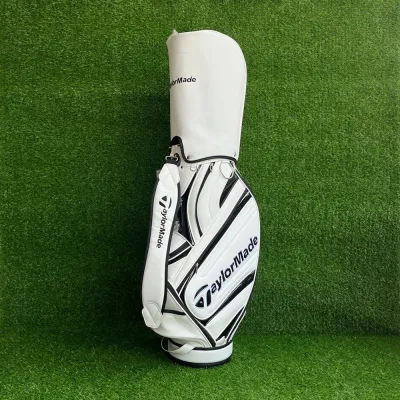
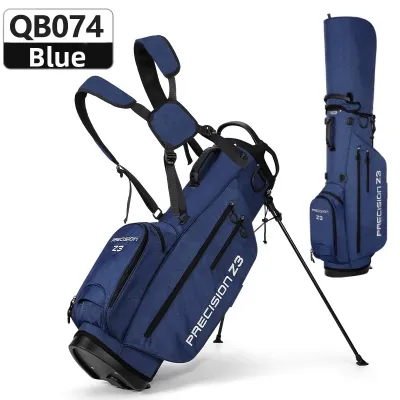
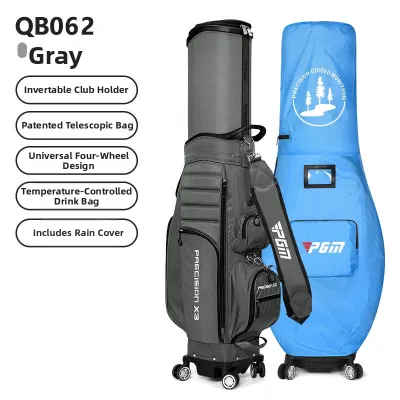

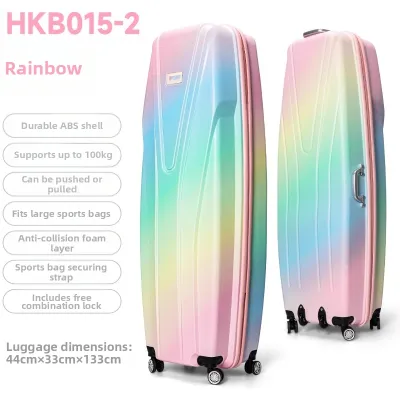
Prices are valid at publication and may change. Please refer to the product page for the latest price.
Choose a Stand Bag if you primarily walk the course and need a versatile balance of storage, club organization, and carrying comfort. It is the most adaptable option, performing exceptionally well on your shoulders, on a manual pushcart, or strapped to the back of a motorized cart.
Choose a Cart Bag if you almost always ride in a motorized golf cart or use a pushcart, prioritizing maximum storage, easy pocket access, and heavy-duty construction. These bags are built to remain stationary and upright, offering dedicated spaces for extensive gear, extra apparel, and refreshments.
Choose a Sunday Bag (or lightweight carry bag) if you play quick 9-hole rounds, hit the driving range, or prefer an ultra-lightweight, minimalist setup with a half-set of clubs. This option eliminates bulk and unnecessary weight, making it perfect for casual practice sessions or fast, walking-only rounds.
Stand Bag vs Cart Bag vs Sunday Bag: Core Design Differences
To choose the right model, you must first understand the fundamental structural differences and intended use cases of each bag type. Each is engineered with a specific golfer profile in mind, balancing weight against structural utility.

Stand Bags: The Versatile All-Rounders
Stand bags are characterized by their built-in, retractable leg mechanisms and dual backpack-style shoulder straps. When you set the bag down on the turf, the legs automatically deploy to keep the bag angled upright, preventing your clubs and gear from coming into contact with wet grass or mud.
These bags are designed for golfers who love the exercise of walking the course but still want decent storage and quick club access on the fairway. They feature lightweight materials and structural reinforcement along the spine to ensure the bag does not sag when carried over long distances.
Cart Bags: Maximum Storage for Riding and Pushcarts
Cart bags are built with a rigid, cylindrical frame and a flat, non-slip base designed to sit securely in the bag well of a motorized golf cart or on the console of a pushcart. Unlike stand bags, they do not have retractable legs and will tip over easily if set down on uneven turf without support.
These bags are significantly heavier and bulkier, but they compensate by offering maximum storage space, dedicated cooler compartments, and individual 14-way club dividers. All pockets are positioned on the front and sides of the bag, ensuring they remain fully accessible even when the bag is tightly strapped into a cart.
Sunday Bags: Minimalist Essentials for Quick Rounds
Sunday bags represent the ultimate minimalist approach to golf. They are ultra-lightweight, highly flexible, and often lack rigid internal structures or stand mechanisms. Instead of dual backpack straps, they typically feature a single, padded shoulder strap designed for quick grabs between shots.
Because they are designed to hold a limited selection of clubs—usually between six and ten—their tops are much smaller, often measuring only 5 to 7 inches in diameter. They are the ideal companion for par-3 executive courses, driving range practice, or quick twilight rounds when you want to walk as light as possible.
Key Comparison Dimensions: Weight, Storage, and Course Mobility
Evaluating these bags across critical performance dimensions reveals how they handle the practical realities of a four-hour round of golf.
Weight and Carrying Comfort in Tropical Conditions
When playing in warm, high-humidity environments, carrying excess weight can accelerate physical fatigue and negatively affect your swing mechanics. An empty stand bag typically weighs between 1.8 and 2.7 kilograms, making it manageable for walking 18 holes when paired with an ergonomic, dual-strap system that distributes weight evenly across your shoulders.
In contrast, empty cart bags often weigh between 3.2 and 4.5 kilograms. Once loaded with clubs, balls, and accessories, a cart bag can easily exceed 12 kilograms, making it impractical and exhausting to carry over your shoulder for even a few holes. Sunday bags are the lightest, often weighing less than 1.2 kilograms empty, providing maximum breathability and minimal physical strain during hot midday walks.
Storage Capacity and Pocket Layout
Storage needs vary wildly depending on your playing habits. Cart bags are the undisputed champions of storage, often featuring 10 to 12 specialized pockets. These include large apparel pockets for rain gear, velour-lined valuables pockets, and insulated cooler pockets to keep drinks cold during long rounds.
Stand bags offer a moderate storage compromise, usually featuring 5 to 8 pockets. This provides enough room for a dozen golf balls, basic rain gear, tees, and a water bottle without adding excessive bulk. Sunday bags offer bare-minimum storage, typically featuring just 1 or 2 small pockets designed to hold a sleeve of balls, a handful of tees, and your smartphone or wallet.
Club Organization and Divider Systems
How your clubs are organized affects how quickly you can select a club and whether your shafts rub together during transport. Cart bags frequently feature 14-way, full-length dividers, giving each club its own dedicated slot. This prevents the grips from tangling at the bottom of the bag and protects expensive graphite shafts from scratching.
Stand bags generally utilize 4-way or 5-way divider tops. While this system does not isolate every club, it significantly reduces the overall weight of the bag’s top collar. Sunday bags feature simple 2-way or 3-way dividers, which are perfectly adequate for a partial set of clubs but will cause crowding if you attempt to pack a full set of 14 clubs.
Base Designs and Turf Stability
Stability on the ground prevents your expensive equipment from crashing onto hard cart paths or sinking into soft turf. Cart bags rely on wide, rubberized, flat bases that lock into cart brackets, but they struggle to stand upright on sloped fairways.
Stand bags utilize a foot-pedal mechanism at the base that activates the legs. Higher-quality stand bags feature wide, anti-sink feet on the legs to prevent them from sinking into soft, rain-soaked grass. Classic Sunday bags are designed to be laid directly on the ground, though many modern hybrid Sunday bags now feature mini-stands or water-resistant undercarriages to keep the fabric clean.
Summary Comparison Matrix
| Feature | Stand Bag | Cart Bag | Sunday Bag |
|---|---|---|---|
| Weight Class | Moderate (1.8 to 2.7 kg) | Heavy (3.2 to 4.5+ kg) | Ultra-Light (under 1.2 kg) |
| Primary Transport | Walking or Cart | Motorized Cart or Pushcart | Walking Only |
| Club Capacity | Full Set (14 clubs) | Full Set (14 clubs) | Partial Set (6 to 10 clubs) |
| Storage Volume | Moderate (5 to 8 pockets) | Maximum (10 to 12+ pockets) | Minimal (1 to 2 pockets) |
| Divider Style | 4-way to 5-way | 14-way Full-Length | 2-way to 3-way |
| Best For | Versatile, active walkers | Cart riders and pushcart users | Quick practice and short loops |
The Decision Framework: Match the Bag to Your Typical Round
To finalize your choice, evaluate your typical playing patterns, physical preferences, and the specific conditions of the courses you play most frequently.
Choose a Stand Bag If…
You walk the majority of your rounds but want the flexibility to ride when playing longer resort courses. This bag is the ideal choice if you enjoy the physical exercise of walking 18 holes but still want to carry a full set of 14 clubs, a rangefinder, and adequate hydration. It represents the most versatile investment for a golfer who plays in varying formats and locations.
Choose a Cart Bag If…
You almost exclusively ride in motorized carts or use a personal pushcart. If you prefer to have every possible accessory on hand—including umbrellas, multiple towels, extra layers of clothing, and plenty of refreshments—the weight of the bag is no longer a constraint. A cart bag keeps your gear organized, upright, and easily accessible from the back of the cart.
Choose a Sunday Bag If…
Your golf routine consists of quick 9-hole walks after work, frequent trips to the driving range, or casual rounds at local par-3 courses. If you prefer a fast, unencumbered walking experience and do not mind leaving half of your clubs at home, a Sunday bag offers unmatched freedom of movement and ease of transport.
When a Standard Bag Type Might Not Fit Your Needs
There are scenarios where none of these three standard categories are a perfect fit. For instance, competitive tournament players often require specialized tour staff bags. These bags are exceptionally heavy, premium leather options designed to carry maximum gear, but they are intended to be carried by a dedicated caddie.
Additionally, if you exclusively use a manual pushcart, you might want to look for a dedicated hybrid pushcart bag. These bags bridge the gap between stand and cart bags, featuring a stand mechanism that is specially recessed to lie flat against pushcart brackets without twisting or slipping.
Rainy Season and Local Course Rules: Crucial Verification Checks
Local weather patterns and course maintenance rules can dramatically alter how you transport your gear. During the rainy season, many local golf courses implement strict “cart-path-only” rules to protect the waterlogged turf from damage.
When these rules are in effect, riding in a motorized cart requires you to walk back and forth from the concrete path to your ball on the fairway, often carrying multiple clubs. If you are using a heavy cart bag, this can become incredibly tedious. In these conditions, a lightweight stand bag is highly advantageous, allowing you to walk directly to your ball with all your gear in tow.
Essential Features to Verify Before Buying
Before making your final purchase, inspect these physical features in-store or verify them against product specifications to ensure durability and comfort under local playing conditions.
Weatherproofing and Rain Hood Functionality
Sudden tropical downpours can quickly soak your grips and ruin your electronics. Always check if the bag includes a dedicated, matching rain hood that snaps securely onto the collar. Look for water-resistant fabrics and seam-sealed zippers on the valuables pocket to protect your phone, wallet, and scorecard from moisture.
Stand Mechanism Durability and Leg Action
For stand bags, the leg mechanism is the most common point of mechanical failure. Test the leg deployment by setting the bag down repeatedly. The legs should snap open smoothly and retract tightly against the bag frame when lifted. Avoid bags with loose or flimsy leg brackets that wobble on uneven turf.
Strap Adjustability and Padding Breathability
If you plan to carry your bag, the strap system is critical to preventing shoulder fatigue and lower back pain. Look for wide, dual shoulder straps featuring thick, high-density foam padding covered in breathable mesh fabric. This design promotes airflow and reduces sweat build-up and chafing during long, humid walks.
Cart Strap Pass-Through Design
For cart bags, check how the bag secures to a motorized cart. High-quality cart bags feature a dedicated strap pass-through channel behind the pockets. This allows the cart’s heavy webbing strap to run through the frame of the bag without compressing your pockets or blocking access to your zippers.
Frequently Asked Questions (FAQ)
Can I use a stand bag on a motorized golf cart?
Yes, you can use a stand bag on a motorized cart, but it is not always a perfect fit. The leg mechanism on the back of the bag can prevent it from sitting completely flat in the cart’s circular bag well, which may cause the bag to twist or shift during travel. To prevent this, look for stand bags that feature leg-lock straps or cart-friendly base designs.
How many clubs can a Sunday bag actually hold?
While some larger Sunday bags can technically fit a full set of 14 clubs, they are optimized for carrying 6 to 10 clubs. Overloading a Sunday bag defeats its primary purpose of being lightweight and minimalist, and it can cause your club grips to wedge tightly together, making them difficult to pull out.
Is a pushcart bag different from a standard cart bag?
Yes, pushcart bags feature specific design modifications for manual pushcarts. While standard cart bags are designed to stand vertically on the back of a motorized cart, pushcart bags are shaped to sit at an angle on a pushcart frame. They often feature asymmetrical bases and forward-facing pockets that remain accessible when the bag is tilted forward on the cart.
Community discussion
Share your experience or ask a question. Comments are reviewed before publication.