
A stand golf bag must balance lightweight mobility with enough storage and protection for a full round. When walking the course, the most critical features to prioritize are the carry strap system, stand mechanism reliability, and divider layout, as these directly impact your physical fatigue and club organization. Choosing the right bag requires looking past flashy marketing terms and focusing on how the bag performs under real-world conditions, especially when navigating 18 holes in hot, humid climates.
In the Philippines, where sudden tropical downpours and high humidity are part of the game, your gear needs to withstand both moisture and physical strain. A poorly balanced bag or a failing stand mechanism can quickly ruin a round. By evaluating key specifications systematically, you can find a reliable companion for the fairways that protects your clubs and keeps you comfortable from the first tee to the final green.
Evaluating Weight and Carry Comfort
When shopping for a stand golf bag, the weight listed on the spec sheet can be highly misleading. Manufacturers typically advertise the “dry” or empty weight of the bag, which often ranges between 1.5 and 2.5 kilograms. However, once you load the bag with 14 clubs, a dozen balls, tees, a rain jacket, and a full water bottle, the actual weight on your shoulders can easily exceed 10 kilograms. For walkers, every additional gram increases fatigue over a four-hour round.
Products mentioned in this guide
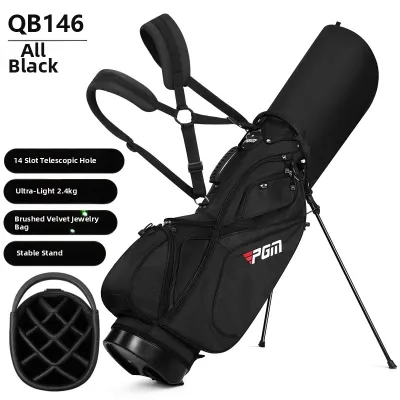
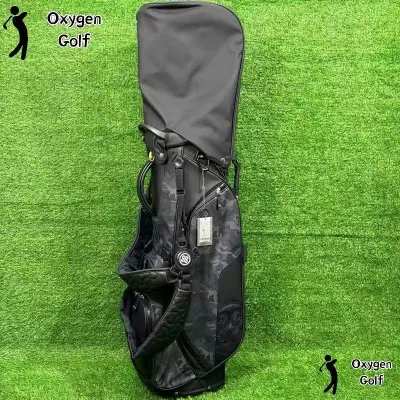
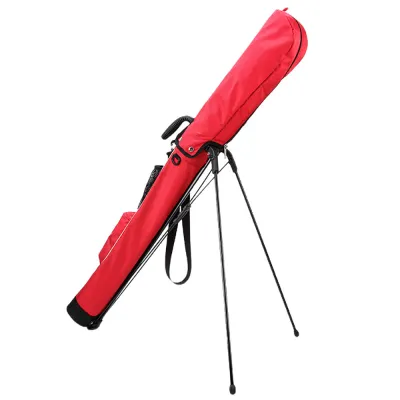
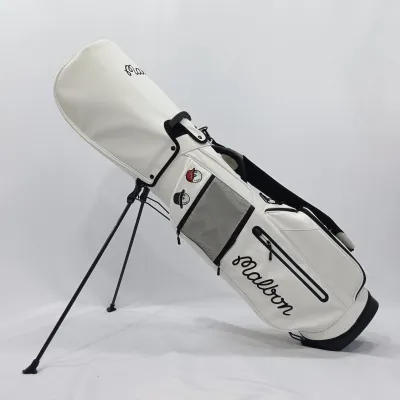
Prices are valid at publication and may change. Please refer to the product page for the latest price.
To manage this load, pay close attention to the harness design. Dual-strap systems, which function like a backpack, are highly recommended for walkers because they distribute weight evenly across both shoulders. Look for straps featuring thick, high-density foam padding that resists compression over time. The strap connectors should be easily adjustable so you can customize the fit to your torso length, ensuring the bag sits snugly against your upper back.
An often-overlooked comfort feature is the hip pad. A generous, breathable mesh hip pad cushions the contact point where the bag rests against your lower back, preventing painful chafing and bruising. Before committing to a purchase, test the bag’s balance point by lifting it with a few clubs inside. The bag should settle at a comfortable 45-degree angle, keeping the clubheads secure without letting them slide out or allowing the bottom of the bag to kick against your legs.
Assessing the Stand Mechanism and Base Stability
A stand bag is only as good as its legs. The deployment mechanism must operate smoothly and reliably on every shot, holding the bag steady on uneven, sloped, or wet turf. When evaluating the legs, look for durable materials like aluminum, carbon fiber, or high-grade fiberglass. Carbon fiber and fiberglass offer excellent flex and resistance to snapping under sudden stress, while high-quality aluminum provides rigid structural support.

The design of the feet and the width of the leg span determine how well the bag resists tipping over in a breeze. Wide, textured rubber feet prevent the legs from sinking into soft, muddy ground—a common challenge on tropical courses during the rainy season. A wider leg stance provides a lower center of gravity, which keeps your bag upright even when parked on a steep fairway slope.
Inspect the activation mechanism, which is usually a foot pedal at the base of the bag or an integrated hinge system. The mechanism should deploy the legs automatically as soon as the base touches the ground and retract them tightly against the bag when lifted. Ensure there are no exposed pinch points near the handle or leg hinges that could catch your fingers, damage your clothing, or snag on cart straps.
Choosing the Right Club Divider Layout
The top cuff of your stand bag dictates how easily you can organize, retrieve, and protect your clubs. The two most common configurations are multi-way tops (such as 4-way or 5-way designs) and full 14-way dividers. Each layout serves a different style of play, and choosing between them is a matter of balancing weight against organization.
Simpler 4-way or 5-way dividers partition the bag into larger sections. This design keeps the bag lightweight and makes it incredibly easy to drop clubs back into place without snagging. The trade-off is that clubs in the same compartment will rattle against each other, which can lead to cosmetic wear on graphite shafts and forged clubheads over time. If you prefer a quiet walk and maximum shaft protection, a 14-way divider gives every club its own dedicated slot, though it adds noticeable weight and bulk to the top of the bag.
Regardless of the divider count, verify that the dividers run the full length of the bag. Partial dividers allow club grips to tangle at the bottom, making it frustratingly difficult to pull a club out or slide it back in. Additionally, look for a reinforced top cuff with integrated molded handles, which provide sturdy grab points when lifting the bag out of a car trunk or off a storage rack.
Prioritizing Pocket Configuration and Storage
Storage on a stand bag should be highly functional rather than excessive. While it is tempting to choose a bag with the most pockets, extra compartments add dead weight and encourage you to carry unnecessary gear. Focus instead on the layout and accessibility of a few essential storage zones.
Every reliable stand bag should feature a dedicated, velour-lined valuables pocket to protect your phone, watch, and rangefinder from scratches. In humid climates, look for a valuables pocket with a seam-sealed, water-resistant zipper to keep moisture out. You will also need a full-length apparel pocket for a rain jacket or umbrella, and an easily accessible, insulated cooler sleeve to keep water bottles cold during hot midday rounds.
Check the placement of the pockets to ensure they remain fully accessible when the stand legs are deployed. Some poorly designed bags compress the side pockets when the legs fold out, making it difficult to retrieve items mid-round. Avoid bags that over-prioritize tiny external mesh sleeves or complex micro-pockets, as these tend to tear easily and add very little practical value on the course.
Specs and Features You Can Safely Ignore
Golf bag marketing is filled with proprietary terms and flashy add-ons designed to justify premium price tags. Learning what to ignore can save you money and help you focus on structural quality. Whether you are spending ₱5,000 or upwards of ₱15,000 on a premium model, prioritizing structural durability over cosmetic extras ensures your investment lasts.
First, do not be swayed by proprietary fabric names unless the manufacturer provides verifiable specifications, such as denier thickness (like 300D or 600D polyester) or a certified waterproof rating. A standard, high-density ripstop nylon or polyester is perfectly durable for most players. If you play frequently in heavy rain, look for taped seams and waterproof zippers rather than relying solely on fabric marketing claims.
Second, ignore excessive external accessory loops, multiple towel rings, and heavy metal carabiners. While a single sturdy loop for your towel and a velcro patch for your glove are highly useful, a surplus of metal hardware adds unnecessary weight and creates snag hazards when walking through tight paths or loading the bag into a vehicle. Finally, look past trendy colorways, branded hardware, and matching travel hoods; these cosmetic details have zero impact on the bag’s weight, comfort, or long-term durability.
Frequently Asked Questions (FAQ)
How do I maintain the stand mechanism to prevent sticking?
To keep the leg deployment system functioning smoothly, regularly wipe down the leg hinges, springs, and base actuator with a damp cloth to remove accumulated mud, sand, and grass clippings. Avoid applying heavy oils or wet lubricants to the moving parts, as these will attract dirt and abrasive grit, which can grind down the mechanism. If the legs begin to stick, check the manufacturer’s care guidelines; some brands recommend a light application of dry silicone spray. Always store your bag upright or flat in a cool, dry place rather than leaving it compressed under heavy loads, which can warp the plastic base over time.
Can I use a stand bag on a motorized golf cart?
Yes, you can use a stand bag on a motorized riding cart or a push cart, but you must take precautions to prevent damage. Because stand bags have an angled base and a protruding leg mechanism, they often sit unevenly or twist when secured with standard cart straps. To prevent this, look for a bag that features a dedicated cart-strap pass-through channel, which allows the strap to secure the bag without compressing the stand legs. Be aware that the constant pressure of tight cart straps and the vibrations of riding over rough terrain can accelerate wear on the leg hinges and fabric, so check the alignment of the stand mechanism regularly.
Community discussion
Share your experience or ask a question. Comments are reviewed before publication.