
For casual runners tracking basic distance and daily activity, a smartphone is usually sufficient. However, a dedicated step counter pedometer becomes a practical upgrade when you need phone-free running, better battery preservation, or more consistent stride detection. This guide helps you diagnose your specific training needs to decide whether to stick with your phone or invest in standalone gear.
Signs Your Smartphone Is Enough for Running Tracking
If your running routine consists of casual jogs around your neighborhood, local parks, or a nearby subdivision, your smartphone is likely already equipped to handle your tracking needs. Modern mobile devices feature highly sophisticated internal accelerometers and gyroscopes. When paired with a reliable fitness application, these sensors easily calculate your daily steps, estimate your running distance, and map your routes using built-in GPS.
For many runners, carrying a phone is already a non-negotiable habit for reasons that extend beyond fitness tracking. If you rely on your phone to stream music, listen to podcasts, or stay connected with family during your workouts, the device is already coming along for the ride. Carrying your phone in a secure running belt, armband, or vest pocket keeps it accessible while allowing it to double as your primary fitness tracker without requiring any extra investment.
Products mentioned in this guide
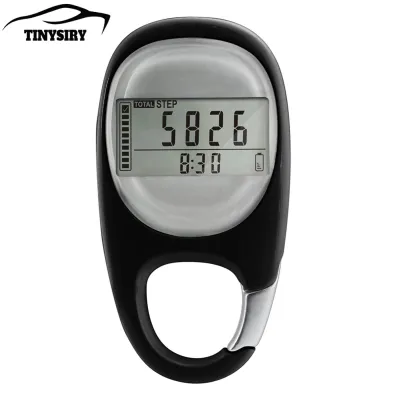
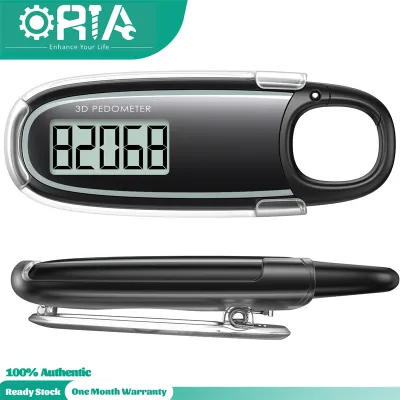

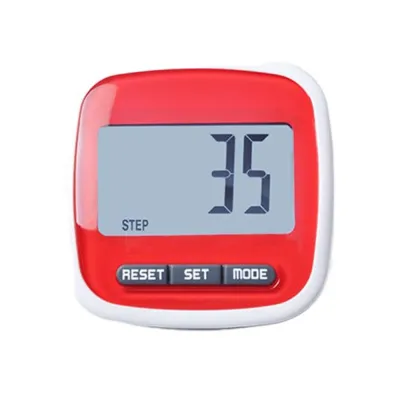
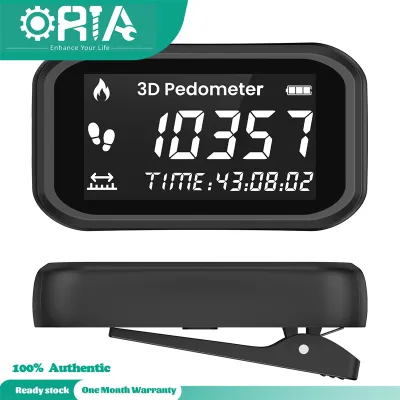
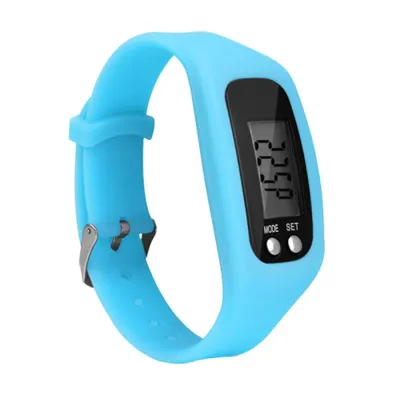
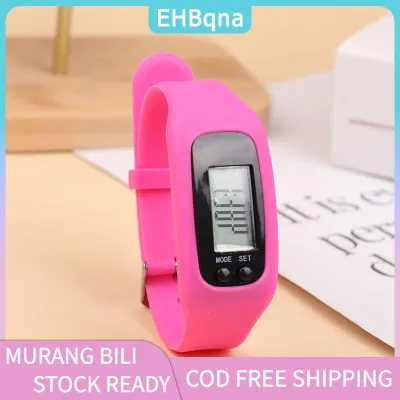
Prices are valid at publication and may change. Please refer to the product page for the latest price.
Choosing to stick with your smartphone also simplifies your gear management. You avoid the hassle of purchasing, charging, and maintaining an additional electronic device. For beginners who are focused on building a consistent running habit, minimizing the amount of equipment you need to manage before heading out the door can make it much easier to stay motivated and stick to your training schedule.
When a Standalone Step Counter Pedometer Makes Sense
While smartphones are incredibly versatile, they are not always the most comfortable or practical tools to carry during a strenuous run. Running in tropical climates, where high humidity and heat are daily realities, makes heavy gear feel even more cumbersome. A dedicated step counter pedometer offers a lightweight, unobtrusive alternative that allows you to focus entirely on your physical performance without the weight of a bulky phone bouncing in your pocket.

Opting for a standalone pedometer is particularly beneficial if you prefer a distraction-free running experience. Leaving your phone at home or keeping it tucked away in a backpack allows you to disconnect from work emails, social media notifications, and incoming calls. This mental break can significantly improve your focus, helping you maintain a steady breathing pattern and a consistent running cadence.
Battery preservation is another critical factor to consider, especially during longer training sessions. Running active GPS tracking and fitness apps on a smartphone drains its battery rapidly. If you are training for longer distances or running in remote areas, saving your phone’s battery for emergency communication or navigation is a smart safety practice. A basic standalone pedometer operates on its own power source, ensuring your primary communication device remains fully charged.
Key Differences to Evaluate Before You Decide
To determine which setup aligns best with your running style, it is helpful to compare how these devices perform in real-world conditions. The choice ultimately comes down to how you prefer to carry your gear, how much you value data consistency, and how you manage your device’s power levels.
Tracking Accuracy and Sensor Limitations
The accuracy of your step count depends heavily on where and how your tracking device is secured. When you carry a smartphone in a loose pocket, the device bounces freely with every stride. This excess movement can confuse the phone’s internal sensors, leading to overestimated step counts or missed strides. Even high-quality armbands can sometimes register arm swings as steps, skewing your overall cadence data.
In contrast, a dedicated step counter pedometer is designed to be clipped securely to your waistband, belt, or shoe. By anchoring the device close to your body’s center of gravity, it experiences far less erratic movement. This stable placement allows the internal sensor to detect the precise impact of each footstrike, resulting in more consistent and reliable cadence metrics.
Before purchasing any new tracking gear, it is wise to verify the manufacturer’s sensor specifications and user manuals. Look for details regarding stated accuracy margins and calibration requirements. Some advanced pedometers allow you to input your specific stride length, which helps the device calculate your total running distance more accurately without relying on a GPS signal.
Comfort, Carry Methods, and Battery Life
Physical comfort is a major consideration when running in warm, humid weather. A modern smartphone can weigh anywhere from 150 to over 200 grams, which can cause running shorts to sag or create an annoying, repetitive bounce. A standalone clip-on pedometer typically weighs less than 30 grams, making it virtually unnoticeable once attached to your waistband or running shoes.
Power management also highlights a stark contrast between the two options. Smartphones require daily charging, and running a fitness app with the screen on or GPS active can deplete a full charge in just a few hours. Basic standalone pedometers, however, are incredibly energy-efficient. Many models run on standard coin-cell batteries that can last for several months or even a year before needing a replacement, eliminating the need for daily charging cables.
Environmental durability is another factor that runners must evaluate, particularly when dealing with sweat or sudden tropical downpours. Before taking any device out on a wet run, check the IP (Ingress Protection) rating or water resistance labels provided by the manufacturer. Ensuring your chosen device can withstand high humidity and moisture will protect your investment and prevent premature hardware failure.
How to Choose the Right Setup for Your Training Goals
Selecting the ideal tracking setup depends on your current fitness level, your training objectives, and how you prefer to experience your runs.
If you are a beginner or a casual runner, sticking with your smartphone is generally the most sensible starting point. Using a free tracking app allows you to monitor your progress, log your routes, and build a consistent routine without spending extra money. You can always re-evaluate your gear needs once you establish a regular running habit.
For intermediate runners who find the weight of a phone distracting but still want to track their daily activity, a basic standalone step counter pedometer is an excellent, budget-friendly solution. It provides the freedom of phone-free running while ensuring you still capture your step count and active minutes.
If you are an advanced or highly data-driven runner, you may want to look beyond basic pedometers and consider advanced running pods or dedicated GPS sports watches. These specialized devices offer detailed metrics such as cadence, stride length, ground contact time, and vertical oscillation, which are essential for analyzing and improving your running form.
Before making any purchase, a practical action step is to test your smartphone’s tracking accuracy on a measured route, such as a local 400-meter running track. By comparing your phone’s recorded steps against your manual count, you can establish a clear baseline and decide if a dedicated device is necessary to achieve your training goals.
Frequently Asked Questions (FAQ)
Can I use my phone and a pedometer at the same time?
Yes, you can use both devices simultaneously, though doing so is generally redundant for basic step tracking. If you choose to use both, it is important to check your fitness app’s synchronization settings. Many health platforms automatically aggregate data from multiple sources, which can lead to double-counting your steps if both your phone and your pedometer sync to the same account. Adjusting your app permissions to prioritize one primary device will keep your daily metrics accurate.
Do standalone pedometers need a smartphone to work?
Not all standalone pedometers require a smartphone. Basic offline pedometers operate completely independently, displaying your step count, distance, and elapsed time directly on their own built-in screens. However, smart pedometers and modern running pods often require a Bluetooth connection to sync your data to a smartphone app for long-term tracking. Always check the product packaging or user manual before buying to ensure the device’s connectivity matches your preferences.
Community discussion
Share your experience or ask a question. Comments are reviewed before publication.