
Stepping onto a Brazilian Jiu-Jitsu (BJJ) mat for the first time is an exciting milestone, but it also comes with a steep learning curve regarding etiquette, technique, and gear. Among the many brands available to modern practitioners, Scramble has established a strong reputation for producing durable, stylish, and highly functional apparel. For a beginner training in the Philippines, selecting the right starter gear requires balancing gym-specific rules, personal budget, and the unique challenges of a tropical climate. Prioritizing your purchases wisely ensures you stay comfortable, hygienic, and fully compliant with your academy’s training standards from day one.
While it is tempting to purchase multiple eye-catching items immediately, a systematic approach to building your training wardrobe will save you money and prevent common purchasing mistakes. Your initial gear selection should focus on immediate utility, starting with the specific style of BJJ your gym prioritizes—whether that is traditional gi training, modern no-gi grappling, or a combination of both. By understanding how to evaluate fabric weights, fit profiles, and protective accessories, you can invest in pieces that withstand the rigors of daily sparring while keeping you cool on hot, humid days.
Understanding Scramble's Core BJJ Categories
To navigate Scramble’s product catalog effectively, you must first distinguish between their primary product lines, as each serves a distinct purpose on and off the mat. The brand divides its offerings into traditional gi (kimono) wear, functional no-gi apparel, and lifestyle clothing. Purchasing the wrong category can lead to awkward situations at your gym, such as showing up to a sparring session in casual wear that lacks the reinforced stitching required to survive intense pulling and gripping.
Products mentioned in this guide
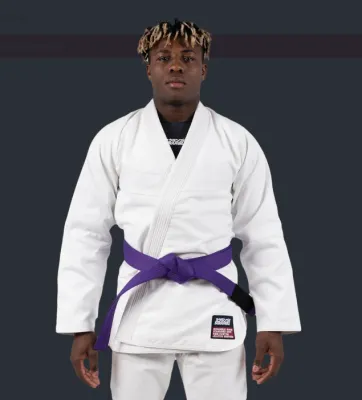
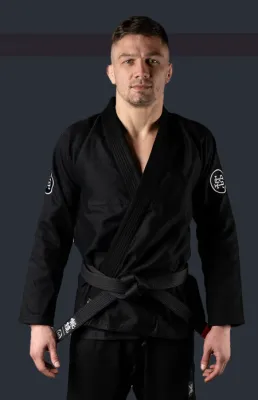
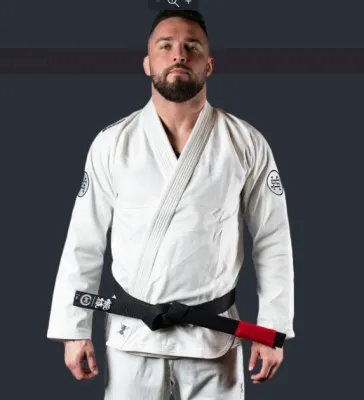
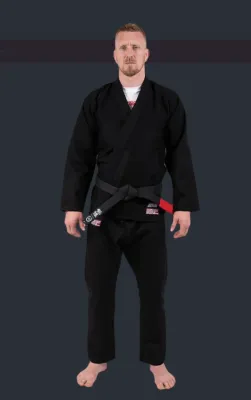
Prices are valid at publication and may change. Please refer to the product page for the latest price.
Traditional gi training requires a heavy cotton jacket and matching pants designed to withstand constant pulling, friction, and leverage. Scramble designs these kimonos with specific weave patterns and reinforced stress points to ensure they do not rip during training. If your chosen academy focuses primarily on gi classes, this category should be your absolute priority, as you cannot participate in these sessions without a proper uniform.
No-gi apparel, on the other hand, consists of form-fitting synthetic garments like rash guards, spats, and grappling shorts. This gear is engineered to minimize friction, wick away sweat, and prevent skin-to-skin contact, which is crucial for hygiene. Because no-gi training does not allow gripping the clothing, these garments are sleek and lack any loose fabric or pockets that could trap an opponent’s fingers or toes.
Finally, Scramble produces a wide range of lifestyle apparel, including t-shirts, hoodies, and joggers. While these items feature the brand’s signature martial arts aesthetic, they are made of standard cotton blends intended for casual daily wear. They lack the technical properties, moisture-wicking capabilities, and structural reinforcement of functional mat gear, meaning they should never be worn during active training sessions.
Prioritizing Your First Gi (Kimono)
When selecting your first Scramble gi, the local climate in the Philippines should be a primary factor in your decision-making process. High heat and humidity mean that heavy, thick kimonos can quickly lead to overheating and exhaustion during intense training sessions. Look for lightweight weave options, such as a Pearl Weave jacket paired with lightweight ripstop or cotton pants, which offer a balance of breathability and structural integrity.

The weight of a gi jacket is typically measured in grams per square meter (GSM). For beginners training in tropical conditions, a jacket weight between 300 GSM and 400 GSM is highly recommended, as it allows heat to escape more efficiently than heavier competition-weight fabrics. While lighter fabrics are more comfortable in the heat, they must still feature reinforced stitching along the armpits, side vents, and collar to ensure they do not tear when your training partners establish strong grips.
You must also consider the material of the pants, which generally come in either traditional cotton twill or modern ripstop fabric. Ripstop pants are highly favored by practitioners in warm climates because they are incredibly thin, lightweight, and resistant to tearing due to their cross-hatched weaving pattern. However, if you plan to enter local tournaments in the future, you should verify that your chosen gi meets the rules of major governing bodies like the International Brazilian Jiu-Jitsu Federation (IBJJF), which has strict guidelines regarding gi colors, sleeve lengths, and overall fit.
Before washing your new gi for the first time, it is vital to understand how cotton fabrics react to water temperature and drying methods. Most high-quality cotton kimonos will experience some degree of shrinkage, even if they are labeled as pre-shrunk. To preserve the original fit, always wash your gi in cold water and hang it to dry in a well-ventilated area away from direct, intense sunlight, which can stiffen and damage the cotton fibers over time.
Building a No-Gi Starter Kit
If your academy offers no-gi classes, or if you prefer the fast-paced nature of submission grappling, building a reliable no-gi starter kit is your next step. The foundation of this kit consists of a high-quality rash guard and dedicated grappling shorts. These items are designed to protect your skin from mat burn, which can easily lead to painful abrasions and subsequent bacterial infections if left exposed.
When choosing a rash guard, you must decide between long-sleeve and short-sleeve designs. Long-sleeve rash guards offer maximum skin coverage, protecting your entire arm from friction burns and reducing direct skin contact with your training partners. However, in hot training environments, some beginners prefer short-sleeve options for better temperature regulation, though this leaves the forearms and elbows vulnerable to the rough surface of the mats.
Grappling shorts are fundamentally different from standard gym shorts and must be selected with safety in mind. True BJJ shorts feature a flat waistband, often with an internal drawstring, and completely lack external pockets, zippers, or metal eyelets. These design elements are strictly prohibited on the mats because an opponent’s fingers or toes can easily get caught in a pocket or scratched by a zipper during a fast-moving scramble, leading to severe joint dislocations or lacerations.
To maintain proper hygiene, you should establish a rotation that ensures you never wear the same unwashed gear to consecutive training sessions. A good rule of thumb for beginners is to own at least two complete sets of training apparel if you train two to three times a week. Because the high humidity in the Philippines can prolong air-drying times, having an extra set of gear prevents the temptation to train in damp, partially dried clothing, which is a breeding ground for odor-causing bacteria.
Essential Accessories and Protection
Beyond the basic uniform, several accessories can significantly improve your safety, comfort, and overall training experience without requiring a massive financial investment. Protecting your body from the physical impact of grappling should be a top priority, especially as your joints adapt to the new movements. Investing in basic protective gear early on can prevent minor discomforts from turning into chronic training setbacks.
Knee pads are highly beneficial for beginners who are still learning how to execute takedowns and transition smoothly on the mats. Constant kneeling, shooting for double-leg takedowns, and scrambling can bruise the patella and irritate the bursa sacs in your knees. If you have a history of joint sensitivity or find yourself drilling takedowns frequently, a slim, neoprene knee sleeve with light padding can provide valuable impact absorption without restricting your mobility.
Transporting your wet, sweat-soaked gear home after a hard training session requires a dedicated gym bag designed for martial artists. Look for backpacks or duffel bags that feature ventilated mesh compartments or isolated waterproof pockets. Keeping your wet gi and rash guards separate from your clean clothes, wallet, and phone prevents moisture transfer and stops the buildup of stubborn, musty odors that are incredibly difficult to wash out of synthetic fabrics.
Finally, maintaining personal hygiene is a non-negotiable aspect of BJJ culture, as close-contact training exposes you to various skin conditions. Adding antimicrobial soaps or specialized body washes to your post-training routine helps wash away harmful bacteria, ringworm fungi, and other pathogens commonly found on shared athletic mats. Additionally, keeping a bottle of gear disinfectant spray in your bag allows you to treat your gym bag and protective pads immediately after training, ensuring they remain fresh and sanitary.
How to Verify Sizing and Authenticity
Because BJJ gear requires a precise fit to function correctly, verifying your size before purchasing is critical to avoiding uncomfortable training sessions or costly return shipping. Unlike standard casual clothing, which varies wildly between fashion brands, BJJ apparel relies on specific sizing matrices. For gis, these are typically designated by the letter “A” (for adults) followed by a number from 0 to 6, with intermediate sizes like A1L (long) or A2H (husky) catering to different body types.
Never assume your standard t-shirt or trouser size translates directly to BJJ gear; instead, take accurate measurements of your height, weight, chest circumference, and waistline. Cross-reference these measurements with Scramble’s official size charts for the specific product model you intend to buy. Keep in mind that different product lines within the same brand may use slightly different cuts, meaning an A1 in a lightweight training gi might fit differently than an A1 in a competition-focused model.
To ensure you are purchasing genuine Scramble products, always buy directly from the brand’s official website or through authorized local distributors in the Philippines. The rise of online marketplaces has led to an increase in counterfeit martial arts gear, which often uses inferior stitching, cheap dyes, and weak fabrics that can fail during a roll. Authorized retailers will guarantee product authenticity, provide reliable customer service, and offer clear return policies if you need to exchange an item for a different size.
When your package arrives, perform a thorough physical inspection of the gear before removing any tags or wearing it to class. Check the stitching along high-stress areas like the armpits, crotch, and collar to ensure there are no loose threads or uneven seams. Genuine gear will feature clean, high-density embroidery, clear brand labels, and robust fabric that feels substantial to the touch, giving you the confidence that your investment will survive the intense demands of your BJJ journey.
Frequently Asked Questions (FAQ)
How many Scramble gis should a beginner own?
For a beginner training two to three times a week, owning two gis is highly recommended. When planning your initial budget in the Philippines, a single high-quality kimono can range from ₱4,000 to ₱7,000. While you can technically manage with a single gi if you wash it immediately after every class, the high humidity can make air-drying a slow process, often taking more than 24 hours. Having a second gi ensures you always have a clean, completely dry uniform ready for your next class, preventing the growth of mildew and protecting your training partners from unpleasant odors.
Can I use Scramble MMA shorts for regular BJJ no-gi training?
You can use Scramble MMA shorts for BJJ, provided they do not feature external pockets, exposed zippers, or hard plastic hardware that could injure your training partners. Many modern MMA shorts are designed with internal drawstrings and sleek profiles specifically to cross over into grappling. However, you should always check your gym’s specific dress code first, as some traditional academies require unified team gear or have strict rules regarding the color and style of no-gi apparel.
Does Scramble gear run true to size?
Scramble gear generally runs true to its official size charts, but the final fit depends heavily on the specific materials used and how you care for them. Synthetic items like rash guards and grappling shorts will retain their shape and size over time, whereas cotton gis will inevitably experience some shrinkage during their first few washes. To minimize shrinkage and maintain the intended fit, always wash your cotton gear in cold water and avoid using a heated tumble dryer.
Community discussion
Share your experience or ask a question. Comments are reviewed before publication.