
Enrolling a child in gymnastics is an exciting milestone that lays a strong foundation for lifelong physical literacy, coordination, and confidence. Because gymnastics challenges the body in unique ways—combining strength, flexibility, balance, and spatial awareness—parents often wonder when the ideal time is to introduce their children to the sport. While some children are ready to explore structured movement as toddlers, others benefit from waiting until they reach school age to begin formal instruction. Preparing your child for their first class involves a thoughtful blend of physical play, behavioral preparation, and selecting a facility that prioritizes safety and positive development.
Understanding your child’s developmental readiness, rather than focusing solely on chronological age, is the key to a successful start. By assessing their physical milestones, social maturity, and emotional comfort, you can choose a program that matches their current capabilities. This approach ensures that their first experience with gymnastics is safe, encouraging, and, above all, fun.
Determining the Right Age to Start Gymnastics
Children develop motor skills and social readiness at highly individual rates, meaning there is no single perfect age to start gymnastics. Instead, programs are generally structured to cater to distinct developmental stages. For the youngest movement enthusiasts, parent-toddler classes are typically available for children aged eighteen months to three years. These sessions do not focus on technical gymnastics skills; instead, they emphasize sensory exploration, basic gross motor patterns, and parent-child bonding. In these classes, a parent or caregiver actively guides the child through climbing, sliding, and crawling over soft foam obstacles, making it a shared play experience rather than formal instruction.
Products mentioned in this guide
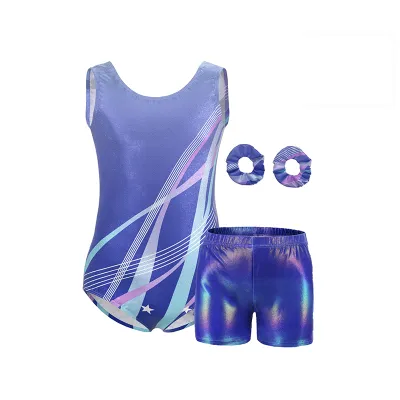
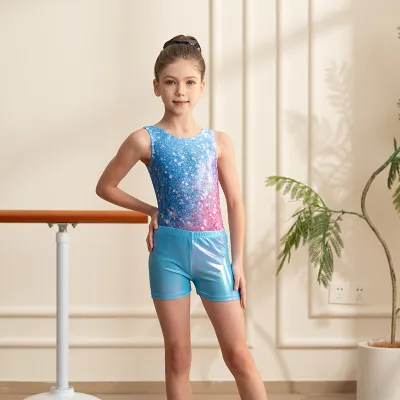
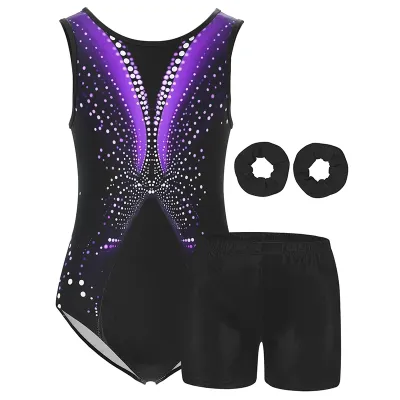
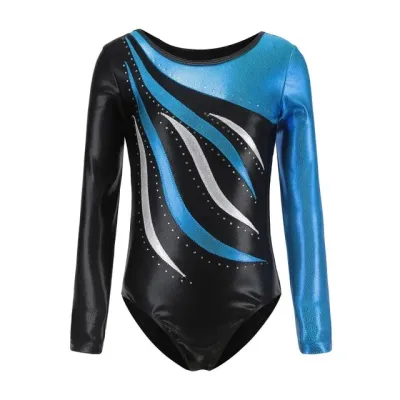

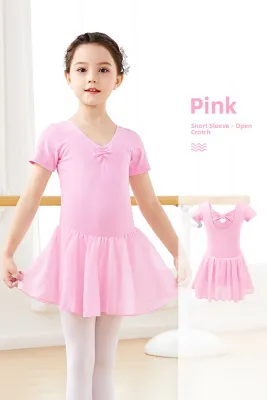
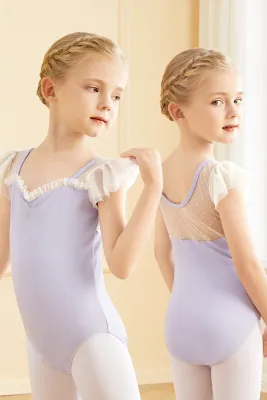
Prices are valid at publication and may change. Please refer to the product page for the latest price.
Independent beginner programs usually welcome children between the ages of four and six. By this stage, most children have developed the attention span and emotional maturity required to participate without a parent by their side. They can comfortably remain separated from their primary caregiver for a forty-five to sixty-minute session, interact cooperatively with peers, and follow simple, multi-step directions from a coach. If a child still struggles with separation anxiety or finds it difficult to focus on a structured task for more than a few minutes, continuing with parent-assisted play or waiting a few months before enrolling in an independent class is often the most supportive path.
Before enrolling your child in an independent class, look for specific physical and behavioral milestones that indicate readiness. Physically, your child should be able to jump with both feet landing simultaneously, maintain balance on one foot for a few seconds, and demonstrate basic spatial awareness, such as navigating around obstacles without colliding with them. Behaviorally, they should be able to listen to a brief instruction, wait their turn in a small group, and respond positively to gentle guidance from an adult authority figure other than their parents.
It is highly beneficial to keep early gymnastics experiences entirely play-based and low-pressure, avoiding the risks of early athletic specialization. Pushing young children into highly competitive, repetitive training regimens too early can lead to physical overuse injuries in growing bones and joints, as well as mental burnout and a loss of interest in physical activity. Early childhood gymnastics should focus on building fundamental movement skills—such as rolling, hanging, swinging, and balancing—which serve as excellent physical building blocks for any sport your child might choose to pursue later in life.
Choosing the Right Program and Facility
Selecting the right gymnastics facility is crucial for ensuring a safe and positive introduction to the sport. Begin by verifying the qualifications of the coaching staff. Instructors teaching young children should have specific training in early childhood development, age-appropriate physical progressions, and positive reinforcement techniques. A great youth coach understands how to keep children engaged through play while maintaining structure and safety. Ask the facility management about their staff screening processes, safety certifications, and whether coaches are trained in basic first aid and emergency protocols.

When touring a potential gym, pay close attention to the physical environment and safety measures. The facility should feature high-quality, impact-absorbing mats beneath all equipment, and the mats should be securely taped or fitted together to prevent tripping hazards. Equipment such as balance beams, bars, and vaulting tables should be appropriately sized for young children, with low-to-the-ground options available for beginners. In tropical climates like the Philippines, proper ventilation or air conditioning is essential; high humidity can cause vinyl mats to become slick with sweat, increasing the risk of slips and falls. Ensure the gym is clean, well-lit, and free of cluttered gear in the active training zones.
Before committing to a full term or paying registration fees, utilize trial classes to evaluate the program firsthand. A trial session allows you to observe the actual student-to-coach ratio, which should ideally not exceed eight students per coach for young beginners to ensure adequate supervision and individual feedback. Watch how the coach interacts with the class: do they use encouraging language, manage distractions patiently, and ensure all children take turns safely? Observe your child’s reactions during the trial to confirm they feel comfortable in the space and are eager to participate.
Physical and Mental Preparation Before the First Class
Preparing your child at home can significantly ease the transition into their first official gymnastics class. You can practice basic motor skills in a safe, clear space, such as a carpeted living room or a grassy backyard. Encourage your child to practice balancing on one foot, walking in a straight line along a strip of painter’s tape on the floor, or jumping off a low, stable step and landing softly with bent knees—a movement often referred to in gymnastics as a “safety landing.” Avoid attempting advanced movements like handstands or cartwheels at home without professional spotting, as improper technique can lead to neck or wrist strains.
Building behavioral readiness is just as important as physical practice. You can weave gymnastics-style structure into everyday playtime at home or at a local playground. Practice taking turns on the slide, waiting patiently in a designated spot, and playing listening games like “Simon Says” to help your child practice following multi-step instructions. Emphasize the importance of listening when an adult is speaking, explaining that in a gym, listening to the coach keeps everyone safe and ensures everyone gets a turn on the fun equipment.
Managing separation anxiety and the fear of a new, loud environment requires a gradual, supportive approach. If your child is prone to anxiety, ask the facility if you can visit a few days before their first class just to watch from the viewing area. This allows your child to become familiar with the sights, sounds, and layout of the gym without the pressure of participating. Frame the upcoming class using positive, exciting language, focusing on the fun activities they will try, such as jumping into a foam pit or balancing on a low beam. Reassure them that you will be watching from the viewing area the entire time, providing a secure base as they explore their new environment.
What to Pack and Wear for the First Gymnastics Class
Wearing the correct attire is essential for your child’s safety, comfort, and freedom of movement during gymnastics. Select form-fitting, stretchy clothing that allows your child to bend, roll, and hang upside down without restriction. Avoid loose-fitting T-shirts or baggy pants, as loose fabric can fold over a child’s face during inversions, blocking their vision, or easily snag on bars and beam adjustments. Ensure all clothing is completely free of zippers, buttons, snaps, drawstrings, or hoods, which can cause painful pressure points when rolling or catch on the equipment, posing a serious safety hazard.
Confirm the facility’s specific footwear policy before arriving at the gym. Most gymnastics facilities require children to participate with bare feet, as this provides the natural grip needed to navigate balance beams and slippery vinyl mats safely. Bare feet also allow the muscles in the feet and ankles to develop strength and stability naturally. If the gym allows or requires footwear due to specific facility rules or cool temperatures, look for specialized gymnastics slippers with thin, flexible soles and non-slip rubber grips on the bottom.
When packing your child’s gym bag, keep the contents simple and practical. In warm, humid climates, proper hydration is critical, so pack a reusable, leak-proof water bottle clearly labeled with your child’s name, filled with cold water. Bring a small, clean face towel to wipe away sweat during water breaks. Ensure your child removes all jewelry, watches, and fitness trackers before class, as these items can scratch the equipment, get caught in mats, or cause injury to your child or the coach during spotting. Secure long hair away from the face using soft, elastic hair ties, avoiding hard plastic headbands, metal clips, or decorative beads that could cause discomfort if your child rolls onto their head.
Supporting Your Child During and After the Class
Your role as a supportive parent continues during the class itself, primarily through mindful sideline behavior. Sit quietly in the designated viewing area and maintain positive, encouraging body language. Avoid waving, calling out your child’s name, or gesturing instructions from behind the glass or from the sidelines. Distracting a child while they are attempting to balance on a beam or hang from a bar can cause them to lose focus and fall, leading to preventable injuries. Trust the coach to manage the class, guide the movements, and address any behavioral adjustments needed.
After the class concludes, focus your conversations on your child’s effort, enjoyment, and resilience rather than perfect execution or comparison with other children. Ask open-ended, positive questions such as, “What was the most exciting thing you tried today?” or “I loved watching how hard you tried to balance on that beam! How did it feel?” Avoid pointing out mistakes, comparing their progress to peers in the class, or placing pressure on them to master a specific skill quickly. Celebrating their willingness to try new things builds a healthy, growth-oriented mindset and fosters a genuine love for physical activity.
Finally, closely monitor your child for signs of physical overexertion or emotional burnout. While mild muscle fatigue is normal after physical activity, persistent complaints of pain, extreme lethargy, or a sudden, consistent resistance to attending class are signs that your child may need a break. If your child expresses dread or anxiety about going to gymnastics week after week, respect their feelings and discuss options with their coach. Adjusting their schedule, switching to a more play-focused class, or taking a temporary break can prevent burnout, ensuring that physical activity remains a positive, empowering part of their childhood.
Frequently Asked Questions (FAQ)
Is it too late to start gymnastics if my child is older?
It is never too late for a child to start gymnastics, especially within recreational programs. While competitive gymnastics tracks often seek athletes who begin at a very young age, recreational classes welcome older beginners of all ages and fitness levels. Starting gymnastics as an older child offers excellent benefits, including improved core strength, flexibility, coordination, and overall physical fitness. Recreational programs for older kids focus on individual skill acquisition at a comfortable pace, allowing them to enjoy the social and physical benefits of the sport without the pressure of competitive timelines.
How often should a beginner attend gymnastics classes?
For beginners, attending a gymnastics class once a week is highly recommended. A single weekly session provides a consistent routine that helps children retain basic skills and build physical confidence without overwhelming their schedule or causing physical fatigue. This frequency allows their muscles and joints ample time to adapt to new movement patterns and recover fully between sessions. As your child’s stamina, enthusiasm, and skill level grow, you can consult with their coach about gradually increasing to two sessions per week, provided it fits comfortably into their school routine and overall lifestyle.
Community discussion
Share your experience or ask a question. Comments are reviewed before publication.