
Choosing between a stationary bike and a treadmill for your home gym in the Philippines depends on your available floor space, joint health, and fitness goals. While a stationary bike offers a compact, low-impact workout ideal for tight spaces and joint recovery, a treadmill provides a high-intensity, weight-bearing exercise that closely mimics natural running mechanics. Evaluating these machines against your home environment and physical needs ensures you invest in the equipment you will actually use.
Space, Setup, and Home Environment Constraints
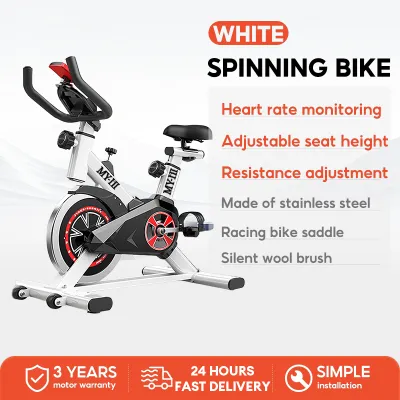
Stationary bikes generally occupy a much smaller footprint than treadmills, making them highly adaptable to various room layouts. A typical upright or spin bike requires minimal floor space, allowing you to position it in a bedroom corner, on a small balcony, or within a dedicated study. Many home models feature built-in transport wheels, enabling you to roll the machine out of sight when your workout is complete.
Treadmills, by contrast, demand a substantial physical presence. Even models designed with folding decks require a significant amount of permanent floor area to accommodate the length of the running belt and the safety clearance zone behind it. When folded, a treadmill still presents a bulky vertical profile that can dominate a room, and its heavy frame can make frequent relocation difficult for a single user.
Products mentioned in this guide
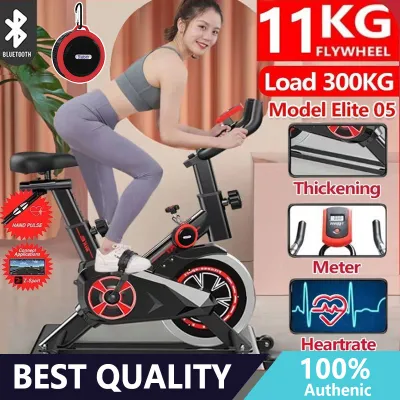
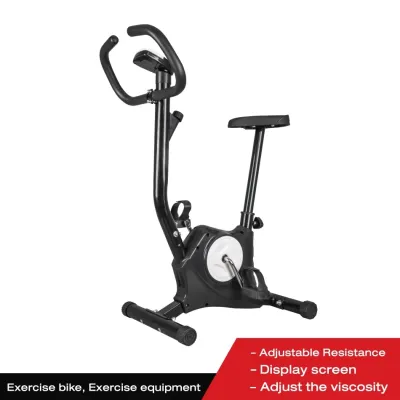
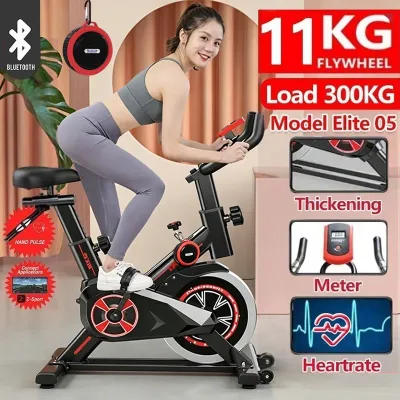
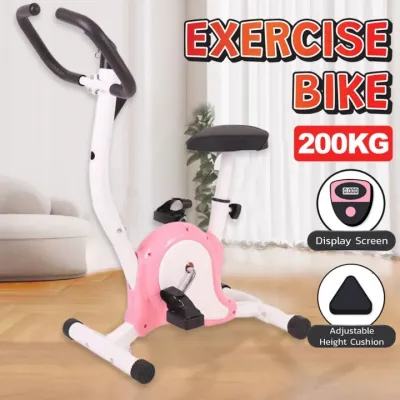
Prices are valid at publication and may change. Please refer to the product page for the latest price.
Ceiling height is another critical factor that home runners often overlook. Because a treadmill deck sits several inches off the ground, and using the incline feature raises you even higher, you must calculate your total height plus the deck’s maximum elevation. This calculation is especially important in Philippine homes with standard or low ceiling clearances, where a tall runner could easily feel cramped or risk injury.
The physical environment of your home also dictates which machine is viable. Motorized treadmills generate significant impact noise and low-frequency vibrations from footstrikes, which can easily travel through concrete floors and disturb neighbors in multi-story apartments or condominiums. Stationary bikes, particularly those utilizing magnetic resistance, operate almost silently and produce virtually no floor vibration, making them highly compatible with shared living spaces.
Furthermore, the tropical climate and humidity in the Philippines require careful placement of your fitness equipment. Placing a treadmill near an open window exposes its electronic console and motorized components to moisture and dust, which can accelerate wear. A stationary bike, with fewer exposed electronic parts, is often more resilient to these environmental factors, though both machines benefit from being placed in a well-ventilated, dry area with a protective floor mat.
Fitness Goals, Joint Impact, and Workout Style
Treadmills offer a weight-bearing workout, which is highly beneficial for building bone density and functional strength because your body must support its own weight against gravity. This type of exercise closely mimics daily movements like walking, jogging, and running, making it excellent for functional fitness and athletic conditioning. However, this constant impact can stress your ankles, knees, and lower back over time.

A stationary bike provides a non-weight-bearing, low-impact alternative where your body weight is supported by the saddle. This design drastically reduces joint stress, making cycling an excellent option for individuals recovering from injuries, older adults, or those carrying excess body weight. You can achieve a high-intensity cardiovascular workout and burn calories efficiently without subjecting your joints to repetitive jarring forces.
The two machines target different muscle groups and movement patterns. Running on a treadmill engages your entire body, requiring core stability, hip extension, and upper-body coordination to maintain balance and posture. Cycling focuses primarily on the lower body, targeting the quadriceps, hamstrings, glutes, and calves through a smooth, circular pedaling motion that isolates these muscle groups without the impact.
If you prefer to multitask during your workouts, such as reading an e-book, watching a series, or checking emails, a stationary bike offers a much more stable platform. Your upper body remains relatively still while cycling, allowing you to focus on a screen or tablet mounted on the console. Running or walking on a treadmill involves continuous upper-body movement, making it much harder to read or type safely without losing your balance or compromising your running form.
Your current fitness level and training preferences should also guide your choice. Treadmills are highly effective for progressive training, allowing you to adjust speed and incline to simulate outdoor terrain. Stationary bikes are excellent for high-intensity interval training (HIIT) and rhythm-based workouts, allowing you to quickly adjust resistance levels to spike your heart rate with minimal risk of falling or losing control of the machine.
Budget, Maintenance, and Long-Term Costs
When shopping on local online marketplaces or fitness specialty stores, you will find distinct price tiers for both machines. Entry-level stationary bikes often start around ₱5,000 to ₱10,000, offering manual friction resistance and basic digital monitors. Mid-range and premium magnetic models can range from ₱15,000 to over ₱50,000, introducing silent magnetic resistance, heavier flywheels, and smart connectivity for interactive training apps.
Treadmills generally require a higher initial investment due to their motorized components and robust frames. Basic manual or low-horsepower motorized models start around ₱12,000, but these often have narrower running belts and lower weight capacities. Durable, high-horsepower motorized treadmills with advanced deck cushioning, wider running surfaces, and motorized incline features easily range from ₱40,000 to well over ₱100,000.
Maintenance requirements differ significantly between the two types of equipment and affect long-term costs. Treadmills have more complex moving parts, including a motorized belt that requires regular lubrication with silicone oil, alignment checks, and tension adjustments to prevent motor strain. Dust and pet hair can also accumulate under the motor cover, requiring periodic cleaning to prevent overheating and electrical faults.
Stationary bikes are mechanically simpler and generally require less frequent maintenance. You must still periodically inspect the drive belt or chain, tighten the pedals, and check the resistance pads or magnetic flywheels for smooth operation. Because they have fewer moving parts and no large motors, stationary bikes typically experience fewer mechanical breakdowns over their lifespan, saving you money on replacement parts and professional repairs.
Electricity stability is another practical consideration for homes in the Philippines, where power fluctuations or sudden brownouts can occur. Motorized treadmills draw substantial electrical power and require a stable power source, often necessitating a dedicated automatic voltage regulator (AVR) or surge protector to safeguard the sensitive console electronics and motor. Stationary bikes, particularly manual friction or self-powered magnetic models, require little to no electricity, allowing you to complete your workout even during a power outage.
Final Verdict: How to Choose Your Home Cardio Machine
Choose a stationary bike if you have limited floor space, live in an apartment where noise and vibration must be kept to a minimum, or prefer a low-impact workout that protects sensitive joints. It is also the more budget-friendly entry point for establishing a home fitness routine without high upfront costs, complex maintenance, or significant electricity consumption.
Choose a treadmill if your primary goal is to train for outdoor running, maximize bone-density benefits through weight-bearing exercise, and you have ample floor space and ceiling clearance. This option is ideal if you prefer natural walking or running mechanics, have a higher budget for a quality motorized machine, and are committed to performing regular belt maintenance.
Verify first if your building’s strata or condominium rules restrict heavy fitness equipment or impose specific quiet hours. Check the maximum weight capacity of the machine against your household’s needs, and ensure you have a dedicated space with proper ventilation. Always consult a qualified physician or physical therapist if you are recovering from an injury or managing a chronic joint condition before starting a new exercise regimen.
Frequently Asked Questions (FAQ)
Can I use a stationary bike or treadmill if I have knee pain?
Stationary bikes are generally the preferred choice for individuals managing knee pain because the smooth, circular pedaling motion is low-impact and avoids the repetitive shock of footstrikes. This motion helps lubricate the joint and strengthen the surrounding muscles without aggravating existing inflammation. If you prefer a treadmill, verify that the model features advanced shock-absorption systems on the deck, start with a walking pace, and consult a physical therapist to ensure your running form does not exacerbate your knee issues.
Which machine is quieter for apartment living?
A stationary bike equipped with magnetic resistance is significantly quieter than a treadmill, producing only a soft whirring sound that will not penetrate walls or floors. Treadmills generate both motor noise and loud impact vibrations from your feet hitting the deck, which can easily disturb neighbors below you. If you choose a treadmill for an apartment, verify the manufacturer’s decibel ratings, opt for a model with a high-quality motor, and place a thick, high-density anti-vibration mat underneath the machine to help dampen the sound.

Community discussion
Share your experience or ask a question. Comments are reviewed before publication.