
Choosing the right home cardio equipment in the Philippines requires balancing your personal fitness goals with the practical realities of your living space. With tropical heatwaves and sudden monsoon downpours often making outdoor exercise impractical, having a reliable indoor workout option is essential. However, there is no single machine that suits everyone. The ideal choice depends on your joint health, available floor space, noise tolerance, and budget.
A stationary bike offers a highly accessible, low-impact workout that targets the lower body while keeping you seated. A treadmill provides a classic, weight-bearing exercise that closely mimics outdoor walking or running, which is excellent for bone density but demanding on the joints. Meanwhile, a rowing machine delivers a comprehensive full-body workout that engages both the upper and lower body simultaneously with minimal joint impact. By evaluating how each machine aligns with your physical needs and home environment, you can make a practical investment that keeps you active year-round.
Core Differences in Workout Impact and Muscle Engagement
Physical impact is one of the most critical differentiators when comparing these three cardio machines. Treadmills subject your skeletal system to high-impact forces because your feet repeatedly strike the running deck. This weight-bearing movement is highly beneficial for stimulating bone density and strengthening the supportive tissues in your legs, but it can be challenging if you have sensitive joints. In contrast, stationary bikes and rowing machines are low-impact options where your feet remain in constant contact with the pedals or footplates, significantly reducing stress on your knees, ankles, and hips.
Products mentioned in this guide
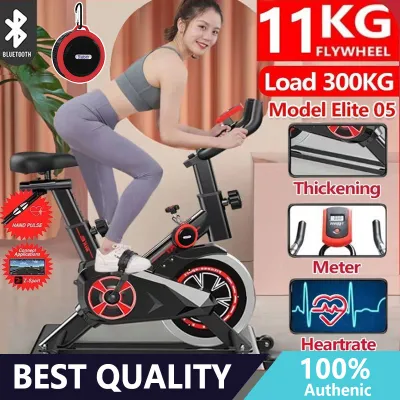
![Xiaomi Yesoul Smart Exercise Bike M1 Spinning Bike Magnetic System Indoor Exercise Fitness Bike [ Magnetic Resistance Belt Drive Low Noise Compact Size Indoor Household Fitness Cardio Equipment ]](https://img.lazcdn.com/g/p/23979829702d9597c2b673f603ba0f50.jpg_400x400q80.jpg_.webp)
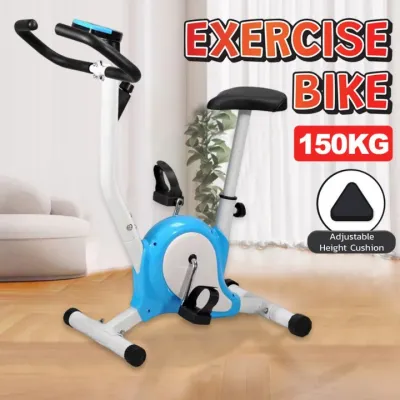
Prices are valid at publication and may change. Please refer to the product page for the latest price.
The muscle groups engaged during a workout also vary dramatically across these options. A stationary bike primarily isolates the lower body, focusing the workload on your quadriceps, hamstrings, calves, and glutes. Treadmills also emphasize the lower body but require more core stabilization and balance to maintain an upright posture while moving. Rowing machines stand out by offering a true full-body workout, engaging roughly 86 percent of your muscles. Each stroke on a rower utilizes your legs for the initial push, your core for stabilization, and your upper body—including your back, shoulders, and arms—for the pull.
When it comes to calorie burn, many users look for a definitive winner, but the reality is highly variable. Energy expenditure depends heavily on your effort level, the resistance settings, and the duration of your workout rather than the machine itself. A high-intensity session on a stationary bike can easily match or exceed a moderate jog on a treadmill. Similarly, because rowing engages both the upper and lower body, it can facilitate high energy expenditure at lower perceived exertion levels, making it highly efficient for those who want to maximize their workout time.
Space, Noise, and Living Situation Constraints
Living in a high-rise condominium in Metro Manila or a shared family home introduces distinct spatial and acoustic challenges when setting up fitness equipment. Treadmills generally demand the largest permanent footprint and require a dedicated area where they cannot easily be tucked away, even if they feature a folding deck. Stationary bikes are far more compact, often occupying a footprint no larger than a standard yoga mat, making them highly suitable for tight corners or small bedrooms. Rowing machines have a long, narrow profile; while they take up significant floor length during use, many models are designed to fold in half or stand upright against a wall for vertical storage.

Noise and vibration transfer are critical factors if you live on an upper floor or share walls with neighbors. Treadmills are inherently the loudest of the three due to the motor noise and the physical thud of your feet striking the deck, which can send low-frequency vibrations through the floorboards. Stationary bikes, particularly those utilizing magnetic resistance, operate almost silently, allowing you to exercise early in the morning or late at night without disturbing others. Rowing machines fall in the middle; magnetic rowers are exceptionally quiet, whereas air or water resistance rowers produce a rhythmic whirring or splashing sound that some find therapeutic but others may find distracting.
Spatial clearances must also be verified before making a purchase. For a treadmill, you must calculate your ceiling height against the deck height and your own height, ensuring you have at least several inches of clearance above your head when running at an incline. Treadmills also require clear safety space behind the belt in case of a fall. Rowing machines require ample clearance at the rear to accommodate the full slide of the seat and the movement of your torso, while stationary bikes need enough lateral clearance so you can safely mount and dismount without hitting nearby furniture.
Budget and Long-Term Value Considerations
Investing in home fitness equipment requires balancing upfront costs against long-term durability and maintenance. In the Philippine market, cardio machines generally fall into three distinct price tiers. Entry-level options, often priced under ₱15,000, provide basic manual functionality and simpler frames suitable for light, occasional use. Mid-range equipment, ranging from ₱15,000 to ₱40,000, typically offers sturdier steel construction, smoother resistance mechanisms, and basic digital consoles. Premium machines exceeding ₱40,000 deliver commercial-grade durability, advanced tracking features, and robust warranties that protect your investment over years of daily use.
Ongoing maintenance is another factor that influences the total cost of ownership. Treadmills require the most hands-on care, including regular belt alignment, tension adjustments, and lubrication with silicone oil to prevent motor strain, especially in humid tropical climates where dust can easily stick to wet lubricants. Stationary bikes require periodic checks of the drive belt or chain tension, along with tightening the pedals and seat post. Rowing machines are relatively low-maintenance, but you must regularly clean the slide rail to keep the seat gliding smoothly and inspect the pull strap or chain for signs of wear.
You should also evaluate whether a machine operates fully as a standalone unit or requires an ongoing paid subscription to unlock its primary features. Many modern fitness machines come equipped with high-definition screens that nudge you toward monthly app subscriptions for interactive classes. If you prefer a straightforward workout without recurring fees, look for machines with manual modes or simple LCD consoles that display your metrics without requiring an internet connection. This ensures your equipment remains fully functional and cost-effective over its entire lifespan.
Decision Matrix: Which Machine Fits Your Profile?
To narrow down your choice, it helps to align your daily habits, physical condition, and home environment with the specific strengths of each machine.
Choose a stationary bike if you have limited floor space, prefer a highly stable and seated workout, or need to protect sensitive knee and hip joints from impact. It is also the ideal choice if you enjoy multitasking, such as watching television, reading, or checking emails while pedaling, as your upper body remains relatively still during low-to-moderate intensity sessions.
Choose a treadmill if your primary goal is to train for outdoor running events, improve your walking stamina, or engage in weight-bearing exercise to support bone health. This option is best suited for those who have a dedicated workout room, do not have strict downstairs neighbor noise restrictions, and prefer natural, upright movement patterns over seated exercises.
Choose a rowing machine if you want an efficient, time-saving workout that conditions your entire body simultaneously without subjecting your joints to heavy impact. It is an excellent fit for individuals who enjoy rhythmic, high-intensity training and have enough floor length to accommodate the machine during use, with the flexibility to store it vertically afterward.
Verify first if you are managing chronic lower back pain, severe joint injuries, or strict condominium association guidelines regarding noise. Rowing machines require proper spinal posture and core engagement, which may aggravate existing back issues if your form slips. Treadmills can cause structural vibrations that travel through concrete floors, making it essential to check your building rules or invest in heavy-duty dampening materials before purchasing.
Essential Specs to Verify Before You Buy
Before finalizing your purchase on an e-commerce platform or at a local sporting goods store, you must verify several technical specifications to ensure the equipment is safe and durable.
First, check the maximum weight capacity and user height limits listed by the manufacturer. Home fitness equipment must have a structural capacity that comfortably exceeds your body weight to prevent frame flexing and premature wear. Height limits are equally important; taller users need to verify that a stationary bike’s seat post extends far enough for proper leg extension, or that a rowing machine’s slide rail is long enough to allow a full stroke without hitting the rear stopper.
Next, evaluate the resistance system utilized by the machine. Magnetic resistance is highly recommended for home use because it operates silently and offers smooth, electronically adjustable tension. Friction resistance, often found on budget stationary bikes, relies on felt pads that wear down over time and require replacement. Air and water resistance systems provide a dynamic response where the resistance increases the harder you pull or pedal, offering a highly realistic feel but generating noticeable noise.
Structural indicators can help you gauge the build quality of the machine. For stationary bikes, a heavier flywheel weight generally translates to a smoother, more road-like pedaling motion. For motorized treadmills, look for the continuous duty horsepower (CHP) rating of the motor rather than the peak horsepower; a higher CHP rating indicates the motor can handle prolonged running sessions without overheating.
Finally, compare the warranty coverage offered by the retailer. A reliable warranty should separate coverage for the structural frame, the electronic console, and the labor required for repairs. Ensure that the seller has a local service center or customer support presence in the Philippines, as sourcing replacement parts or scheduling technician visits for heavy fitness equipment can be exceptionally difficult if the brand lacks local representation.
Frequently Asked Questions (FAQ)
Can I use a stationary bike or rowing machine if I have knee pain?
Both stationary bikes and rowing machines are generally considered excellent low-impact alternatives to running because they do not subject your joints to the repetitive shock of hitting the ground. However, proper setup and technique are absolutely vital to prevent aggravating existing knee pain. On a stationary bike, an incorrect seat height that is too low or too high can place excessive shear force on the patella. On a rowing machine, over-compressing your knees at the start of the stroke can strain the joint. If you are experiencing active or chronic knee pain, always consult a physical therapist or medical professional to receive personalized guidance before starting a new exercise regimen.
Do I need a special equipment mat for my home cardio machine?
Using a high-density equipment mat underneath your home cardio machine is highly recommended for several practical reasons. In the humid climate of the Philippines, a mat protects your flooring from sweat, which can cause wood to warp or tiles to become slippery. Additionally, a thick mat helps dampen the vibrations and noise generated by heavy, motorized machines like treadmills, preventing the sound from echoing through your home or disturbing neighbors below. It also prevents the heavy steel feet of bikes and rowers from scratching or denting your floors, ensuring both your equipment and your home remain in excellent condition.

Community discussion
Share your experience or ask a question. Comments are reviewed before publication.