
Finding the right cardiovascular equipment for a home gym requires balancing fitness goals with the practical realities of your living space. While a motorized treadmill offers a straightforward way to log daily steps, a spin bike provides high-intensity, low-impact endurance training, and an aerobics step board delivers unmatched versatility in a compact, budget-friendly form. The ideal choice depends on your physical space, budget, joint health, and how you prefer to stay active.
Identifying Your Home Workout Priorities
Before investing in any fitness equipment, you must evaluate the physical constraints of your home. In many urban households, especially compact apartments or condominiums, floor space is at a premium. You need to measure not just the static footprint of a machine, but also the active clearance required around it for safe mounting, dismounting, and movement. Ceiling height is another critical factor, particularly for treadmills, as the deck height combined with your running stride can bring your head close to low ceilings or overhead fixtures.
Power accessibility is another practical detail that is easy to overlook. Motorized equipment like treadmills must be positioned near a grounded electrical outlet, and using extension cords is often discouraged by manufacturers due to safety risks. In contrast, non-motorized options like spin bikes and step boards give you complete freedom to set up your workout area anywhere, whether that is in the middle of the living room or out on a covered balcony.
Products mentioned in this guide
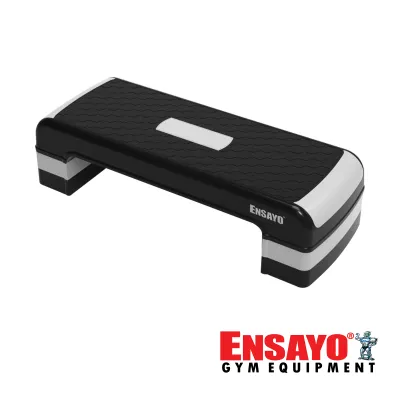
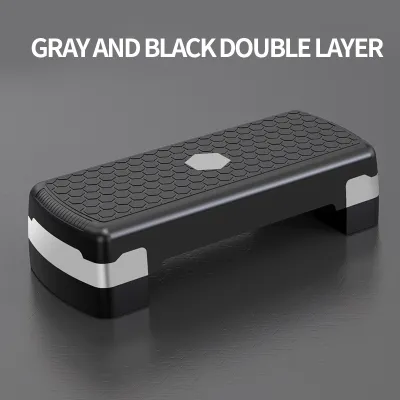
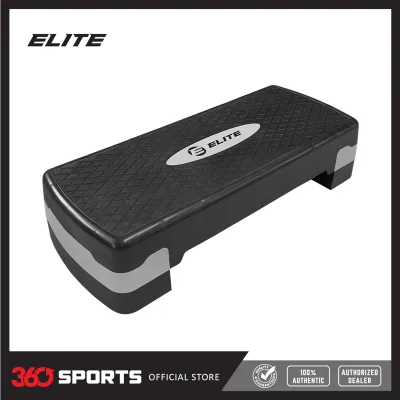
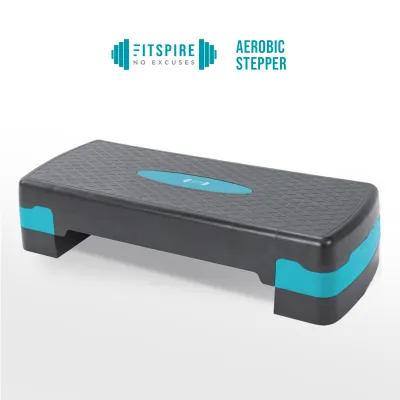
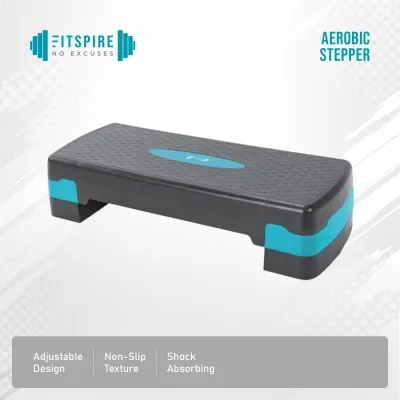
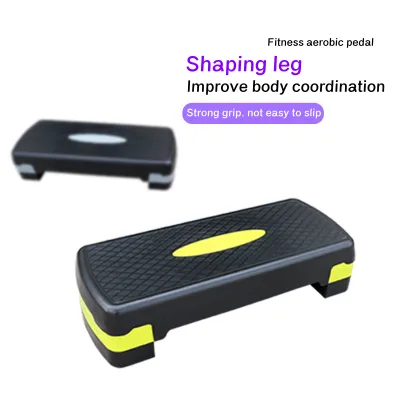
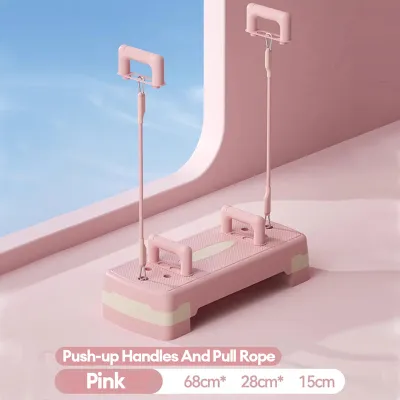
Prices are valid at publication and may change. Please refer to the product page for the latest price.
Budget considerations extend beyond the initial purchase price to include long-term value and potential operating costs. Motorized equipment can increase your monthly electricity bill and may require specialized repairs if electrical components fail. Conversely, non-motorized options have virtually zero operating costs and fewer moving parts that could break over time.
Physical health and joint considerations should guide your choice of exercise modality. If you have a history of knee, ankle, or lower back issues, high-impact activities like running may exacerbate discomfort. Noise levels are also a major factor in shared living spaces or multi-story buildings, where the vibration of a heavy machine or the thud of footsteps can easily disturb neighbors.
Finally, consider the climate and ventilation of your workout space. In tropical environments with high humidity, working out indoors can quickly lead to heavy sweating and overheating. Positioning your equipment near a window, a ceiling fan, or an air conditioning unit is essential for maintaining a comfortable and safe exercise environment.
Aerobics Step Board: Versatile and Space-Saving
An aerobics step board is one of the most adaptable and space-efficient tools you can add to a home gym. Typically constructed from high-density polyethylene with a non-slip textured surface, this simple platform allows you to perform a wide variety of cardiovascular and strength exercises. By adjusting the height with stackable risers, you can easily scale the intensity of your workout to match your current fitness level.

The low-impact nature of step aerobics makes it highly accessible. While you can perform high-impact plyometric jumps on a step board, standard step routines keep at least one foot on the platform or floor, significantly reducing joint stress compared to running. Additionally, a step board allows you to incorporate upper-body movements, dumbbells, or resistance bands, turning a simple cardio session into a full-body conditioning workout.
Beyond cardio, a step board doubles as a highly functional weight bench. You can use it for chest presses, step-ups, split squats, and tricep dips, making it an excellent multi-functional asset for strength training. This versatility means you do not need to purchase separate benches or platforms, saving both money and floor space.
Storage is where the aerobics step board truly excels. When your workout is finished, the board and its risers can be tucked under a bed, stood upright in a closet, or slid behind a sofa. This makes it an excellent option for those living in studio apartments or shared rooms where dedicated workout space is unavailable.
However, a step board has limitations if your primary goal is continuous, high-intensity steady-state cardio. Unlike motorized treadmills or heavy-flywheel spin bikes, maintaining a consistent, elevated heart rate on a step board requires active mental engagement and continuous choreography. If you prefer to zone out and watch a screen while exercising at a set pace, the active coordination required by a step board might feel less convenient.
Treadmills: Dedicated Walking and Running
Treadmills remain a popular choice for home fitness because they replicate the natural human gait of walking, jogging, and running. This familiarity makes it easy to start a routine without learning new movement patterns. Having an indoor running option is particularly valuable during extreme weather, heavy tropical rains, or periods of poor outdoor air quality.
Modern treadmills often feature advanced cushioning systems built into the deck to help absorb shock and reduce the impact on your joints. While this is gentler than running on concrete or asphalt, it still presents a higher level of joint impact than cycling or step aerobics. For those recovering from joint injuries, walking on an incline can provide a high-intensity cardiovascular workout with less impact than flat-surface running.
However, a treadmill demands a significant commitment of physical space. Even folding models require a large, dedicated area when in use, along with several feet of clear space behind the belt for safety. These machines are also exceptionally heavy, often requiring multiple people to move or assemble, which makes rearranging your room a difficult task.
Noise and vibration are inherent challenges with home treadmills. The combination of a humming motor and the repetitive impact of your feet against the deck creates low-frequency vibrations that travel easily through floors. To prevent complaints in apartment buildings, you will need to invest in thick, high-density rubber impact mats and verify your building’s rules regarding heavy fitness equipment.
Furthermore, treadmills require regular maintenance to ensure longevity. The running belt must be kept centered, tensioned correctly, and lubricated periodically with silicone oil to prevent motor strain. In humid environments, dust and moisture can accumulate under the motor cover, necessitating regular cleaning to avoid electrical short circuits.
Spin Bikes: Low-Impact Endurance and Cycling
Spin bikes offer an exceptional cardiovascular workout that targets the lower body while remaining highly joint-friendly. Because your feet remain in constant contact with the pedals, there is virtually no impact on your knees, ankles, or hips. This makes indoor cycling an excellent option for long-duration endurance training or high-intensity interval training (HIIT) without the risk of joint fatigue.
The heart of a spin bike is its flywheel, which typically weighs between 13kg and 20kg on home models. This heavy wheel provides a smooth, road-like feel that helps maintain momentum during intense efforts. Resistance is adjusted either through friction felt pads or magnetic mechanisms, with magnetic resistance being the quieter and lower-maintenance option, especially in humid climates where felt pads can degrade quickly.
A spin bike occupies a moderate footprint, generally requiring less space than a treadmill but more than a step board. Most models feature transport wheels on the front stabilizer, allowing you to roll the bike to a window or TV during your workout and tuck it into a corner afterward. The pedals often come equipped with toe cages or SPD clips, allowing you to ride with standard athletic shoes or specialized cycling cleats.
To get the most out of a spin bike and prevent injury, proper bike fit is essential. You must verify that the seat height, handlebar position, and fore-aft adjustments are tailored to your body dimensions. Incorrect posture can lead to lower back strain, knee discomfort, or wrist numbness during longer riding sessions.
Maintenance for spin bikes is relatively straightforward but necessary. You must regularly wipe down the frame to remove sweat, which can cause corrosion on metal parts in humid climates. The drive belt or chain may also require occasional inspection, and the resistance pads or magnetic mechanisms should be checked for smooth operation.
Practical Comparison: Space, Cost, and Upkeep
To choose the right equipment, it helps to compare the practical realities of owning, storing, and maintaining each option. The physical footprint and portability vary dramatically, directly impacting how easily you can integrate the gear into your daily routine.
Price points also differ widely across these categories. An aerobics step board is highly accessible, with quality models ranging from entry-level options to more robust, professional-grade platforms. Spin bikes represent a mid-to-high tier investment, while treadmills generally sit at the top of the price spectrum due to their complex motors, electronics, and heavy structural frames.
| Equipment Type | Physical Footprint | Joint Impact | Maintenance Level | Price Tier (Approximate) |
|---|---|---|---|---|
| Aerobics Step Board | Minimal (Easily stored under a bed or in a closet) | Low to Moderate (Depending on exercise choice) | Very Low (Occasional wipe down) | ₱800 – ₱3,500 |
| Spin Bike | Moderate (Requires dedicated floor space; rollable) | Very Low (Smooth, circular pedaling motion) | Moderate (Sweat cleanup, belt/chain checks) | ₱5,000 – ₱25,000+ |
| Treadmill | Large (Requires significant space and clearance) | High (Repetitive foot strikes on deck) | High (Belt lubrication, tensioning, motor care) | ₱12,000 – ₱60,000+ |
Upkeep is another factor that influences long-term satisfaction. A plastic step board requires nothing more than a quick wipe with a damp cloth after use. A spin bike requires regular wiping to prevent rust from sweat, along with occasional lubrication of moving parts. A treadmill demands the most attention, including belt alignment, deck lubrication, and electrical safety checks.
Power consumption is also a key differentiator. A treadmill can draw significant wattage during operation, which can noticeably impact your monthly electricity bill if used daily. Spin bikes and step boards require no electricity, allowing you to exercise without worrying about power consumption or proximity to outlets.
Making Your Final Decision
Your final choice should align with your space, budget, and physical needs. Each piece of equipment excels in different scenarios, making it important to match the tool to your specific lifestyle.
Choose the aerobics step board if you have limited living space, a modest budget, and want a versatile tool that supports both cardio and strength training. It is ideal for those who enjoy choreographed workouts, bodyweight exercises, and the ability to pack their gym away completely when not in use.
Choose the treadmill if your primary fitness goal is walking or running, and you want to maintain a natural gait regardless of outdoor weather. This option is best suited for those with dedicated floor space, a larger budget, and a preference for steady-state, easily trackable cardiovascular exercise.
Choose the spin bike if you want a high-intensity, low-impact workout that protects your joints while building cardiovascular endurance. It is a great middle-ground option for those with moderate space who want a durable machine capable of handling intense interval training.
Verify first if your living space can handle the weight and noise of larger machines. If you live in an apartment, check the floor load limits and building noise regulations before purchasing a heavy treadmill. Testing the equipment or verifying the return policy of your chosen online marketplace can also help ensure the machine fits your home environment perfectly.
Frequently Asked Questions (FAQ)
Can I use an aerobics step board for weight loss instead of a treadmill?
Yes, you can use an aerobics step board effectively for weight loss. Weight loss is primarily achieved by maintaining a consistent caloric deficit through a combination of physical activity and nutrition. While a treadmill offers a straightforward way to burn calories through continuous walking or running, a step board allows for dynamic, full-body movements that engage multiple muscle groups simultaneously. Choosing the equipment that you enjoy most and can use consistently over the long term is the most effective strategy for managing your weight.
Which cardio machine is the quietest for apartment living?
The aerobics step board is the quietest option, as it has no motor and produces minimal sound when used with controlled, low-impact movements. Among the mechanical options, a spin bike with a magnetic resistance system is exceptionally quiet, producing only a soft whirring sound as the flywheel spins. Treadmills are the loudest due to the combination of motor noise and the physical impact of your feet hitting the deck. If you live in an apartment, using a thick rubber vibration mat under a spin bike or treadmill can help dampen sound transmission to the floor below.

Community discussion
Share your experience or ask a question. Comments are reviewed before publication.