
Quick Answer: Essential Safety Features for a Stepper for Senior Users
Selecting a stepper for senior fitness at home requires a careful balance of cardiovascular utility and rigorous safety engineering. The most critical, non-negotiable safety features to look for include:
- Sturdy, Integrated Handrails: Full-frame, non-wobbly handles that support partial body weight and assist with balance.
- Oversized, Non-Slip Pedals: Textured footplates with raised borders to prevent slipping and accommodate natural foot adjustments.
- Adjustable Low-Resistance Hydraulics: Smooth, dampening cylinders that prevent sudden joint strain or knee locking.
- Wide, Weighted Base: A broad footprint with non-skid rubber stabilizers to prevent tipping or sliding on smooth floors.
While individual mobility, balance, and joint health dictate which features are most critical for a specific user, these core elements collectively address the primary risks of falls and joint strain. Prioritizing these features ensures that home workouts remain a safe, independent, and highly beneficial activity.
Structural Stability: Preventing Falls and Tipping
When evaluating a stepper for senior family members, structural stability is the primary defense against falls and tipping injuries. Older adults often experience subtle shifts in balance or sudden muscle fatigue during exercise, making a rock-solid foundation absolutely essential. A high-quality machine must remain completely stationary, even when the user leans their full weight to one side.
Products mentioned in this guide
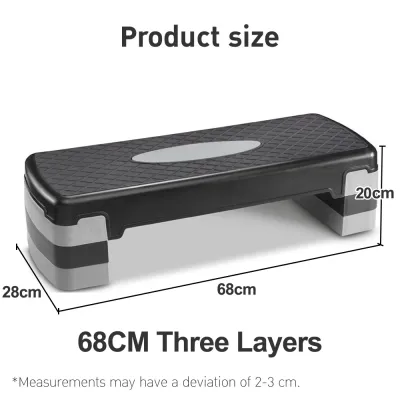
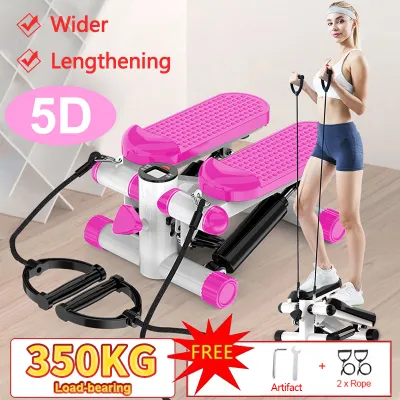
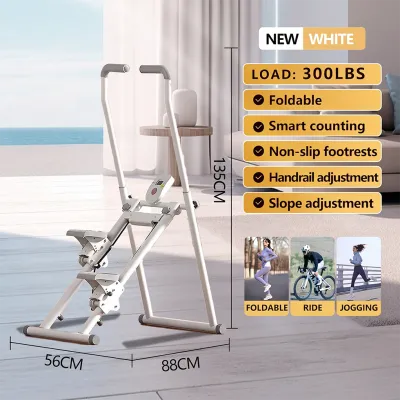
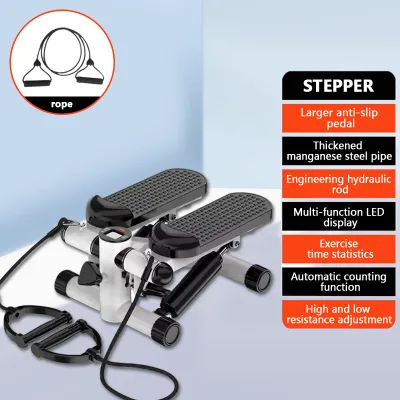
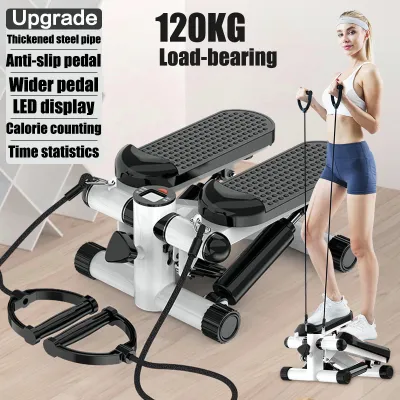
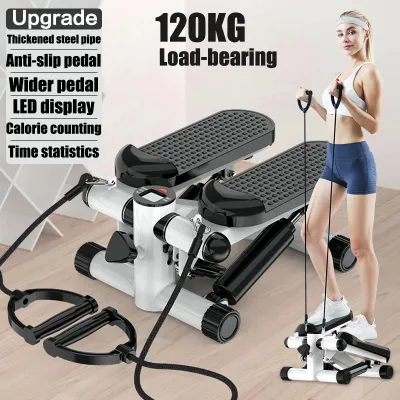
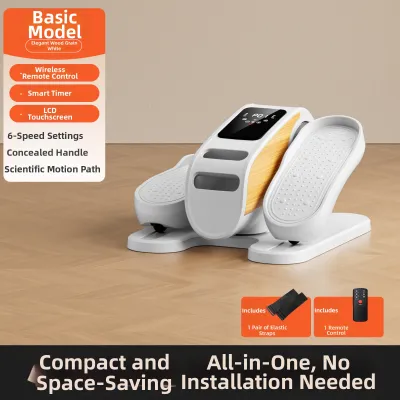
Prices are valid at publication and may change. Please refer to the product page for the latest price.

Sturdy Handrails and Support Handles
Integrated handrails are a vital component of any senior-focused stepper. Unlike compact mini-steppers that rely entirely on the user’s core balance, a model with built-in handlebars provides a continuous point of contact. Look for handles that are welded or securely bolted directly to the main steel frame rather than flimsy, screw-on accessories that wobble under pressure. The handrails should feature ergonomic, sweat-resistant foam grips that remain secure even in warm, humid conditions. If you are considering a standalone stability frame to place over a smaller stepper, verify that the frame is independently weighted and does not slide when pushed forward or sideways.
Wide and Weighted Base
The physical footprint of the stepper directly dictates its resistance to tipping. A narrow, lightweight machine can easily rock or lift off the floor during lateral weight shifts. For optimal safety, choose a stepper with a wide, flared base and a substantial frame weight—ideally at least 12 to 15 kilograms. This weight ensures the machine acts as an anchor on the floor. When a senior steps side-to-side or transfers their weight from one foot to the other, a heavy, wide-base design absorbs the kinetic energy and keeps the unit firmly planted.
Floor Grip and Leveling
The contact points between the stepper and the floor must prevent any sliding or shifting. High-quality steppers feature heavy-duty, non-skid rubber end caps or leveling feet. These rubber components are especially critical in Philippine homes, where polished ceramic tiles, marble, or smooth vinyl planks are common flooring materials. High humidity can cause a thin layer of moisture to form on these surfaces, making them slick. Adjustable leveling feet allow you to compensate for slightly uneven floors, ensuring all four corners of the machine maintain solid, uniform contact with the ground to eliminate any rocking motion.
Joint Protection: Managing Resistance and Step Range
Aging joints, reduced cartilage thickness, and slower muscle recovery times require a stepper that minimizes high-impact forces. The internal mechanics of the machine must be designed to deliver smooth, predictable resistance that protects the knees, hips, and lower back from sudden jarring movements.
Low-Resistance and Smooth Hydraulics
The heart of a stepper’s safety lies in its hydraulic cylinders or magnetic resistance system. For senior users, the resistance must be highly adjustable, starting at an ultra-low tension level. High-resistance settings force the user to stomp down with excessive force, which can lead to knee hyperextension or sudden joint locking. Smooth, high-quality hydraulic cylinders provide consistent, fluid resistance throughout the entire downward stroke. This prevents jerky transitions that can irritate arthritic joints or cause sudden spikes in cardiovascular exertion.
Step Height and Range Limiters
A deep, exaggerated stepping motion can overextend the knees and strain the hip flexors. Steppers designed with adjustable step height or built-in range limiters allow users to customize the depth of each step. By shortening the stride to a shallow, comfortable range, seniors can maintain an active cadence without forcing their joints into extreme angles. Look for machines that feature a physical stopper or dial to lock in a safe, shallow step depth, ensuring the pedal stops well before it hits the base frame.
Controlled Pacing and Rebound
A safe stepper must feature a controlled rebound mechanism. When weight is transferred to one pedal, the opposite pedal should rise at a slow, predictable pace rather than snapping back up aggressively. Sudden rebounds can catch a user off guard, disrupting their rhythm and potentially causing a loss of balance. A dampened hydraulic system ensures that both the downward descent and the upward return of the pedals are smooth, controlled, and perfectly synchronized with the user’s natural movement speed.
Footing Security: Pedal Design and Slip Prevention
The interface between the user’s feet and the stepper is a critical safety zone. Slipping off a pedal mid-stride is a common cause of balance loss and subsequent falls, making secure footing a top priority.
Non-Slip Surface Texture
Pedals must feature a highly textured surface to maximize friction between the shoe sole and the machine. Look for deep, molded-in grooves, aggressive diamond-plate patterns, or high-traction rubberized inserts. In tropical climates, sweat can easily drip onto the pedals during a workout, turning smooth plastic surfaces into severe slip hazards. A deeply textured or rubber-coated pedal ensures that even if moisture is present, the user’s shoes will maintain a firm, unyielding grip.
Oversized Pedal Dimensions
Seniors often exhibit a wider, more cautious gait or may slightly shuffle their feet due to joint stiffness. Standard, narrow pedals force the user to maintain a highly precise foot placement, which becomes increasingly difficult as physical fatigue sets in. Oversized pedals—measuring at least 30 centimeters in length and 13 centimeters in width—provide a generous target area. This extra space accommodates various foot placements, allows the user to adjust their stance to relieve joint pressure, and prevents the foot from accidentally hanging over the edge.
Raised Edges or Lip Guards
A highly effective but often overlooked safety feature is the presence of raised borders or lip guards around the perimeter of the pedals. These raised edges, typically 1 to 2 centimeters high at the front and sides, provide crucial tactile feedback. As the senior steps, they can feel the physical boundaries of the pedal through their shoe soles without needing to look down. This allows them to keep their head up and eyes forward, which is essential for maintaining proper posture and balance during the exercise.
Safe Home Setup and Daily Usage Precautions
Even the safest stepper can become a hazard if it is poorly positioned or used incorrectly. Integrating the machine into a home environment requires careful spatial planning and the establishment of safe daily habits.
Clearance and Environment
When configuring a home gym or placing a stepper in a condo living area, spatial clearance is paramount. Ensure there is a clear safety zone of at least 1 meter on all sides of the stepper. The area must be completely free of loose rugs, electrical cords, low coffee tables, or sharp furniture corners that could cause a trip or exacerbate an accidental fall. Position the stepper near a wall or a sturdy, non-moving piece of furniture if extra physical reassurance is needed, but ensure the immediate stepping area remains entirely unobstructed.
Proper Footwear vs. Barefoot
Under no circumstances should senior users operate a stepper barefoot, in socks, or in loose slippers. Socks offer virtually zero traction on plastic or rubber pedals, while barefoot stepping lacks the structural support needed to protect the arches of the feet and the ankles. Always wear supportive, clean indoor athletic shoes with non-slip rubber outsoles. The shoes should feature secure laces or hook-and-loop straps to prevent tripping hazards, providing both the grip and the shock absorption necessary to protect aging joints.
Medical Clearance and Pacing
Before introducing a stepper into a daily routine, it is essential to consult a physician or a physical therapist to ensure the exercise is appropriate for the user’s specific health profile. When starting, begin with short, low-intensity sessions of just 5 to 10 minutes. The user should keep both hands firmly planted on the handrails, focusing on a slow, rhythmic pace rather than speed. This initial period allows the senior to assess their balance, monitor their heart rate, and gauge how their knees and hips respond to the movement before gradually increasing duration or resistance.
Warning Signs: When to Stop or Avoid Using the Stepper
While regular low-impact exercise is highly beneficial, seniors and caregivers must remain vigilant for physical signals that indicate it is time to stop the workout immediately.
Physical Red Flags
Stop using the stepper immediately if any of the following symptoms occur:
- Dizziness or Lightheadedness: This can indicate a sudden drop in blood pressure or dehydration.
- Sharp or Sudden Joint Pain: Unlike mild muscle fatigue, sharp pain in the knees, hips, or lower back indicates joint strain or potential injury.
- Chest Discomfort or Tightness: Any pressure, pain, or unusual fluttering in the chest requires immediate medical attention.
- Shortness of Breath: Difficulty catching one's breath, beyond normal workout exertion, is a sign to stop and rest.
- Sudden Loss of Balance: If the user feels unsteady or unable to maintain their footing despite holding the handrails, they should step down safely.
Contraindications
Certain pre-existing medical conditions may make a standing stepper unsuitable. Individuals suffering from severe osteoporosis, acute joint inflammation, recent lower-body surgeries (such as hip or knee replacements), or severe vertigo should avoid using a stepper unless explicitly cleared and supervised by a medical professional. In these scenarios, alternative low-impact exercises—such as seated pedal exercisers, recumbent stationary bikes, or supervised water aerobics—often provide a safer path to maintaining cardiovascular health and mobility.
Frequently Asked Questions (FAQ)
Is a mini stepper without handles safe for seniors?
No, a mini stepper without handles is generally not recommended for seniors due to the high risk of falls. These compact devices require excellent baseline balance and core strength to operate safely. If a mini stepper must be used, it should be placed directly in front of a highly stable, heavy, and non-moving surface—such as a secured kitchen counter—to provide a reliable handhold, though a dedicated stepper with an integrated, weighted stability frame is always the far safer choice.
Can using a stepper worsen knee arthritis?
Using a stepper can worsen knee arthritis if the machine is set to a high resistance level or if the step depth is too deep, as this places excessive compressive force on the joint cartilage. However, when used on a low-resistance setting with a shallow, controlled step range, a stepper can actually help strengthen the supporting muscles around the knee. If sharp joint pain occurs during use, stop immediately and consult a healthcare provider.
Community discussion
Share your experience or ask a question. Comments are reviewed before publication.