
Quick Answer: Which Cardio Machine Should You Choose?
Selecting the ideal cardio machine for your home setup is not about finding a single, universally superior option. Instead, the right choice depends entirely on your joint health, available floor space, and specific fitness targets. If you are working with limited square footage and want to focus on lower-body muscle activation, a compact stepper is an excellent fit. For those who want to simulate natural running mechanics and build bone density, a treadmill remains the traditional standard. If your priority is high-intensity cardiovascular training that minimizes joint stress, a spin bike offers a highly adjustable, low-impact alternative.
Understanding Your Options: Steppers, Treadmills, and Spin Bikes
Each of these three machines targets cardiovascular endurance through distinct mechanical movements, appealing to different user profiles and fitness levels. While some users seek high-intensity interval training, others require steady-state recovery sessions. It is important to note that performance metrics, such as exact energy expenditure, are highly variable and depend on your individual effort, weight, and the machine’s resistance settings. Rather than focusing on generalized calorie estimates, you should evaluate how each machine aligns with your preferred workout style and your ability to maintain a consistent routine.

Steppers for Exercise
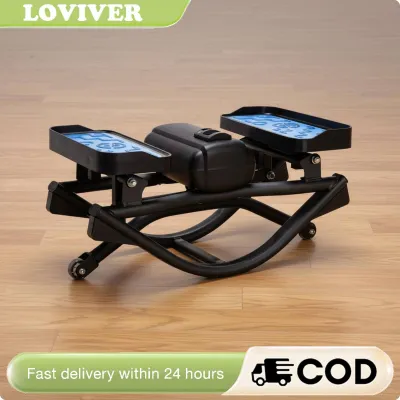
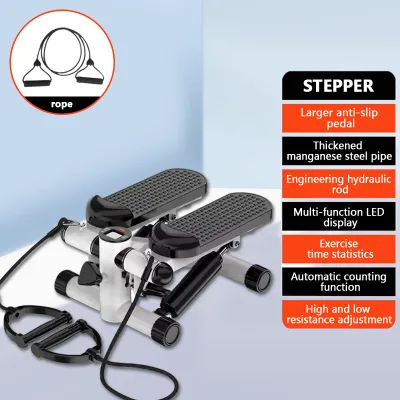
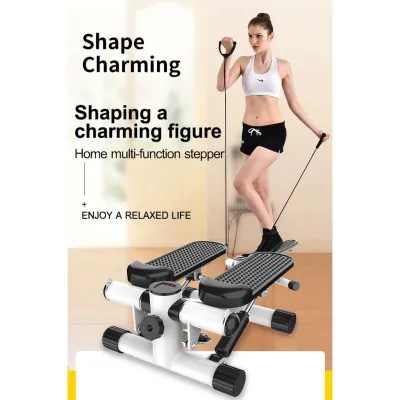
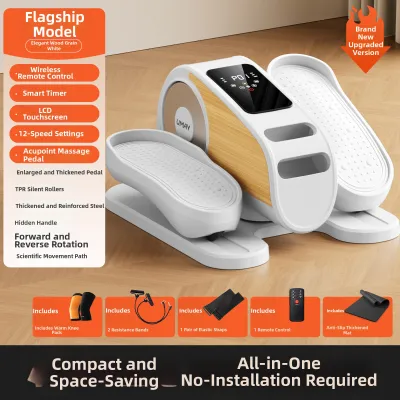
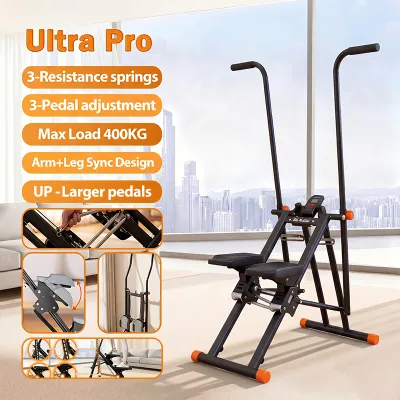
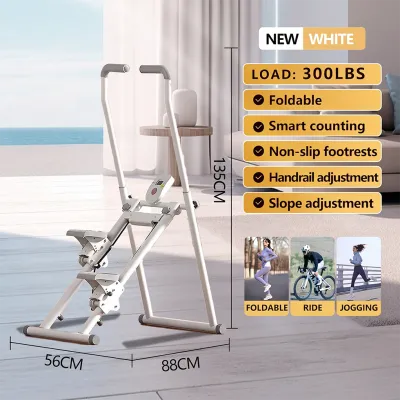
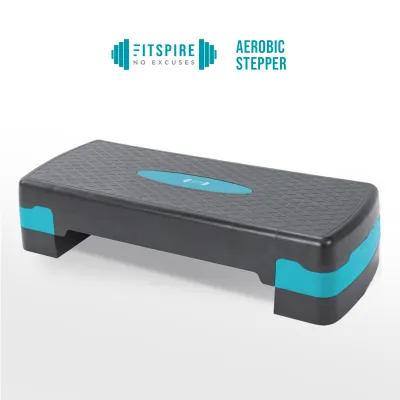
Steppers for exercise mimic climbing stairs, providing a concentrated workout that heavily engages the lower body, specifically targeting the glutes, calves, hamstrings, and quadriceps. Because your feet remain in contact with the pedals, they offer a lower-impact alternative to running, reducing immediate joint shock. However, maintaining proper posture is critical; leaning too far forward or locking your knees can introduce unwanted strain on the patellar tendons.
Products mentioned in this guide
Prices are valid at publication and may change. Please refer to the product page for the latest price.
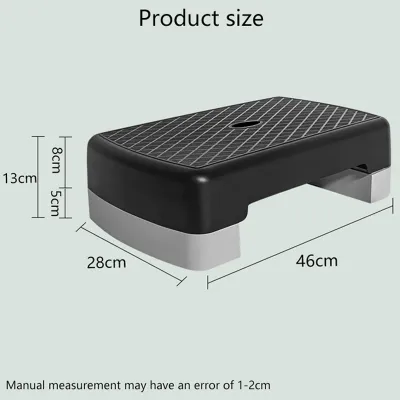
For apartment dwellers, space efficiency is a major advantage of mini-steppers, which easily tuck under a bed. When shopping, verify the manufacturer’s specified weight capacity and step height limits. Larger stair-climber models offer robust handrails but require significantly more vertical clearance, which must be measured against your ceiling height before purchase.
Treadmills
Treadmills allow you to walk, jog, or run indoors, simulating outdoor terrain with adjustable speed and incline settings. This makes them excellent for functional, weight-bearing exercise that closely mirrors daily human movement. However, running generates higher joint impact than cycling or stepping, making proper athletic footwear and built-in deck shock absorption crucial for long-term comfort.
Because treadmills feature a moving belt and motorized drive system, they have a larger physical footprint and require more maintenance. In tropical climates where indoor humidity can be high, checking electrical specifications and ensuring proper ventilation around the motor cover is vital to prevent overheating. You must also measure your dedicated workout area carefully, keeping in mind that treadmills require a clear safety zone behind the belt.
Spin Bikes
Spin bikes provide a high-intensity, low-impact cardiovascular workout by simulating outdoor road cycling. Because you remain seated, this exercise is exceptionally gentle on the knees, ankles, and hips, making it a preferred option for active recovery. The intensity relies on manual or magnetic resistance adjustments combined with your pedaling cadence, allowing smooth transitions between endurance flats and heavy climbs.
To ensure a safe ride, bike adjustability is paramount. High-quality spin bikes allow you to modify both seat and handlebar positions to match your body proportions. An improper bike fit can lead to poor alignment, resulting in lower back discomfort or repetitive knee strain. Additionally, verify the stability of the frame and the security of the pedal straps before beginning high-speed interval sessions.
Key Comparison Dimensions for Your Home Gym
When building a home gym, practical daily factors dictate which machine will keep you motivated over time. Comparing these options across space, safety, and maintenance requirements helps prevent post-purchase regret.
Space and Storage: Mini-steppers are the undisputed winners for tight spaces, requiring minimal floor area. Treadmills demand a substantial permanent footprint and are heavy to relocate. Spin bikes occupy a middle ground; they are narrower than treadmills and often feature transport wheels for easy storage.
Joint Impact and Safety: Treadmills carry the highest impact, requiring careful attention to running form and a safety stop clip. Spin bikes and steppers keep your feet in constant contact with the machine, virtually eliminating landing shock. However, spin bikes require secure pedal straps, while steppers require stable handrails or a balanced posture to prevent tipping.
Noise and Maintenance: Motorized treadmills generate the most noise, combining motor hum with foot strikes. Spin bikes with magnetic resistance are exceptionally quiet, requiring minimal upkeep beyond wiping down sweat to prevent corrosion. Steppers are also relatively quiet, though mechanical linkages require periodic lubrication to prevent squeaking, especially in humid environments.
| Dimension | Steppers | Treadmills | Spin Bikes |
|---|---|---|---|
| Physical Footprint | Very low (mini) to moderate (stair climbers) | High; requires dedicated floor space | Moderate; narrow and relatively compact |
| Joint Impact Level | Low; continuous foot contact | Moderate to high; dependent on speed | Very low; seated weight distribution |
| Primary Muscle Focus | Glutes, calves, and thighs | Calves, hamstrings, and core | Quadriceps, hamstrings, and calves |
| Noise Level | Low; minor mechanical or hydraulic sound | Moderate to high; motor and foot strikes | Very low; especially magnetic models |
| Key Maintenance | Hydraulic check and joint lubrication | Belt alignment, tensioning, and lubrication | Sweat cleanup and pedal tightening |
How to Choose the Right Machine for Your Fitness Goals
To finalize your decision, you must weigh your personal fitness objectives against your home environment and physical comfort.
Choose a Stepper if:
- Your primary goal is targeted lower-body muscle toning, specifically focusing on the glutes and thighs.
- You live in a compact apartment or condo where floor space is at a premium and large equipment is impractical.
- You prefer a steady, moderate-intensity workout that can easily be done while watching television or working at a standing desk.
Choose a Treadmill if:
- You are training for outdoor walking, jogging, or running events and need to maintain natural gait mechanics.
- You want a weight-bearing exercise that helps support bone density and overall functional mobility.
- You have a dedicated workout room or garage with ample clearance and a stable, level floor.
Choose a Spin Bike if:
- You enjoy high-energy, high-intensity interval training (HIIT) or structured indoor cycling classes.
- You require a strictly low-impact workout to accommodate sensitive joints or recover from previous impact injuries.
- You want a quiet machine that allows you to exercise early in the morning or late at night without disturbing others.
Verify First if:
- You have pre-existing lower back or knee conditions; a professional medical consultation is recommended to determine which movement pattern is safest for you.
- Your home has strict noise limits or thin flooring, which may require specialized equipment mats to dampen vibrations.
What to Verify Before You Buy
Before finalizing your purchase, performing a few practical checks can save you from logistical headaches. First, measure your intended workout space carefully. For both steppers and treadmills, you must calculate the total height of the machine’s deck plus your own height to ensure you will not hit the ceiling during use. Additionally, leave at least two feet of clear space on all sides of the machine for safe mounting and dismounting.
Next, inspect the manufacturer’s technical specifications. Always verify the maximum user weight capacity to ensure the frame can safely support your body weight during dynamic movement. If you are purchasing a motorized treadmill or an interactive spin bike, check the electrical requirements to confirm your home outlets are compatible, and verify whether the machine’s console requires a continuous internet connection or a paid monthly subscription to access workout programs. Finally, review the seller’s return policy, paying close attention to who covers the cost of return shipping for heavy fitness equipment, which can easily exceed ₱2,000, as these fees can be substantial.
Frequently Asked Questions (FAQ)
Are steppers bad for your knees?
Steppers are generally considered a low-impact exercise because your feet do not leave the pedals, which eliminates the harsh landing forces associated with running. However, they can cause knee discomfort if used with poor form. Leaning too far forward, locking your knees at the top of the stroke, or using a step height that forces your knees to bend past a ninety-degree angle can place excessive stress on the joints. To protect your knees, maintain an upright posture, keep a slight bend in your joints, and consult a physical therapist if you have a history of joint pain.
Can I use a spin bike if I have back pain?
Whether you can comfortably use a spin bike with back pain depends heavily on your specific condition and the bike’s setup. The forward-leaning posture required by traditional spin bikes can sometimes aggravate lower back strain or disc issues. To mitigate this, look for a bike with highly adjustable handlebars that allow you to ride in a more upright position. Adjusting the seat height so your hips do not rock side-to-side while pedaling is also crucial. If you experience persistent back pain, consult a healthcare professional before starting an indoor cycling routine.

Community discussion
Share your experience or ask a question. Comments are reviewed before publication.