
Building a home gym in the Philippines requires balancing fitness aspirations with practical living conditions. High humidity, limited condominium floor plans, and concrete floor structures all influence which exercise equipment will serve you best over the long term. Choosing between steppers, treadmills, spin bikes, and rowing machines is not about finding a universal winner, but rather about matching a machine’s mechanics to your joints, space, and training goals.
Each of these four cardio options targets different muscle groups and demands varying amounts of physical space. Steppers offer a highly compact, lower-body-focused workout that spares your joints from heavy impact. Treadmills provide the most natural translation of daily walking and running but require significant floor space and robust shock absorption. Spin bikes excel at high-intensity interval training within a modest footprint, while rowing machines offer a comprehensive full-body workout that engages both the upper and lower body simultaneously. Understanding these distinctions allows you to invest in a machine that you will actually use consistently.
Understanding Your Fitness Goals and Space Constraints
Before browsing online marketplaces or visiting local fitness showrooms, you must define your primary training objectives. If your main goal is lower-body toning and glute activation, your equipment needs will differ vastly from someone seeking full-body conditioning or high-intensity cardiovascular endurance. For instance, high-intensity interval training (HIIT) requires rapid resistance transitions, which are easier to execute on a spin bike than on a manual stepper.
Products mentioned in this guide
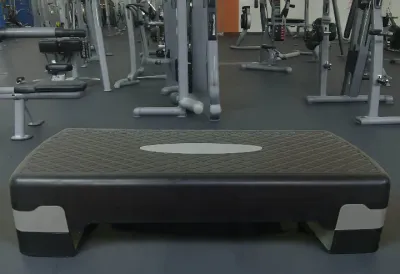
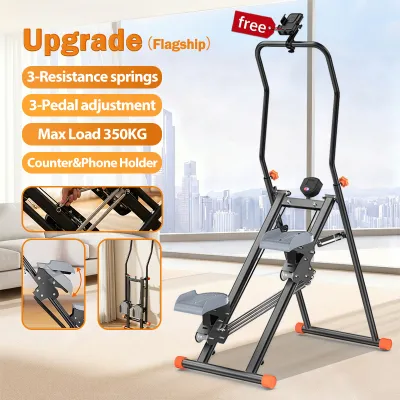
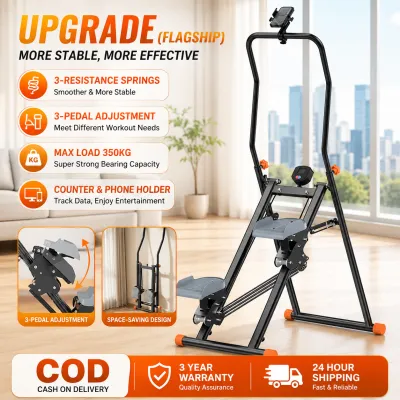
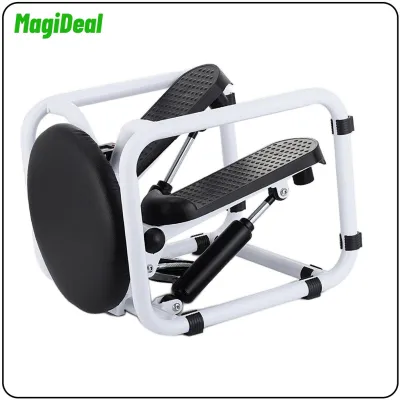
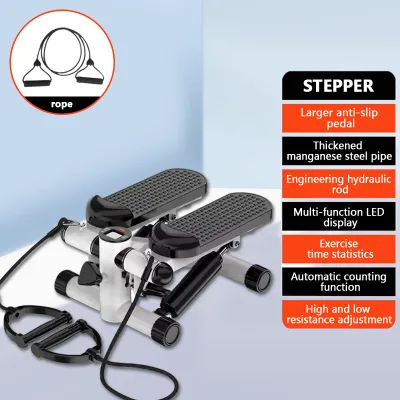

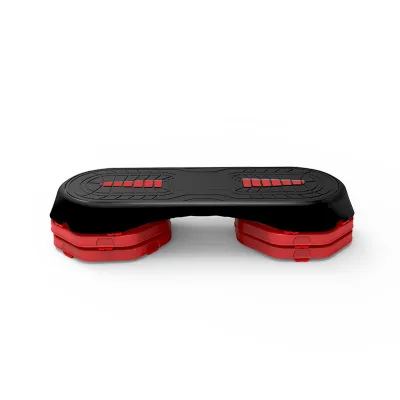
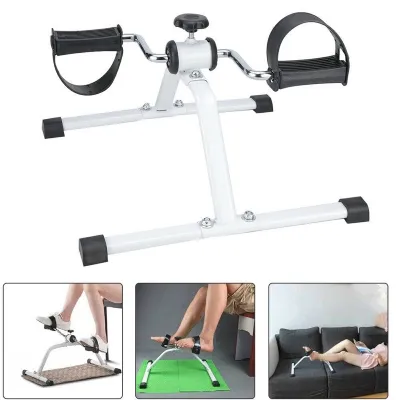
Prices are valid at publication and may change. Please refer to the product page for the latest price.
Physical space is often the ultimate deciding factor in Philippine households. You must measure not only the static footprint of the machine but also the active clearance zone required during operation. Consider your ceiling height; a stepper or a treadmill on an incline raises your body significantly, which can be a safety hazard if you have low ceilings or low-hanging ceiling fans. Additionally, evaluate the floor load capacity and noise transmission, especially if you live in a multi-story townhouse or a high-rise condominium where vibrations can easily disturb neighbors below.
Joint health and physical limitations must also guide your decision. High-impact activities like running on a treadmill can exacerbate knee or ankle issues, whereas low-impact alternatives like steppers, spin bikes, and rowing machines keep your feet in constant contact with the equipment. If you are recovering from an injury or have specific mobility constraints, consulting a physical therapist or checking the equipment’s impact specifications is a necessary first step.
Steppers for Exercise: Low-Impact Lower Body Focus
When considering steppers for exercise, the primary appeal lies in their ability to isolate and strengthen the lower body without the harsh joint impact associated with running. The stepping motion directly targets the glutes, quadriceps, hamstrings, and calves. Because your feet never leave the pedals, the vertical forces on your knees and ankles are minimized, making this an excellent option for individuals seeking a joint-friendly workout.

In terms of space efficiency, steppers for exercise are virtually unmatched in the cardio category. Mini-steppers can easily be tucked under a desk, inside a closet, or beneath a bed when not in use, making them highly popular for compact urban apartments. Even larger, commercial-style stepmills occupy a fraction of the floor space required by a treadmill or a rowing machine, allowing you to maintain an open living area.
However, steppers do have distinct limitations that you must consider. They offer minimal upper-body engagement, meaning you will need to supplement your routine with separate upper-body exercises if you want a balanced workout. Additionally, the maximum cardiovascular ceiling on a compact stepper is generally lower than what you can achieve on a treadmill or a spin bike, as the range of motion and speed are mechanically constrained.
To ensure you select a durable model, always verify the product specifications before purchasing. Check the maximum weight capacity, the pedal stroke length, and the build quality of the hydraulic cylinders. High-quality cylinders are essential for maintaining smooth, consistent resistance and preventing the pedals from sinking too quickly during extended workouts.
Treadmills: Versatile Walking and Running
Treadmills remain the benchmark for home cardio because they replicate the natural human gait. Whether you prefer a leisurely walk, a brisk incline hike, or a high-speed run, a treadmill allows you to train using natural movement patterns. The ability to adjust both speed and incline makes the treadmill incredibly versatile, accommodating everyone from beginners to seasoned marathon runners.
Despite their versatility, treadmills demand a substantial amount of dedicated floor space. Even folding models require a clear safety zone behind the belt to prevent injuries in the event of a fall. Taller users must pay close attention to the belt length; a running deck that is too short can restrict your natural stride, forcing you to alter your form unsafely.
Joint impact is another critical consideration when choosing a treadmill. Running on a treadmill is generally more forgiving than running on concrete roads, but it still subjects your joints to repetitive vertical impact. When shopping, check the deck cushioning specifications on the manufacturer’s label to ensure the machine offers adequate shock absorption to protect your knees and lower back.
Noise and vibration transfer are common challenges with home treadmills, particularly in shared living spaces or multi-story buildings. The impact of your feet striking the deck can create low-frequency noise that travels through walls and floors. To mitigate this, look for models with quiet motor designs and consider placing a heavy-duty rubber equipment mat underneath the machine to absorb vibrations.
Spin Bikes: High-Intensity and Endurance Training
Spin bikes are designed to mimic the geometry and feel of a road bicycle, making them the go-to choice for high-intensity interval training (HIIT) and cardiovascular endurance. The heavy flywheel provides smooth momentum, allowing you to transition seamlessly from high-speed sprints to heavy, high-resistance climbs. This makes spin bikes exceptionally effective for burning calories and building lower-body stamina.
Proper biomechanics are crucial when using a spin bike to prevent strain on your knees and lower back. Look for a bike that offers multi-directional adjustability for both the seat (height and fore/aft position) and the handlebars. Being able to align your knees correctly over the pedals ensures a safe and comfortable riding position, especially during long endurance sessions.
When evaluating spin bikes, pay close attention to the resistance mechanism. Magnetic resistance systems are highly recommended for home use because they operate almost silently and require virtually no maintenance. Friction resistance systems, which use felt pads to grip the flywheel, are often more budget-friendly but generate more noise and require periodic pad replacement as they wear down.
The compact footprint of a spin bike makes it highly adaptable to dedicated workout corners. Unlike treadmills or rowing machines, a spin bike takes up very little horizontal space, allowing you to position it easily near a window or in a corner of your bedroom without disrupting the flow of the room.
Rowing Machines: Full-Body Conditioning
If you are looking for a single machine that delivers a comprehensive, full-body workout, the rowing machine is an outstanding candidate. Unlike cardio equipment that focuses primarily on the lower body, rowing engages approximately 86 percent of your muscles. Each stroke distributes the effort across your legs, core, back, and arms, providing both cardiovascular conditioning and muscular endurance training simultaneously.
However, rowing machines have a steeper learning curve than treadmills or steppers. Proper technique is essential to maximize the benefits and prevent lower back strain. The movement must initiate from the legs (the drive), transfer through the core, and finish with the arms, followed by a controlled recovery phase. If you are unwilling to spend time mastering this form, you may run the risk of injury.
Storage is another factor to analyze, as rowing machines have a long horizontal footprint during use. Fortunately, many modern rowers are designed with space-saving features, such as folding frames or the ability to stand the machine completely upright against a wall. Always measure your room’s length to ensure you have enough space to fully extend the seat rail during your workout.
Rowing machines utilize different resistance mechanisms—water, air, or magnetic—each with its own noise profile. Air and water rowers provide a dynamic response where the resistance increases the harder you pull, but they can be quite loud. Magnetic rowers offer silent operation and manual resistance adjustments, making them highly suitable for shared living spaces where noise must be kept to a minimum.
Equipment Comparison Matrix: Specs and Setup Checks
To help you verify which machine fits your home environment, use the following comparison matrix to evaluate typical specifications and spatial requirements.
| Equipment Type | Typical Footprint | Primary Muscle Focus | Impact Level | Noise Profile |
|---|---|---|---|---|
| Steppers | Very Compact | Glutes, Quads, Calves | Low | Silent to Low |
| Treadmills | Large | Full Lower Body | Medium to High | Medium to High |
| Spin Bikes | Moderate | Quads, Hamstrings, Calves | Low | Silent (Magnetic) |
| Rowing Machines | Long | Full Body (Legs, Core, Back, Arms) | Low | Low to High |
Before finalizing your setup, perform these essential checks:
- Ceiling Clearance: Measure your ceiling height. Add your own height plus the step-up height of the stepper or treadmill deck to ensure you have at least 30 centimeters of clearance.
- Power Requirements: Verify if the machine requires a dedicated electrical outlet. Many treadmills demand high wattage, while most compact steppers and manual spin bikes require no external power.
- Maintenance Routine: Plan for regular upkeep. Treadmills require periodic belt lubrication and alignment checks; spin bikes need seat post tightening; rowing machines require chain or strap inspections; and steppers need hydraulic cylinder checks.
How to Make Your Final Decision
Your final choice should align with your physical space, joint health, and training preferences. If you live in a compact apartment with limited floor space and want a straightforward, low-impact workout that targets your lower body, investing in steppers for exercise is a highly practical decision. They are easy to store, quiet, and highly effective for daily movement.
If you prefer natural walking or running mechanics, have ample floor space, and do not mind a louder machine, a treadmill is the ideal match. For those who thrive on high-intensity interval training, cycling classes, and want a compact machine with minimal joint impact, a spin bike is the most logical choice. If your goal is maximum efficiency through full-body conditioning and you are committed to learning proper form, a rowing machine will deliver the most comprehensive workout.
Regardless of which machine you choose, always verify the manufacturer’s warranty terms, return policies, and the availability of local after-sales service in the Philippines. Ensuring that replacement parts and professional technicians are accessible locally will protect your investment and keep your home gym running smoothly for years to come.
Frequently Asked Questions (FAQ)
Which cardio machine is best for small apartments?
For small apartments, mini-steppers and spin bikes are generally the most practical options due to their compact footprints. While folding treadmills and upright rowing machines can be stored away, they still require a large open area during active use. Always measure your doorways, hallways, and elevator dimensions before ordering to ensure the delivery box can physically enter your home. Additionally, remember to measure the active usage space—including safety clearance zones—rather than just the folded storage dimensions.
How do I maintain a stepper's hydraulic cylinders?
Maintaining a stepper’s hydraulic cylinders requires regular visual inspections to check for fluid leaks or signs of uneven resistance. Over time, heat and friction can cause the hydraulic fluid to degrade or escape, which reduces the machine’s effectiveness. Always consult the manufacturer’s manual for specific lubrication guidelines or recommended replacement intervals. If you notice the pedals sinking too quickly, failing to return smoothly, or generating excessive heat, stop using the machine immediately and contact the manufacturer for replacement parts.
Community discussion
Share your experience or ask a question. Comments are reviewed before publication.