
If you play high-impact or combat sports, a custom-made mouth guard is the gold standard for protection and comfort. For moderate-impact activities or growing athletes, a boil-and-bite guard offers a practical, heat-molded compromise. If you need immediate, low-cost protection for light activities, a stock guard is readily available but offers minimal retention.
The choice balances upfront cost against long-term dental protection. While a basic guard costs very little, a dental emergency from a poorly fitted guard can cost thousands of pesos in restorative treatments.
If you have braces, implants, or complex dental work, always consult your dentist or orthodontist before purchasing any over-the-counter option.
Products mentioned in this guide
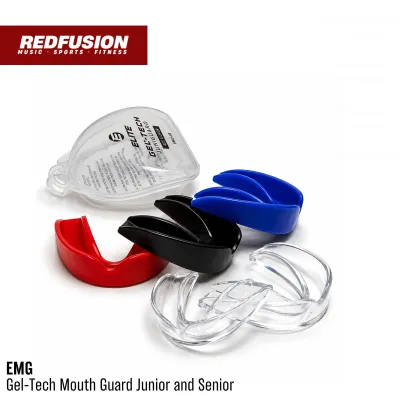
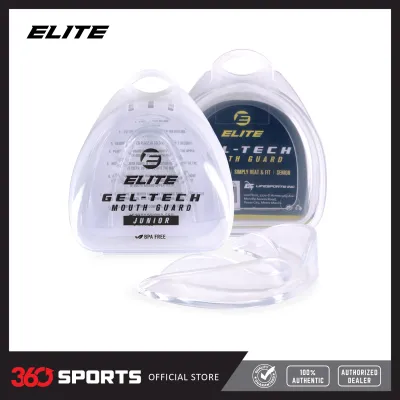
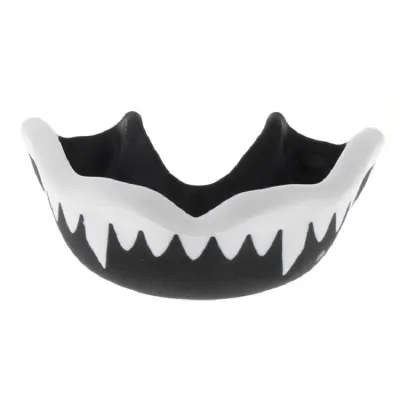
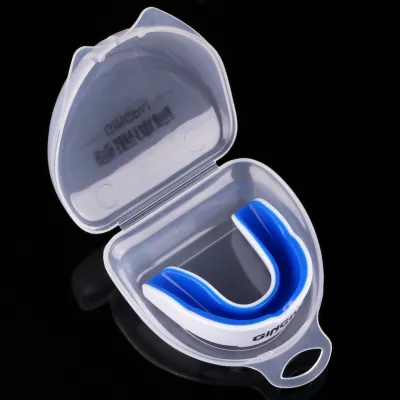
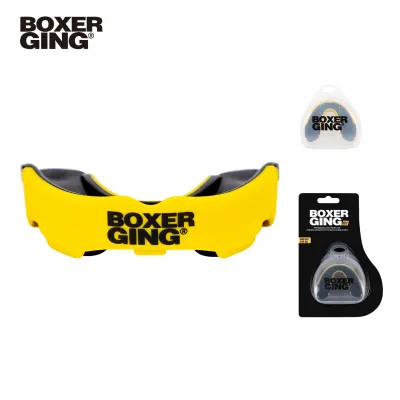
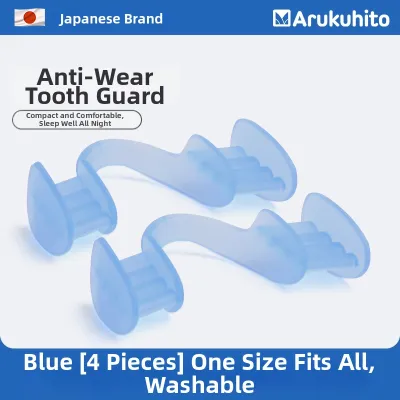
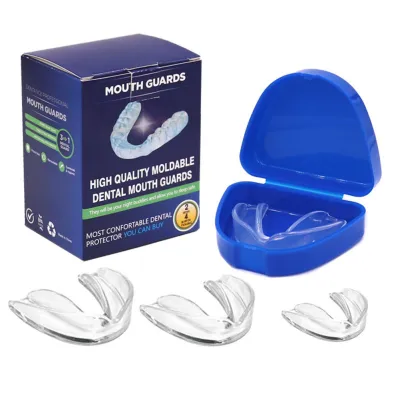
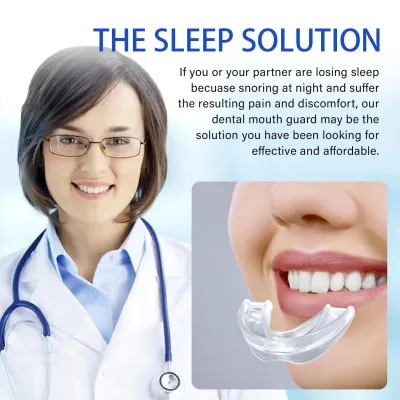
Prices are valid at publication and may change. Please refer to the product page for the latest price.
Comparing the Three Main Mouth Guard Categories
Mouth guards serve as a physical barrier that helps distribute impact forces across your dental arch. They differ primarily in how they are manufactured and fitted to your teeth.
Pre-formed options are ready to wear immediately but cannot be adjusted. Molded options use thermoplastic materials that soften when heated, allowing you to shape them at home. Professionally crafted options require a physical or digital impression of your teeth to create a precise, multi-layered dental appliance.
Certain dental conditions, such as loose teeth, active orthodontic treatment, or severe misalignments, can restrict the use of over-the-counter types. Using an ill-fitting guard under these conditions can apply uneven pressure, potentially worsening dental issues.
Stock Mouth Guards: Pre-Formed and Ready to Use
Stock mouth guards are mass-produced, pre-shaped plastic trays that you wear straight out of the package. Because they are not molded to your unique dental structure, they rely entirely on constant jaw pressure to stay in place.
This lack of customization significantly impacts your ability to breathe deeply and speak clearly. You must keep your teeth clenched to prevent the guard from shifting or falling out, which can quickly lead to jaw fatigue during intense physical activity.
The primary advantages of stock guards are their low upfront cost and immediate availability in local sporting goods stores. They are best reserved for temporary, low-impact scenarios, such as a single-day corporate sports event, or as an emergency backup in your gear bag.
Boil-and-Bite Mouth Guards: Heat-Molded at Home
Boil-and-bite mouth guards are made from thermoplastic materials, such as ethylene-vinyl acetate (EVA), which soften when submerged in hot water. Once softened, you bite into the material and use your fingers, tongue, and suction to mold it around your teeth and gums.
To achieve a proper fit, you must strictly follow the manufacturer’s packaging instructions regarding water temperature and immersion timing. Overheating can melt the material or cause severe burns, while underheating prevents the guard from taking a proper impression of your teeth.
The quality of the final fit varies widely based on your molding execution and the thickness of the guard’s walls. If molded correctly, they offer a secure, semi-custom fit suitable for moderate-impact sports like basketball or football. They are also highly practical for growing teenage athletes whose dental structures are constantly changing, as many models can be remolded multiple times.
Custom Mouth Guards: Professionally Crafted for Your Teeth
Custom mouth guards represent the highest tier of dental protection and are fabricated in a professional dental laboratory. The process begins with your dentist taking a precise physical impression or a 3D digital scan of your upper teeth and gums.
Technicians then use these models to vacuum-form or pressure-laminate multiple layers of high-grade dental materials. This precise manufacturing process allows for controlled material thickness, ensuring maximum protection in high-impact zones while keeping non-impact areas thin and comfortable.
The result is superior retention and comfort; a custom guard stays firmly in place even when you open your mouth to speak, breathe heavily, or drink water. This type is highly recommended for high-impact athletes, martial artists, and individuals with specific dental requirements, such as crowns, bridges, or a history of dental trauma.
How to Evaluate Protection, Comfort, and Durability
When choosing a mouth guard, you must evaluate how its design translates to real-world protection. A protective guard must have sufficient material thickness (typically 3 to 5 millimeters for contact sports) to absorb and distribute impact forces. It must also cover your entire dental arch, extending to the first or second molars, and remain securely in place during a collision to prevent your teeth from knocking together.

Comfort directly influences whether you will actually wear your guard throughout a game or training session. A well-fitted guard reduces the gag reflex by avoiding contact with the soft palate at the back of your mouth. It should also allow you to breathe efficiently through your mouth during high-exertion activities, which is critical for maintaining athletic performance.
Durability is another key factor to verify. Over time, constant biting, chewing, and exposure to saliva will degrade the material. You should regularly inspect your guard for signs of wear, such as thinning walls, tearing, or a loss of its original molded shape. A guard that has lost its structural integrity or no longer grips your teeth securely will fail to provide adequate protection during an impact.
Budget and Value: Weighing Upfront Costs Against Long-Term Protection
Mouth guards are available across three distinct pricing tiers in the market. Stock guards are the most economical, typically retailing for under ₱500. Boil-and-bite options represent the mid-range tier, generally costing between ₱500 and ₱2,500 depending on the brand and material technology. Custom-made guards from a dentist are a premium investment, often starting at ₱5,000 and going higher depending on the complexity of the fabrication.
When evaluating these costs, consider the cost-per-use and the expected replacement frequency. Stock and boil-and-bite guards tend to wear out faster, especially if you tend to chew on your gear, requiring replacement every few months. In contrast, a high-quality custom guard can last for several seasons if your dental structure remains stable and you maintain it properly.
It is helpful to frame the upfront investment of a custom guard as preventive care. Reconstructing a chipped tooth, treating a root fracture, or replacing a knocked-out tooth with a dental implant can cost tens of thousands of pesos. Investing in a highly protective, professionally fitted guard significantly reduces the risk of these expensive dental emergencies.
How to Choose Based on Your Sport and Dental Profile
To finalize your decision, align your choice with your specific sport and physical profile.
Sport Intensity Matrix
- High-Impact & Combat Sports: For sports like boxing, mixed martial arts (MMA), taekwondo, and rugby, a custom mouth guard is highly recommended due to the direct, high-velocity impacts to the face.
- Moderate-Impact Sports: For basketball, soccer, volleyball, and skateboarding, a high-quality boil-and-bite guard often provides sufficient protection and comfort for recreational play.
- Low-Impact or Non-Contact Sports: For weightlifting (where teeth grinding is the primary concern) or casual cycling, a basic boil-and-bite or a thin stock guard may suffice to prevent jaw strain.
Physical Considerations
- If you wear braces or retainers, standard boil-and-bite guards can pose a serious hazard by locking onto your brackets. You must look for specialized orthodontic mouth guards made of medical-grade silicone that fit loosely over braces and allow room for teeth to move.
- For those with sensitive gums or a strong gag reflex, a custom-molded guard is often the only comfortable option, as a dentist can trim the edges to avoid irritating sensitive soft tissues.
Verification Steps
- Before purchasing any over-the-counter guard, check the product packaging for material safety standards, such as BPA-free and phthalate-free certifications.
- Verify the manufacturer's intended sport use; some guards are specifically designed for helmeted sports and include a tether, while others are optimized for unhelmeted sports to maximize airflow.
How to Clean, Store, and Know When to Replace Your Mouth Guard
Maintaining proper hygiene is essential, especially in the warm, humid climate of the Philippines, which creates an ideal breeding ground for bacteria, mold, and fungi. After every use, rinse your mouth guard immediately in cool water and clean it gently using a soft-bristled toothbrush and mild, non-abrasive soap. Avoid hot water, as it can warp the thermoplastic material and ruin the fit.
Store your guard in a sturdy, perforated plastic case that allows for proper ventilation and air drying. Keep the case out of direct sunlight and away from hot environments, such as the inside of a parked car or the bottom of a damp gym bag, to prevent the material from softening or warping.
Perform a visual and tactile inspection of your guard every week. Look for thin spots, visible cracks, tears, or areas where you have bitten completely through the material.
You must replace your mouth guard immediately if you experience a severe impact to the face, as the material may have sustained micro-fractures that compromise its shock-absorbing capabilities. Additionally, replace it if you undergo significant dental work, such as a new crown or filling, which alters your dental structure and affects how the guard fits.
Frequently Asked Questions (FAQ)
Can I use a boil-and-bite mouth guard if I have braces?
Using a standard boil-and-bite mouth guard with braces is highly discouraged. When you heat the thermoplastic material and bite down, the soft plastic can flow into the spaces around your brackets and archwires. As the material cools and hardens, it can lock onto your braces, making it extremely difficult to remove without damaging your orthodontic appliances or hurting your teeth. If you wear braces, consult your orthodontist for a specialized orthodontic guard designed to accommodate shifting teeth safely.
How do I know if my mouth guard is too loose or too tight?
A properly fitting mouth guard should stay securely on your upper teeth without you needing to bite down or hold it in place with your tongue. If the guard falls out when you speak, breathe heavily, or open your mouth, it is too loose and will not protect you during an impact. Conversely, if the guard causes sharp pain, throbbing, or leaves deep, painful indentations in your gums, it is too tight and may restrict blood flow. If your boil-and-bite guard fits poorly, you can attempt to remold it following the manufacturer’s instructions, or consider upgrading to a custom-fitted option.
Community discussion
Share your experience or ask a question. Comments are reviewed before publication.