
Choosing between a compact underwater scooter like the Subnado and a traditional dive propulsion vehicle (DPV) depends entirely on your diving environment, travel habits, and physical handling preferences. If your primary activities include casual snorkeling, shallow reef exploration, or lightweight travel, a compact, modular scooter offers unmatched portability and ease of use. Conversely, if you regularly face strong currents, dive to technical depths, or carry heavy scuba gear, a traditional torpedo-style DPV remains the necessary choice for safety and power. Equipment cannot replace proper training, physical fitness, or sound underwater judgment; always treat a scooter as an assist tool rather than a survival device.
Before purchasing, you must evaluate how a scooter’s specific dimensions, battery configurations, and thrust capacities align with your personal diving profile. Because water conditions can change rapidly, matching the tool to your physical limits and local environment is the first step toward a safe and enjoyable dive.
Identifying Your Diving Profile and Scooter Requirements
To select the right underwater propulsion tool, you must first define where and how you intend to use it. A casual snorkeler exploring shallow, calm bays has vastly different equipment needs than a certified scuba diver navigating deep walls or a freediver descending along a vertical line. For surface snorkeling and shallow free dives, a lightweight scooter that you can easily steer with one hand allows for maximum freedom of movement.
Products mentioned in this guide
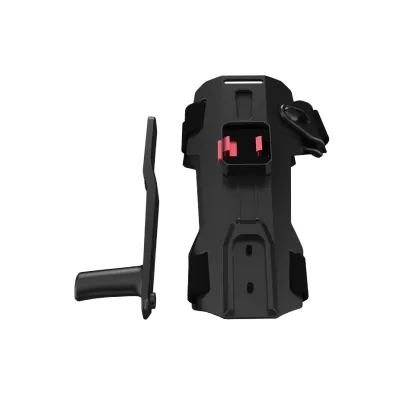
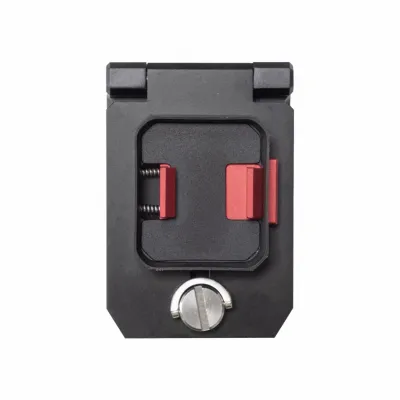
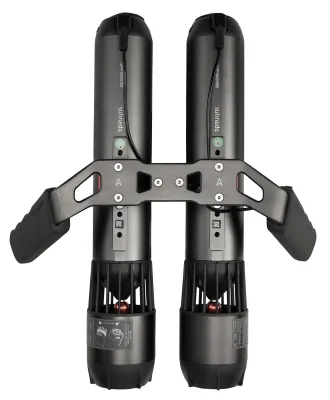
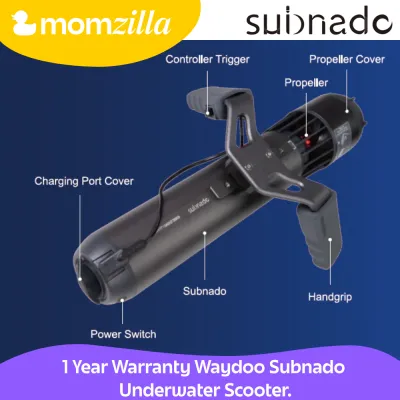
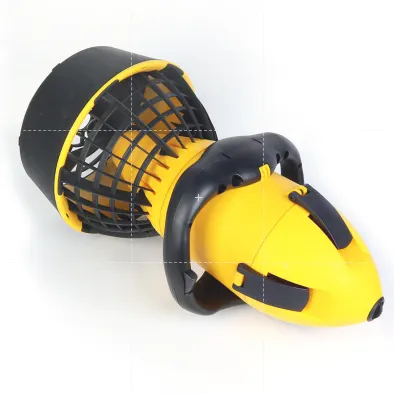
Prices are valid at publication and may change. Please refer to the product page for the latest price.
Physical handling out of the water is just as critical as performance below the surface. Consider the weight of the unit when walking across sandy beaches, climbing boat ladders, or navigating rocky entries common in popular diving destinations like Anilao or Puerto Galera. A heavy, traditional DPV can weigh over 15 kilograms, requiring significant physical effort to transport and launch. A compact scooter, often weighing under 3 kilograms, can be carried in a standard backpack, making shore entries much less exhausting.
Travel logistics present another major decision point. If you plan to fly to domestic dive spots like Coron, Tubbataha, or Bohol, you must comply with strict airline regulations regarding lithium-ion batteries. Large DPV batteries are typically banned from commercial flights due to their high watt-hour capacity. Compact scooters are often designed with modular or lower-capacity batteries specifically to meet airline carry-on limits, allowing you to pack your propulsion system in your cabin baggage without hassle.
Critical Specifications to Verify Before Buying
When comparing the Subnado to alternative underwater scooters, do not rely solely on generalized marketing claims. You must cross-reference the manufacturer’s technical specification sheets with your actual diving setup and physical requirements.

Thrust and Speed
Thrust determines how effectively a scooter can push you through the water against resistance. Manufacturer speed ratings are typically measured under ideal conditions with a streamlined swimmer wearing minimal gear. If you dive with a full 12-liter aluminum tank, a thick rash guard or wetsuit, and heavy utility pockets, your overall drag increases significantly. Verify the maximum thrust output in kilograms or Newtons, and understand that high-drag configurations will reduce both your top speed and overall battery runtime.
Depth Ratings and Sealing
Never take a scooter past its certified depth limit. Check the product label or user manual for an official IP (Ingress Protection) rating or a certified maximum operating depth. While some entry-level recreational scooters are only rated to 5 or 10 meters for surface pool play, high-quality compact units and technical DPVs are rated to 40 meters or deeper. Ensure the sealing mechanism, such as double O-rings, is easily accessible for user inspection and lubrication.
Battery Capacity and Airline Limits
To verify if a scooter is airline-compliant, locate the battery’s Watt-hour (Wh) rating, which is calculated as Ampere-hours (Ah) multiplied by Voltage (V). Most commercial airlines permit lithium-ion batteries under 100Wh in carry-on luggage without prior approval, while batteries between 100Wh and 160Wh may require airline operator permission. Any battery exceeding 160Wh is generally restricted to ground transport, which severely limits your ability to travel internationally or domestically by air with your scooter.
Buoyancy and Trim
An underwater scooter should not disrupt your buoyancy control or body trim. Verify whether the scooter is naturally positive, neutral, or negative in saltwater. A heavily negative scooter will pull your wrists downward and force you to constantly adjust your BCD (Buoyancy Control Device) to maintain a level profile. Look for units that offer attachable buoyancy blocks or accessory mounts that allow you to fine-tune the balance of the device in the water.
Comparing Compact Designs to Traditional DPVs
Understanding the design philosophy behind different scooter form factors helps you weigh the practical trade-offs of each system during a dive.
Compact scooters, such as the Subnado, utilize a modular design. These systems can be hand-held, mounted to your forearm, strapped to your leg, or even attached to the underside of a stand-up paddleboard. This flexibility is highly advantageous for underwater photographers who need their hands free to adjust camera settings or strobe positions. However, the smaller motor housing limits the propeller size, meaning compact units generally offer less raw power and shorter runtimes when operated at maximum speed.
Traditional torpedo-style DPVs are built for sustained performance. They feature large, high-torque motors and massive battery compartments that allow divers to cover kilometers of reef or explore deep cave systems. These units are typically steered using a two-handed handle or a tow-behind harness system that transfers the pulling force directly to your hips rather than your arms. While highly powerful, their bulk makes them difficult to maneuver in tight spaces and impractical for casual beach trips.
Control interfaces also vary widely between these categories. Compact models often use simple thumb triggers, wired finger buttons, or single-button speed toggles. Traditional DPVs frequently employ progressive triggers that allow you to adjust speed incrementally by squeezing harder. If you plan to dive in deeper, cooler thermoclines where thick neoprene gloves are necessary, ensure the scooter’s buttons or triggers are large and tactile enough to operate without looking.
Accessory integration is another key differentiator. Verify what mounting options are built into the scooter’s chassis. High-quality compact scooters often feature standard action-camera mounts or accessory rails directly on the housing. Traditional DPVs may require specialized, aftermarket brackets to mount cameras, dive lights, or compass slates, which can add to your overall gear investment.
Decision Framework: Which Scooter Fits Your Dives?
To make your final decision, match your primary diving conditions and budget to the strengths of each design category.
Choose a compact modular scooter (like the Subnado) if:
- Your primary activities are snorkeling, freediving, or shallow recreational scuba diving in calm waters.
- You travel frequently by air and need a propulsion system that fits easily into carry-on luggage.
- You want a hands-free mounting option for underwater photography or videography.
- You prefer a lightweight, low-maintenance device that is easy to wash, dry, and store in a small apartment.
Choose a traditional high-thrust DPV if:
- You regularly dive in areas with strong, unpredictable currents where high thrust is a safety requirement.
- You are a technical, wreck, or cave diver requiring long runtimes and deep depth ratings.
- You prefer a tow-behind harness setup to reduce arm fatigue during long, multi-hour dives.
Before finalizing any purchase, verify the availability of local authorized service centers, warranty coverage, and replacement parts within the Philippines. Because saltwater and high tropical humidity can accelerate wear on seals and electrical contacts, having access to local technicians, replacement O-rings, and spare propellers in Manila, Cebu, or local dive hubs is essential for keeping your equipment running safely over the long term.
Frequently Asked Questions (FAQ)
Do I need a special certification to use an underwater scooter?
For casual surface snorkeling or shallow swimming in calm waters, formal certification is generally not required, though basic swimming proficiency and water safety knowledge are essential. However, if you plan to use a dive propulsion vehicle (DPV) while scuba diving, you should complete a DPV specialty course through a recognized training agency. Using a scooter while breathing compressed air introduces unique risks, such as rapid depth changes that can lead to barotrauma or decompression sickness if ascent rates are not carefully controlled. Training teaches you how to manage buoyancy, execute emergency ascents, and handle runaway motor failures safely.
How should I maintain the battery after a dive trip?
Proper post-dive maintenance is critical to prevent saltwater corrosion and preserve battery longevity. Immediately after exiting the water, rinse the entire scooter thoroughly with clean, fresh water while the battery compartment is sealed. Pay close attention to the charging ports, trigger mechanisms, and propeller shaft to flush out salt crystals and sand. Dry the unit completely with a clean towel before opening any waterproof compartments. For long-term storage, consult your manufacturer’s manual for the recommended storage voltage; storing a lithium-ion battery completely empty or fully charged for months at a time can permanently degrade its capacity. Store the battery in a cool, dry place away from direct tropical sunlight and extreme heat.
Community discussion
Share your experience or ask a question. Comments are reviewed before publication.