
Choosing between a Sunday golf bag and a standard stand bag depends on how you navigate the course, the number of clubs you actually use, and your physical comfort during a round. If you prefer quick, casual rounds with a partial set of clubs and want to minimize physical strain, a Sunday golf bag is an excellent, lightweight choice. However, if you regularly play full 18-hole rounds, carry a complete set of 14 clubs, and need robust weather protection and storage, a standard stand bag is the more practical option.
To make the right investment, you must look closely at your playing habits, physical limits, and the specific demands of your local courses. Balancing weight against storage capacity is the key to keeping your game enjoyable and injury-free.
Assess Your Typical Golf Routine and Physical Needs
Before comparing bag specifications, evaluate how you actually spend your time on the course. Golfers who primarily ride in motorized carts or use pushcarts have very different structural needs than those who prefer to walk and carry their gear. Walking a full course under intense tropical heat and high humidity demands a highly strategic approach to what you carry on your back. Every extra pound of unnecessary gear increases physical fatigue, which can directly degrade your swing mechanics and overall performance by the back nine.
Products mentioned in this guide
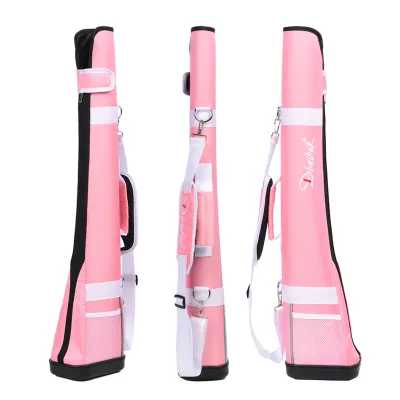
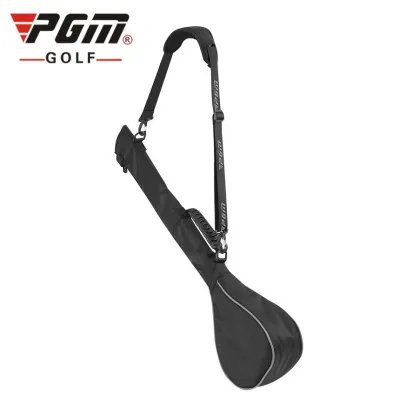
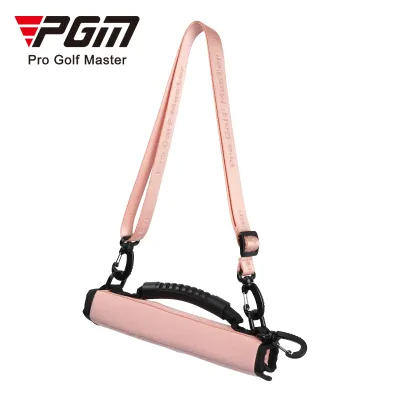
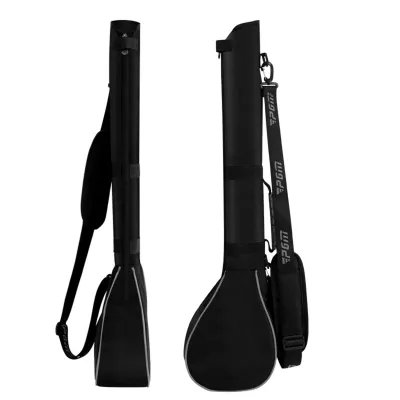
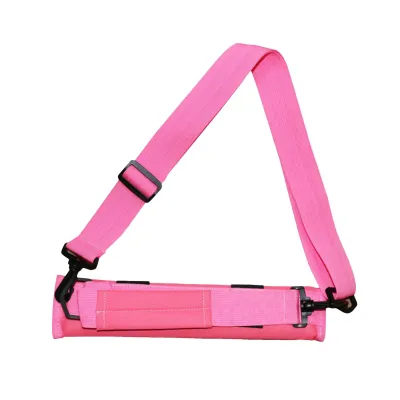
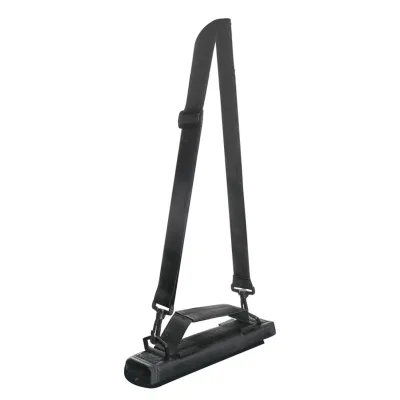
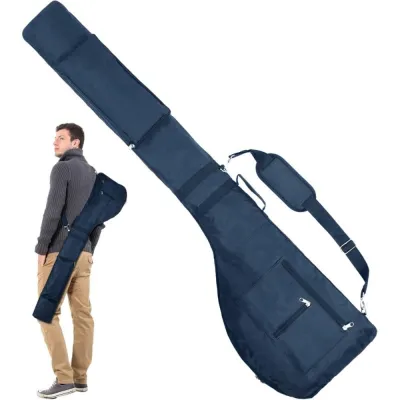
Prices are valid at publication and may change. Please refer to the product page for the latest price.
Consider the typical length of your golf sessions. If your routine consists of quick nine-hole loops after work, executive par-3 courses, or frequent sessions at the driving range, a heavy, fully loaded bag is often more of a burden than a benefit. Conversely, if you regularly commit to full 18-hole rounds on expansive championship courses, you will need a setup that supports you for four to five hours of continuous movement.
Physical comfort and injury prevention should be primary factors in your decision. Carrying a heavy golf bag with inadequate shoulder straps can place significant strain on your lower back, neck, and shoulders. If you already experience joint discomfort or muscle fatigue during a round, reducing your overall load is a critical step. Take an honest inventory of what you carry: many players pack a full set of 14 clubs, dozens of extra balls, heavy training aids, and multiple accessories, yet only use a fraction of them during a standard round. Transitioning to a lighter setup can dramatically improve your physical stamina on the course.
Core Differences Between a Sunday Golf Bag and a Standard Stand Bag
Understanding the structural and functional distinctions between these two bag types allows you to match their features to your physical needs. A Sunday golf bag is the epitome of minimalist design. It is engineered primarily for ultra-lightweight transport, typically featuring a smaller top diameter with fewer dividers. These bags are designed to hold a limited selection of clubs—usually between six and ten—and lack the rigid internal structure of larger bags. In contrast, a standard stand bag is built to accommodate a full 14-club set, featuring dedicated multi-way dividers or full-length tubes that keep your shafts and grips organized and protected from rubbing against one another.

Strap systems and ergonomic support also differ significantly between the two categories. Standard stand bags are equipped with thick, heavily padded dual-strap systems that distribute weight evenly across both shoulders, resembling a high-quality hiking backpack. Sunday bags often utilize a simpler, lightweight single strap, though some modern minimalist designs offer basic dual straps. While Sunday bags are lighter overall, they lack the advanced lumbar padding and highly adjustable harness systems found on standard stand bags, which are designed to cushion your body over long distances.
Storage capacity is another major point of divergence. Standard stand bags feature a comprehensive pocket layout, including large apparel pockets for rain gear, insulated beverage compartments to keep drinks cold in warm weather, and soft, velour-lined pockets to protect valuables. Sunday bags offer highly restricted storage, usually featuring just one or two small pockets for a sleeve of balls, a handful of tees, and a smartphone.
Finally, the stand mechanism itself varies. Standard stand bags feature robust, wide-base automatic legs that deploy instantly when the bag is set down, keeping your gear upright and clean on uneven turf or wet grass. Sunday bags may feature a highly simplified, ultra-light mini-stand, or they may have no stand legs at all, requiring you to lay the bag directly on the grass. Laying a bag on wet ground can expose your clubs and grips to moisture, which is a key consideration if you frequently play early morning rounds with heavy dew.
Signs a Sunday Golf Bag Is the Right Choice for You
A Sunday golf bag is highly beneficial if your golfing routine prioritizes speed, simplicity, and walking. If you find yourself frequently playing short par-3 courses, visiting the driving range for quick practice sessions, or squeezing in a fast nine holes before sunset, a minimalist bag is incredibly convenient. It allows you to grab your essential clubs and walk onto the course without the hassle of hauling a bulky, heavy setup.
This style of bag is also ideal for golfers who travel frequently or have limited storage space. A Sunday bag easily slides into compact car trunks, takes up minimal space in home closets, and serves as an excellent secondary bag for air travel when you want to avoid paying oversized baggage fees. If you prefer to keep your trunk clutter-free and ready for spontaneous practice sessions, the small footprint of a Sunday bag is unmatched.
Furthermore, a Sunday bag is perfect for players who enjoy the strategic challenge of playing with a half-set of clubs. Leaving your duplicate irons and rarely used woods at home forces you to become more creative with your shot-making, adjusting your swing tempo and ball position to cover different distances with a single club. If you prioritize extreme lightweight design and a fast, unencumbered walking experience over carrying every tool permitted by the rules, the Sunday bag is your ideal match.
Signs You Need a Standard Stand Bag Instead
You should opt for a standard stand bag if you regularly walk full 18-hole rounds and refuse to compromise on club selection or course preparation. Carrying a complete set of 14 clubs requires the structural integrity and individual dividers of a standard bag to prevent your clubs from tangling, clattering, and sustaining cosmetic damage. If you play in competitive club tournaments where having every specific yardage gap covered is crucial, a standard stand bag is non-negotiable.
Weather variability is another major factor that demands a standard stand bag. If you play in regions prone to sudden tropical downpours or shifting winds, you must carry protective gear. Standard stand bags provide the necessary pocket volume to store a full rain hood, an umbrella, a dry towel, and a lightweight windbreaker. They also feature dedicated, insulated pockets to carry sufficient water, which is vital for maintaining hydration and preventing heat exhaustion during long, hot days on the course.
Additionally, if you suffer from chronic back or shoulder fatigue, the advanced suspension systems of a standard stand bag are highly beneficial. The robust, automatic stand mechanism ensures you do not have to bend down to the ground to retrieve your bag after every single shot, saving your lower back from repetitive strain over a four-mile walk. If you want a single, highly durable bag that performs exceptionally well whether carried on your shoulders, strapped to a pushcart, or secured to the back of a motorized cart, the standard stand bag is the safest and most versatile investment.
Making Your Final Decision and Next Steps
To make your final decision, cross-reference your typical playing routine with your physical comfort requirements. If you walk more than 80 percent of your rounds and are comfortable playing with eight or nine clubs, a premium Sunday bag will transform your walking experience. If you play a mix of riding and walking, demand a full set of clubs, and need to carry extra apparel and hydration, a standard stand bag is the smarter choice.
Before purchasing, visit a local pro shop or sporting goods store to test both styles in person. Put on the bag and adjust the straps to verify how the weight distributes across your shoulders and lower back. Test the stand mechanism on the shop floor to ensure the legs deploy smoothly and provide a stable, wide footprint. If you decide to transition to a Sunday bag, practice editing your club selection at home, choosing versatile clubs like a hybrid, a mid-iron, a wedge, and your putter to create a balanced, lightweight set.
Finally, consider your budget. High-quality Sunday bags made from durable, water-resistant materials generally range from ₱4,000 to ₱8,000, while full-featured standard stand bags with advanced ergonomic harnesses and premium dividers typically range from ₱8,000 to ₱15,000 or more. Investing in durable zippers, water-resistant fabrics, and sturdy stand joints will ensure your bag protects your valuable clubs for many seasons to come.
Frequently Asked Questions (FAQ)
Can I use a standard stand bag on a motorized golf cart?
Yes, you can use a standard stand bag on a motorized golf cart, but you should check how the bag’s base and stand mechanism align with the cart’s bag well. Because stand bags have external leg mechanisms, the cart strap can sometimes compress the legs, causing wear or preventing the bag from sitting completely flat. To prevent twisting during your round, make sure to route the cart strap underneath the bag’s handle or through the dedicated cart-strap pass-through channel if your bag features one.
How many clubs should I carry in a Sunday golf bag?
Most Sunday golf bags are designed to comfortably hold between six and nine clubs. Trying to force a full set of 14 clubs into a minimalist bag can crowd the opening, causing your grips to stick together and making it difficult to pull clubs out without damaging the shafts. For an optimal lightweight setup, try carrying a driver or fairway wood, a hybrid, a 7-iron, a 9-iron, a sand wedge, and a putter, which provides excellent distance coverage for casual play.
Community discussion
Share your experience or ask a question. Comments are reviewed before publication.