
Selecting the right surf rod is the single most important decision you will make when preparing to fish from the shoreline. Unlike standard freshwater or light inshore rods, a dedicated surf rod must withstand the punishing forces of crashing waves, heavy saltwater spray, and the immense physical demands of launching a weighted rig far beyond the breakers. To choose the perfect tool for the job, you must understand how three core specifications—length, power, and action—work together to determine your casting distance, hook-setting efficiency, and ability to control a fighting fish in turbulent coastal waters. Before stepping onto the sand, remember that no piece of equipment can replace proper water safety training and situational awareness; always assess wave height, undertows, and tidal changes before wading into the surf.
Understanding Surf Rod Length: Distance vs. Control
Surf rod length is the primary driver of casting distance, but it also dictates how much physical control you have over your tackle and your catch. Generally ranging from 9 to 15 feet, these rods leverage their physical sweep to accelerate your sinker and bait during a cast. A longer rod, such as a 12-foot or 13-foot model, creates a wider casting arc, allowing you to launch heavy rigs past the initial sandbars where larger predatory fish tend to patrol. However, this extra leverage requires significant physical strength and proper technique to load the rod blank safely and effectively.
Conversely, shorter surf rods in the 9-to-10-foot range offer superior accuracy and maneuverability. If you are fishing near rocky outcrops, crowded piers, or areas with overhanging coastal vegetation, a shorter rod prevents you from snagging obstructions during your backswing. Shorter rods are also much easier to transport and handle, making them an excellent choice for beginners or anglers who prefer active, repetitive casting with artificial lures rather than leaving a bait anchored in one spot.
Products mentioned in this guide
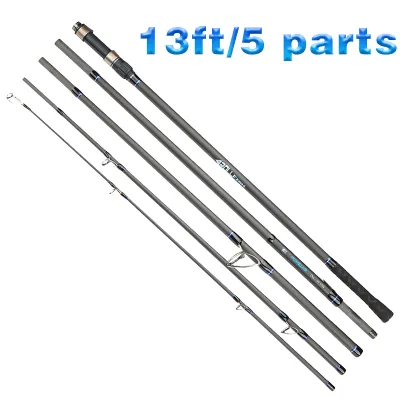
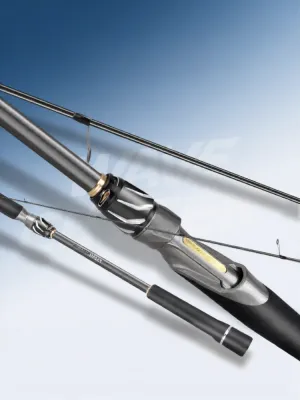
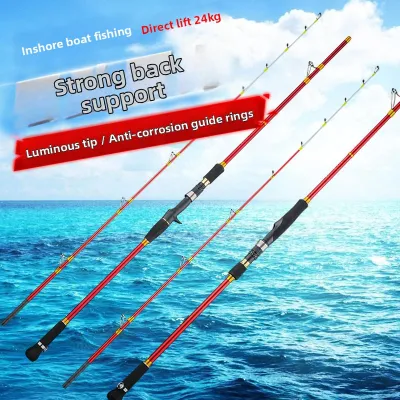
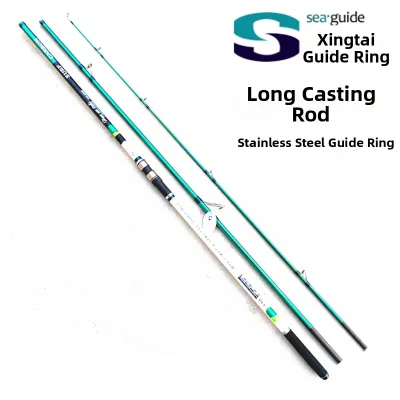
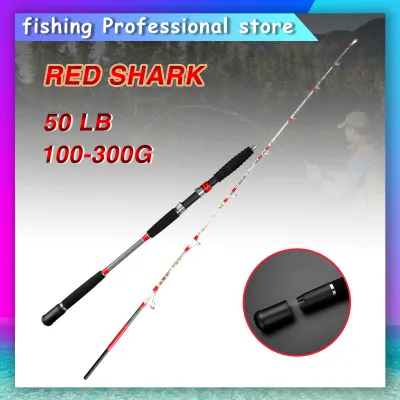
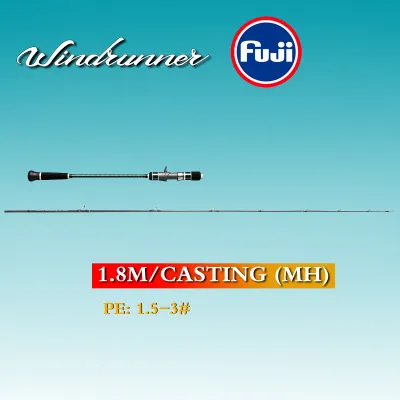
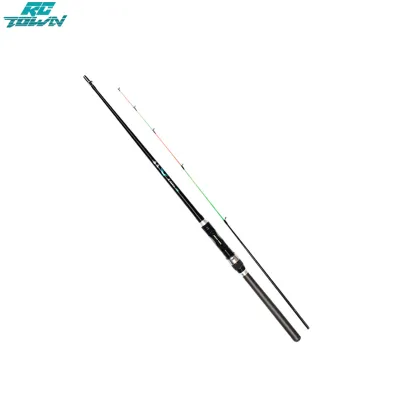
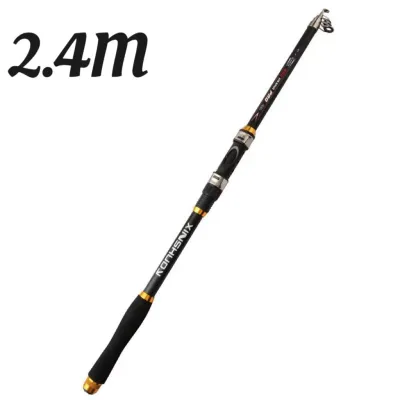
Prices are valid at publication and may change. Please refer to the product page for the latest price.
When matching your rod length to the local environment, consider the physical structure of your beach. Open, sandy shores with wide surf zones typically demand longer rods to clear the breaking waves and keep your line elevated above the crashing whitewater. Rocky shorelines or steep drop-offs, where deep water is closer to the shore, allow you to use shorter, more manageable rods without sacrificing access to the fish.
Before finalizing your choice, always check the manufacturer’s printed specifications on the rod blank. Ensure that the physical length of the rod is rated to handle the specific line test and lure weight ranges you plan to use. Overloading a long rod with a sinker that exceeds its maximum rating can lead to structural failure during a high-velocity cast, while underloading it will severely limit your casting distance.
Decoding Power Ratings: Matching the Rod to Your Target Catch
Power ratings describe a surf rod’s overall lifting strength and its resistance to bending under a static load. Typically categorized from light to heavy, power is essentially the backbone of the rod. Selecting the correct power rating is a balancing act between the physical size of your target species and the weight of the terminal tackle required to hold your position in shifting coastal currents.

A medium-light or medium power rod is highly versatile for targeting smaller surf species like pompano, whiting, or small threadfin. These rods bend relatively easily, providing an exciting fight and preventing small hooks from pulling out of delicate mouths. However, if you are targeting larger coastal predators like jacks, groupers, or medium-sized sharks, you will need a medium-heavy or heavy power rod to exert enough leverage to turn a powerful fish away from underwater structures.
In surf fishing, power is also directly tied to the weight of your sinker. Strong tropical currents and heavy wave action can easily sweep a light rig back onto the beach. To hold the bottom, you may need to cast pyramid or spider sinkers weighing anywhere from 3 to 8 ounces. A light-power rod will bend completely flat under this weight, making it impossible to cast safely or detect bites, whereas a heavy-power rod is built specifically to handle these substantial payloads.
To verify the integrity of a rod’s power rating, inspect the blank material and construction details listed on the product label. High-quality surf rods often utilize composite blanks blending carbon fiber or graphite for stiffness and sensitivity with fiberglass for raw durability and hoop strength. Avoid rods that do not clearly state their material composition or those that lack explicit line and lure weight ratings, as these are often indicators of substandard manufacturing that may fail under heavy loads.
Action Ratings Explained: Sensitivity and Hook-Setting Performance
While power measures a rod’s overall strength, action describes where the rod blank actually bends when pressure is applied. Action ratings range from fast to slow and directly influence how quickly energy is transferred from your hands to the hook, as well as how sensitive the rod tip is to subtle bites amidst the chaos of the surf.
A fast-action rod bends primarily in the top third of the blank, near the tip. This design provides exceptional sensitivity, allowing you to feel the distinct tap of a fish even when your line is being buffeted by heavy wind and waves. Fast-action rods also facilitate rapid hook sets because the stiff mid-section and butt of the rod do not flex deeply, transferring your upward pulling force almost instantly to the hook point. This makes fast action highly desirable when fishing with artificial lures or soft plastics where split-second timing is critical.
Moderate and slow-action rods bend much deeper into the middle and lower sections of the blank. This slower, more parabolic bend acts as a shock absorber. When fishing with delicate live or dead baits, such as shrimp or squid, a fast-action rod can easily rip the bait off the hook during a powerful cast or tear the hook out of a fish’s mouth during a hard strike. A moderate or slow action cushions these forces, keeping your bait intact and allowing the fish to fully swallow the bait before the rod fully loads.
Evaluating tip sensitivity is crucial when dealing with heavy wave action. In turbulent surf, a rod tip that is too stiff will bounce violently with every passing wave, creating false bite indications and masking real strikes. A responsive, fast-to-moderate tip will absorb the rhythmic pull of the waves while still transmitting the sharp, erratic vibrations of a biting fish down through the blank to your hands.
Building Your Surf Rod Shortlist: Combining Specs for Your Local Conditions
To find the ideal surf rod, you must synthesize these individual specifications into a cohesive system tailored to your primary fishing style. If you plan to engage in active lure casting—constantly throwing metal jigs or spoons into the surf—your shortlist should focus on a lightweight, 9-to-10-foot, medium-power, fast-action rod that minimizes arm fatigue. For passive bait soaking, where you cast a heavy rig out, place the rod in a sand spike, and wait, an 11-to-13-foot, heavy-power, moderate-action rod is far more appropriate.
Always cross-reference your chosen rod specifications with your reel size and line capacity to ensure a balanced setup. A massive, heavy-duty spinning reel paired with a light 9-foot rod will feel incredibly awkward and cause rapid wrist fatigue, while a small reel on a 13-foot rod will lack the line capacity and drag power to complement the rod’s casting potential. Aim for a balanced center of gravity just above the reel seat when the reel is fully spooled.
When browsing online marketplaces or local tackle shops, watch out for common red flags in product listings. Be skeptical of rods that feature vague descriptions like “super strong” without listing specific line class ratings or lure weight ranges. High-quality manufacturers always print these precise parameters directly on the rod blank, allowing you to verify that the equipment matches your intended fishing conditions before you make a purchase.
Frequently Asked Questions (FAQ)
Does a more expensive surf rod guarantee better casting distance?
While premium surf rods often utilize high-modulus carbon fiber to reduce overall weight and increase recovery speed, a higher price tag does not automatically guarantee longer casts. Casting distance is primarily a product of proper casting technique, a fully loaded rod blank, and a balanced tackle system where your line thickness and sinker weight match the rod’s ratings. Prioritize finding a rod with the correct specifications for your physical build and local beach conditions rather than spending ₱10,000 or more on a premium model that does not fit your style.
Can I use a standard spinning rod for surf fishing if the specs match?
Using a standard freshwater or light inshore spinning rod in the surf is highly discouraged, even if the length and power ratings seem comparable. Dedicated surf rods are engineered with specialized corrosion-resistant guides, sealed reel seats, and extended grip handles designed to withstand constant exposure to highly corrosive saltwater and fine sand. Standard rods lack these protective features and will quickly suffer from rusted guides, seized reel seats, and structural degradation when subjected to harsh coastal environments.
Community discussion
Share your experience or ask a question. Comments are reviewed before publication.