
Planning a surf trip to Siargao means preparing for some of the most consistent waves in the Philippines. However, getting your quiver safely from your accommodation in General Luna to the world-class breaks of Cloud 9, Tuason, or the far-north reefs of Pacifico requires a reliable transport strategy. The best surf board rack for your trip depends entirely on the vehicle you choose to navigate the island’s unique roads.
Whether you are renting a scooter to zip around local breaks or hiring an SUV to transport a group quiver up north, matching your rack to your vehicle is essential. The wrong setup can lead to dinged rails, snapped straps, or dangerous driving conditions on bumpy coastal roads. Understanding how to secure your gear ensures you spend your time in the water rather than repairing avoidable board damage.
Understanding Siargao's Transport Conditions
Siargao’s road network has improved significantly, but traveling outside the main tourist hubs still presents unique challenges. Surfers frequently encounter unpaved dirt paths, sudden potholes, and bumpy gravel stretches leading down to hidden beach breaks. These uneven surfaces cause intense vehicle vibrations that can quickly loosen poorly secured straps or shift temporary roof mounts.
Products mentioned in this guide
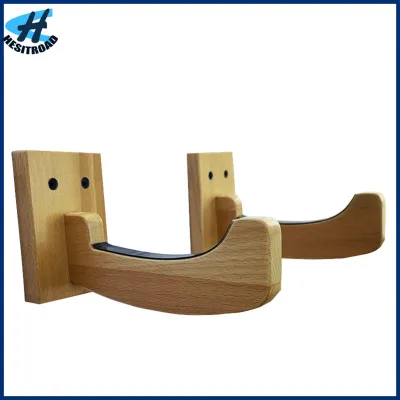
![[LEH4]Snowboard Wall Mount 4pcs for Surf Board Rack Wall Hangers for Surf Board Longboard Wakeboard Accessories](https://img.lazcdn.com/g/p/cd286f8b53e6a43f3e1129f8f016d44d.jpg_400x400q80.jpg_.webp)
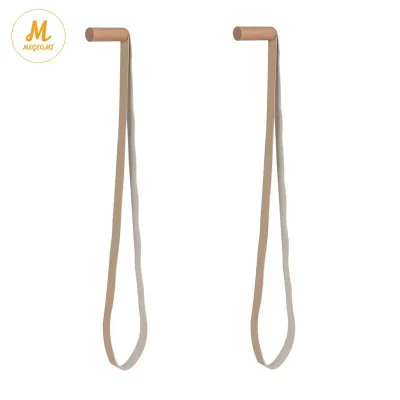
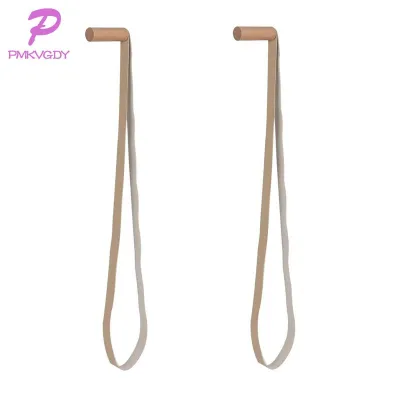
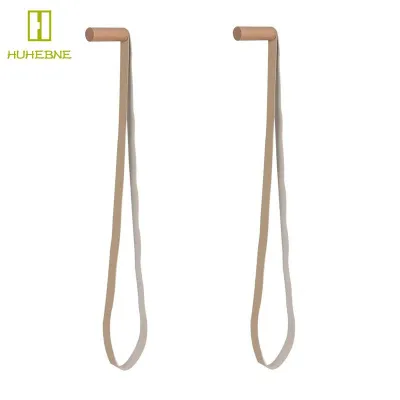
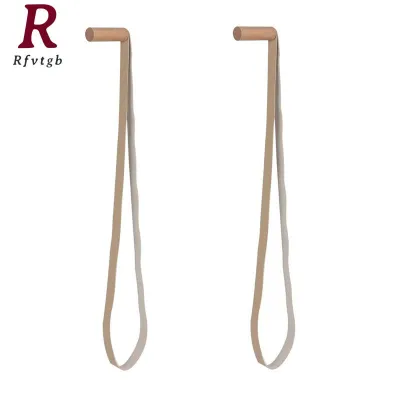
Prices are valid at publication and may change. Please refer to the product page for the latest price.
The tropical environment itself is highly demanding on outdoor gear. High humidity, constant exposure to salty sea air, and intense UV radiation accelerate the degradation of plastics, rubbers, and metals. A cheap strap or a low-grade metal buckle can corrode or fray within days of exposure to the island’s coastal air, risking a catastrophic rack failure during transit.
Additionally, sudden tropical downpours are a regular occurrence in the region. A sudden storm can turn a dusty road muddy in minutes and dramatically reduce visibility and traction. Your transport gear must be able to withstand these rapid weather transitions without absorbing excess moisture or losing its grip on your boards.
Navigating these conditions requires a clear understanding of local transport options. Surfers on the island utilize everything from small 125cc scooters and customized tricycles to heavy-duty pickup trucks and multi-passenger vans. Each of these vehicles requires a distinct approach to board security, meaning a generic highway rack setup is rarely sufficient for the realities of island travel.
Matching a Surf Board Rack to Local Vehicles
Choosing the right surf board rack is not a one-size-fits-all decision; it must be tailored directly to your vehicle rental. The mechanical demands of a two-wheeled scooter are vastly different from those of a four-wheel-drive SUV, and using the wrong rack type can compromise both your safety and your equipment.

Vans, SUVs, and Pickups (Hard Roof Racks)
For groups, families, or surf camps traveling with a large quiver of longboards and shortboards, larger vehicles like vans and SUVs are the most practical choice. These vehicles provide the structural support needed for heavy-duty hard roof racks, which typically consist of permanently or semi-permanently mounted crossbars and tower systems. Hard racks offer the highest level of stability, making them ideal for long-distance drives from General Luna to the northern breaks of Burgos or Alegria.
Before loading multiple boards onto a vehicle’s roof, it is critical to verify the vehicle’s dynamic and static roof weight limits. These specifications can be found in the vehicle’s owner manual; exceeding these limits can damage the roof structure or severely affect the vehicle’s center of gravity. When securing boards to hard crossbars, always use specialized surfboard tie-down straps equipped with heavy-duty cam buckles rather than mechanical ratchet straps. Ratchet straps allow for excessive leverage, which can easily crush a surfboard’s fragile EPS or PU foam core and crack the fiberglass glassing.
If you plan to rent a van or SUV upon arrival, contact the rental agency in advance to verify if the vehicle comes equipped with factory-installed crossbars. If the vehicle has a bare roof, you will need to bring or source temporary, portable hard racks that clamp securely into the door frames. Ensuring this compatibility before you arrive prevents last-minute logistical delays at the airport.
Motorcycles and Scooters (Soft Racks and Pads)
Scooters and small motorcycles are the undisputed kings of transport in Siargao, offering unmatched maneuverability through narrow coastal tracks and busy town streets. To carry boards on these two-wheeled vehicles, surfers typically rely on specialized side-mounted metal rack brackets or soft rack pads strapped over the seat or rear rack. Side-mounted racks keep the board parallel to the bike, minimizing the vehicle’s overall width and keeping the board secure.
However, carrying surfboards on a scooter introduces significant aerodynamic and balance risks that every rider must respect. Carrying longboards or multiple heavy boards on a scooter is highly discouraged, as the large surface area of a longboard acts like a sail in strong crosswinds, easily destabilizing the rider. This setup is best reserved for lightweight shortboards, fishes, or mid-lengths, and riders must exercise extreme caution when passing open coastal areas where wind gusts are common.
Proper installation of scooter racks is vital for safety. Ensure all mounting brackets are bolted tightly to the scooter’s frame or rear luggage rack, and route any auxiliary straps through stable metal components rather than loose plastic fairings. Check the motorcycle’s owner manual to confirm the maximum rear and side load capacities, and verify that the mounted surfboard does not obstruct your handlebar movement, foot pegs, headlight, or rear taillights.
Tricycles and Jeepneys (Alternative Transport)
When traveling without a personal rental vehicle, you will likely rely on local motorized tricycles or public jeepneys to get around. Tricycles—motorcycles with attached passenger sidecars—are highly versatile but rarely come equipped with standard roof racks. To transport your boards safely on a tricycle, you must work with the driver to secure them to the side or the top frame of the passenger cabin using heavy-duty bungee cords or soft tie-down straps.
Always practice proper etiquette when negotiating transport with local drivers. Because surfboards are oversized and require careful handling, it is standard practice to pay an additional fee on top of the regular passenger fare. This fee typically ranges from ₱50 to ₱150 depending on the distance and the size of your gear, and agreeing on this price before loading your boards prevents misunderstandings at your destination.
Because these alternative transport methods involve metal-on-board contact and exposure to road debris, a high-quality, padded surfboard day bag is your primary line of defense. A bag with at least 5mm of foam padding will absorb the shocks of bumpy roads and protect your board’s rails from rubbing against the tricycle’s metal frame during transit.
Key Features to Look for in Tropical Climates
Siargao’s coastal environment is incredibly harsh on gear, meaning your surf board rack must be constructed from materials specifically designed to resist rapid degradation. Standard steel or low-grade plastics will quickly succumb to the combination of saltwater, high humidity, and intense tropical UV rays.
To combat saltwater corrosion, prioritize racks made from anodized aluminum, marine-grade 316 stainless steel, or high-strength UV-stabilized plastics. Anodized coatings provide an extra layer of protection against oxidation, ensuring that adjustment screws, hinges, and mounting brackets do not seize up over time. If your rack uses metal buckles, verify that they are made of corrosion-resistant alloys to prevent rust from weakening the spring mechanisms.
The strap webbing is another critical component that requires careful inspection. Look for straps made from heavy-duty polyester or specially treated nylon that feature high UV resistance ratings. Untreated nylon webbing can degrade quickly under the intense Philippine sun, leading to fraying, loss of tensile strength, and eventual failure. Additionally, choose water-shedding materials that do not retain moisture, as damp straps stored in a vehicle can quickly develop mold and mildew in the humid tropical climate.
Security is another important consideration when parking at popular surf breaks or local restaurants. While Siargao is generally safe, opportunistic theft can occur. Look for rack systems that feature lockable cores or tie-down straps reinforced with internal stainless steel cables that cannot be easily cut with a knife. Always check the manufacturer’s labels and product specifications for explicit weather-resistance ratings and load limits rather than assuming all outdoor-labeled gear is suitable for marine environments.
Loading, Securing, and Safety Tips for Rough Roads
Properly mounting your surf board rack is only half the battle; how you load and secure your boards determines whether they arrive at the beach in one piece. Following a disciplined loading routine is essential for preventing damage to both your boards and your vehicle on Siargao’s bumpy roads.
When transporting longer boards on a vehicle roof, always utilize bow and stern tie-downs in addition to the main roof straps. These auxiliary lines run from the nose and tail of the board to the front and rear bumpers of the vehicle. They prevent the wind from catching the underside of the board at higher speeds, which can create a lifting force strong enough to rip temporary racks clean off the roof.
To protect your board’s fragile rails from the hard surfaces of the rack bars, always use extra padding. Specialized foam rack pads, or even budget-friendly pool noodles sliced down the middle, should be placed over the metal crossbars. When stacking multiple boards, place the largest board on the bottom, wax-side down, with the fins facing up and forward. Place padding or a soft towel between each stacked board to prevent the wax from transferring and to protect the fiberglass from friction dings.
A crucial safety habit for island driving is the “check-and-retighten” routine. After loading your boards and driving the first two to three kilometers, pull over in a safe area to inspect your straps. The vibrations from unpaved roads and potholes will cause the boards to settle, which often introduces slack into the tie-down straps. Taking thirty seconds to retighten the straps prevents your boards from shifting or flying off later in the journey.
Finally, adjust your driving habits to account for the unique load. Observe local speed limits, which are typically lower on winding coastal roads, and maintain a safe following distance. Keep a sharp eye out for low-hanging coconut tree branches, low utility wires, and oncoming traffic that may swerve to avoid potholes. Remember that a loaded roof rack significantly increases your vehicle’s height and wind resistance, requiring extra caution during sudden maneuvers.
Frequently Asked Questions (FAQ)
Can I rent a surfboard rack in Siargao?
While standalone hard roof racks are rarely rented out separately, many local scooter rental shops in General Luna offer scooters already fitted with side-mount surfboard racks for an additional daily fee, typically ranging from ₱50 to ₱100. If you are renting a van or SUV, you can request a vehicle with a pre-installed rack. It is highly recommended to book these rack-equipped vehicles in advance during the peak surf season from September to November.
Are soft racks safe for long-distance rides on the island?
Soft racks are highly convenient and excellent for short, low-speed trips from your accommodation to local breaks like Jacking Horse or Tuason. However, they are not recommended for long-distance or high-speed travel across the island, such as driving from General Luna to Pacifico. The flexible nature of soft racks allows for more board movement, and the straps can stretch and vibrate excessively in high winds, posing a safety risk.
How do I protect my surfboard from rain during transport?
To protect your board from sudden tropical downpours, transport it inside a high-quality, water-resistant day bag or a heavy-duty board sock. While the fiberglass shell of a surfboard is waterproof, prolonged exposure to rain followed by intense tropical sun can degrade your wax job, causing it to melt or become slick. Additionally, moisture trapped against unprotected metal fin screws can accelerate corrosion, making a protective cover essential.
Community discussion
Share your experience or ask a question. Comments are reviewed before publication.