
Using a stand up paddle board to surf the tropical waves of Siargao is entirely possible, but it requires a clear understanding of local conditions, specialized equipment, and proper wave etiquette. The primary advantage of taking a stand up paddle board into the surf is the incredible paddle power it provides. Standing upright on a high-volume board gives you an elevated vantage point, allowing you to spot incoming swells much earlier than traditional prone surfers. This height advantage, combined with the leverage of a long paddle, lets you build early momentum and glide into rolling waves before they begin to steepen.
However, navigating a large, buoyant board in active surf zones presents distinct physical challenges that you must prepare for. Unlike traditional surfboards, a stand up paddle board cannot be duck-dived under breaking waves. You must rely on punching through white water, executing precise pivot turns, or paddling around the main impact zone, all of which require exceptional core strength and balance. Additionally, the sheer volume of a SUP limits its turning radius and overall maneuverability, making quick, tight adjustments on fast-closing waves highly difficult for inexperienced paddlers.
For beginners, attempting to SUP surf in Siargao’s powerful reef breaks is generally not recommended due to the high risk of losing control of a heavy board. Intermediate and advanced paddlers who already possess strong flatwater balance and basic wave-reading skills will find the experience highly rewarding, provided they select breaks that match their capabilities. Success on the water ultimately comes down to matching your personal skill level with the right board design and wave conditions.
Products mentioned in this guide
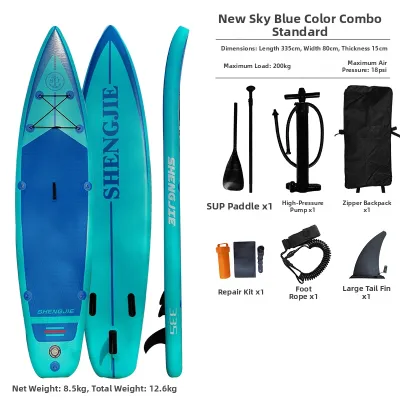
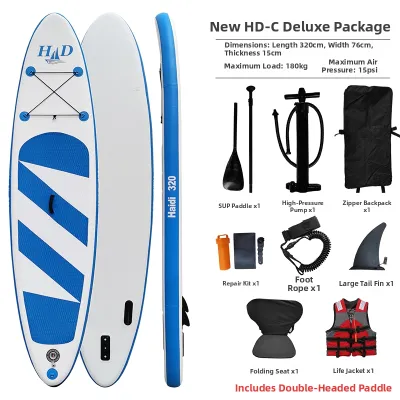
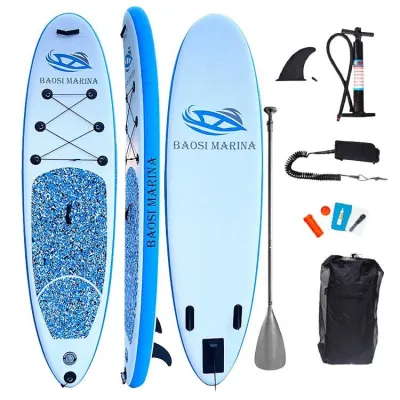
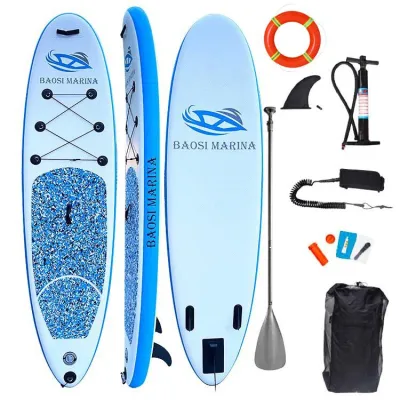

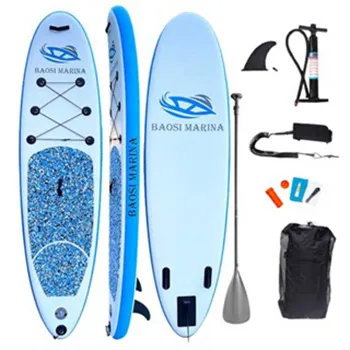
Prices are valid at publication and may change. Please refer to the product page for the latest price.
Which Siargao Surf Breaks Work for SUPs?
Siargao is famous for its sharp, shallow volcanic reef breaks, which demand careful consideration before you launch a stand up paddle board. Unlike soft sand-bottom beach breaks, reef bottoms do not yield during a fall. A deep fin or a low-hanging board hull can easily strike shallow coral, leading to severe fiberglass damage or snapped fin boxes. Understanding how the local topography interacts with your gear is the first step in planning a safe and successful session.
Wave energy and shape also dictate where you can safely paddle a high-volume board. Massive, hollow reef breaks—such as the world-renowned Cloud 9—are highly unsuitable for stand up paddle boards. These waves break fast, heavy, and close to the reef, offering zero margin for error. The high buoyancy of a SUP makes it difficult to drop into steep, vertical faces, and a wipeout in these zones poses a severe safety hazard to both the paddler and nearby surfers.
Instead, look for mellower, rolling waves and outer reefs that offer more forgiving lines. Spots with slower-peaking waves allow the longer glide of a SUP to shine, giving you plenty of time to establish your line. Outer reefs, which often require a long paddle out, are excellent zones because they are less crowded and feature softer slopes. These areas give you ample space to maneuver without the pressure of a tight, competitive lineup.
Before heading out, always check the daily local conditions and dramatic tidal shifts. Many of Siargao’s breaks become dangerously shallow during low tide, exposing sharp reef heads that can destroy equipment. Consult local surf guides or instructors at nearby shops to identify the safest tide windows for your specific skill level and equipment setup.
What Type of Stand Up Paddle Board Works Best for Waves?
Selecting the right stand up paddle board construction is critical when transitioning from calm lagoons to active surf zones. Hard boards, typically made of epoxy or fiberglass, offer the crisp rail control and responsiveness needed to carve on a wave face. However, they are highly vulnerable to cracking if they impact shallow reefs. Inflatable SUPs offer excellent durability and impact resistance against rocks, but standard budget models often lack the structural rigidity required for clean wave riding, tending to flex or bend when sliding down a wave. If you choose an inflatable, look for high-pressure, double-layer drop-stitch designs rated specifically for surf use.

Board dimensions play a decisive role in how the board behaves on a wave. While a long, wide touring board is perfect for flatwater, a surf-specific SUP should be shorter, narrower, and feature a more pronounced rocker. A curved rocker line prevents the nose of the board from diving into the water during a steep take-off. A narrower, pulled-in tail—such as a swallow or pin tail—allows you to step back and sink the tail into the water, facilitating smoother, more controlled turns.
Your fin configuration is another vital component to inspect before entering the surf. A thruster setup (three fins) or a quad setup (four fins) provides the lateral grip needed to hold an edge on a sloping wave. When paddling over shallow reefs, look for flexible, shallow-water fins or fin boxes that allow quick removal. Rigid, extra-long center fins are highly susceptible to catching on coral heads, which can instantly stop the board and throw you forward.
Always check the manufacturer’s specifications before taking a board into the surf. Verify the wave-rated weight limits, structural reinforcement zones, and the intended use cases. Using a board designed strictly for flatwater cruising in heavy surf can result in delamination, snapped cores, or broken leash plugs.
Navigating Safety and Surf Etiquette in Crowded Breaks
Bringing a large, heavy stand up paddle board into a crowded lineup requires strict adherence to safety protocols and local etiquette. Because of its size and weight, a runaway SUP can act as a dangerous projectile in the water. You must maintain constant physical control of your board. Always wear a heavy-duty, straight surf leash attached to your calf or ankle; never use a coiled flatwater leash, which can snap back violently when stretched by a wave.
Respecting the established right-of-way rules is non-negotiable. Because a SUP allows you to catch waves much further out than traditional surfers, it is easy to accidentally hog the waves. Yield to surfers who are closer to the peak, and avoid paddling directly through the main lineup when returning to the takeoff zone. Instead, take a wider route around the shoulder to keep the path clear for active riders.
Given the shallow nature of Siargao’s reefs, protective gear is highly recommended. Wearing thick reef booties protects your feet from sharp coral cuts during a wipeout or when walking launch paths. In crowded or heavy conditions, a lightweight surf helmet can provide essential protection against stray boards and hard reef impacts.
Finally, maintain self-awareness and know when to call it a day. If the wind picks up, the tide drops rapidly, or the crowd becomes too dense, exit the water safely. Recognizing your personal limits and the boundaries of your equipment is the ultimate mark of a responsible waterman.
Frequently Asked Questions (FAQ)
Can I rent a surf-specific SUP locally?
Yes, but availability can vary compared to standard shortboards and longboards. When visiting local surf shops in Siargao, ask specifically for wave-rated or surf-specific stand up paddle boards rather than wide recreational touring models. Before signing a rental agreement, thoroughly inspect the board for pre-existing reef dings, soft spots, loose fin boxes, and worn deck pads to ensure safety and avoid damage disputes.
Do I need a different leash for SUP surfing?
Yes, you must use a dedicated surf-rated leash. Standard flatwater leashes are often coiled to stay out of the water, but these can stretch and recoil dangerously in breaking waves. A proper surf leash should be straight, heavy-duty, and roughly the same length as your board. Always inspect the swivel joints, rail saver, and ankle cuff velcro for signs of wear or salt corrosion before paddling out.
Is it safe to SUP surf alone in remote spots?
Paddling alone in isolated reef breaks carries significant risks due to unpredictable currents, sudden weather shifts, and hidden shallow hazards. It is always safest to surf with a buddy or hire a certified local guide who understands the specific break’s behavior. If you do explore quieter zones, always share your detailed plan and expected return time with someone on land.
Community discussion
Share your experience or ask a question. Comments are reviewed before publication.