
Choosing the correct swim ring size is essential for both comfort and safety during your water activities. To find the right fit, you must match the user’s current body weight and physical measurements directly to the manufacturer’s specified limits, rather than relying solely on age recommendations. A swim ring that is too large can allow a swimmer to slip through the center, while one that is too small will restrict movement and fail to provide adequate buoyancy.
To make an accurate decision, start by identifying the exact weight of the person who will use the ring. Next, consider the specific water environment, whether you are planning a relaxed day at a local resort pool or active play in calmer beach waters. Finally, always verify the product label or online specification sheet for the maximum weight capacity and inner diameter before making a purchase. Taking these steps ensures the flotation device performs as intended under tropical conditions.
Understanding Size Categories and Weight Limits
When browsing options on an online marketplace, you will commonly see swim rings grouped into general categories such as toddler, child, youth, and adult. While these age-based labels serve as convenient starting points, they should never be the sole basis for your purchase. Children of the same age can vary significantly in height, chest size, and weight, meaning a standard “child” ring might be too tight for one seven-year-old and too loose for another.
Products mentioned in this guide
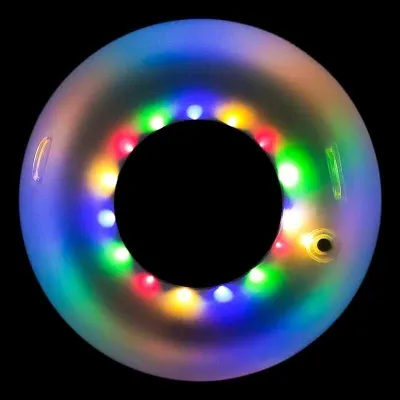
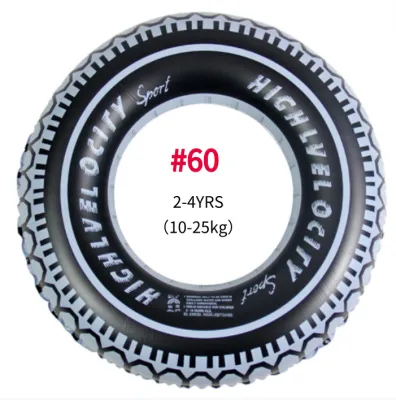
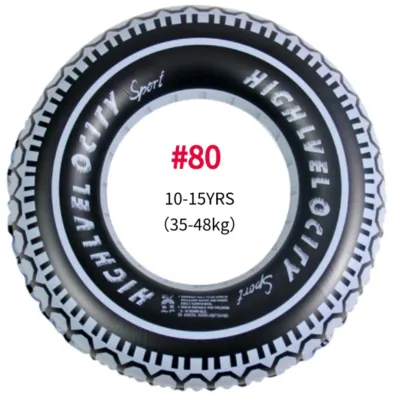
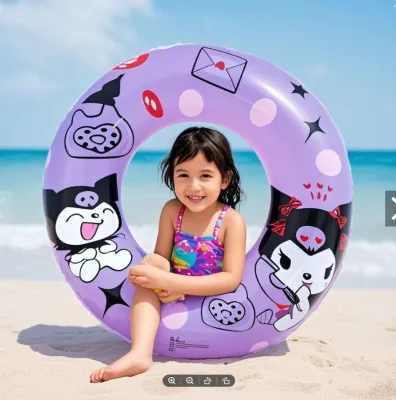
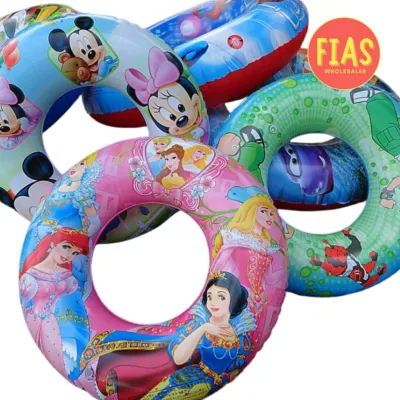
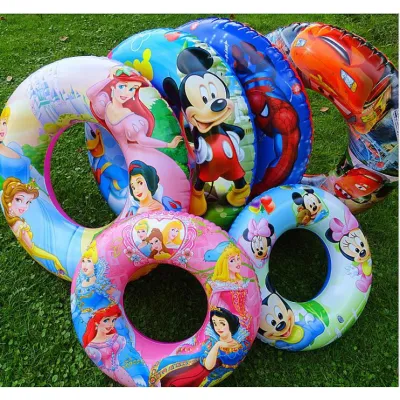
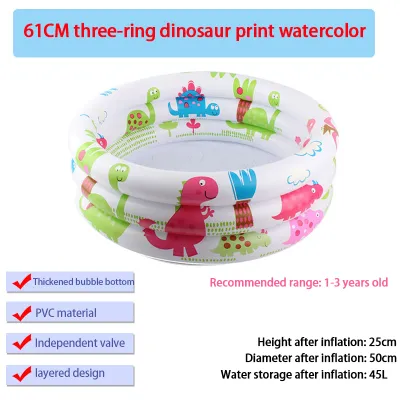
Prices are valid at publication and may change. Please refer to the product page for the latest price.
Always prioritize the manufacturer’s stated weight capacity over any age range printed on the packaging. The weight limit represents the maximum load the inflated chamber can safely support while maintaining stable buoyancy on the water’s surface. Exceeding this limit causes the ring to sink lower into the water, reducing its stability and making it much easier for waves or sudden movements to capsize the user.
Understanding the physical dimensions of the ring is equally important, specifically the relationship between the inner and outer diameters. The inner diameter determines how snugly the ring fits around the user’s waist or underarms, directly affecting their sitting position and comfort. A well-fitted inner circle keeps the user securely positioned, while a wide outer diameter provides the lateral stability needed to prevent the ring from tipping over when the water becomes choppy.
Matching the Size to Your Intended Water Activity
The ideal swim ring size depends heavily on how you plan to spend your time in the water. For relaxed lounging in a calm pool, a larger, more supportive ring is generally preferred. These spacious models often feature backrests, headrests, or mesh bottoms, allowing you to recline comfortably on top of the water with minimal physical effort. Because these activities involve little active swimming, the extra bulk of an oversized ring is a benefit rather than a hindrance.

Conversely, active swimming, water games, or wading require a smaller, less restrictive swim ring. If a child or adult wants to splash around, kick, or paddle, they need a ring that fits snugly under the arms without blocking their arm strokes. An oversized ring in an active setting is highly impractical, as it can easily slip out from under the user during sudden movements, leaving them unsupported in deep water.
Before finalizing your choice, check the product description for the manufacturer’s intended use cases. Some rings are designed specifically for the calm, controlled environment of backyard swimming pools, featuring lighter materials that suit still water. Others are constructed with more robust designs suited for open water floating, where gentle currents and wind require a more stable, wind-resistant profile to keep the user safe.
How to Measure and Verify the Fit Before Buying
To ensure a proper fit when shopping online, you can easily measure the user’s waist or chest circumference at home using a flexible measuring tape. Wrap the tape comfortably around the widest part of the torso, keeping it level and snug but not tight. Compare this measurement directly against the inner diameter specifications listed by the seller, keeping in mind that the inflated inner opening should be slightly larger than the torso measurement to allow for easy entry and exit.
Reading customer reviews on ecommerce platforms can provide valuable real-world insights into how a specific model fits. Buyers often share whether a swim ring runs smaller or larger than the official dimensions once fully inflated. Look for feedback from other shoppers in tropical climates, as high ambient temperatures and humidity can sometimes affect how the material stretches and holds air during outdoor use.
Because physical dimensions can occasionally differ from your expectations, always check the return and exchange policy of the online store before checking out. This precaution protects your purchase, ensuring you do not waste money—even a few hundred ₱—on an unusable item, allowing you to swap it for a safer size without hassle.
Common Sizing Mistakes and Essential Safety Checks
One of the most dangerous sizing mistakes parents make is purchasing an oversized swim ring for a child with the intention of letting them “grow into” it over consecutive summers. An oversized ring leaves a large gap between the child’s body and the inner edge of the tube. In the water, this gap makes it incredibly easy for the child to slip straight through the bottom of the ring, creating an immediate and severe drowning hazard.
It is vital to remember that recreational swim rings are classified as water toys and are not certified life-saving devices. They do not offer the self-righting capabilities or secure fastening systems of approved life jackets or personal flotation devices. Consequently, using a swim ring—regardless of how perfectly it fits—never replaces the absolute necessity of constant, close-range adult supervision, especially for young children and weak swimmers.
Before every pool session or beach trip, perform a quick set of safety checks on your flotation gear. Inspect the entire surface of the ring for tiny punctures, seam tears, or signs of material degradation caused by sun exposure. Ensure the inflation valves are fully pushed in and sealed tightly to prevent accidental air release, and confirm that the ring is inflated to its correct firmness so it can support the user’s weight reliably.
Frequently Asked Questions (FAQ)
Can two children share one large adult swim ring?
No, two children should never attempt to share a single adult swim ring simultaneously. Swim rings are engineered to support a single user positioned centrally within the opening to maintain balance. When two people attempt to hold onto or squeeze into one ring, the weight distribution becomes highly uneven, which can cause the ring to flip over unexpectedly or allow one of the children to slip underneath. Each swimmer must have their own individual flotation device that matches their specific weight and size.
Does the material thickness affect the sizing and fit?
Yes, the thickness of the vinyl or PVC material can influence both the final inflated dimensions and the overall fit of the swim ring. Thicker, heavy-duty materials tend to stretch less when inflated, which can result in a slightly smaller inner diameter compared to thinner, highly elastic materials. When reviewing product specifications, always look for the fully inflated dimensions rather than the flat, deflated measurements, as the inflation process naturally pulls the material inward and reduces the usable opening size.
Community discussion
Share your experience or ask a question. Comments are reviewed before publication.