
Quick Answer: Which Water Ear Protector Should You Choose?
To keep your ears dry and healthy while swimming, choosing the right ear protector for water is essential, but there is no single “best” option. The ideal choice depends on your swimming frequency, ear anatomy, comfort preferences, and budget.
Standard reusable silicone ear plugs or moldable silicone putty offer the most practical and cost-effective solution for casual or occasional swimmers. They are highly affordable, widely available, and simple to use, making them perfect for quick pool sessions or beach trips where a premium investment is unnecessary.
If you are buying for children, toddlers, or individuals with highly sensitive ear canals who dislike having objects inserted directly into their ears, neoprene ear bands are the ideal choice. These bands wrap around the head to hold moldable silicone plugs securely in place, preventing them from falling out while providing an extra splash barrier.
Products mentioned in this guide
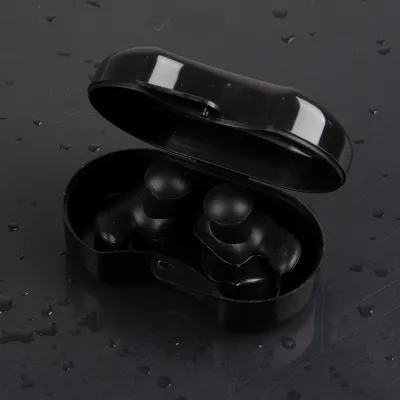
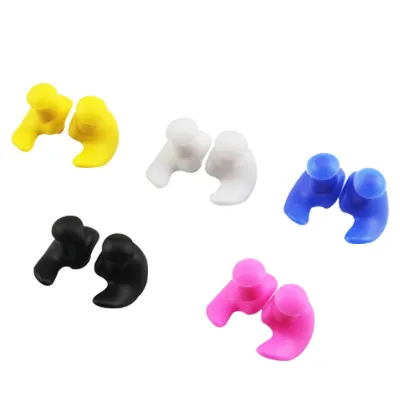
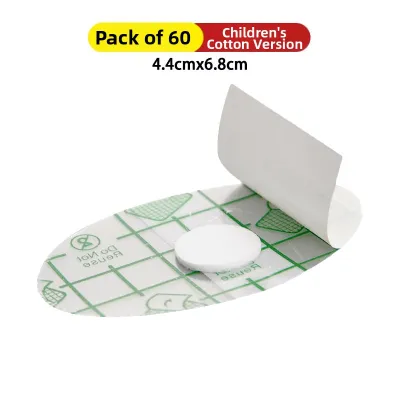
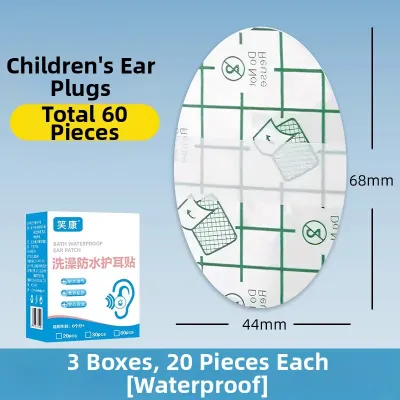
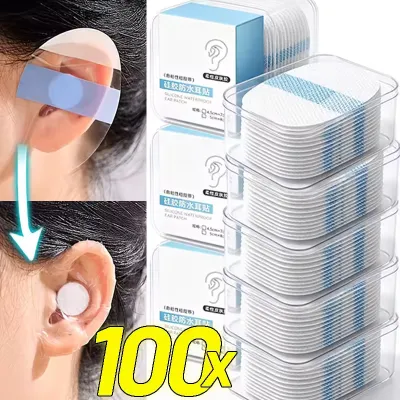
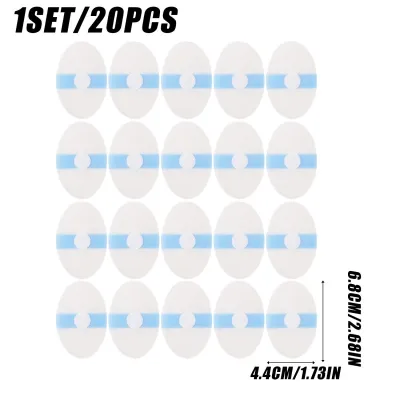
Prices are valid at publication and may change. Please refer to the product page for the latest price.
For competitive swimmers, triathletes, or anyone who swims daily, custom-molded ear plugs represent the premium, long-term solution. Crafted from personalized impressions of your unique ear canals, these plugs offer an absolute anatomical seal, unmatched comfort for multi-hour training sessions, and exceptional durability that lasts for years.
Understanding the Three Main Types of Swimming Ear Protectors
To make an informed decision, it is important to understand how the three primary categories of water ear protection operate. While all three styles share the common goal of keeping water out of your ears to prevent irritation and infection, they achieve this through completely different designs, physical mechanisms, and materials.

Silicone and Foam Ear Plugs
Standard ear plugs are the most common form of ear protector for water due to their accessibility and straightforward design. They generally fall into two categories: moldable silicone putty and pre-molded flanged silicone plugs.
Moldable silicone putty consists of soft, pliable silicone that you roll into a ball and flatten over the external opening of your ear canal. It seals the entrance without entering the canal, making it excellent for individuals who experience discomfort from internal pressure. Because the putty conforms to the shape of your outer ear, it provides a highly customized seal, though it must be handled with clean hands to prevent contamination.
Pre-molded flanged silicone plugs feature a central stem surrounded by multiple flexible ridges. These ridges insert directly into the ear canal, where they bend to create a series of physical barriers against water. Made from soft, medical-grade silicone, they can be washed and reused dozens of times. Finding the correct size is crucial, as a plug that is too large can cause pressure, while one that is too small will allow water to bypass the seal.
Standard open-cell foam earplugs—commonly used for noise reduction—are entirely unsuitable for swimming. These plugs are highly porous and act like sponges, absorbing water and trapping moisture deep inside your ear canal, which significantly increases the risk of bacterial infections.
Neoprene Ear Bands
Neoprene ear bands are specialized headbands designed specifically for water sports and swimming. Made from thick, flexible neoprene—the same insulating material used to manufacture wetsuits—these bands wrap snugly around the forehead, ears, and the nape of the neck, securing at the back with an adjustable hook-and-loop fastener.
A common misconception is that ear bands keep ears dry on their own. In reality, a neoprene band is not fully waterproof and does not create an airtight seal. Instead, its primary function is to act as a supportive harness that keeps moldable silicone putty or flanged plugs firmly locked in place. This prevents the plugs from shifting or falling out during active movement.
This combination makes ear bands incredibly popular for parents of toddlers and young children, whose small ear canals make standard plugs difficult to fit securely. They are also highly beneficial for swimmers who engage in high-impact water activities, such as surfing, wakeboarding, or water polo, where waves and sudden impacts can easily dislodge standard ear protection.
Custom-Molded Ear Plugs
Custom-molded ear plugs represent the pinnacle of personalized ear protection. Unlike mass-produced retail options, these plugs are manufactured to match the exact, microscopic contours of your individual ear canals and outer ears.
The creation process begins with a professional fitting, typically performed by an audiologist or a trained technician. The specialist inspects your ear canal, inserts a small foam block to protect your eardrum, and then gently injects a soft, quick-curing silicone impression material. Within a few minutes, the material cures into a flexible mold that perfectly captures your ear’s unique shape. This mold is sent to a specialized laboratory where the final, medical-grade silicone plugs are cast and finished.
The resulting product fits your ear like a key in a lock. Because they are designed specifically for your anatomy, custom-molded plugs do not rely on friction or outward expansion pressure to stay in place, resulting in unparalleled comfort during long training sessions. While they require a higher upfront financial investment and a waiting period for fabrication, their durability and superior performance make them highly valued by serious aquatic athletes.
Key Comparison Dimensions for Swimming Gear
When evaluating which ear protector for water is best for your swimming routine, comparing them across specific performance dimensions is essential. Looking at waterproofing quality, comfort, durability, and situational awareness will help you determine which style aligns with your training environment and budget.
Waterproofing and Seal Quality The primary job of any water ear protector is to prevent water from entering the canal, and the quality of this seal varies significantly. Custom-molded ear plugs offer the most reliable and consistent waterproof seal because their shape matches every curve of your ear canal, leaving no gaps for water to seep through, even during high-speed flips or deep dives. Moldable silicone putty provides a highly effective seal when applied correctly to clean, dry skin, but its performance can degrade if the skin becomes oily or if water gets trapped underneath during application. Flanged plugs can provide an excellent seal, but their effectiveness depends entirely on a perfect anatomical match; if your ear canal is slightly oval-shaped rather than perfectly round, water can easily bypass the circular flanges. Neoprene ear bands do not provide a waterproof seal on their own, but when paired with putty or flanged plugs, they maximize the seal’s reliability by preventing any shifting or accidental dislodging.
Comfort and Fit Ear canal fatigue is a common issue for swimmers who spend hours in the water, and the fit mechanism of your ear protector plays a major role in how long you can wear it. Standard flanged plugs insert deep into the canal and rely on outward tension to stay in place, which can cause soreness or a dull ache after an hour of continuous use. Moldable silicone putty avoids this internal pressure by sealing over the opening of the canal, though some swimmers dislike the sticky, tacky sensation of the silicone against their outer ear. Custom-molded plugs offer the highest level of comfort because they do not exert any expanding pressure on the canal walls; they simply rest in place, making them virtually unnoticeable even during grueling multi-hour swims. Neoprene ear bands completely eliminate internal ear canal pressure, but they do apply a mild, continuous compression around the circumference of the head. In warm, humid climates like the Philippines, this compression can feel warm during intense workouts, though it is highly tolerated by children and recreational swimmers.
Durability and Maintenance The lifespan of your ear protection directly impacts its long-term cost and convenience. Moldable silicone putty has the shortest lifespan, typically lasting only three to five swims before it accumulates dust, hair, and earwax, causing it to lose its stickiness and hygienic properties. Reusable flanged silicone plugs offer moderate durability, lasting anywhere from three to six months with regular cleaning before the silicone begins to harden or tear. Neoprene ear bands are highly durable and can last for several years if they are rinsed with fresh water after every use to prevent chlorine or salt from degrading the fabric. Custom-molded ear plugs are the most durable option by far, constructed from high-strength, medical-grade silicone that can withstand daily use for multiple years without losing its shape or sealing capabilities, provided they are cleaned and stored correctly.
Situational Awareness Being able to hear your surroundings is a crucial safety factor, whether you need to listen to a coach’s instructions, hear a lifeguard’s whistle, or stay aware of nearby watercraft in open-water settings. Standard flanged plugs and moldable silicone putty muffle ambient sounds significantly, making communication difficult on the pool deck. Neoprene ear bands also reduce hearing sensitivity, as the thick fabric covers the entire outer ear. Custom-molded ear plugs offer a distinct advantage in this category: they can be ordered with specialized acoustic filters. These filters are designed to let sound waves pass through so you can hear speech and warning signals clearly, while utilizing surface tension and physical barriers to block liquid water from entering.
Side-by-Side Comparison of Swimming Ear Protectors
To help you quickly compare your options, the table below summarizes how ear plugs, ear bands, and custom molds perform across the most important decision-making criteria.
| Type | Best Suited For | Seal Quality | Comfort Level | Durability | Relative Cost |
|---|---|---|---|---|---|
| Standard Ear Plugs (Putty/Flanged) | Casual swimmers, budget-conscious users, and occasional beachgoers | Moderate to High (dependent on proper fit and application) | Moderate (can cause canal pressure or feel sticky) | Low to Medium (requires frequent replacement) | Low (typically under ₱500 per pack) |
| Neoprene Ear Bands | Children, toddlers, active water sports enthusiasts, and sensitive ears | Low on its own (requires pairing with plugs for waterproofing) | High (eliminates internal canal pressure; mild head compression) | High (lasts years with proper rinsing and drying) | Medium (typically between ₱400 and ₱1,000) |
| Custom-Molded Ear Plugs | Competitive swimmers, triathletes, daily lap swimmers, and chronic ear issues | Excellent (perfect anatomical match with zero gaps) | Outstanding (no expanding pressure; comfortable for hours) | Very High (lasts multiple years with basic care) | High (requires professional fitting; over ₱3,000) |
How to Choose Based on Your Swimming Habits and Ear Anatomy
Selecting the right ear protector for water requires a realistic assessment of your swimming habits, budget, and physical ear structure. By matching these factors to the strengths and limitations of each product type, you can make a choice that protects your hearing and enhances your time in the water.
Choose Standard Ear Plugs if:
- You swim occasionally: Perfect for weekend pool visits or beach holidays where a low-cost, immediate solution is all you need.
- You need an immediate solution: Available off-the-shelf at local sporting goods stores or online marketplaces with zero waiting time.
- You want to test ear protection: An inexpensive way to see if blocking water resolves your post-swim discomfort before investing in premium gear.
- You prioritize portability: Extremely lightweight and easy to pack in any pocket of your swim bag.
Choose Ear Bands if:
- You are buying for children: Excellent for toddlers and young kids who struggle to keep standard earplugs in place or frequently lose them.
- You have sensitive ear canals: Ideal if you have a narrow canal or a strong physical reflex that makes inserting objects deep into your ear uncomfortable.
- You engage in active water sports: Essential for high-impact activities like surfing, wakeboarding, or water polo, where waves can easily dislodge standard plugs.
- You want mild thermal protection: Provides a helpful barrier against wind and cooler water during early morning training sessions.
Choose Custom Molds if:
- You train frequently: Designed for competitive swimmers, triathletes, or daily lap swimmers who spend consecutive hours in the pool.
- You have chronic ear issues: Necessary if you have a medical history of swimmer's ear (otitis externa) or surfer's ear (exostosis) requiring a guaranteed barrier.
- You have unique ear anatomy: Perfect if you have narrow, highly curved, or irregular ear canals that consistently reject standard retail plugs.
- You want a sustainable option: A highly durable investment that reduces plastic waste by eliminating the need for disposable plugs.
Verify First if:
- You have medical ear conditions: If you currently have an active ear infection, a ruptured eardrum, tympanostomy tubes, or recent ear surgery, stop and consult an ear, nose, and throat (ENT) specialist or qualified medical professional before using any water ear protector. Standard retail gear is designed for healthy ears and may not provide the sterile, absolute barrier required to protect a compromised middle ear from serious complications.
Essential Care and Safety Tips for Water Ear Protectors
To ensure your ear protector for water remains hygienic, effective, and durable, establishing a proper care and maintenance routine is essential. Neglecting your gear can lead to material degradation, reduced sealing capability, and the growth of harmful pathogens that can compromise your ear health.
Cleaning and Drying After every swim, rinse your reusable ear plugs and neoprene ear bands thoroughly with clean, fresh tap water. This removes chlorine, salt, sand, and body oils that can degrade silicone and neoprene over time. For a deeper clean, wash them gently using a mild, non-moisturizing soap, ensuring you rinse away all soap residue completely to prevent skin irritation.
In the warm, highly humid tropical climate of the Philippines, fungal and bacterial growth can occur rapidly on damp surfaces. It is vital to air-dry your ear protectors completely in a well-ventilated, shaded area before storing them. Never place damp earplugs or wet ear bands directly into a sealed plastic case or a dark, unventilated swim bag, as this creates a perfect breeding ground for mold and bacteria.
Ear Health While high-quality ear protectors significantly reduce the amount of water entering your ears, no physical barrier is completely foolproof during vigorous movement or diving. Therefore, always combine ear protection with a proper post-swim drying routine. After exiting the water, tilt your head to each side to allow gravity to drain any trapped water naturally, and gently dry your outer ear with a clean, soft towel. Avoid inserting cotton swabs deep into your ear canal; doing so can push trapped water and earwax deeper inside, compacting it and increasing your risk of developing swimmer’s ear.
Replacement Signals Regularly inspect your ear protection for signs of wear and tear. For moldable silicone putty, discard the plugs immediately if they lose their stickiness, collect visible dirt, or begin to harden and crumble. For reusable flanged silicone plugs, replace them if you notice any tears in the delicate flanges or if the silicone becomes stiff and discolored. For custom-molded plugs, check them annually for micro-tears or changes in fit; while the medical-grade silicone is highly durable, the physical shape of your ear canal can change slightly over several years, which may eventually require a new fitting.
Frequently Asked Questions (FAQ)
Can I use regular noise-canceling earplugs for swimming?
No, you should never use standard noise-canceling earplugs, especially those made of standard open-cell foam or designed strictly for sleeping and industrial noise protection, for swimming. These acoustic earplugs are highly porous and designed to absorb sound waves, which means they will also absorb water like a sponge. When worn in a pool or the ocean, they hold moisture directly against your delicate ear canal walls, creating a warm, damp environment that accelerates bacterial growth and increases the risk of infection. Always ensure that any ear protector you use in the water is explicitly designed, labeled, and rated for swimming or water sports.
Do swimming ear protectors completely prevent swimmer's ear?
While wearing a high-quality ear protector for water dramatically reduces the volume of water entering your ear canal, no physical barrier can guarantee 100% prevention of swimmer’s ear (otitis externa). Minor seeps can still occur during high-velocity impacts, deep dives, or extensive jaw movement while breathing. Therefore, ear protectors should be viewed as one part of a comprehensive ear-care routine. To protect your ears fully, always combine your ear protectors with proper post-swim hygiene, such as draining trapped water by tilting your head and gently drying the outer ear with a clean towel.
Community discussion
Share your experience or ask a question. Comments are reviewed before publication.