
Finding the right swimming earplugs for children with small ear canals is essential for ensuring a comfortable, water-free swimming experience. Standard, adult-sized earplugs are often too large, causing discomfort, slipping out easily, or failing to create a watertight seal. For parents, the challenge lies in identifying earplugs that accommodate narrow pediatric anatomy while remaining secure during active water play. By focusing on specialized designs, material safety, and proper fit testing, you can protect your child’s ears from water entry and the discomfort that often follows a day at the pool or beach.
Children’s ear canals are not only smaller in diameter but also have a different angle and shape compared to adults. This means that simply pushing a standard earplug deeper is both ineffective and dangerous. Instead, the goal is to find a solution that either seals the entrance of the ear canal without entering it or utilizes highly flexible, scaled-down materials that conform gently to narrow passages. Understanding the distinct earplug designs available is the first step in making an informed choice that keeps your young swimmer comfortable and protected.
Earplug Designs That Fit Small Ear Canals
To accommodate narrow pediatric ear canals, manufacturers offer several distinct designs, each utilizing a different method to block water. Understanding how these designs interact with your child’s ear anatomy is crucial for selecting a pair that provides both comfort and a reliable seal.
Products mentioned in this guide
Prices are valid at publication and may change. Please refer to the product page for the latest price.
Moldable silicone putty is one of the most popular choices for children with exceptionally small or uniquely shaped ear canals. Unlike traditional plugs, this pliable, clay-like material does not enter the ear canal itself. Instead, you roll the putty into a small ball and flatten it over the outer ear opening, known as the concha. This creates a custom, watertight seal that sits flush against the outer ear, completely bypassing the narrow canal. Because it does not exert outward pressure on the sensitive walls of the ear canal, moldable putty is highly tolerated by younger children and those who experience discomfort from inserted objects.
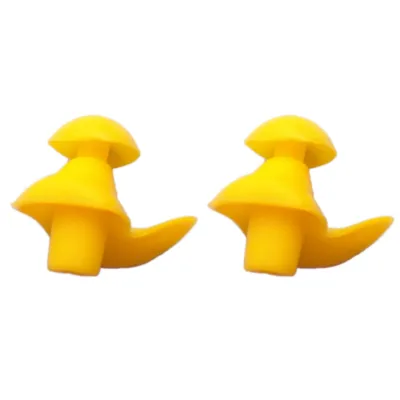
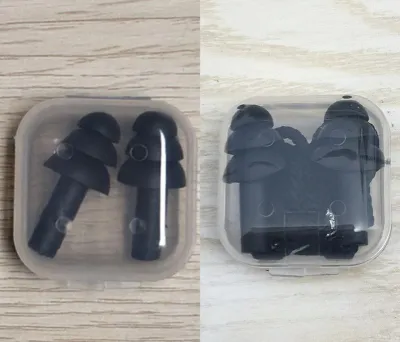
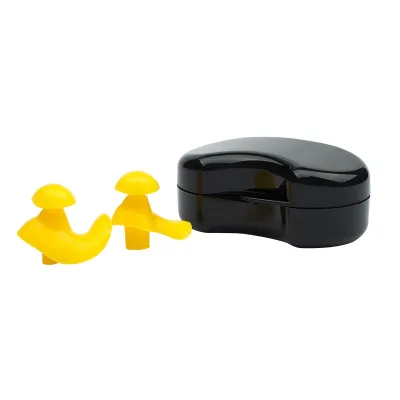
Pre-molded silicone earplugs with flanges offer a more structured alternative. These plugs typically feature a central stem surrounded by multiple soft, flexible ridges or “flanges” that compress as they are inserted into the ear canal. When shopping for this style, it is vital to verify that the product is explicitly labeled for “kids,” “juniors,” or “small ears.” Standard adult versions will be too wide and stiff, causing pain and failing to seal. The flanges must be incredibly soft and pliable, allowing them to bend and conform to the narrow, curving path of a child’s canal without scraping the delicate skin.
For children who swim competitively, train frequently, or have specific medical recommendations—such as protecting tympanostomy tubes (ear tubes)—custom-molded earplugs represent the most precise option. These are fabricated by a hearing healthcare professional, such as an audiologist or an ear, nose, and throat (ENT) specialist, who takes a physical impression of the child’s unique ear shape. The resulting earplugs are made from medical-grade silicone and fit the exact contours of the child’s outer ear and canal. While this option requires a higher initial investment and professional appointments, it provides an unmatched level of security, comfort, and water protection for dedicated young swimmers.
Essential Specs to Check Before Buying
Before purchasing any swimming earplugs, parents should carefully review the product packaging and manufacturer specifications. Checking these details ensures the earplugs are safe, appropriately sized, and designed to withstand active use in the water.

Material safety should always be your primary concern when selecting earplugs for children. The skin inside a child’s ear canal is thin, delicate, and highly susceptible to irritation. Look for products that are explicitly labeled as hypoallergenic, medical-grade silicone, BPA-free, and non-toxic. This is particularly important in warm, humid tropical environments, such as during family outings in the Philippines, where trapped moisture, sweat, and heat can exacerbate skin sensitivities and increase the risk of contact dermatitis. Choosing high-quality, pure silicone ensures the material remains gentle on the skin even during extended swimming sessions.
Size indicators provided by manufacturers offer a helpful starting point, but they require careful interpretation. Many brands categorize their products using general age recommendations, such as “ages 3 to 12.” However, because physical development varies widely from child to child, age ranges are not a guarantee of a perfect fit. If possible, look for brands that provide physical dimensions, such as the diameter of the smallest flange, or those that offer multi-size starter packs. A starter pack allows you to test different sizes at home to find the exact match for your child’s current ear canal size.
Tether or cord attachments are another valuable feature to evaluate, especially for active children who tend to lose small items. A brightly colored cord connecting the two earplugs makes them easier to locate if they fall out in the water. However, safety is paramount when introducing any corded accessory around a child’s neck or head. Ensure that any tethered earplugs feature a built-in breakaway safety mechanism. This safety joint is designed to snap apart instantly under tension, preventing any potential choking or entanglement hazards if the cord catches on pool steps, water slides, or other swimmers.
Testing the Fit and Seal Before Swimming
Achieving a proper fit is a skill that requires practice. Parents should always conduct a dry-fit test and seal check at home in a calm, controlled environment before heading to a busy pool or beach.
Begin with a dry-fit testing session when your child is relaxed and cooperative. Gently insert or apply the earplugs according to the manufacturer’s instructions, ensuring the child’s ears are completely dry. Have them wear the earplugs for ten to fifteen minutes while engaging in quiet indoor activities like reading or watching a show. During this time, closely observe their behavior and ask for feedback. Look for physical signs of discomfort, such as rubbing the ears, squinting, or complaining of a pinching sensation, which indicates that the plug is either too large or inserted incorrectly.
Once comfort is established, perform a simple seal check to verify water resistance without inserting any tools or fingers into the ear canal. Ask your child to speak or hum. If the earplug has successfully sealed the canal, they should experience the “occlusion effect,” meaning their own voice will sound noticeably deeper, louder, or more resonant inside their head. You can also speak to them in a normal tone; they should still be able to hear you, but the sound should be somewhat muffled. Visually inspect the ear to ensure there are no visible gaps between the silicone and the skin.
Adjusting the earplugs based on physical feedback differs significantly depending on the design you choose. If you are using moldable silicone putty, ensure you only flatten it over the outer ear opening—never shape it into a cone and push it into the canal, as this makes removal difficult and dangerous. For pre-molded flanged plugs, gently pull the top of the child’s outer ear upward and backward to straighten the ear canal before sliding the plug in. This technique allows the flexible flanges to slide in smoothly and expand naturally for a secure fit.
Cleaning, Storage, and When to Replace
Proper maintenance is essential for extending the lifespan of swimming earplugs and protecting your child from ear infections caused by contaminated equipment. Establishing a simple post-swim routine ensures the earplugs remain hygienic and functional.
Routine cleaning should be performed immediately after every swim session. Earplugs accumulate a mixture of earwax, chlorine, salt, sand, and sweat, which can degrade the material and harbor bacteria if left unwashed. Clean the earplugs using mild, unscented soap and lukewarm water, gently rubbing away any debris with your fingers. Avoid using harsh chemical disinfectants, rubbing alcohol, or boiling water, as these substances can break down the silicone, causing it to lose its flexibility, become brittle, or crack.
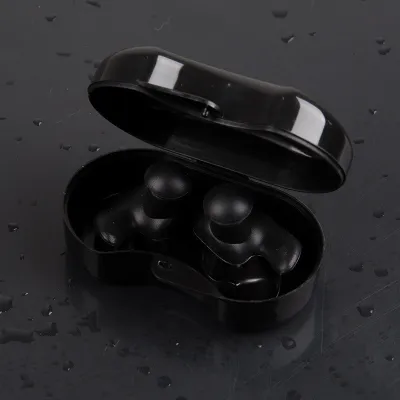
Drying and storage are critical steps, particularly in warm, humid climates where mold and bacteria thrive. After washing, place the earplugs on a clean, dry towel and allow them to air-dry completely in a well-ventilated area away from direct sunlight. Once dry, store them in a dedicated, ventilated carrying case. Never store damp earplugs in a sealed, airtight container, as the trapped moisture creates an ideal breeding ground for pathogens that could be introduced into your child’s ear during the next swim.
Knowing when to replace earplugs is vital for maintaining safety and water protection. For moldable silicone putty, replace the plugs as soon as they lose their stickiness, collect visible dirt or hair that cannot be washed away, or begin to crumble and break apart. Pre-molded flanged earplugs should be discarded immediately if you notice any signs of material degradation, such as cracking, tearing, stiffness, or discoloration. Using compromised earplugs increases the risk of water leaking into the ear or, worse, a piece of the plug tearing off and becoming lodged in the canal.
Matching Earplugs to Your Child's Water Activities
The ideal earplug choice often depends on the specific water environment and how actively your child plays. Matching the earplug design to the activity helps ensure they stay secure and perform effectively.
For casual pool play, backyard splashing, and active water games, earplugs are highly susceptible to being knocked loose by waves, splashes, or physical contact. In these high-energy scenarios, moldable silicone putty is often the most reliable option because it sits flush against the outer ear and has no protruding stems that can be easily snagged. To add an extra layer of security, many parents pair moldable putty with a neoprene swimming headband, which physically holds the earplugs in place. For structured lap swimming or swim lessons, streamlined, pre-molded flanged plugs are often preferred as they offer a low-profile fit that reduces water drag and is easy for the child to remove independently when instructions are given.
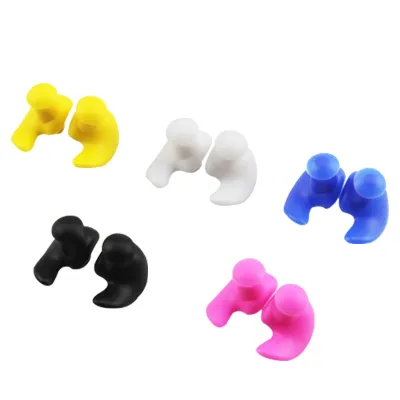
Swimming in open water, such as lakes or tropical beaches, introduces unique environmental challenges like waves, currents, and sand. Waves can easily dislodge earplugs, and sand can stick to moldable putty, rendering it unusable. For beach trips, bright, high-visibility colors like neon orange, green, or pink are highly recommended so you can easily spot a dropped plug in the sand or water. Pre-molded silicone plugs are generally easier to rinse clean of sand on-the-go compared to sticky putty.
To help you choose the right option, consider this conditional selection framework based on your child’s specific swimming environment and needs:
| Water Activity | Recommended Earplug Type | Key Selection Criteria | Additional Protection |
|---|---|---|---|
| Casual Pool Play & Splashing | Moldable Silicone Putty | High outer-ear adhesion, comfortable for long wear | Pair with a neoprene swimming headband |
| Lap Swimming & Swim Lessons | Pre-molded Flanged Silicone | Low-profile, easy to insert/remove, streamlined | Choose high-visibility colors |
| Beach & Open Water Swimming | Pre-molded Flanged Silicone | Easy to rinse clean of sand, durable in waves | Opt for bright neon colors for easy recovery |
| Frequent/Competitive Training | Custom-Molded Silicone | Exact anatomical fit, maximum seal, long-term durability | Professional fitting by an audiologist |
Frequently Asked Questions (FAQ)
Do swimming earplugs prevent swimmer's ear?
Yes, swimming earplugs can help prevent swimmer’s ear (otitis externa) by acting as a physical barrier that keeps water out of the ear canal. Swimmer’s ear is typically caused by trapped moisture that creates a warm, damp environment where bacteria can multiply and cause an infection. By keeping the canal dry, earplugs significantly reduce this risk. However, it is important to remember that earplugs are a preventive tool; they do not cure existing infections, and they must be kept clean to avoid introducing new bacteria into the ear.
What if a piece of the earplug gets stuck inside the ear?
If a piece of an earplug becomes lodged inside your child’s ear canal, remain calm and prioritize safety. Do not attempt to remove the object using tweezers, cotton swabs, hairpins, or your fingers, as these actions are highly likely to push the fragment deeper into the canal, potentially damaging the delicate eardrum or scraping the canal walls. Instead, stop what you are doing and seek immediate professional medical assistance from a doctor, pediatrician, or an emergency care clinic. Medical professionals have the specialized lighting and tools required to safely extract foreign objects without causing injury.
Community discussion
Share your experience or ask a question. Comments are reviewed before publication.