
Choosing between a swing rope and a standard climbing rope depends entirely on the specific mechanical forces your activity will generate. A standard climbing rope is engineered to protect human life during vertical ascents and high-impact falls, whereas a swing rope is built for repetitive lateral motion, suspension, or recreational play. Interchanging these ropes without verifying their engineering specifications can lead to sudden equipment failure and severe injury.
To make an informed decision, you must evaluate the nature of your activity, the environment, and the physical properties of the gear. No single rope can safely cover every outdoor scenario. Understanding how these ropes differ in construction, stretch, and wear resistance is the first step toward ensuring a safe adventure.
Understand the Core Differences in Design and Purpose
The fundamental difference between climbing ropes and swing ropes lies in their internal engineering and how they handle kinetic energy. Climbing ropes are divided into two primary categories: dynamic and static. Dynamic climbing ropes are engineered with high elasticity, allowing them to stretch significantly under load. When a climber falls, this elongation acts as a shock absorber, cushioning the impact on the climber’s body, harness, and anchor points. Without this dynamic stretch, the sudden stop from a fall could cause severe internal injuries or rip anchors directly out of the rock face.
Products mentioned in this guide
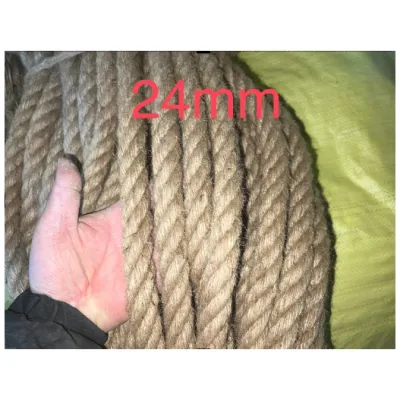
Prices are valid at publication and may change. Please refer to the product page for the latest price.
Static ropes, on the other hand, are designed with minimal stretch to provide maximum control and efficiency. They are the standard choice for activities where you do not expect a fall, such as rappelling, caving, rescue operations, hauling heavy gear, or ascending a fixed line. Because they do not bounce under body weight, they allow for smooth, predictable movement and protect the rope from rubbing repeatedly against sharp rock edges.
Swing ropes are manufactured for recreational swinging, obstacle courses, or aerial fitness training. Unlike climbing ropes, which utilize a specialized kernmantle (core and sheath) construction to manage high-impact forces, swing ropes are often made from twisted or braided synthetic fibers like poly-dacron, polypropylene, or natural fibers like manila. They are designed to handle continuous lateral motion, provide a comfortable grip for bare hands, and resist the friction generated at a single pivot point. However, they lack the tested dynamic elongation required to safely catch a falling climber.
Self-Diagnosis: Match Your Activity to the Right Rope
To determine which rope your activity requires, you must analyze the potential forces involved. If your activity involves any risk of a vertical fall where you will be suspended by an anchor above or below you, a certified dynamic climbing rope is mandatory. This includes lead climbing, top-roping, and mountaineering. In these scenarios, using a swing rope or a static rope is highly dangerous. Because these ropes cannot stretch sufficiently to absorb the energy of a fall, the force transferred to your body and gear could be catastrophic.

For activities that require descending or ascending a fixed line without the risk of a dynamic fall, a static rope is the correct tool. If you are rappelling down a cliff face, exploring a cave system, or setting up a rescue system, the low-stretch nature of a static rope ensures you can descend smoothly without bouncing. Bouncing on a dynamic rope during a long rappel can cause you to lose control or cause the rope to saw back and forth against abrasive rock edges, leading to rapid wear.
If you are setting up a backyard tree swing, a ninja warrior obstacle course, or an aerial play area, a dedicated swing rope is the appropriate choice. These ropes are designed to be gripped easily and can withstand the constant back-and-forth motion of swinging. However, you must verify that the specific swing rope you choose is explicitly rated by the manufacturer for dynamic swinging loads, lateral friction, and the weight of the intended users. Never use a discarded or unrated rope for a swing, as outdoor exposure can secretly compromise its strength.
Critical Safety Checks and Manufacturer Specifications
Before purchasing or using any rope, you must establish a strict verification protocol. Never rely on visual appearance, thickness, or generic product titles. Always locate the manufacturer’s physical tag, which is typically found on the ends of the rope or in the included instruction manual. This documentation contains critical information regarding the rope’s certified use cases, working load limits, and prohibited activities. If a rope does not have clear, legible manufacturer markings, do not use it for life-safety applications.
Regular physical inspections are vital to maintaining safety, especially in tropical environments where heat and humidity can accelerate material degradation. Before every single outing or use, run your hands slowly along the entire length of the rope. Feel for any flat spots, stiff sections, or soft, mushy areas that indicate “core shots”—internal damage where the core fibers have ruptured while the outer sheath remains intact. Visually inspect the rope for fuzzy fibers, heavy abrasion, discoloration from UV exposure, or chemical stains.
If your inspection reveals any signs of compromise, or if your intended activity is not explicitly approved in the product’s official documentation, stop using the rope immediately. Do not attempt to patch, tape, or splice a damaged rope yourself. When in doubt, consult a qualified professional or contact the manufacturer directly to verify if the rope is still safe for use.
When to Adjust, Maintain, or Replace Your Gear
As your outdoor interests evolve, your gear requirements will change. If you are transitioning from recreational backyard activities to vertical rock climbing, you must adjust your equipment accordingly. Do not assume that a rope used successfully for a tree swing can be repurposed for climbing, or vice versa. Each activity demands a specific set of mechanical properties, and using the wrong gear compromises your safety.
Every rope has a limited lifespan that is heavily influenced by usage, storage conditions, and environmental exposure. You must follow the manufacturer’s retirement guidelines, which typically recommend retiring a climbing rope after a major fall, even if there is no visible damage. For general use, ropes should be retired if they show structural compromise, heavy sheath abrasion, or core damage, regardless of how recently they were purchased. In warm, humid climates like the Philippines, synthetic fibers can degrade more quickly when exposed to moisture and intense sunlight, making regular retirement checks even more critical.
Proper storage and care will help preserve the material integrity of your ropes. Keep your ropes clean and dry, storing them in a cool, dark, and well-ventilated space away from direct sunlight, extreme heat, and harsh household chemicals like acids or bleach. Avoid leaving ropes on damp concrete floors or in sealed plastic bags where moisture can accumulate, as prolonged dampness can weaken the fibers and encourage mold growth.
Frequently Asked Questions (FAQ)
Can I use a standard climbing rope to build an outdoor swing?
While a standard climbing rope is incredibly strong, it is not ideal for building a permanent outdoor swing. The outer sheath of a climbing rope is engineered to handle the friction of climbing hardware, not the continuous, concentrated lateral friction of rubbing against a tree branch or a metal carabiner. Over time, this repetitive motion can quickly wear through the sheath and expose the core. If you choose to use a climbing rope for a temporary swing, you must use appropriate friction protection, such as a rubber hose sleeve, and strictly follow the manufacturer’s guidelines regarding non-climbing applications.
Is a thicker rope always safer for swinging or climbing?
No, rope diameter alone does not dictate safety or suitability. A thick rope made of low-quality materials without certified load ratings can fail under much less force than a thinner, high-performance dynamic climbing rope that meets international safety standards. Safety depends entirely on the rope’s internal construction, material quality, and certified use case. Always rely on the manufacturer’s official specifications and certifications rather than making assumptions based on visual thickness.
How do I clean my ropes after outdoor use?
To clean your ropes safely, wash them by hand in a tub of lukewarm water. You can use a mild, non-detergent soap or a specialized rope cleaner, but avoid harsh household detergents, bleach, or chemical solvents that can damage the synthetic fibers. Gently agitate the rope to remove dirt, sand, and grit, which can act as internal abrasives if left inside the core. Rinse the rope thoroughly with clean water, then flake it out to air-dry in a cool, shaded area away from direct heat and sunlight. Never put your ropes in a clothes dryer or expose them to intense tropical sun to dry.
Community discussion
Share your experience or ask a question. Comments are reviewed before publication.