
Selecting the right tennis overgrip is one of the simplest yet most impactful adjustments you can make to your racket. This thin layer of tape wrapped over your racket’s base grip serves as your direct connection to the ball, influencing your control, comfort, and confidence on every stroke. The choice between tacky and dry overgrips comes down to how your hands interact with moisture and how you prefer the racket handle to feel in your palm.
Tacky overgrips are designed with a smooth, polyurethane surface that offers an immediate sticky sensation, helping the racket cling to your hand with minimal effort. This style is highly effective for players with dry hands or those playing in cooler, controlled indoor environments. Conversely, dry overgrips feature a velvety, cloth-like texture engineered to absorb moisture. They excel in hot, humid conditions where sweat is inevitable, pulling perspiration away from your skin to maintain a secure hold. Understanding these material differences, along with how they handle environmental factors and wear over time, will guide you to the ideal grip for your playing style.
Comparing the Feel and Material of Tacky vs Dry Grips
To understand why these two types of overgrips perform so differently, it helps to look at what they are made of. Tacky overgrips typically feature a polyurethane outer coating layered over a thin elastomeric substrate. This chemical formulation creates a high-friction surface that feels sticky to the touch right out of the package. When you wrap a tacky grip onto your racket, the immediate tactile feedback is one of adhesion; your fingers naturally anchor to the handle without requiring a tight squeeze. This can reduce overall forearm tension, allowing for a more relaxed swing.
Products mentioned in this guide
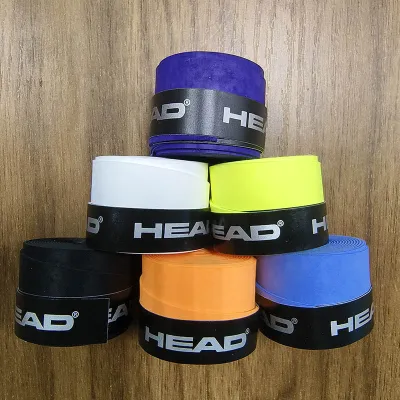
736 Lazada user ratings
I was surprised that it came with another package I bought from a different store. It’s well protected and sealed, which is great because I'…Read full reviewShow less
I was surprised that it came with another package I bought from a different store. It’s well protected and sealed, which is great because I've bought others that weren't packaged well and had issues. I hope these are good. I started to feel the material of the bag, and it looks like it will be durable for my racket.
🔨Durability:still needs to be tried and tested 🎧Comfort:looks soft, Durability needs to be seen after actual use! ✋Grip:looks ok
The seller shipped the item quickly, and it was received in good condition as described. It looks fine; haven't tried it yet.
🔨Durability:The grip lasts long and can be used for a long time. 🎧Comfort:Comfortable to hold and good for long sessions.
very nice quality. very affordable. color looks great. highly recommended. definitely we'll order more of this again.
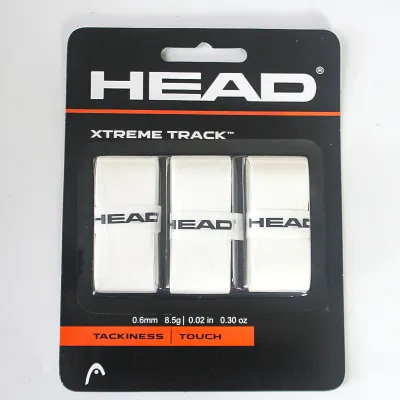
21 Lazada user ratings
Article arrived quickly. It matches the description and the brand is genuine, not a fake. I recommend it without any hesitation.
🔨Durability:amazing 🎧Comfort:amazing ✋Grip:amazing
Imitation lang ito. Iba sa original 👎
It's very good design
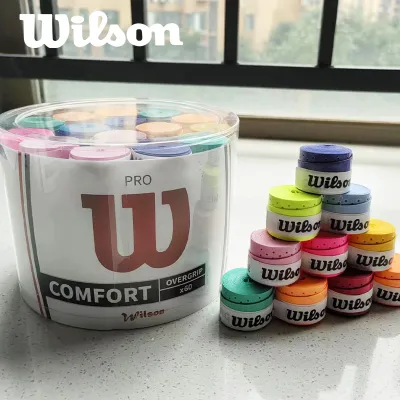
78 Lazada user ratings
Only 14 overgrips arrived. I had ordered 15.
ang Ganda talaga order kame olit po.
Good packaging, Nice handle design,
Good for sweat control,
Soft and comfortable,
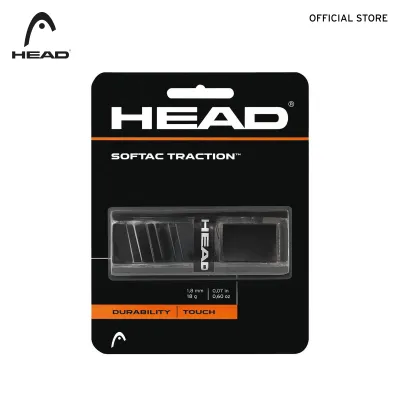
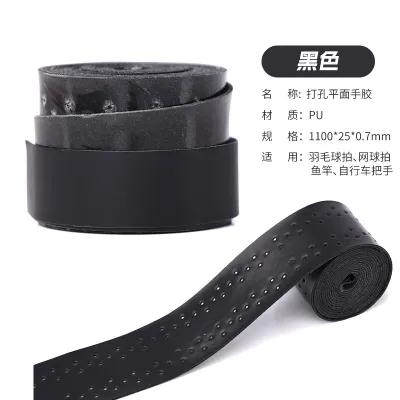
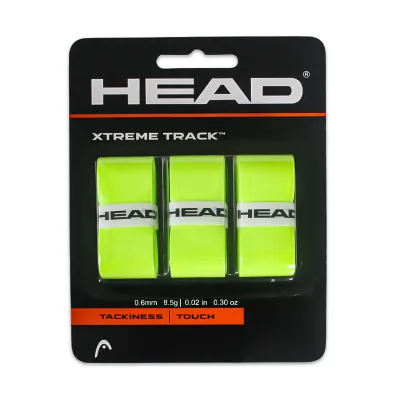
82 Lazada user ratings
Good for badminton, Lightweight design, Thickened overgrips, Anti-slip grip,
Thickened overgrips, 3 pieces per bag, Fast shipping, Anti-slip grip,
Anti-slip grip, Good for badminton, Durable material, Fast shipping,
✋Grip:Good seller service, Thickened overgrips, Good for badminton,
✋Grip:10/10 Genuine product, 🎧Comfort:10/10 Lightweight design,
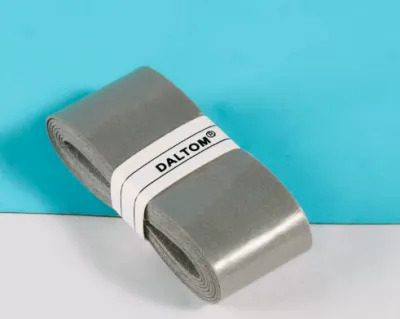
15 Lazada user ratings
Grip tape is a textured adhesive material used to improve traction, control, and handling on items like skateboards, sports racket handles, …Read full reviewShow less
Grip tape is a textured adhesive material used to improve traction, control, and handling on items like skateboards, sports racket handles, and gaming mice
🎧Comfort:very Comfortable to use easy to install as well ✋Grip:help to have better grip especially if you have sweaty hands Love the colors …Read full reviewShow less
🎧Comfort:very Comfortable to use easy to install as well ✋Grip:help to have better grip especially if you have sweaty hands Love the colors too
Works fine and well. Haven’t tested it long but seems okay. Label is misleading though because i was expecting cookie grips talaga
Prices are valid at publication and may change. Please refer to the product page for the latest price.
Dry overgrips, on the other hand, are constructed from non-woven synthetic microfibers, often utilizing polyester or nylon blends. Instead of a smooth, plastic-like coating, they have a brushed, suede-like, or paper-like texture. When you hold a dry grip, it feels soft and absorbent, resembling a finely woven cloth. There is no initial stickiness; instead, the security comes from the natural texture of the fabric and its ability to compress slightly under hand pressure.
Thickness and cushioning also vary between these categories. Tacky grips are often slightly thicker, ranging from 0.5mm to 0.7mm, which provides a bit of extra shock absorption and dampens frame vibrations. This added thickness can slightly round out the bevels of your racket handle, which some players prefer for comfort. Dry grips are frequently engineered to be thinner, often around 0.4mm to 0.5mm. This thin profile ensures that you can still feel the sharp edges of the racket bevels clearly, which is crucial for players who rely on precise grip transitions between forehands, backhands, and volleys.
Grip Security: Managing Sweat and Humidity
Grip security is not just about how the handle feels when you first step onto the court; it is about how that feeling holds up during an intense match. This is where environmental conditions and your body’s natural physiology play a decisive role.

Tacky overgrips rely on surface friction to keep the racket secure. In dry conditions or air-conditioned indoor courts, this friction is incredibly reliable. It locks your hand in place, preventing the racket from twisting when you hit off-center shots. However, polyurethane is non-porous. When sweat from your palm or high ambient humidity introduces moisture to the equation, that water has nowhere to go. It pools on the surface of the tacky grip, creating a slick barrier that drastically reduces friction. If you have sweaty hands, a tacky grip can quickly turn slippery, forcing you to squeeze harder, which leads to muscle fatigue and a higher risk of losing control of your racket.
Dry overgrips handle moisture through capillary action. The non-woven fibers act like a sponge, drawing sweat away from your palm and dispersing it throughout the material. Because the surface remains dry to the touch even as it absorbs moisture, your grip security remains consistent. In fact, many dry grips require a small amount of moisture to reach their optimal level of traction; when completely bone-dry, they can sometimes feel slightly dusty or slick, but they lock in beautifully once your hands begin to warm up.
For players in tropical climates, such as the outdoor courts of the Philippines, humidity is a constant factor. An afternoon match in high humidity will quickly overwhelm a tacky grip, making a dry, moisture-wicking overgrip the practical choice for maintaining control. Conversely, if you play primarily in dry, cool weather, or if your hands rarely sweat, a tacky grip will provide the consistent, slip-free performance you need.
Durability and Wear: When to Expect Replacement
Overgrips are temporary accessories designed to wear out, but the way tacky and dry grips degrade is quite different. Recognizing these wear patterns helps you plan your maintenance and avoid playing with a compromised handle.
Tacky overgrips degrade primarily through the loss of their chemical stickiness and physical peeling. Over time, dirt, dust, and skin oils accumulate on the polyurethane surface, clogging the microscopic pores that create the tacky feel. You will notice the grip transition from sticky to smooth, and eventually to slick. Under high-friction areas—such as where your thumb rubs or where the heel of your hand rests—the thin polyurethane coating will begin to wear away, exposing the fabric backing underneath. This often looks like peeling skin or dark patches on the grip.
Dry overgrips degrade through material compaction and saturation. As you play, the constant pressure from your hand compresses the soft microfibers, causing the grip to lose its plush, velvety feel and become thin and hard. Additionally, once the fibers become saturated with sweat, salt, and oils, they lose their ability to wick away moisture. The grip may begin to feel stiff or crusty when dry, and it will fail to absorb sweat during play. You may also notice fraying along the edges where the wrap overlaps.
While some manufacturers print estimated play hours on their packaging, actual durability depends heavily on your sweat level and grip tension. As a general rule, expect to replace a tacky grip more frequently if you play in dusty environments, as the sticky surface attracts debris quickly. A dry grip will need replacement once it no longer absorbs moisture effectively or feels rough against your skin.
Which Overgrip Should You Choose?
To make the right choice for your gear bag, evaluate your playing environment, physical needs, and tactile preferences using this straightforward decision framework.
Choose a tacky overgrip if:
- You have naturally dry hands and rarely experience sweaty palms during play.
- You play mostly on indoor, air-conditioned courts where humidity is controlled.
- You prefer a highly secure, "glued-to-the-hand" sensation that minimizes racket twisting with minimal grip pressure.
- You want a bit of extra cushioning to dampen vibrations and soften the feel of the racket bevels.
Choose a dry overgrip if:
- You sweat heavily from your hands or play in hot, tropical climates where humidity is high.
- You prefer a soft, cloth-like, or velvety texture over a plastic-like feel.
- You want to maintain a highly tactile connection to the racket's bevels for quick grip changes.
- You find that tacky grips become slick and unmanageable after just a few games.
Before making a final decision, verify your playing conditions. If you live in a region with distinct seasonal changes, you might find it beneficial to use tacky grips during cooler, drier months and switch to dry grips during the hot, humid summer season. Additionally, if you are experiencing unexpected blisters, check your current grip setup. A grip that is too slick can cause micro-slippage, which increases friction against your skin and leads to painful blisters.
Wrapping Basics and Replacement Signals
No matter which texture you choose, proper installation is essential for the overgrip to perform as intended. To wrap your racket, start at the butt cap, securing the tapered end of the overgrip with the adhesive strip if provided. Wrap upward, maintaining consistent tension to avoid wrinkles. Overlap each turn by about 2 millimeters; overlapping too much will make the handle feel bulky, while overlapping too little can leave gaps that expose the base grip. Once you reach the top of the handle, cut any excess grip at an angle and secure it tightly with the included finishing tape.
Keep an eye out for clear signals that your overgrip needs to be replaced. Tactile signs include a noticeable loss of traction, a hard or crusty texture, or the racket twisting in your hand during normal hits. Visual signs include severe discoloration, peeling of the outer layer, or fraying edges.
Regularly replacing your overgrip—which typically costs between ₱100 and ₱300 per grip—is a cost-effective way to maintain optimal racket control. Neglecting this simple maintenance can lead to hand fatigue from over-squeezing, painful blisters, and can eventually ruin the more expensive replacement grip underneath by allowing sweat to seep through and rot the base material.
Frequently Asked Questions (FAQ)
Can I use a tacky overgrip if I have sweaty hands?
Using a tacky overgrip when you have very sweaty hands is generally not recommended, as the non-porous polyurethane surface cannot absorb moisture. This causes sweat to pool on the grip, creating a slippery surface that can lead to the racket twisting or even flying out of your hand during a swing. If you prefer the feel of a tacky grip but struggle with moisture, try using sweat-absorbing wristbands to stop perspiration from running down your arm, or apply a grip-enhancing powder or rosin to your hands before playing. However, switching to a dry overgrip remains the most reliable solution for managing heavy hand sweat.
Do dry overgrips work well for pickleball or badminton?
Yes, dry overgrips work exceptionally well for other racket sports like pickleball and badminton, especially during fast-paced rallies that generate quick hand sweat. However, you must consider handle thickness when applying them. Badminton rackets have very thin handles, so adding a thick overgrip can alter the grip size and reduce your ability to make precise finger-tip adjustments. When wrapping a badminton or pickleball paddle, choose a thin dry overgrip and wrap it with minimal overlap to maintain the handle’s original bevel definition while still enjoying the moisture-wicking benefits.
Community discussion
Share your experience or ask a question. Comments are reviewed before publication.