
Selecting the right tennis ball picker can transform your practice sessions from a physically exhausting chore into an efficient, focused workout. When training under the intense heat of outdoor courts, saving your energy for actual swings rather than bending down to collect stray balls is essential for maintaining form and preventing premature fatigue. The three primary tools for this task—the ball tube, the ball hopper, and the ball basket—each serve distinct training styles, storage limitations, and physical comfort needs.
Understanding the Three Main Ball Picker Designs
A ball tube is a lightweight, cylindrical pipe typically constructed from durable PVC or clear plastic. It operates on a simple push-down mechanical action. At the bottom of the tube, a flexible rubber or plastic cap features a slightly narrowed opening. When you press the tube down over a tennis ball, the cap flexes outward to let the ball slide inside, then snaps back to prevent it from falling out. Gravity keeps the collected balls stacked vertically inside the cylinder. Most tubes feature a shoulder strap or a simple fence hook, holding between 15 and 20 balls in a single, highly portable column.
A ball hopper is a wireframe or heavy-duty plastic mesh cage designed for high-volume collection and easy court-side feeding. Its defining feature is a set of dual-purpose handles that swing down and lock into place beneath the cage, transforming the handles into sturdy legs that elevate the basket to hip height. The bottom of the hopper consists of parallel metal wires spaced just slightly narrower than a standard tennis ball. When you push the hopper down over a ball, the wires flex apart to let the ball pop up into the basket. This design typically accommodates 50 to 100 balls, making it a staple for coaches and high-repetition practice.
Products mentioned in this guide
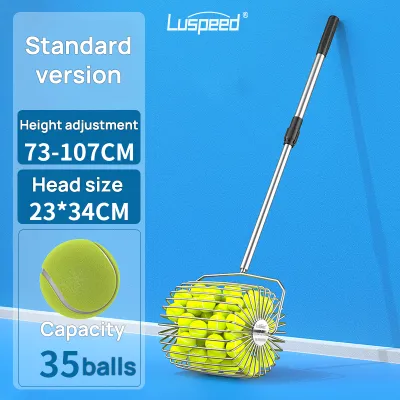
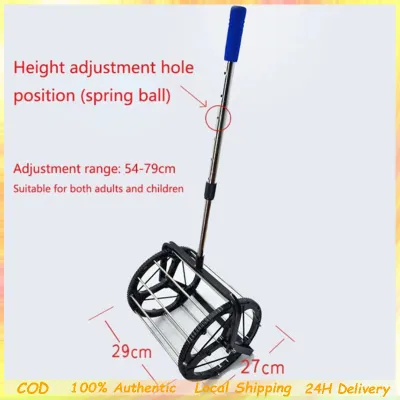
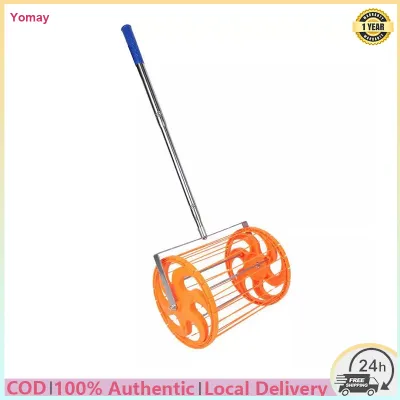
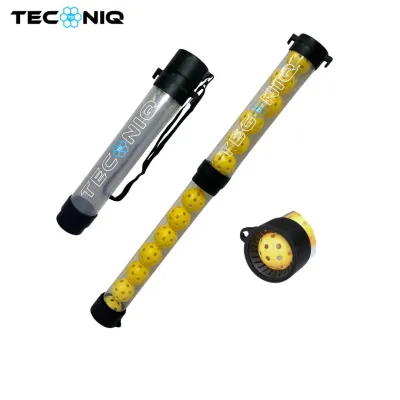
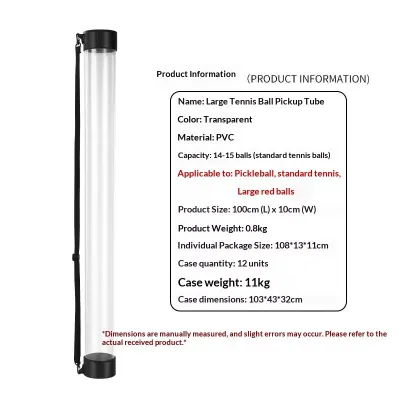
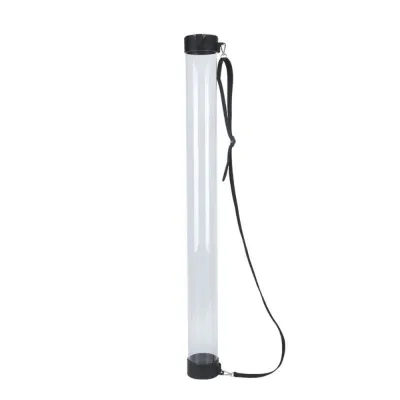
Prices are valid at publication and may change. Please refer to the product page for the latest price.
A ball basket is a solid or semi-solid container, often molded from heavy-duty plastic or constructed from rigid wire, featuring a fixed or swinging overhead handle. Unlike a hopper, a traditional basket is designed primarily for secure containment and manual transport rather than bottom-up collection. Some modern variations incorporate hybrid pickup features, but the classic basket requires you to scoop balls from the court or pour them in from another collector. It focuses on maximum structural durability and spill-free storage, often featuring a secure lid to keep balls contained during bumpy rides in a car trunk or on public transport.
Key Comparison Dimensions for Court Comfort
Physical strain is a major consideration during repetitive practice. Bending over to pick up dozens of balls can quickly lead to lower back fatigue, especially during long training sessions. A ball hopper offers the most ergonomic relief because its convertible legs raise the basket to hip height, allowing you to feed balls into a ball machine or practice your serve without bending. When collecting, the long handles allow you to push the cage along the ground while standing relatively upright. A ball tube also allows you to stand upright during pickup, but it requires a repetitive downward plunging motion that can strain your wrist, elbow, or shoulder if the bottom cap is stiff or if the court surface is uneven.

Your training intensity and drill structure should dictate your capacity needs. If you are practicing solo serve progressions, you may easily hit 80 to 100 balls before stopping to collect. In this scenario, a ball tube’s 15-ball limit is highly inefficient, forcing you to interrupt your rhythm every few minutes. Conversely, if you are working on targeted, low-volume drills with a partner or a coach, a lightweight tube is highly efficient, allowing you to quickly clear a small zone without hauling a heavy metal cage around the court.
Transporting equipment to and from the court can be a challenge, particularly if you rely on compact vehicles, motorcycles, or public transportation. A ball tube is the most portable option, easily slinging over your shoulder or fitting into a standard tennis bag. A ball hopper, even when the handles are folded flat, remains a bulky wire cage that takes up significant space in a car trunk or backseat. If the hopper lacks a secure top lid, any sudden stop can send dozens of tennis balls rolling around your vehicle. Baskets offer a middle ground, providing a stable, non-collapsible footprint that sits securely on a car floor, though they still require dedicated cargo space.
Court surfaces vary widely, from smooth hard courts to gritty clay or shell courts. On clay or sandy surfaces, fine grit can accumulate in the moving parts of a hopper’s folding legs or grind against the bottom wires, potentially wearing down the protective coating and leading to rust. A ball tube’s sealed plastic body protects the stored balls from ground moisture and dirt, though the bottom intake cap must be kept clean. Wind resistance is another factor on outdoor courts; a tall, top-heavy hopper standing on its legs can easily blow over during sudden gusts, whereas a low-profile basket or a flat-lying tube remains stable.
Choosing the Right Picker for Your Routine
Choose a ball tube if you primarily practice solo, manage small batches of balls, or have limited storage and transport space. It is an excellent choice for casual players who want a quick, lightweight tool to clean up after a casual hit without adding bulk to their gear bag.
Choose a ball hopper if you conduct high-volume drills, run coaching sessions, or require hands-free standing access to minimize back strain. The ability to transition from a pickup tool to a standing ball stand makes it indispensable for serious training environments where efficiency is paramount.
Choose a ball basket if you prefer a rugged, long-lasting carry option, need moderate capacity, or share equipment across multiple sports. Its solid construction is highly durable, making it ideal for schools, community clubs, or multi-sport families who need to transport tennis balls, pickleballs, or training aids without worrying about delicate folding mechanisms.
Before finalizing your choice, verify the specific features of the model you are considering. Check the locking security of a hopper’s folding legs; a weak lock can cause the basket to collapse unexpectedly under the weight of a full load of balls. Examine the handle grips to ensure they offer a secure, non-slip texture, especially when playing in hot, humid conditions where sweaty hands are common. Finally, verify that the pickup mechanism is compatible with your specific ball type, as pressurized tennis balls, pressureless balls, and transition balls can vary slightly in compressibility.
Maintenance and Safety Checks
Regular maintenance ensures your ball picker remains structurally sound and safe to operate over many seasons. High humidity and tropical climates can accelerate rust on metal wireframes, particularly at weld points and folding joints. Inspect these areas regularly for signs of corrosion or structural weakness. If you notice rust forming, gently clean the area with a wire brush and apply a thin coat of rust-resistant paint or a non-greasy lubricant, taking care not to let any residue transfer to your tennis balls.
Keep the pickup mechanisms clean to prevent dirt, clay, and court debris from interfering with their function. For ball tubes, wipe down the rubber or plastic bottom cap to ensure it remains flexible; dirt buildup can cause the material to stiffen, making it much harder to push down over a ball. For hoppers, check that the bottom wires remain properly spaced and tensioned. If the wires bend outward over time, balls will slip back out of the bottom of the cage during transport.
Safety is equally important when handling folding mechanisms. Always operate folding handles and leg locks slowly to avoid pinching your fingers in the joints. Check that the handle grips are securely attached to the metal frame; a loose grip can slip off during a carry, causing you to drop the picker and potentially spill balls or injure your feet. If a grip becomes loose, secure it with a suitable adhesive or replace it immediately.
Frequently Asked Questions (FAQ)
Can a ball picker damage tennis balls?
Yes, a damaged or poorly maintained picker can accelerate wear on tennis balls. Rough, rusted edges on wire hoppers or cracked plastic on ball tubes can snag and tear the ball felt. Additionally, pushing down too hard on a flat or under-inflated ball can damage its internal structure. Regularly inspect the pickup contact points to ensure they are smooth and free of sharp edges.
Are ball pickers suitable for other racket sports?
It depends entirely on the ball size and weight. Standard tennis ball tubes and hoppers are calibrated specifically for the diameter and compressibility of tennis balls. Pickleballs, which are larger, harder, and non-compressible, will not fit through standard tennis pickup mechanisms. Padel balls are very similar in size to tennis balls and will generally work, but you should always verify the manufacturer’s specifications before attempting to use a tennis picker for other sports.
Community discussion
Share your experience or ask a question. Comments are reviewed before publication.