
Choosing the right tennis racket dampener comes down to balancing how much string vibration you want to block, how secure the device needs to be during intense rallies, and your personal style. While these small accessories do not alter the frame’s physical stiffness or prevent arm injuries, they dramatically change the sound and feel of every strike. By understanding the differences between compact button dampeners, multi-string worm dampeners, and expressive custom shapes, you can easily find the ideal match for your racket’s string pattern and your playing preferences.
What Tennis Racket Dampeners Actually Do
A tennis racket dampener is a small piece of rubber, silicone, or gel inserted into the string bed. Its primary mechanical function is to mute the high-frequency vibrations of the strings immediately after ball contact. This significantly reduces or eliminates the sharp, high-pitched “ping” sound, replacing it with a solid, low-pitched “thud” that many players find more satisfying and less distracting.
In hot and humid tropical climates like the Philippines, tennis strings can lose tension more rapidly, altering the racket’s natural sound. A dampener helps maintain a consistent acoustic feel even when the strings begin to soften under the heat. However, it is important to understand what a dampener cannot do. It does not alter the physical stiffness of your racket frame, nor does it absorb the heavy, low-frequency shock that travels up the shaft and into your arm upon impact. Players experiencing joint discomfort should look to string type, tension, or frame weight rather than relying on a dampener for relief.
Products mentioned in this guide

Prices are valid at publication and may change. Please refer to the product page for the latest price.
Ultimately, the effect of a dampener is highly subjective. Some players rely on the acoustic feedback to gauge the quality of their contact, while others find the resonance distracting and prefer a highly muted feel.
Button Dampeners: Compact Feel and Minimalist Design
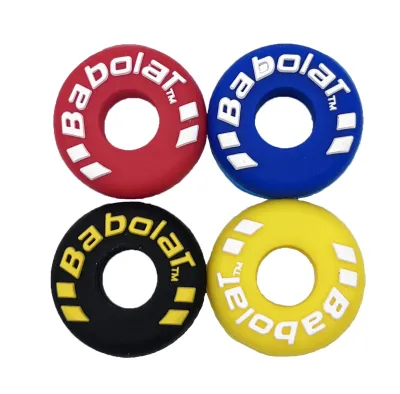
Button dampeners, often shaped like small discs, rings, or squares, are the most common type found on tennis courts. They are designed to fit snugly between the two center main strings, typically resting just above the bottom cross string. Because of their compact size, they are incredibly easy to install and remove, making them a highly convenient option for players of all levels.

These minimalist accessories have a negligible impact on the overall weight distribution of your racket. Weighing only a few grams, a button dampener will not noticeably alter your racket’s swing weight or balance point. It also leaves the vast majority of the string bed untouched, preserving a crisp, responsive feel with just enough acoustic muting to take the edge off the high-pitched ring.
The primary drawback of button dampeners is their tendency to fly off the racket during play. If you hit a heavy topspin shot or make contact near the very bottom of the frame, the sudden string deflection can squeeze the dampener out of its groove. Finding a lost button dampener in the grass or on a dark hard court can be a frustrating interruption to your match.
Worm and Custom Dampeners: Extended Coverage and Style
Worm dampeners are elongated, tube-like accessories that weave through several main strings, often securing to the outer strings with small plastic hooks or clips. By making physical contact with four, six, or even eight strings simultaneously, they absorb a much wider spectrum of string bed vibration. This results in an extremely muted, deadened feel upon impact, which appeals to players who dislike any residual string resonance.
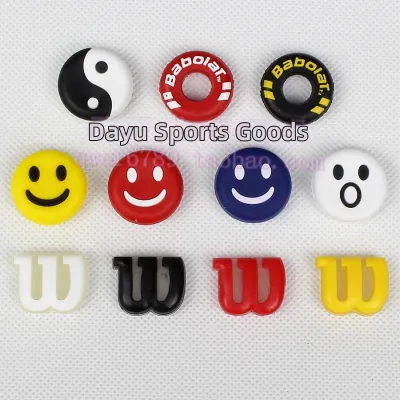
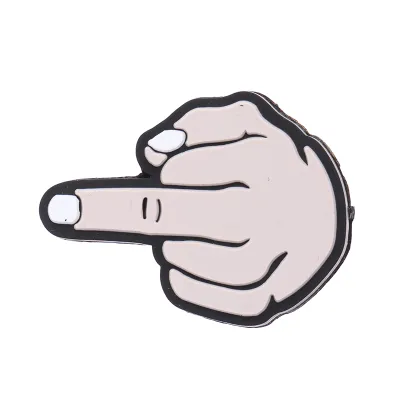
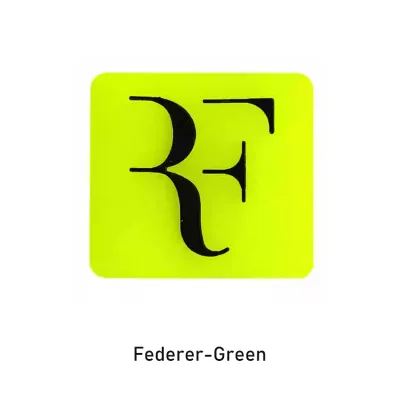
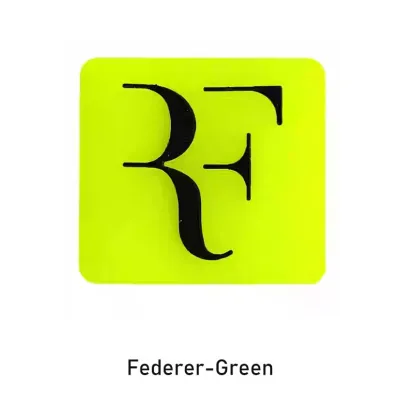
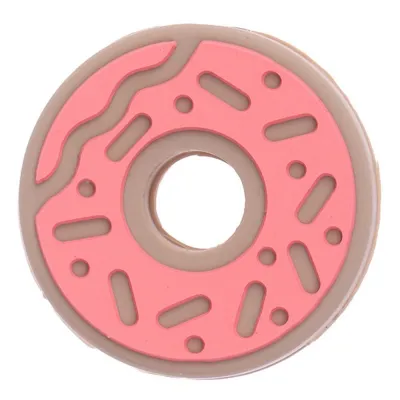
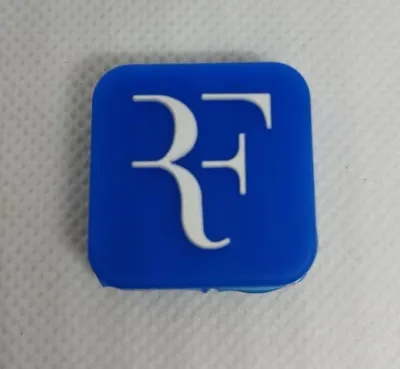
Custom-shaped dampeners offer a middle ground, combining the functional footprint of a button dampener with creative visual designs. Often shaped like animals, emojis, flags, or brand logos, these accessories allow players to personalize their gear. While they function almost identically to standard button dampeners, their varied shapes and thicknesses can sometimes affect how securely they grip the strings.
However, the extended coverage of worm dampeners and the bulkier designs of some custom shapes come with a minor trade-off in weight. While still relatively light, these larger dampeners add slightly more mass to the bottom of the string bed. This can subtly lower the racket’s sweet spot or slightly alter the head-light balance, a change that highly sensitive players might notice during fast swings.
How to Choose the Right Dampener for Your Playstyle
Selecting the right dampener depends heavily on your sensory preferences on the court. If you prefer crisp, raw feedback that helps you feel exactly where the ball met the string bed, you might choose to play without a dampener or use a very small, firm button. Conversely, if you prefer a solid, uniform “thud” on every shot, a worm dampener or a larger silicone button will provide the heavy muting you desire.
Your racket’s string pattern density also plays a crucial role in your choice. Tighter string patterns, such as an 18×20 configuration, leave very little space between the individual strings. Installing a thick button dampener in these tight gaps can be difficult and may distort the string alignment, making a slim worm dampener or a highly flexible silicone button an excellent fit.
Finally, consider durability and retention. If you frequently hit off-center shots or play with heavy spin, standard button dampeners are highly likely to pop out. In this case, investing in a worm dampener that clips securely to the strings, or keeping a multi-pack of budget-friendly button dampeners in your tennis bag, will save you from constant interruptions during play.
Proper Installation and Placement on the String Bed
To ensure your dampener is tournament-legal, you must install it in the correct zone. According to the rules of tennis, dampeners must be placed outside the pattern of crossed strings. This means they can only be positioned below the lowest cross string, above the highest cross string, or outside the outermost main strings. Most players choose the bottom position, as it keeps the accessory well out of the ball-striking zone.
When installing a button dampener, gently slide it between the two center main strings, pushing it down until it rests firmly against the bottom cross string. For worm dampeners, weave the tube under and over the main strings symmetrically, then secure the end hooks around the outer main strings. Avoid pulling or stretching the dampener excessively during installation, as this can tear the silicone or scratch the string coating.
Before adding a dampener, take a moment to inspect the condition of your string bed. If you notice deep notches where the strings intersect, or if the outer coating is heavily frayed, the added friction of installing a tight dampener could accelerate a string break. If your strings are worn out, consider getting your racket professionally restrung before fitting a new dampener.
Frequently Asked Questions (FAQ)
Do professional tennis players use dampeners?
Many professional tennis players use dampeners, but the choice is entirely a matter of personal preference. Some top-tier players use them to maintain a consistent, quiet sound during high-stakes matches, while others prefer to play without them to receive unfiltered tactile and acoustic feedback from the string bed.
Can I use more than one dampener on my racket?
Yes, tennis rules permit the use of multiple dampeners, provided they are all placed outside the pattern of the crossed strings. However, adding multiple dampeners offers diminishing returns on vibration reduction and adds unnecessary weight to the lower head of the racket, which can negatively affect your swing balance.
Will a dampener stop my arm from hurting after playing?
No, a dampener will not prevent or cure arm pain or conditions like tennis elbow. Dampeners only absorb high-frequency string vibrations, not the heavy, low-frequency impact shock that travels into your joints. If you experience persistent pain, consult a medical professional and consider adjusting your racket weight, string tension, or stroke technique.
Community discussion
Share your experience or ask a question. Comments are reviewed before publication.