
Selecting the right tennis racket strings is just as critical as choosing the racket frame itself, yet it remains one of the most overlooked aspects of gear setup. Your strings are the only part of your equipment that makes direct contact with the ball, meaning their material, construction, and tension dictate how much control, power, and comfort you experience on the court. To find a suitable match, you must understand how different string materials interact with your individual skill level, physical condition, and play style. This guide breaks down the four primary material categories—natural gut, multifilament, synthetic gut, and polyester—and provides a practical framework to help you make an informed decision for your next restringing session.
Understanding the Main Types of Tennis Racket Strings
Before diving into specific playing styles, it is essential to understand what tennis racket strings are made of and how their physical structures differ. Manufacturers categorize strings based on their core construction, which directly influences how they behave when striking a ball. Generally, the material composition determines how well a string maintains its tension over time, how much shock it transmits to your arm, and how long it lasts before snapping. However, because manufacturing techniques vary widely, you should always verify specific performance claims against the product’s official specifications rather than relying solely on general material assumptions.
Natural Gut
Natural gut represents a traditional premium option, crafted from the fibrous and collagen-rich serosa of cow intestines. This biological composition gives natural gut an incredibly elastic structure, allowing it to absorb heavy impact and return energy to the ball with minimal shock to the player’s arm. It is highly favored by advanced players who require exceptional feel, depth control, and tension stability over long periods. However, because it is an organic material, natural gut is highly sensitive to environmental factors. In tropical climates with high humidity and frequent rain, such as the Philippines, players must check the manufacturer’s care instructions regarding moisture exposure and store their rackets in thermal-lined bags to prevent premature degradation.
Products mentioned in this guide
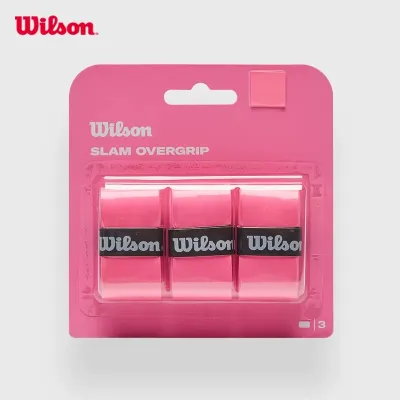
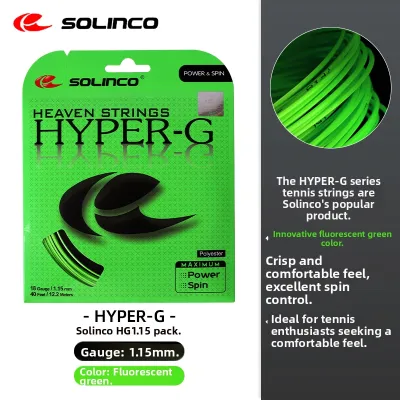
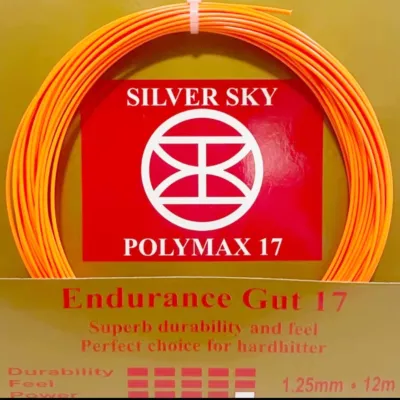
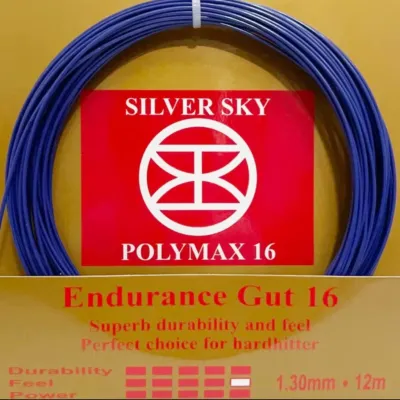
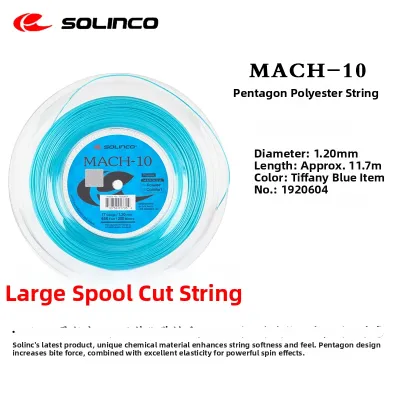
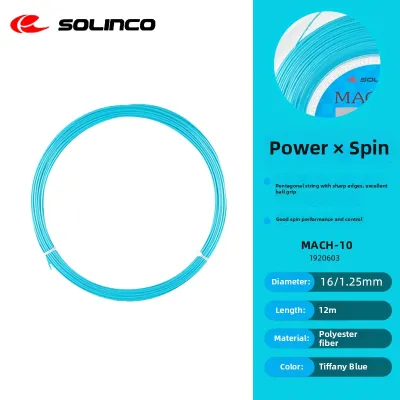
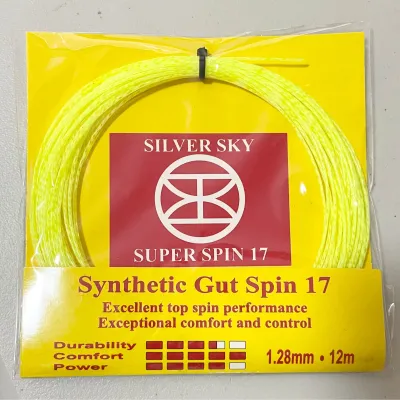
Prices are valid at publication and may change. Please refer to the product page for the latest price.
Multifilament
Multifilament strings are engineered to mimic the soft, elastic feel of natural gut using synthetic materials. They are constructed by bundling thousands of microfine synthetic fibers together and wrapping them in a protective outer sheath. This design makes multifilament strings an excellent choice for players seeking a comfortable, shock-absorbing alternative without the premium cost or extreme environmental sensitivity of natural gut. When shopping for multifilaments, it is wise to check product labels for specific outer coatings or core variations, as some are treated to offer better durability, weather resistance, or friction reduction in humid playing conditions.
Synthetic Gut
Synthetic gut is a highly versatile and accessible option, typically constructed with a solid nylon core surrounded by one or more layers of smaller outer wraps. This solid-core design provides a balanced blend of durability, control, and feel at an economical price point, making it the standard choice for pre-strung rackets and recreational players. Because synthetic gut is a broad category encompassing many different nylon formulations, players should verify specific product features on the packaging. Checking whether a particular synthetic gut emphasizes durability, comfort, or crisp feedback will ensure it aligns well with your immediate playing needs.
Polyester (Co-Poly)
Polyester strings, often referred to as co-polyester or co-poly, are made from a single-piece extruded plastic monofilament, sometimes blended with chemical additives to alter stiffness. This dense, rigid construction is designed for modern, fast-swinging players who generate their own power and require high control and spin potential. The stiff nature of polyester allows players to swing fully without fear of hitting long, but this stiffness also means it transmits more shock to the arm and loses tension much faster than softer materials. Because stiffness levels and tension loss rates vary significantly by brand, you must consult the manufacturer’s specifications to understand the exact durability and feel profile of a specific polyester string.
How to Match String Material to Your Skill Level and Play Style
Selecting the right string material requires a realistic assessment of your current playing ability, physical health, and on-court habits. A string that works perfectly for a professional might hinder a beginner’s development or even lead to physical discomfort.

To help guide your decision, consider this general framework mapping skill levels to suitable string categories:
- Beginner: Synthetic gut or multifilament. These materials provide a forgiving sweet spot, excellent comfort, and easy depth, helping new players focus on developing proper stroke mechanics without arm fatigue.
- Intermediate: Multifilament or a hybrid setup. As players begin to swing faster and hit with more consistency, multifilaments offer the necessary comfort and power, while a hybrid setup can introduce control without sacrificing arm safety.
- Advanced: Polyester or natural gut. Players with fast, developed swings who can consistently hit the sweet spot benefit from the control and spin of polyester, or the unmatched feel and tension maintenance of natural gut.
Your play style also dictates which material will complement your game. If you are a baseline player who relies on heavy topspin and fast swings, polyester strings provide the necessary grip and snap-back effect to keep the ball inside the lines. Conversely, if you prefer net play, touch shots, and baseline power, the elasticity of natural gut or multifilament will give you the pocketing feel and depth control required for precise placement.
Physical health must be a primary consideration when choosing strings. Players experiencing arm, wrist, or shoulder discomfort should avoid stiff polyester strings entirely. If you have a history of tennis elbow, it is highly recommended to consult a sports medicine professional or a certified racket stringer before selecting your gear. Opting for soft multifilament or natural gut strings at a moderate tension can significantly reduce the vibration transmitted to your joints.
To determine if your current string setup is working or if a material switch is necessary, use this quick evaluation checklist:
- Check your breakage frequency: If you are snapping synthetic gut or multifilament strings in less than ten hours of play, you may need to transition to a thicker gauge or a polyester hybrid for better durability.
- Monitor tension loss: If your racket feels dead or the ball flies uncontrollably after only a few weeks, your strings have likely lost their elasticity, indicating a need for a material with better tension maintenance.
- Assess physical comfort: If you feel joint fatigue or muscle soreness after a standard hitting session, switch to a softer, more shock-absorbing material immediately.
Key Factors to Check Before Buying or Restringing
Once you have identified the right material category, several technical factors must be verified to ensure compatibility with your racket frame and local playing conditions.
First, always check your racket manufacturer’s recommended string tension range, which is typically printed on the inside of the frame’s throat. Staying within this recommended range protects the structural integrity of the frame and ensures the strings perform as designed.
Second, pay close attention to the string gauge, which refers to the thickness of the string. Gauge measurements are usually printed on the packaging in millimeters, typically ranging from 1.10 mm (thin) to 1.40 mm (thick). Thinner gauges offer more feel, comfort, and spin but wear out faster, whereas thicker gauges provide enhanced durability and tension stability. You should check the packaging for exact millimeter measurements rather than relying on generic gauge numbers, as standards can vary slightly between brands.
Third, if you are considering a hybrid stringing setup—which involves using one type of string for the mains (verticals) and another for the crosses (horizontals)—consult a certified racket technician or the string manufacturer’s guidelines first. Mixing materials with vastly different stiffness profiles can place uneven stress on your racket frame, potentially causing warping or cracking if not strung correctly.
Finally, make it a habit to inspect your old strings before cutting them out. Look for specific wear patterns: deep notches where the strings intersect indicate high friction and spin generation, while clean snaps often point to off-center hits or material fatigue. Sharing these observations with your local stringer will help them fine-tune your next tension and material selection.
Frequently Asked Questions (FAQ)
How often should I restring my tennis racket?
A common rule of thumb is to restring your racket as many times per year as you play per week. For example, if you play twice a week, you should aim to restring at least twice a year. However, this guideline varies depending on the material used; polyester strings lose their tension and playability much faster than multifilaments or natural gut, often requiring replacement even if they have not broken. You should restring immediately if you observe clear signs of degradation, such as a sudden loss of control, visible fraying on multifilament strings, or a dull, dead feel upon impact.
Can I mix different string materials in the same racket?
Yes, this practice is known as hybrid stringing, and it is highly effective for balancing different performance traits. For instance, combining a durable polyester string in the mains with a soft multifilament in the crosses allows players to enjoy the spin and control of polyester alongside the comfort and power of a synthetic fiber. Before attempting a hybrid setup, verify your racket’s warranty terms and consult a professional stringer to ensure the tension differential between the mains and crosses is safe for your specific frame.
Community discussion
Share your experience or ask a question. Comments are reviewed before publication.