
Choosing the right tennis sports bag capacity is a balancing act between the gear you actually carry and the physical effort required to transport it. While manufacturers label bags based on the maximum number of rackets they can hold, these ratings can be highly misleading if you plan to pack shoes, extra clothing, and hydration flasks. For most recreational players, a bag rated for six rackets serves as the practical sweet spot, whereas casual weekend hitters often find a three-pack or a dedicated backpack more than sufficient. Conversely, competitive tournament players who need multiple backup frames and extensive gear will require the expansive storage of a twelve-pack bag. Finding your ideal size requires looking beyond the manufacturer’s label and analyzing your personal playing routine, local climate demands, and daily commute.
Understanding Tennis Bag Capacity Standards
To select the right tennis sports bag, you must first understand how the industry measures and labels storage capacity. Manufacturers typically categorize bags using “pack” sizes, such as 3-pack, 6-pack, 9-pack, or 12-pack. This number indicates the absolute maximum number of standard tennis rackets that can physically fit into the bag’s primary compartments when they are completely empty of other gear. It is a raw volume measurement rather than a realistic guide for a fully packed day on the court.
In practice, a dedicated racket compartment is designed to keep frames flat and protected, but general storage space often shares the same internal volume. If you purchase a 6-pack bag and fill one side with a pair of bulky court shoes, a clean change of clothes, and a large water bottle, you will likely only have room left for two or three rackets. When shopping, always distinguish between the total racket capacity and the actual layout of the compartments. A high-quality tennis sports bag will feature partitioned sections that prevent your dirty gear and heavy accessories from crushing your rackets or damaging their strings.
Products mentioned in this guide
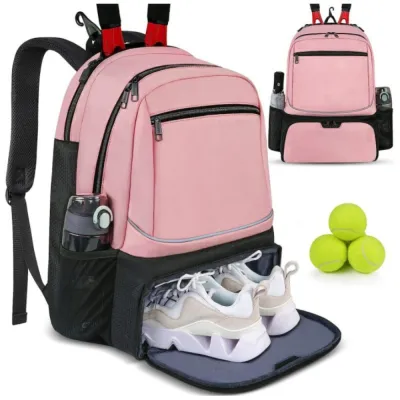
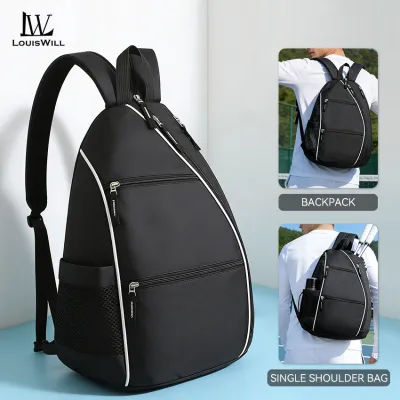
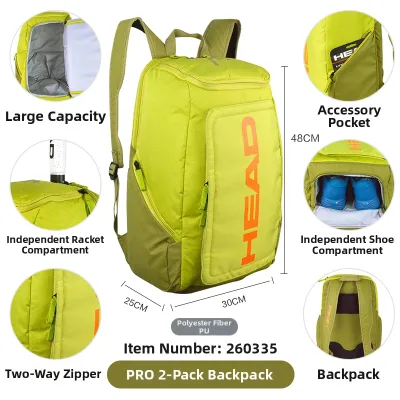
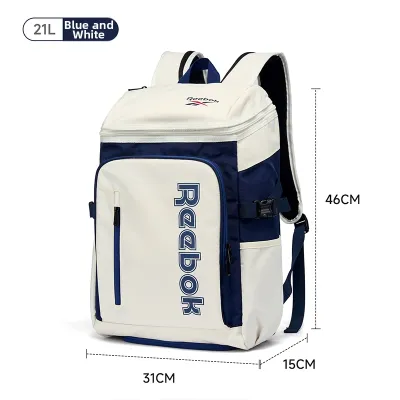
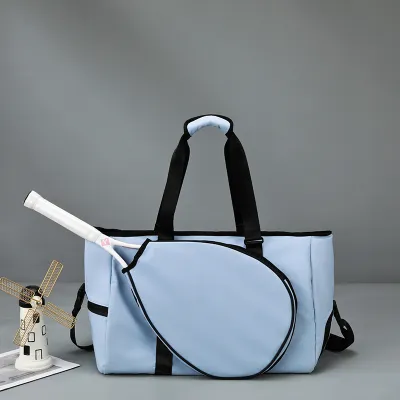
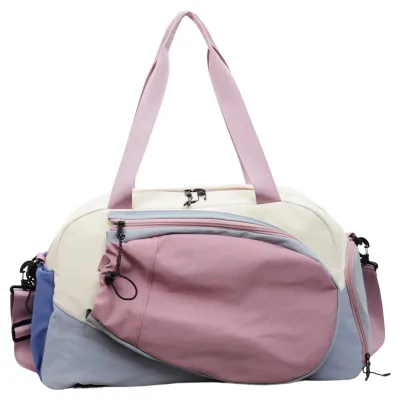
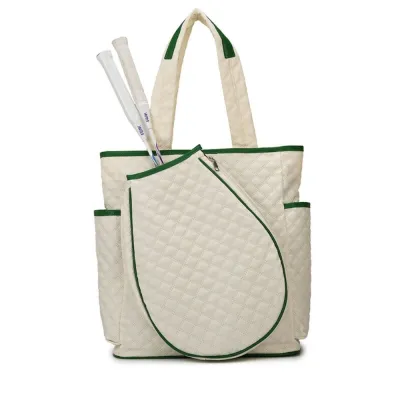
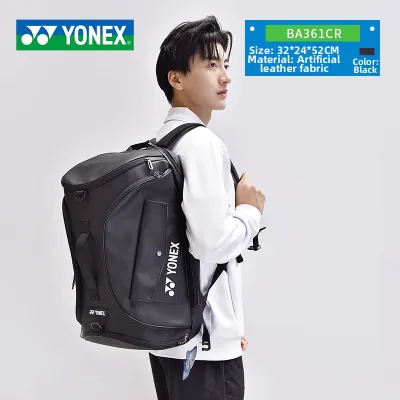
Prices are valid at publication and may change. Please refer to the product page for the latest price.
Matching Bag Size to Your Playing Routine
Instead of choosing a bag based solely on the number of rackets you own, match the capacity to your specific playing habits and lifestyle. With options ranging from budget-friendly covers under ₱1,500 to premium tournament bags exceeding ₱5,000, matching the capacity to your specific playing habits and lifestyle ensures you get excellent value for your money.

1 to 3 Rackets: The Casual or Minimalist Player
If you are a beginner, a casual player who hits once a week, or someone who prefers to travel light, a 3-pack bag or a specialized tennis backpack is usually the most practical choice. These compact options are designed to hold one primary racket, a single can of tennis balls, and small personal items like keys, a wallet, and a phone. Their smaller footprint makes them incredibly easy to carry, whether you are commuting on a motorcycle, riding public transit, or walking to local community courts.
However, minimalist bags come with clear limitations that you must consider before buying. They rarely have enough space to accommodate a separate pair of court shoes, meaning you will have to wear your tennis shoes to the court or carry them in a separate sack. There is also very little room for a change of clothes or large hydration flasks, which can be a major drawback when playing in hot, humid tropical conditions where staying hydrated and changing out of sweat-soaked shirts is essential.
6 to 9 Rackets: The Regular Club Player
For the frequent club player who hits multiple times a week, a 6-pack or 9-pack tennis sports bag offers the most versatile balance of storage and portability. This size tier is highly popular because it comfortably accommodates two to four rackets while leaving ample room for all your supporting gear. You can easily pack a dedicated pair of court shoes, a fresh change of clothes, towels, overgrips, and multiple cans of balls without overstuffing the compartments.
This mid-range capacity is particularly well-suited for players who need to transition directly from work or school to the tennis court. The bags are large enough to feature specialized compartments, such as ventilated shoe tunnels and insulated pockets, yet they remain compact enough to fit easily into standard sports club lockers or car trunks. They provide the necessary organization to keep your clean apparel separate from your dirty court gear, making your post-match routine seamless.
12 to 15+ Rackets: The Competitive or Tournament Player
Competitive players, varsity athletes, and tournament travelers require maximum-capacity bags, typically rated for 12 to 15 rackets. When you are playing multi-day tournaments or long league matches, you need to carry multiple pre-strung rackets to account for string breakage and tension loss. These massive bags allow you to carry five or six rackets safely in dedicated compartments while leaving the remaining sections open for extensive gear, including multiple changes of apparel, warm-up suits, towels, medical kits, and nutrition.
Carrying such a heavy, unbalanced load requires a robust carrying system, which is why these large bags almost always feature dual, padded shoulder straps that allow you to wear the bag like a backpack. However, you should avoid buying an oversized bag if you do not actually carry a large volume of equipment. An underfilled 12-pack bag lacks structural integrity, causing your rackets and accessories to shift and slide around during transit, which can lead to unnecessary wear and tear on your frames.
Beyond Rackets: Factoring in Accessories and Compartments
The usability of a tennis sports bag is defined by its internal organization and specialized features rather than raw volume alone. When evaluating different models, look closely at how the compartments are designed to handle the specific challenges of the sport, especially in warm climates.
Thermal-lined compartments are a crucial feature for protecting your equipment from extreme temperatures. High heat and humidity can rapidly degrade tennis strings, causing them to lose tension or become brittle. While these insulated pockets are excellent for preserving your string beds, they often utilize thick, padded materials that slightly reduce the overall flexible storage space inside the bag. You will need to balance the need for thermal protection with the volume required for your other gear.
Dedicated shoe compartments and wet/dry separation pockets are equally important for maintaining hygiene and protecting your investment. Court shoes carry clay, dust, and hard-court debris that you do not want transferring to your clean clothes or racket grips. Similarly, playing in tropical heat results in heavily damp apparel and towels; storing these in a ventilated, water-resistant wet pocket prevents moisture and unpleasant odors from spreading to the rest of your bag’s contents. Finally, external accessory pockets keep small items like dampeners, overgrips, and keys easily accessible without requiring you to rummage through the main compartments.
Common Capacity Mistakes to Avoid
One of the most frequent mistakes players make is purchasing a bag that is far too large for their actual needs. While it might seem beneficial to have extra space “just in case,” an oversized, mostly empty bag allows your rackets to collide with one another or with heavy accessories during travel. This constant shifting can scratch the paint, wear down the grommets, or even cause minor structural damage to your frames over time.
Another common oversight is ignoring the carrying system relative to the bag’s fully loaded weight. Opting for a high-capacity 9-pack bag with only a single shoulder strap can lead to severe shoulder and back strain, especially during long commutes. If you plan to carry more than three rackets along with shoes and water, prioritize bags with ergonomic, adjustable backpack straps that distribute the weight evenly across both shoulders.
Lastly, always measure the physical dimensions of the bag against your daily environment before making a purchase. A massive tournament bag might look impressive on the court, but it can quickly become a major inconvenience if it does not fit into your local club’s lockers, your vehicle’s trunk, or if it makes commuting on a motorcycle or public transit highly impractical. Choose a size that integrates smoothly into your entire routine, both on and off the court.
Frequently Asked Questions (FAQ)
Can I use a regular backpack instead of a dedicated tennis sports bag?
While you can use a standard school or travel backpack for occasional, casual trips to the court, it is not ideal for regular play. Standard backpacks lack dedicated racket compartments, leaving your racket handles exposed to the elements and prone to catching on doorways or tree branches during transit. They also lack thermal lining to protect your strings from heat and humidity, and they rarely feature separate, ventilated compartments to isolate dirty court shoes and wet clothes from your clean gear.
Does a larger tennis bag protect my rackets better than a smaller one?
Not necessarily. A larger bag only provides better protection if it is filled appropriately and features dedicated, padded racket compartments. If you place only one or two rackets inside a massive, empty 12-pack bag, they will slide around and collide with other items, increasing the risk of frame and string damage. For optimal protection, choose a bag that fits your actual gear volume snugly, or use individual racket covers and internal dividers to secure your frames if you must use a larger bag.
Community discussion
Share your experience or ask a question. Comments are reviewed before publication.