
Choosing between a tension-mounted and a fixed-mounted pull-up bar depends entirely on your door frame’s structural strength, material, and whether you are permitted to make permanent modifications to your living space. Tension-mounted bars rely on outward friction and are excellent for renters or temporary setups with solid, flat door frames. Fixed-mounted bars require drilling screws or brackets into solid wood or concrete, offering a highly stable, permanent solution for intense workouts. Assessing your specific door frame before purchasing prevents structural damage and ensures your safety during exercise.
Before hanging your body weight from any doorway accessory, you must evaluate the physical limits of your home’s architecture. A mismatch between your mounting style and your door frame can lead to sudden equipment failure, falls, or costly structural repairs.
Assessing Your Door Frame and Wall Structure
Evaluating your door frame begins with identifying the material of the frame itself. In many modern residential developments, door frames are constructed from lightweight materials like PVC, hollow-core wood, or thin aluminum. These materials are highly susceptible to warping, cracking, or buckling under pressure. Conversely, older homes and heavy-duty constructions often feature solid hardwoods or concrete-poured door jambs, which provide the structural integrity required to support both outward tension and screw anchoring.
Products mentioned in this guide
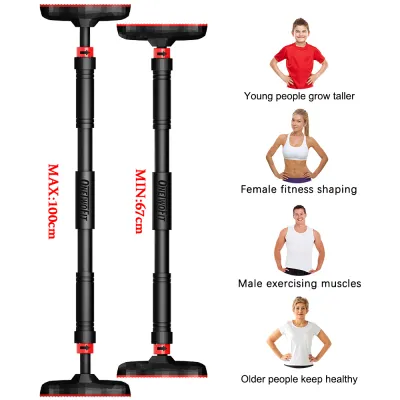
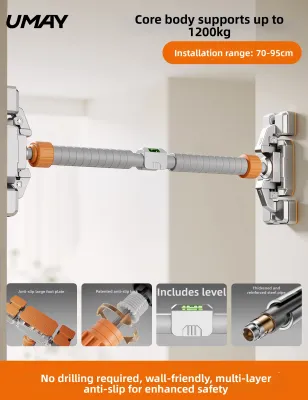
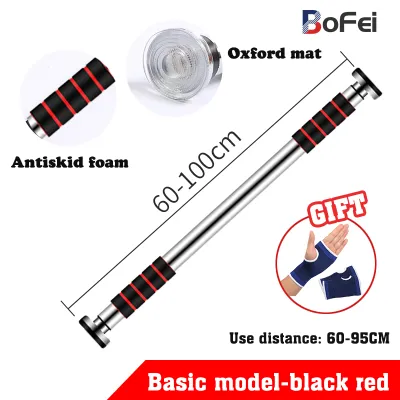
Prices are valid at publication and may change. Please refer to the product page for the latest price.
Next, inspect the door trim and molding surrounding the frame. Decorative molding with deep ridges, curved profiles, or protruding edges prevents tension bars from making flat, flush contact with the mounting surface. If the friction pads of a tension bar rest on uneven trim, the pressure is distributed unequally, significantly increasing the risk of the bar slipping during use. You must measure the flat surface area of your inner door frame to ensure there is sufficient clearance for the mounting brackets or rubber pads to sit completely flat.
Finally, analyze the integrity of the surrounding wall. In tropical climates like the Philippines, interior walls are frequently constructed from concrete hollow blocks finished with plaster, or lightweight drywall over thin metal studs. If you plan to install a fixed-mount bar that anchors into the wall above or beside the door, you must verify what lies beneath the plaster. Screwing directly into hollow blocks without specialized masonry anchors, or into drywall without aligning with solid wooden studs, will cause the fasteners to pull out under your body weight.
Tension-Mounted Pull-Up Bars: Ideal for Renters and Temporary Setups
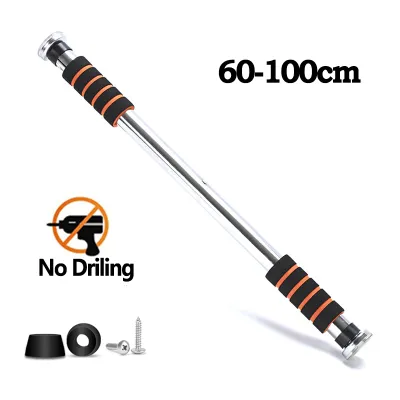
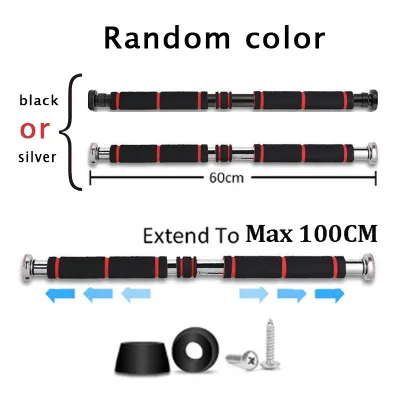
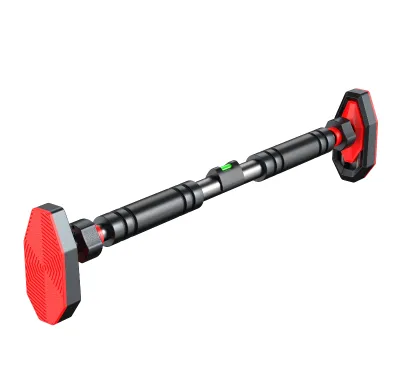
Tension-mounted pull-up bars operate on a telescopic expansion mechanism. As you rotate the center bar, the inner shafts extend outward, pressing heavy-duty rubber or silicone friction pads tightly against the opposing sides of the door frame. This outward pressure, combined with the friction of the pads, creates a secure hold without the need for screws or permanent brackets. Because they require no drilling, these bars are highly favored by renters who must return their living spaces undamaged to secure their security deposits.

For a tension bar to function safely, the door frame must be perfectly parallel, flat, and structurally solid. Solid wood jambs and concrete-lined doorways are ideal because they do not flex when the bar is tightened. In humid tropical environments, moisture in the air can cause wood to expand or contract, and condensation can form on painted surfaces. This environmental factor makes it critical to wipe the frame and the friction pads dry before installation to prevent moisture-induced slipping.
While convenient, tension-mounted bars have strict limitations and safety requirements. They are designed primarily for strict, vertical movements like slow pull-ups and chin-ups. They cannot safely support dynamic, high-impact exercises such as kipping pull-ups, muscle-ups, or rapid leg raises, which introduce lateral forces that can dislodge the bar. You must perform a manual tightness check before every single workout session by firmly grasping the bar and applying downward pressure to verify that the tension has not backed off over time.
Fixed-Mounted Pull-Up Bars: Ideal for Heavy-Duty and Permanent Use
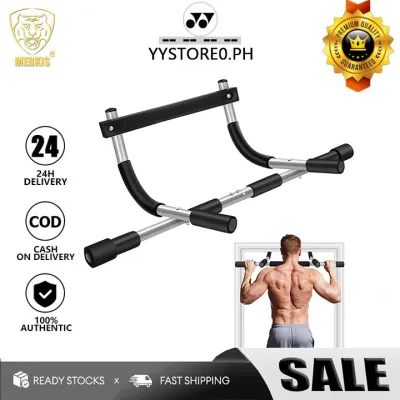
Fixed-mounted pull-up bars utilize steel brackets that are screwed directly into the door frame, wall, or ceiling. This mechanical connection does not rely on friction or outward pressure; instead, the load is transferred directly to the structural framing of the building. This design provides a rigid, unyielding platform that can support heavier weight capacities and more intense, dynamic workout routines without the risk of sudden slippage.
This mounting style is ideal for homeowners or those with dedicated home gym spaces who have access to solid wood frames, exposed ceiling joists, or solid concrete walls. Installing a fixed bar into a concrete wall requires a hammer drill, masonry drill bits, and high-quality wall plugs to ensure the screws remain locked in place. When mounted into wood, the screws must penetrate deep into the structural studs behind the drywall, rather than just the decorative outer trim, to prevent the wood from splitting.
The primary drawback of fixed-mounted bars is their lack of portability and the permanent modification they require. Installation requires basic tools, including a drill, level, and screwdriver, and demands precise measurement to ensure the bar is perfectly horizontal. Once removed, these bars leave noticeable screw holes that require patching with wood filler or concrete putty and matching paint. They are generally unsuitable for rental properties with strict alteration policies or for frames made of weak, hollow materials that cannot hold screws under load.
Tension vs. Fixed Pull-Up Bars: Feature Comparison
To help you weigh the trade-offs between these two mounting styles, the table below summarizes their key structural and operational differences:
| Feature | Tension-Mounted Bars | Fixed-Mounted Bars |
|---|---|---|
| Installation Method | Telescopic expansion and friction | Screws and heavy-duty brackets |
| Frame Compatibility | Solid wood, concrete, flat metal | Solid wood studs, concrete, masonry |
| Portability | High; easily removed and packed | Low; semi-permanent installation |
| Property Damage | None (when used on solid, clean frames) | Permanent screw holes left in frame/wall |
| Movement Suitability | Strict pull-ups, chin-ups, hanging | Dynamic movements, weighted pull-ups |
| Tool Requirements | None (hand-tightened) | Drill, level, screwdriver, wall anchors |
Note that exact weight capacities, dimensions, and safety certifications vary significantly between individual products. You must always verify the specific limits printed on the manufacturer’s packaging or instruction manual before attempting to install or use the equipment.
How to Choose the Right Pull-Up Bar for Your Space
Your final decision should align with your housing situation, the physical properties of your door frame, and your fitness goals. If you live in a rental apartment, condo, or temporary housing where drilling is strictly prohibited, a tension-mounted bar is your primary option. This choice is highly practical if your door frames are made of solid wood or concrete, and your routine consists of controlled, low-impact strength training. It allows you to maintain a fitness routine without risking your lease agreement.
Conversely, if you own your home, have access to solid masonry walls or heavy timber frames, and intend to perform advanced training, a fixed-mounted bar is the superior choice. The mechanical anchoring provides the stability needed for weighted pull-ups, hanging core work, and high-repetition sets where movement is inevitable. This setup offers peace of mind, allowing you to focus entirely on your form and exertion rather than worrying about the bar collapsing.
If your pre-purchase inspection reveals that your door frames are hollow, made of thin PVC, or covered in deep, decorative molding, you should avoid both frame-mounted options. Attempting to force a fit on an unsuitable frame compromises your safety and can cause expensive structural damage. In these scenarios, you should opt for a freestanding pull-up tower or power tower. These units sit directly on the floor, bypassing the door frame entirely and providing a safe, stable workout platform regardless of your wall or door construction.
Frequently Asked Questions (FAQ)
Can I use a tension pull-up bar on a hollow door frame?
No, you should never install a tension-mounted pull-up bar on a hollow door frame. Tension bars rely on intense outward pressure to generate the friction needed to hold your body weight. Hollow-core wood, thin PVC, and light aluminum frames do not have internal structural support; under this outward pressure, they will bow, crack, or collapse entirely. You can identify a hollow frame by tapping on the wood or metal; a hollow, echoing sound indicates a lack of solid backing. If your frames are hollow, a freestanding pull-up tower is a much safer alternative that avoids structural damage.
Will a fixed pull-up bar damage my door frame?
Yes, a fixed pull-up bar will cause permanent cosmetic damage because it requires drilling screws directly into the frame or wall. When you eventually remove the brackets, you will be left with deep screw holes. If the bar was installed in a wooden frame, you can repair this damage by filling the holes with wood putty, sanding the surface flat once dry, and applying a matching coat of paint. If you are renting, you must check your lease agreement or consult your landlord before drilling, as unauthorized alterations can result in deductions from your security deposit.
What if my door frame has deep molding or trim?
Deep, decorative molding or trim prevents both tension and fixed pull-up bars from mounting securely. For tension bars, the uneven surface prevents the friction pads from sitting flush, which can cause the bar to slip during use. For fixed bars, the trim is often too weak to support brackets, and screwing through it can split the wood. If your frame has deep trim, you can either install spacer blocks to create a flat mounting surface for a fixed bar, or bypass the door frame entirely by choosing a wall-mounted unit anchored into concrete, or a freestanding power tower.
Community discussion
Share your experience or ask a question. Comments are reviewed before publication.