
To determine whether you need a TFCC-specific wrist support or a regular wrist brace, you must look at the exact location of your pain and the movements that trigger it. If your discomfort is concentrated on the pinky side of your wrist and worsens when twisting a doorknob, lifting a heavy pan, or rotating your forearm, a specialized TFCC support is generally required to stabilize the joint. Conversely, if you are dealing with a general wrist strain, overall swelling, or thumb-side discomfort, a standard wrist brace that keeps the joint in a neutral, straight position will usually suffice.
Choosing the wrong type of support can lead to continued discomfort and slow down your recovery. A standard brace might immobilize your entire hand unnecessarily while failing to stabilize the specific ligament structure that is injured. Understanding the structural differences between these two options ensures you select a support that matches your physical needs and daily activity levels.
Recognizing the Signs: TFCC Injury vs. General Wrist Pain
The Triangular Fibrocartilage Complex (TFCC) is a crucial load-bearing structure located on the outer side of your wrist, acting as a stabilizer for the wrist joint. When this complex is strained or torn, the symptoms are highly localized rather than spread across the entire hand. You will typically feel a sharp or dull ache specifically on the ulnar side, which is the pinky-finger side of the wrist joint, right where the hand meets the forearm.
Products mentioned in this guide
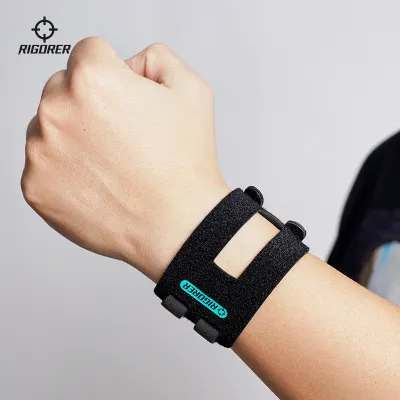
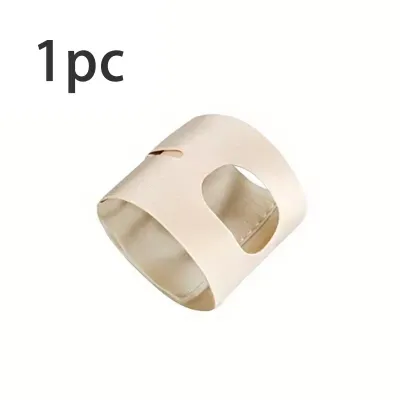
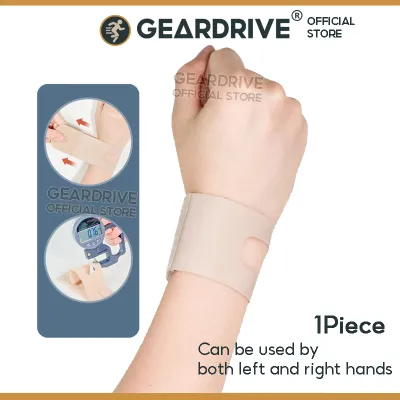
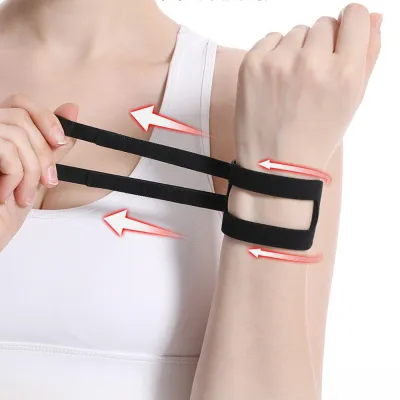
Prices are valid at publication and may change. Please refer to the product page for the latest price.
Pay close attention to the specific physical movements that trigger your discomfort during daily activities. In tropical climates like the Philippines, simple tasks like twisting open a tight jar of preserves, turning a heavy metal doorknob, or lifting a large water pitcher can cause sudden, sharp pain. These rotational movements place direct stress on the TFCC, making them key indicators of a localized ligament issue rather than a simple muscle strain.
You might also notice distinct physical sensations when moving your hand through its normal range of motion. A clicking, popping, or catching sound accompanied by a feeling of deep weakness when you try to grip objects or push yourself up from a chair suggests the ulnar joint is struggling to stabilize. This localized weakness is quite different from the broad stiffness associated with general muscle fatigue or carpal tunnel issues.
While tracking these patterns is highly useful for selecting the right style of support, self-checks cannot replace a professional clinical evaluation. If you experience persistent pain, a physical assessment or medical imaging by a healthcare professional is necessary to confirm the exact nature of the injury. Using a support should always be part of a broader recovery plan guided by professional advice.
Design Differences: Why TFCC Braces Are Built for Rotation
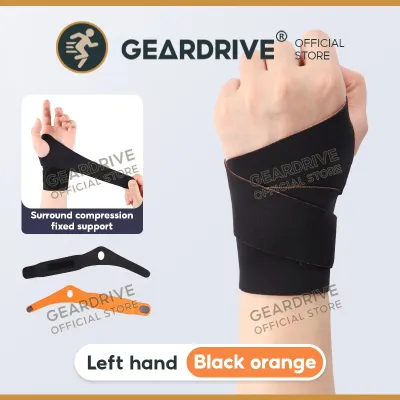
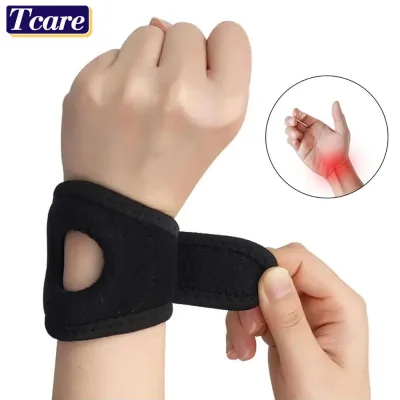
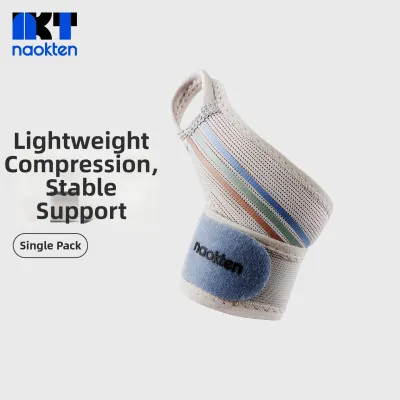
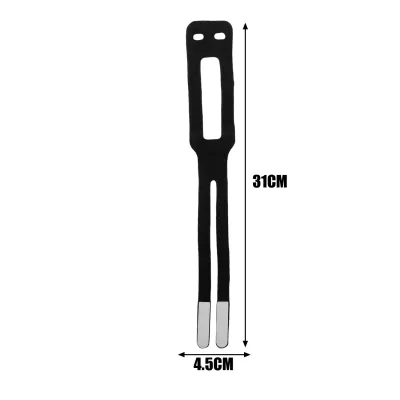
A specialized TFCC wrist support is engineered with a very specific mechanical goal: stabilizing the distal radioulnar joint without completely immobilizing your entire hand. These supports typically feature a narrow, targeted band or a dual-strap system that wraps directly around the wrist bones just below the joint line. This design applies focused compression to the ulnar head, squeezing the radius and ulna together to restore stability to the wrist.

The primary functional difference lies in how these supports manage forearm rotation, known as pronation and supination. Because rotating your palm up and down twists the TFCC, a dedicated support limits this specific twisting motion while leaving your fingers and palm free to grip. This targeted restriction allows you to perform daily tasks, write, or type without putting shear stress on the healing tissue.
In contrast, standard wrist braces are designed to keep the entire wrist joint in a completely neutral, straight position. They often utilize rigid metal or plastic splints running along the palm or the back of the hand to prevent bending up or down. While excellent for preventing flexion and extension, these bulky splints do very little to compress the ulnar side or control the rotational forces that aggravate a TFCC issue.
Furthermore, the minimalist design of a TFCC support is highly advantageous in warm, humid environments. Because they cover only a small strip of skin around the wrist joint, they allow for maximum ventilation and heat dissipation. Standard braces, with their thick fabric sleeves and extensive coverage, tend to trap sweat and heat, which can lead to skin irritation during extended wear.
When a Standard Wrist Brace Is Enough
A standard wrist brace is highly effective when your symptoms point toward a more generalized wrist issue rather than a localized ligament tear. If you are recovering from a mild sprain, general muscle fatigue from repetitive typing, or minor swelling after sports practice, a regular brace provides the broad support your wrist needs to rest.
These traditional braces typically feature overall compression sleeves combined with rigid palmar stays that keep your wrist from bending. Some designs also include thumb spica extensions to immobilize the thumb joint, which is ideal for conditions like De Quervain’s tenosynovitis or general thumb-side strain. The primary goal here is limiting forward, backward, and side-to-side bending to allow inflamed tendons to rest.
However, these standard designs have clear limitations when dealing with rotational stress. Because a regular brace leaves the forearm bones relatively free to twist inside the sleeve, it cannot prevent the painful rotation that strains the TFCC. If your pain is strictly isolated to the pinky side, wearing a bulky, rigid splint may feel uncomfortable and fail to target the source of your discomfort.
Additionally, standard braces are often preferred for overnight wear when treating general wrist pain or carpal tunnel symptoms. The rigid splints prevent you from accidentally bending your wrist into awkward positions while sleeping, which helps reduce morning stiffness. For TFCC issues, however, overnight immobilization with a heavy splint is rarely as effective as targeted daytime compression during active movement.
Symptom-to-Support Matching Guide
To help you choose the right category of wrist support, evaluate your current physical observations against these three distinct paths.
- Path A: Rotational and Pinky-Side Pain
If your pain is strictly isolated to the pinky side of your wrist and is triggered by twisting, gripping, or bearing weight on an extended hand, evaluate TFCC-specific options. These lightweight, targeted bands apply direct ulnar compression to stabilize the joint during rotation. - Path B: General Ache and Flexion Pain
If you experience a broad, dull ache across the entire wrist, stiffness in the morning, or pain when bending your hand up and down, evaluate standard compression sleeves or rigid splints. These options keep the wrist in a neutral position to allow general soft-tissue recovery. - Path C: Acute Trauma and Severe Symptoms
If you have experienced a sudden, high-impact injury, or if you observe severe swelling, visible deformity, coldness in the fingers, or persistent numbness, stop immediately. Do not attempt to self-treat with any brace; instead, consult a healthcare provider for an immediate professional assessment.
By categorizing your symptoms early, you can avoid purchasing a product that does not address your specific biomechanical needs. Remember that a support is a tool to assist recovery, and matching the tool to the specific joint mechanism is key to achieving comfort.
Practical Checks Before You Buy
Before purchasing any wrist support, you must verify several physical features to ensure the product is safe, comfortable, and effective for your daily routine.
First, always consult the manufacturer’s specific sizing chart and measure your wrist circumference accurately using a flexible tape measure. A support that is too loose will fail to provide the necessary compression, while one that is too tight can restrict blood circulation and cause swelling in your fingers. Do not rely on generic small, medium, or large labels, as sizing standards vary significantly between brands.
Second, check the adjustability of the straps and the tension control mechanisms. In hot and humid climates like the Philippines, your limbs can swell slightly during the day due to heat and activity. Having adjustable hook-and-loop straps allows you to fine-tune the compression level throughout the day to maintain comfort without cutting off blood flow.
Finally, review the product labels for material specifications and care instructions. Look for breathable, moisture-wicking fabrics like neoprene-free mesh or perforated materials to prevent sweat buildup and skin irritation. Ensure the care instructions allow for easy hand-washing, as daily wear in tropical conditions requires regular cleaning to maintain hygiene.
Frequently Asked Questions (FAQ)
Can I wear a TFCC wrist support all day?
You should always follow the specific guidelines provided by the manufacturer or your healthcare professional regarding daily wear limits. It is important to take scheduled breaks throughout the day to remove the support, check your skin for redness or irritation, and allow your muscles to move naturally. Avoid tightening the straps excessively, as restricted blood flow can delay healing and cause discomfort.
Will a regular wrist brace make a TFCC injury worse?
A regular wrist brace is unlikely to cause direct physical harm, but it may offer insufficient protection because it lacks the targeted rotational control needed for the TFCC. By failing to stabilize the ulnar head during twisting movements, a standard brace may allow continued micro-trauma to the area. This lack of proper support can ultimately delay your recovery process and prolong your discomfort.
Community discussion
Share your experience or ask a question. Comments are reviewed before publication.