
Starting your journey in baseball does not require a massive financial investment. While professional players take the field with customized leather gloves, high-tech composite bats, and specialized footwear, beginners only need a few fundamental items to learn the game safely and effectively. Focusing on the absolute essentials allows you to develop your skills without cluttering your gear bag or draining your budget.
To step onto the field for your first practice, you only need to secure four core items: a glove, a bat, a few practice baseballs, and a certified batting helmet. These tools cover the three pillars of baseball: fielding, hitting, and personal safety. By prioritizing these essentials and avoiding specialized, position-specific gear early on, you can keep your initial costs low while ensuring you have everything required to participate in team drills or casual pickup games.
The Absolute Essentials: Your Starter Gear Checklist
Every baseball play revolves around three core actions: fielding a hit ball, hitting a pitched ball, and staying safe while doing both. To participate in these actions, you must have the appropriate foundational gear. A baseball glove is your primary tool for fielding and catching, extending your reach and protecting your hand from high-velocity impacts. A baseball bat is required to learn proper swing mechanics and make contact during batting practice. Standard baseballs are necessary for throwing and catching drills, while a batting helmet provides critical head protection when you are inside the batter’s box or running the bases.
Products mentioned in this guide
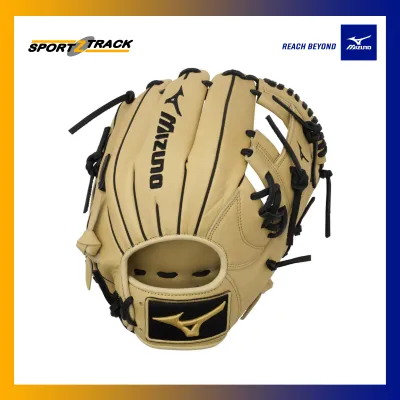
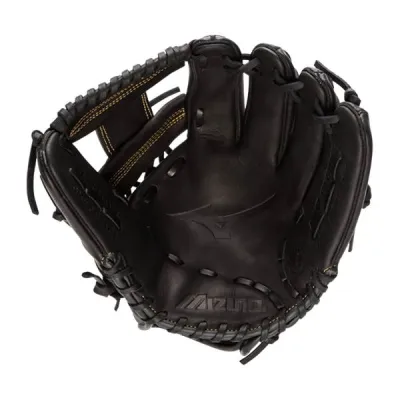
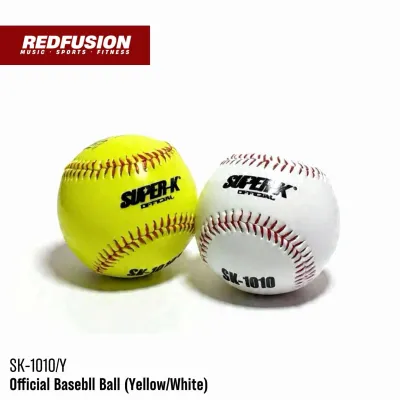
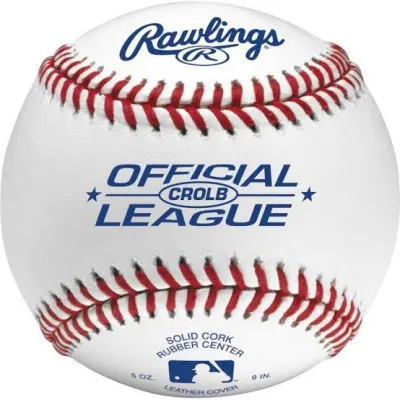
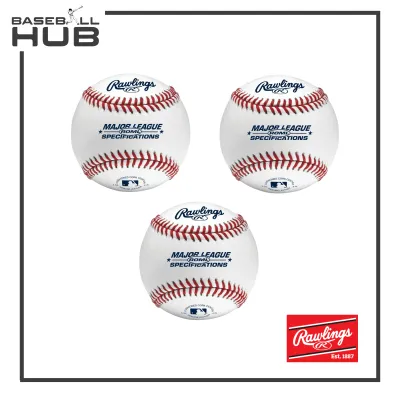
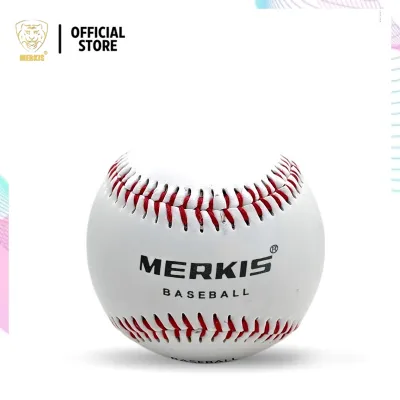
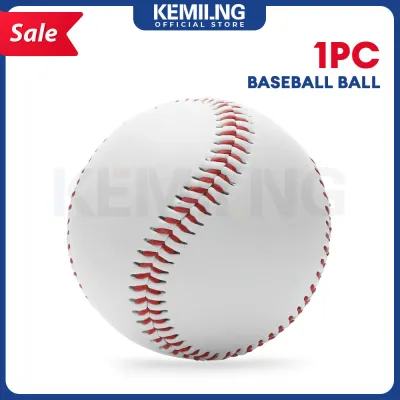
Prices are valid at publication and may change. Please refer to the product page for the latest price.
Without these four items, you cannot safely or effectively learn the sport. Trying to catch a hard-thrown baseball with bare hands or an improper glove can lead to severe hand injuries. Similarly, batting without a helmet exposes you to the risk of wild pitches that can cause serious head trauma. These four pieces of equipment form the non-negotiable safety and functional foundation for any new player.
At this stage, you should completely avoid purchasing position-specific equipment. Specialized gear, such as catcher’s mitts, chest protectors, leg guards, or first baseman’s gloves, is designed for players who have already committed to a single role on the field. When you are just starting, coaches and leagues typically provide shared catcher’s gear, or they will assign you to general positions where a standard fielding glove is perfectly sufficient. Save your money until you have played enough games to know which position fits your skills and interests.
Sizing and Fit: How to Choose Gear That Actually Works
Buying the most expensive brand name will not improve your game if the equipment does not fit your body. Ill-fitting gear is one of the most common reasons beginners struggle to develop proper throwing or hitting mechanics. A glove that is too large will slip off your hand during a play, while a bat that is too heavy will slow down your swing and cause you to develop poor posture. Prioritizing correct measurements and physical fit checks is the smartest way to ensure your gear works with you rather than against you.

Finding the Right Glove Size and Pocket
Choosing a glove requires matching the length of the glove to your physical size and age. For youth players and adult beginners looking for a versatile option, a glove measuring between 11 and 12 inches is highly recommended. To measure a glove, stretch a tape measure from the tip of the index finger, down along the pocket, to the heel of the glove. This size range is highly adaptable, allowing you to play both infield and outfield positions comfortably as you learn where you fit best on the field.
When looking at different glove styles, opt for a closed web or a modified trap-eze web design. A closed web provides excellent structural support for catching and helps beginners secure the ball easily in the pocket. It also hides the ball from the batter’s view if you ever try your hand at pitching.
To perform a quick fit test, slide your hand into the glove. It should feel snug around your palm and wrist but allow your fingers to reach the ends of the finger stalls without forcing them. You should be able to squeeze the glove closed with moderate effort; if the glove is too stiff or too large for your hand strength, you will struggle to secure catches.
Selecting the Correct Bat Length and Drop Weight
Selecting a bat requires understanding “drop weight,” which is a term that describes the relationship between the bat’s length and its weight. The drop weight is calculated by subtracting the weight of the bat in ounces from its length in inches. For example, a bat that is 30 inches long and weighs 20 ounces has a drop weight of -10. Beginners should look for a higher drop weight (such as -10 to -12), which indicates a lighter bat. A lighter bat helps you build swing speed and maintain control over your barrel as you learn the mechanics of a proper swing.
To find the correct bat length without a scale, stand the bat upright on the ground next to your leg. The knob of the bat should reach up to your hip joint. Alternatively, place the knob of the bat at the center of your chest and extend your dominant arm straight out parallel to the bat. If you can comfortably grip the barrel of the bat with your fingertips, the length is appropriate for your reach.
For your first bat, choose an alloy or aluminum model over wood. Alloy bats are highly durable, do not splinter on mis-hits, and feature a much larger sweet spot than traditional wood bats. They are also significantly more affordable, making them the ideal choice for budget-conscious players practicing their swing.
Ensuring a Safe, Certified Helmet Fit
Your batting helmet is your most critical piece of safety equipment, and its protective capabilities depend entirely on a proper fit. You must always purchase a batting helmet brand new. Second-hand helmets may look fine on the outside, but their internal protective foam can be compressed or cracked from previous unseen impacts, drastically reducing their ability to absorb shock.
When shopping, look for recognized safety certification labels printed or embossed directly onto the back of the helmet shell. These certifications ensure the helmet has been tested to withstand high-velocity impacts from baseballs.
To check the fit, place the helmet on your head. It should sit level and flat, covering your forehead about one inch above your eyebrows. It should not tilt backward to expose your forehead, nor should it slide forward over your eyes. Shake your head vigorously from side to side and up and down; if the helmet shifts, slips, or wobbles, it is too large. The internal padding should press firmly but comfortably against your temples and the sides of your head without causing pain.
What You Can Skip or Delay to Protect Your Budget
It is easy to get carried away by the sheer variety of baseball accessories available in sports stores. However, many of these items are completely unnecessary for beginners. Knowing what to skip on day one will save you thousands of pesos while keeping your gear bag light and manageable.
- Cleats: While experienced players wear specialized baseball cleats, standard athletic sneakers with good traction are perfectly fine for beginners. If you are learning the basics on grass, dirt, or public park fields, a reliable pair of running or training shoes will provide sufficient grip. You can delay buying molded or metal cleats until you join a competitive league that plays on dedicated dirt diamonds.
- Batting Gloves: Batting gloves help prevent blisters and improve grip during long batting sessions, but they are entirely optional. Many players prefer the natural feel of the bat grip on their bare hands. If you find yourself developing mild blisters during long practice sessions, you can use standard, low-cost athletic tape or basic sports gloves before investing in premium batting gloves.
- Sliding Shorts and Protective Cups: These items are designed to protect your thighs and groin during high-impact slides and hard-hit ground balls. While they are mandatory for competitive league games, they are not necessary for your first few weeks of basic throwing, catching, and light batting practice. You can safely delay this purchase until you begin sliding drills or playing in live scrimmages.
- Expensive Wood Bats: Professional wood bats made of maple or ash look appealing, but they are highly unforgiving for beginners. A ball hit near the handle or the end of a wood bat can easily snap the wood, forcing you to buy a replacement immediately. Stick to a durable, budget-friendly alloy bat that can withstand thousands of hits without breaking.
- Premium Leather Gloves: High-end professional gloves made of stiff steerhide or pro-stock leather can cost upwards of ₱10,000 and require months of daily oiling and squeezing to break in. For a beginner, a stiff glove is incredibly frustrating because you will not have the hand strength to close it around a ball. Choose a mid-range glove made of synthetic materials or pre-oiled, game-ready leather. These options are soft, flexible, and ready to use immediately.
Smart Shopping and Gear Care in the Philippines
Finding affordable baseball gear in the Philippines requires a mix of physical and digital shopping. To get the best value, visit local physical sports stores in major commercial centers to try on gloves and helmets. This allows you to verify the fit and feel of the materials firsthand. Once you know your exact sizes, you can compare prices on reputable online sports retailers and local e-commerce platforms, which often offer better discounts, promotions, and a wider selection of bat lengths.
If you are shopping on a tight budget, buying second-hand gloves and bats is an excellent way to save money. Many players sell lightly used gear online when they upgrade or change hobbies. However, you must apply a strict safety rule: never buy a second-hand batting helmet. Because you cannot verify if a used helmet has suffered a hard impact that compromised its internal protective structure, always buy your helmet brand new from an authorized retailer.
Maintaining your gear is especially important in the humid, tropical climate of the Philippines. High humidity and sweat create the perfect environment for mold and mildew to grow on leather gloves. To protect your investment, follow these simple care steps:
- Dry it immediately: Never leave a damp, sweaty glove inside a closed gym bag or the trunk of your car after a hot practice session.
- Ventilate: Store your glove in a cool, well-ventilated indoor area away from direct sunlight, which can dry out and crack the leather.
- Use conditioner sparingly: If the glove gets wet from rain or muddy field conditions, wipe it down with a dry cloth and apply a very thin layer of leather conditioner once it is dry. Avoid over-applying oils, as excess product traps moisture in high-humidity environments, making the leather heavy and highly susceptible to mold.
Pre-Practice Checklist: Verifying Your Gear is Ready
Before you head out to your first practice session, take a few minutes to inspect your equipment. Ensuring your gear is functional and safe before you step onto the field prevents injuries and keeps your practice running smoothly.
- Helmet Check: Inspect the outer shell for any visible cracks or deep gouges. Verify that the chin strap snaps securely and that the internal foam padding is firmly glued to the shell. Ensure the ear guards are aligned correctly to protect the sides of your head.
- Bat Inspection: Run your hand along the barrel of your alloy bat to check for any dents, flat spots, or cracks. Ensure the grip tape wrapped around the handle is intact, non-slippery, and not peeling away at the edges.
- Glove Prep: Squeeze and flex the glove several times to loosen up the hinge. If the glove feels stiff, spend a few minutes playing catch or squeezing a ball into the pocket to make it more pliable. Warning: Never use dangerous "quick break-in" shortcuts like baking your glove in an oven, microwaving it, or running it over with a vehicle. These methods permanently destroy the leather fibers, melt synthetic stitching, and pose a severe fire hazard.
- Ball Check: Examine your practice baseballs to ensure the red stitching is completely intact. Throw away any balls that are waterlogged, misshapen, or soft, as they will not fly straight and can damage your bat.
Frequently Asked Questions (FAQ)
Can I use a softball glove or bat for baseball?
You should not use softball equipment for baseball. Softball bats feature wider barrels and different weight distributions designed specifically for a larger, softer ball; using one in baseball is often illegal in organized leagues and highly inefficient. Similarly, softball gloves have much deeper and wider pockets designed to catch a 12-inch ball. If you use a softball glove for baseball, the smaller baseball will rattle around in the oversized pocket, making it difficult to secure catches and slow down your transfer to your throwing hand.
Do beginners really need batting gloves?
No, absolute beginners do not need batting gloves for casual practice or introductory drills. While they are excellent for preventing blisters and improving your grip on sweaty days, they are a luxury accessory rather than a necessity. You can easily start playing with bare hands. If you find that your hands slip due to sweat during hot, humid afternoons, or if you begin to develop hot spots on your palms, you can purchase a basic pair of batting gloves as a low-cost upgrade later on.
How do I maintain my leather glove in a humid climate?
To protect your leather glove from the intense humidity of the Philippines, always wipe off dirt, sweat, and moisture with a clean, dry microfiber cloth immediately after every use. Store the glove in a cool, dry room with a standard baseball tucked inside the pocket; wrap a clean band or glove strap around it to help maintain its curved shape. Never store your glove in a damp, unventilated space like a closed plastic bag. Avoid over-oiling your glove, as excessive conditioner acts like a magnet for moisture and mold spores in tropical weather, which will quickly ruin the leather.
Community discussion
Share your experience or ask a question. Comments are reviewed before publication.