
Starting golf often feels like entering an exclusive club with a massive financial barrier to entry. Walk into any pro shop, and you will see wall-to-wall displays of titanium drivers, high-tech GPS watches, and designer apparel that can easily cost tens of thousands of pesos. However, the truth is that you do not need a massive budget or a trunk full of premium gear to learn the game.
To get started, you only need a few essential items: a minimalist set of five or six clubs, a handful of affordable golf balls, basic tees, a glove to protect your hands, and a comfortable pair of athletic shoes. By focusing solely on these core necessities, you can step onto the driving range or a beginner-friendly course with confidence, keeping your initial investment low while you decide if the sport is right for you.
The Absolute Must-Haves: Core Gear to Get You on the Course
Before spending a fortune on a full set of equipment, it is vital to understand what is truly mandatory to play a round of golf. Carrying too many items early on only complicates your learning process.
Products mentioned in this guide
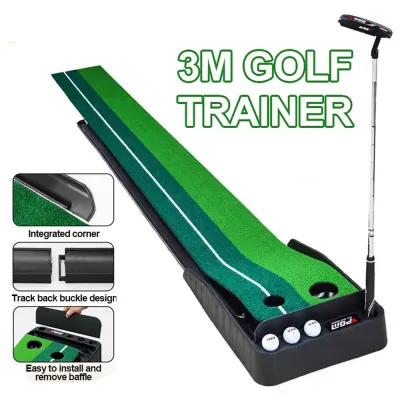


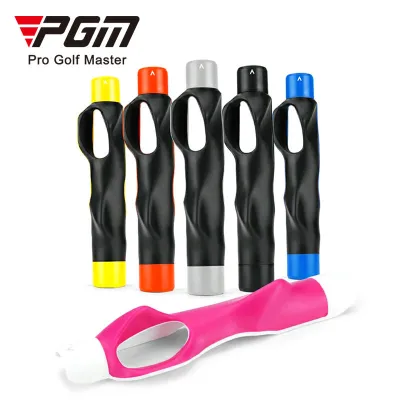
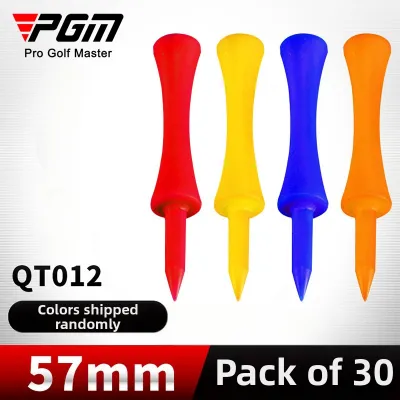
Prices are valid at publication and may change. Please refer to the product page for the latest price.
A Minimalist Capsule Club Setup
A standard set of golf clubs can contain up to 14 clubs, but handing a complete set to a beginner is like giving a novice driver a high-performance racing car. It creates decision paralysis and makes it harder to build a consistent swing. Instead, adopt a “capsule” setup. You only need five or six clubs to cover almost every situation you will face on the course:
- A Fairway Wood or Hybrid: Easier to hit than a traditional driver, this club helps you get decent distance off the tee box.
- A 7-Iron and a 9-Iron: These mid-to-short irons are highly versatile and are the perfect tools for learning basic swing mechanics on the driving range.
- A Sand Wedge: This club is essential for chipping around the greens and getting out of sand bunkers.
- A Putter: The most used club in the bag, required for rolling the ball into the cup once you reach the green.
This capsule approach allows you to master a few consistent swing motions without worrying about minor distance gaps between 14 different clubs.
Budget-Friendly Golf Balls
Beginners lose golf balls at an astonishing rate, especially on local courses flanked by dense tropical rough or water hazards. Spending money on premium, multi-layer urethane tour balls is a common mistake. These high-end balls are designed for high swing speeds and advanced spin control, which can actually exaggerate a beginner’s slice or hook.
Instead, opt for budget-friendly two-piece distance balls or recycled “lake balls.” You can find bags of cleaned, recycled balls at local pro shops or online marketplaces for a fraction of the cost of new ones. Losing a ₱50 recycled ball hurts far less than watching a ₱250 premium ball splash into a water hazard.
Basic Tees
Do not waste money on high-tech, brush-top, or unbreakable plastic tees that promise extra yards. A simple pack of traditional wooden or basic plastic tees is all you need. They are inexpensive, widely available, and serve their singular purpose perfectly: holding the ball off the turf for your tee shots.
Flat-Soled Footwear
You do not need to buy specialized spiked golf shoes immediately. A flat-soled pair of athletic shoes, such as tennis or skate shoes, provides plenty of stability for a beginner’s swing. Ensure the shoes have decent traction so your feet do not slip during your turn. Before heading out, always verify the specific golf course’s dress code, as some private clubs have strict rules regarding footwear, though most public courses and driving ranges are highly accommodating of clean athletic sneakers.
Highly Recommended Additions for Comfort and Basic Performance
Once you have the absolute essentials, a few secondary items will significantly improve your comfort, protection, and overall experience on the course, especially when dealing with hot and humid conditions.

A Breathable Golf Glove
While technically optional, a golf glove is highly recommended for anyone hitting more than a few balls. The friction of the club grip against bare skin can quickly cause painful blisters, especially when you are practicing frequently.
In tropical and humid climates like the Philippines, hand sweat can make the club slip during your swing, leading to a tight, tense grip that ruins your mechanics. Look for a glove made of breathable synthetic materials or a hybrid of cabretta leather and mesh. These materials wick moisture away and dry quickly, helping you maintain a secure, relaxed grip even in intense afternoon heat.
A Lightweight Golf Bag
You need a way to transport your capsule club setup. Avoid heavy, oversized tour staff bags designed for professional caddies. Instead, look for a lightweight stand bag or a minimalist “Sunday” carry bag. These bags usually weigh under two kilograms, feature dual shoulder straps for comfortable carrying, and have built-in retractable legs to keep your clubs off the wet grass. They are highly practical, easy to load into a car trunk, and perfect for walking the course or visiting the driving range.
Sun and Weather Protection
Playing golf means spending four to five hours under the sun. In tropical environments, protecting yourself from heat exhaustion and UV damage is a matter of safety. Equip yourself with a wide-brimmed bucket hat or a high-quality sports cap, UV-protective arm sleeves, and a pair of polarized sunglasses.
Apply a broad-spectrum, water-resistant sunscreen with an SPF of 50 or higher before you tee off, and reapply it midway through your round. Keeping a lightweight umbrella in your bag is also wise, providing instant shade from the sun or protection from sudden tropical downpours.
Essential Course Accessories
A few inexpensive accessories will make your time on the course much smoother. Keep a microfiber towel clipped to your bag to wipe mud and grass off your clubfaces after each shot; clean grooves are essential for consistent contact. Additionally, carry a basic ball marker (a simple coin works too) and a divot repair tool. Learning how to repair your ball marks on the green is a fundamental part of golf etiquette that local courses highly appreciate.
What to Skip or Delay: Avoiding Beginner Money Traps
The golf industry is excellent at marketing gadgets that promise to slash strokes off your game. As a beginner, most of these items offer zero practical value and simply drain your budget.
Rangefinders and GPS Watches
Laser rangefinders and GPS watches are popular gadgets, but they are unnecessary for beginners. When you are still learning to make consistent contact, knowing that the flag is exactly 142 yards away does not help if your 7-iron distance varies by 30 yards. Focus instead on basic swing mechanics and target areas. Use the colored yardage markers on the fairway (usually marking 100, 150, and 200 yards to the center of the green) or download a free smartphone golf app to get a general sense of distance.
Custom-Fitted Clubs
Many golf shops push custom club fitting as a necessity. However, a beginner’s swing speed, posture, and release mechanics are highly unstable and will change rapidly during your first few months of practice and lessons. Getting fitted now means you will likely outgrow those custom specifications within a year. Stick to standard, off-the-rack clubs with regular flex shafts until your swing becomes consistent and repeatable.
Excessive Swing Aids and Gadgets
The market is flooded with mechanical wrist braces, swing path guides, and alignment sticks promising instant fixes. Avoid these impulse purchases. Without a solid understanding of golf physics, using these gadgets incorrectly can actually ingrain bad habits. Your money is far better spent on a few basic lessons with a certified local professional who can observe your physical movements and provide personalized corrections.
High-End Designer Apparel
While golf courses maintain dress codes—typically requiring a collared polo shirt and tailored trousers or golf shorts while banning denim and athletic wear—you do not need to buy expensive, designer golf brands. Standard athletic polo shirts made of moisture-wicking polyester and comfortable chinos from regular retail stores work perfectly. They meet the dress code requirements while keeping you cool and saving your budget for actual play.
Smart Sourcing: Building Your Starter Kit Without Overspending
Acquiring your first set of gear does not have to be an all-or-nothing retail purchase. There are several highly cost-effective pathways to build your starter kit.
Renting and Borrowing
Before spending any money on hardware, rent or borrow. If you are heading to a driving range or a course for the very first time, ask the pro shop about rental sets. Many facilities offer affordable daily club rentals. Alternatively, ask golfer friends if they have an old set gathering dust in their garage. This allows you to experience the physical feel of hitting a golf ball and gauge your genuine interest in the sport before making a financial commitment.
Buying Used Equipment
When you are ready to buy, the pre-owned market is your best friend. Many golfers upgrade their gear frequently, leaving high-quality, name-brand clubs available at deep discounts. When inspecting used clubs at local pro shops or online marketplaces, check three key areas:
- The Clubface: Look for deep grooves and avoid clubs with excessive wear or deep dents in the center of the face.
- The Shaft: Run your hand down the shaft to ensure there are no bends, dents, or rust spots (for steel shafts) or cracks and splinters (for graphite shafts).
- The Grip: Ensure the rubber grips are still tacky and not cracked, slick, or crumbling. Replacing worn grips can cost several hundred pesos per club, so factor that into your budget.
Beginner Box Sets
All-in-one beginner package sets are highly popular and convenient. These sets typically include a driver, a fairway wood, a hybrid, several irons, a wedge, a putter, and a stand bag, often priced between ₱15,000 and ₱30,000.
- Pros: Incredible convenience, excellent cost-efficiency compared to buying individual pieces, and a matching bag designed specifically for the set.
- Cons: The clubs are built with entry-level materials, meaning they have lower long-term durability, and the generic sizing may not suit exceptionally tall or short players. Additionally, there is a limited upgrade path, as you will eventually want to replace the entire set as your skills improve.
Gradual Upgrading Strategy
If you start with a borrowed or minimalist used set, build your kit gradually. Start by upgrading your most frequently used clubs. First, invest in a high-quality putter that matches your stroke style, as you use it on every single hole. Next, find a forgiving, modern driver or fairway wood that gives you confidence off the tee. Finally, replace your irons and wedges as your swing speed and distance control stabilize. This piecemeal approach spreads the cost over several years and ensures every new purchase matches your developing playing style.
Frequently Asked Questions (FAQ)
Can I play golf in regular sneakers?
Yes, flat-soled athletic sneakers are perfectly acceptable for beginners. They provide adequate stability and comfort for walking and swinging. However, avoid running shoes with highly aggressive, deep treads or spikes, as these can tear up the delicate turf on the putting greens. Always check the dress code of the specific golf course or driving range before you arrive, as some high-end private clubs may have stricter footwear policies.
How many golf balls should I bring for my first round?
For your very first 18-hole round, it is highly recommended to bring at least 15 to 20 budget-friendly or recycled golf balls. Beginners often lose balls in water hazards, thick rough, or woods. Having an abundant supply in your bag reduces the mental stress of running out of balls and prevents you from holding up other players behind you while searching extensively in the bushes.
Do I need to buy a full set of 14 clubs right away?
No, you absolutely do not need all 14 clubs to start. Carrying a minimalist set of 5 to 7 clubs is actually highly beneficial for beginners. It reduces physical fatigue if you are carrying your bag, and more importantly, it eliminates decision paralysis on the course. Learning the game with fewer clubs helps you focus on mastering basic swing mechanics and understanding how different club types launch the ball.
Community discussion
Share your experience or ask a question. Comments are reviewed before publication.