
The minimum strength training exercise equipment you actually need to start working out at home depends on your physical baseline, available space, and immediate fitness goals. You do not need a room packed with heavy commercial machines to build muscle, burn fat, or improve your functional strength. For many beginners, starting a home workout routine requires little more than their own body weight and a set of high-quality resistance bands, eventually expanding to adjustable dumbbells or a single kettlebell as their strength progresses. By focusing on essential, versatile tools, you can avoid the common trap of overbuying expensive gear that simply ends up gathering dust.
Diagnose Your Needs: Goals, Space, and Baseline Fitness
Before browsing online marketplaces or visiting a local fitness specialty store, you must conduct a thorough self-assessment of your training goals, physical capabilities, and home environment. Your primary fitness objective dictates the type of resistance you require. If your goal is general health, joint mobility, or cardiovascular conditioning, your equipment needs will look vastly different from someone aiming for maximum muscle hypertrophy or competitive athletic performance. Matching your gear to your current physical phase—rather than a hypothetical future self—prevents expensive impulse purchases and ensures you actually use what you buy.
Equally critical are the physical constraints of your living space. In many urban homes, such as condominiums or apartments in Metro Manila, floor space is at a premium. You must measure your dedicated workout area, taking into account not just the footprint of the equipment, but also the clearance required for dynamic movements. For example, a standard overhead press requires adequate ceiling height, while lateral lunges demand sufficient lateral clearance. Furthermore, if you live on an upper floor with shared walls, you must consider the noise and vibration generated by setting down heavy weights, which may necessitate additional sound-dampening floor mats.
Products mentioned in this guide
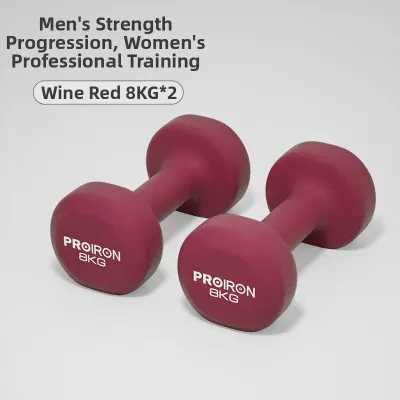
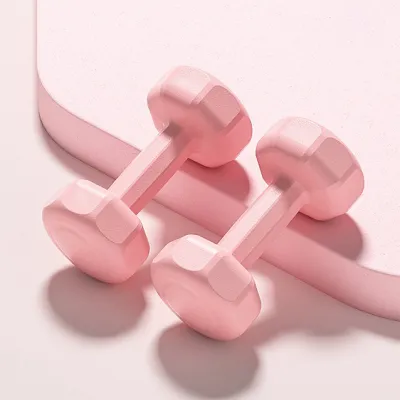

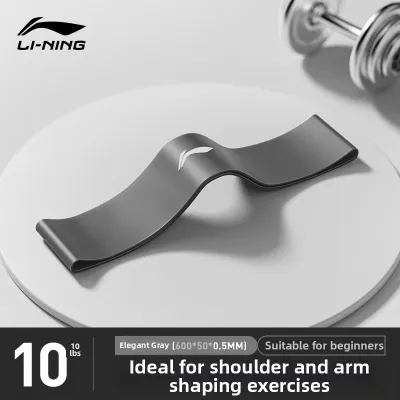
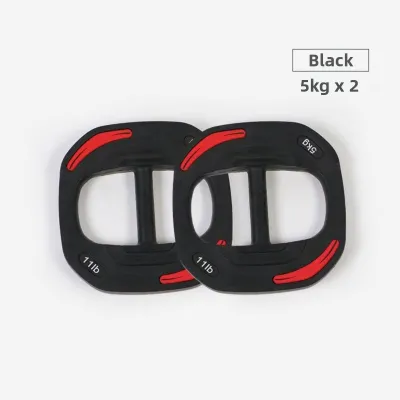

Prices are valid at publication and may change. Please refer to the product page for the latest price.
Before introducing any external weights, establish a baseline fitness check using fundamental bodyweight movements. Try performing ten controlled bodyweight squats, five strict push-ups, and a forty-second forearm plank. If you struggle to maintain proper form during these basic movements, your immediate focus should be on mastering bodyweight mechanics rather than buying heavy iron. Your joints, tendons, and ligaments need time to adapt to new physical stresses, and jumping straight into heavy external loading without a solid movement foundation increases the risk of acute injury.
As you plan your home gym, keep the core principle of progressive overload in mind. To build strength and muscle over time, you must gradually increase the physical stimulus placed on your body. This can be achieved by increasing the resistance, performing more repetitions, improving your range of motion, or slowing down the speed of your movements. Your equipment choices should facilitate this gradual progression. A smart home gym setup is one that grows with you, allowing you to systematically increase the challenge to your muscles without requiring a massive, immediate financial investment.
Tier 1: The Absolute Minimum (Bodyweight and Resistance Bands)
Mastering bodyweight mechanics is the mandatory first step of any successful strength journey. Exercises like squats, lunges, push-ups, and planks form the foundation of human movement. By learning to control your body through space, you build core stability, improve balance, and establish the neuromuscular pathways necessary for safe lifting. Bodyweight training is highly versatile, free, and easily modified by adjusting leverage, tempo, or positioning.

To add variable resistance without taking up valuable floor space, high-quality resistance bands are the most cost-effective tools available. These come in continuous loop bands or tube bands with handles and door anchors. Unlike free weights, which rely on gravity, resistance bands offer variable linear resistance—the tension increases as the band stretches. This unique tension profile is joint-friendly and highly effective for targeting stabilizing muscles, rehabilitation, and adding resistance to compound movements.
Tier 1 is the ideal starting point if you are a beginner transitioning from a sedentary lifestyle, focusing on joint mobility, or living in a small apartment with zero storage space. It is also excellent for frequent travelers, as a full set of bands easily fits into a suitcase. Furthermore, because bands do not pose a risk of dropping, they are perfect for rentals with delicate ceramic tile or wood laminate flooring common in modern Philippine homes.
However, Tier 1 has clear limitations as you progress. The human lower body is incredibly strong and adapts quickly. Overloading these large muscle groups long-term using only bands can become awkward and mechanically inefficient. Additionally, tracking precise progress is more difficult with bands than with free weights, as the exact tension varies based on stretch distance. Once you comfortably perform high-repetition bodyweight movements with maximum band tension, upgrading to external weights is necessary.
Tier 2: The Versatile Upgrade (Adjustable Dumbbells and Kettlebells)
For those who have outgrown bodyweight exercises and bands, adjustable dumbbells represent the ultimate space-saving free-weight solution. Instead of purchasing an entire rack of fixed-weight dumbbells, which clutters your living room and costs a significant amount, a single pair of adjustable dumbbells allows you to change the weight dynamically using a dial or pin system. This single pair can replace up to fifteen individual sets of dumbbells, occupying less than two square feet of floor space.
Introducing a single kettlebell adds a dynamic, functional dimension to your home training. The unique design of a kettlebell, with its weight offset from the handle, makes it ideal for ballistic, full-body movements that dumbbells cannot easily replicate. Exercises like the kettlebell swing, goblet squat, and Turkish get-up train your body as a cohesive unit, emphasizing hip extension, core stability, and grip strength. A single kettlebell serves as both a strength tool and a highly effective cardiovascular conditioning implement.
Consider transitioning to Tier 2 when bodyweight exercises feel too easy and resistance bands no longer provide sufficient tension. If you can perform fifteen clean push-ups or twenty deep squats without feeling muscular fatigue, your body requires a heavier, more consistent external load to continue progressing. Moving to free weights provides a constant gravitational force throughout the entire range of motion, which is highly effective for building muscle mass and increasing bone density.
The versatility of a Tier 2 setup is unmatched for home fitness. With just a pair of adjustable dumbbells and a single kettlebell, you can target every major muscle group. You can perform goblet squats and lunges for the lower body, dumbbell chest presses and overhead presses for the upper body, and rows or single-arm deadlifts for the back. This setup allows you to execute a complete, balanced strength program for years without needing a commercial gym.
Tier 3: Heavy Investments (Benches, Racks, and Barbells)
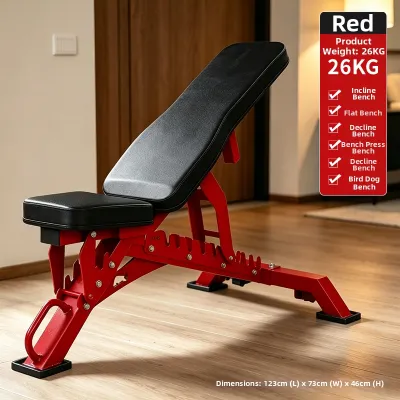
Transitioning to Tier 3 involves large, expensive, and space-consuming equipment that is only justified under specific training conditions. The first major addition in this tier is an adjustable weight bench. While you can perform many dumbbell exercises on the floor, a sturdy, adjustable bench allows you to train at incline, flat, and decline angles. This versatility is crucial for targeting different areas of the chest and shoulders, and it provides the necessary back support for heavy seated presses and rows.
A full squat rack and barbell setup represents the gold standard for advanced strength training, but it is only necessary if your goals involve heavy compound lifting, such as powerlifting or maximizing athletic power. A barbell allows you to load significantly more weight than dumbbells, making it the premier tool for building absolute strength through back squats, deadlifts, and bench presses. However, this setup requires a dedicated, permanent space of at least eight by ten feet, high ceilings, and a structurally sound floor.
Avoid the common “overbuying trap” of investing in Tier 3 equipment before you have established a consistent workout habit or mastered the foundational movements of Tiers 1 and 2. Many beginners purchase a massive multi-gym system or a full squat rack, only to realize they lack the motivation, space, or technical skill to use it safely. Furthermore, heavy iron equipment requires a dedicated, structurally sound room. In the Philippines, where residential floors often consist of delicate ceramic tiles or wood laminate, dropping a heavy barbell can cause severe structural damage and disturb neighbors.
Before purchasing heavy rigs, carefully evaluate the spatial and logistical realities of your home. You must measure your ceiling clearance to ensure you can fully lock out an overhead press or perform a pull-up. Additionally, consider the transport and assembly of these heavy steel frames; standard doorways, narrow stairwells, and small condominium elevators can present significant delivery challenges. If you do not have a dedicated garage or ground-floor spare room, the logistical headaches of housing a Tier 3 gym often outweigh the training benefits.
Safety Checks and Smart Purchasing for Home Gyms
When training at home, safety must always be your absolute priority, especially since you will likely be working out without a spotter. Proper form, controlled movements, and a mindful mind-muscle connection must take precedence over the amount of weight you lift. Never train to absolute muscular failure on heavy free-weight exercises like the bench press or squat unless you have safety spotter arms or a robust power rack adjusted to catch the weight. If you are unsure about your execution of a movement, record your sets to analyze your form or work with a certified trainer.
Protecting your home’s infrastructure is just as important as protecting your body. Before placing heavy weights or a squat rack on your floor, verify its load capacity and install appropriate protective flooring. Standard yoga mats do not provide enough cushioning for heavy iron; instead, invest in high-density rubber floor tiles that are at least fifteen to twenty millimeters thick. These specialized mats absorb the impact of dropped weights, protect ceramic tiles or concrete from cracking, and reduce the transmission of noise and vibrations.
When acquiring gear, employ smart purchasing strategies to manage your budget. Read verified customer reviews on reputable online fitness retailers and check the manufacturer’s warranty and return policies. Because strength equipment is highly durable, you can often find high-quality, lightly used dumbbells, kettlebells, and weight benches on local online marketplaces at a fraction of their retail price. Look for reputable brands and inspect the equipment in person for any signs of structural damage or deep rust before finalizing the sale.
Finally, always listen to your body and respect its physical limits. While muscle fatigue and mild soreness are normal responses to strength training, sharp joint pain, sudden pinches, or persistent discomfort are clear warning signs that something is wrong. If you experience any unusual pain or are uncertain about your physical safety during an exercise, stop immediately. Do not attempt to push through the pain. Consult a licensed physical therapist, sports physician, or qualified fitness professional to address the underlying issue before resuming your routine.
Frequently Asked Questions (FAQ)
Can I build muscle using only resistance bands?
Yes, you can build muscle using only resistance bands, as muscle hypertrophy is driven by mechanical tension and progressive overload, both of which bands can provide. By choosing bands with higher tension levels and focusing on controlled movements, you can effectively stimulate muscle growth. However, bands have limitations for advanced lifters because it becomes difficult to precisely scale the resistance for heavy lower-body exercises. To continue making progress long-term, transitioning to free weights like dumbbells or kettlebells is highly recommended.
Are adjustable dumbbells worth the higher upfront cost?
For most home gym users, adjustable dumbbells are absolutely worth the higher upfront cost. Although the initial investment is significant, a single pair replaces an entire rack of fixed-weight dumbbells, saving both money and valuable floor space. They allow you to quickly adjust the weight to match different exercises and strength levels, making your workouts highly efficient. Over time, the space savings and the eliminated need to purchase new weights as you grow stronger easily justify the initial purchase.
Do I need specialized flooring for home weightlifting?
Whether you need specialized flooring depends on your workout intensity and equipment. For light workouts involving only bodyweight exercises or resistance bands, standard exercise mats are usually sufficient to protect your floors and provide grip. However, if you transition to heavy free weights, adjustable dumbbells, or kettlebells, you must install high-density rubber flooring to prevent cracking ceramic tiles or denting wood laminate. Always check the manufacturer’s specifications for shock absorption and floor protection before purchasing.
Community discussion
Share your experience or ask a question. Comments are reviewed before publication.