
Serious basketball players in the Philippines require gear that can withstand intense daily training, sudden tropical downpours, and the wear and tear of commuting to local courts. An elite basketball bag is not just a standard gym sack; it is a specialized piece of equipment designed to organize, protect, and transport your gear efficiently. To find the right one, you must evaluate structural durability, ventilation systems, and carrying comfort against your specific training routine.
What Makes a Basketball Bag "Elite"?
Standard gym bags often fail under the weight of a size 7 basketball, high-top sneakers, and multiple changes of clothes. Elite bags utilize high-denier fabrics, typically ranging from 600D to 1600D polyester or nylon, which offer superior resistance to abrasions and tearing. These materials are paired with reinforced double or triple stitching at critical stress points, such as where the shoulder straps meet the main body, ensuring the bag does not split open during transit.
Another defining characteristic is the inclusion of dedicated, ventilated compartments. Basketball shoes accumulate significant sweat, moisture, and outdoor court grime during a game. Keeping them in the same compartment as clean uniforms or electronics leads to odor transfer and potential damage. Elite bags solve this by isolating the footwear in a separate pocket equipped with mesh panels or metal grommets to facilitate continuous airflow.
Products mentioned in this guide
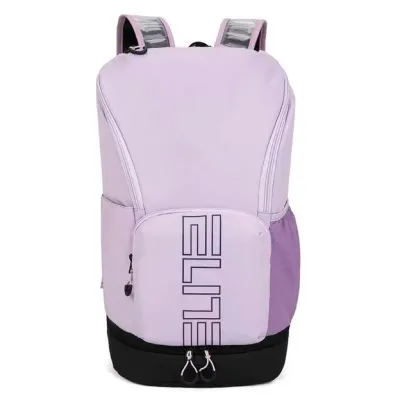
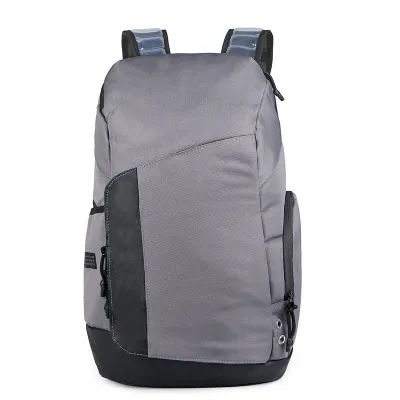
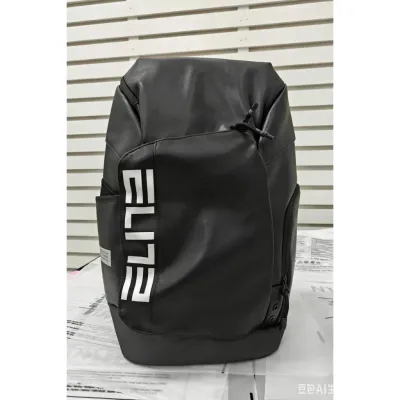
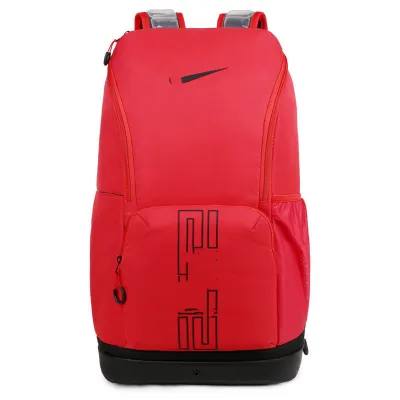
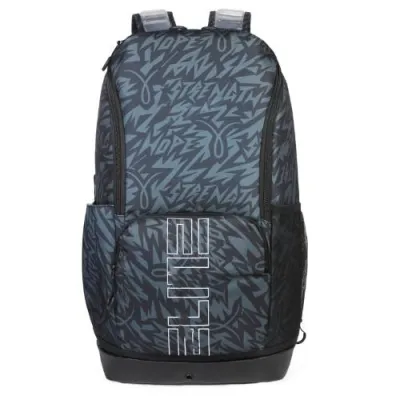
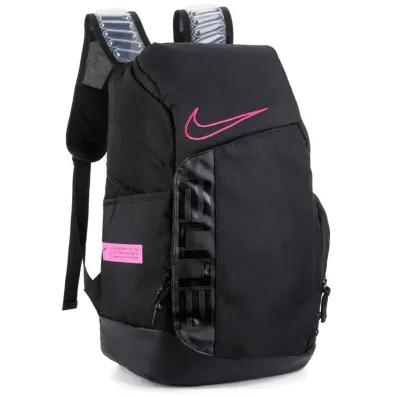
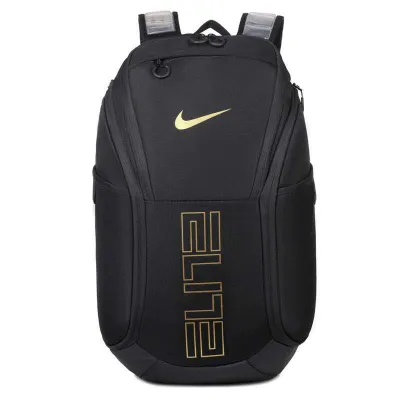
![Nike Varsity Elite Backpack (32L) - Black [HM9965-010]](https://img.lazcdn.com/g/ff/kf/S927beb67e99444e49211bc306e801e7eU.jpg_400x400q80.jpg_.webp)
Prices are valid at publication and may change. Please refer to the product page for the latest price.
Carrying comfort is also heavily prioritized in elite designs. When fully loaded, a basketball bag can easily weigh several kilograms, putting substantial strain on your shoulders and lower back. Ergonomic strap systems, often featuring dual-density foam or pressurized air pockets, help distribute this weight evenly across your torso. Padded back panels with molded air channels further enhance comfort by reducing direct contact heat and allowing sweat to evaporate during long walks or commutes.
Core Features to Inspect Before Buying
When shopping for a high-performance sports bag, relying solely on brand names or aesthetic appeal can lead to disappointment. You need to conduct a systematic physical or specification-based inspection of the bag’s design. Focus your evaluation on three critical axes: footwear isolation, material resilience, and internal organization to ensure the bag meets the demands of competitive play.

Shoe Compartment and Ventilation
The shoe compartment must be large enough to house high-top basketball shoes without forcing you to crush the heel counters or deform the collars. Before purchasing, verify the compartment’s maximum shoe size capacity, especially if you wear US size 11 or larger. Look for exterior access points that allow you to slide the shoes in and out quickly without opening the main storage area.
Ventilation is crucial in the humid Philippine climate, where trapped moisture rapidly breeds bacteria and mold. Inspect the compartment for physical ventilation features, such as brass or plastic grommets, or breathable mesh strips. These openings allow damp air to escape, helping your shoes dry out gradually during your commute home.
Additionally, check the lining of the shoe pocket. It should feature a water-resistant, easy-to-wipe material like polyurethane or thermoplastic elastomer. This barrier prevents sweat, mud, and outdoor court dust from seeping through the fabric divider and contaminating your clean jerseys, towels, or personal electronics stored in the adjacent compartments.
Material Durability and Weather Resistance
Tropical weather demands a bag that can handle sudden rain showers without soaking your gear. Examine the manufacturer’s labels to differentiate between water-resistant coatings and fully waterproof materials. While water-resistant fabrics can handle light drizzle, you may want a bag with a rubberized or tarpaulin base to block moisture when the bag is placed on wet ground.
The bottom of the bag takes the most abuse, whether it is dragged across concrete outdoor courts, wooden gym floors, or public transit platforms. Look for bags that feature a reinforced, high-abrasion-resistant base panel. Thick padding or rubberized feet on the bottom corners help absorb impact and prevent the fabric from wearing thin over months of heavy use.
Zippers are often the first point of failure on heavily loaded bags. Inspect the zipper teeth and pull tabs; elite bags typically use heavy-duty, self-repairing coil zippers that slide smoothly even when the compartment is packed to capacity. Check the stitching around the zipper tracks for loose threads, and look for fabric flaps or storm guards that cover the zippers to keep rainwater out.
Organization and Protective Padding
Modern players carry more than just a ball and shoes; they also transport tablets, smartphones, and recovery trackers. A premium basketball bag should feature a dedicated, suspended tech sleeve. This sleeve is typically lined with soft fleece to prevent scratches and is elevated off the bottom of the bag so your device does not hit the floor when you set the bag down.
Wet/dry separation is another essential organizational feature. Look for internal or external pockets lined with waterproof materials designed specifically for damp compression gear, sweaty socks, or used towels. Keeping these items isolated prevents moisture from spreading to your dry clothes and minimizes the buildup of mildew odors inside the main compartment.
Finally, evaluate the external pockets, particularly those intended for water bottles. In hot climates, staying hydrated is vital, meaning you will likely carry large insulated flasks. Ensure the side pockets are deep, elasticated, or zippered, and constructed from durable mesh that can hold heavy bottles securely without tearing or reducing the bag’s internal storage capacity.
Matching Bag Styles to Your Training Routine
Choosing the right bag style depends heavily on how you travel to the court and the volume of gear you need to carry. Backpacks are the most popular choice for players who rely on public transit, motorcycles, or walking. They keep your hands free and distribute weight symmetrically across both shoulders. When evaluating a backpack, check the torso length to ensure it sits comfortably on your back without sagging below your hips. Look for adjustable chest or sternum straps, which help stabilize the load and prevent the shoulder straps from slipping while you are on the move.
Duffle bags are highly favored by players who drive to games or need to carry an extensive amount of gear. If you regularly pack a basketball, two pairs of shoes, multiple uniforms, foam rollers, and resistance bands, a duffle bag offers the wide-open volume necessary to fit everything. However, because duffles are typically carried over one shoulder or by hand, you must inspect the shoulder strap padding. Look for thick, non-slip shoulder pads and reinforced grab handles on both ends of the bag to make lifting it in and out of car trunks easy and comfortable.
For tournament travel, out-of-town leagues, or players carrying heavy training equipment like weighted vests and cones, rolling bags provide the ultimate convenience. These bags eliminate the physical strain of carrying heavy loads over long distances. When inspecting a rolling bag, pay close attention to the wheel assembly; look for durable, recessed inline-skate wheels that can handle rough asphalt and cracked pavements. The telescopic handle should lock securely into place and feel sturdy, without excessive play or wobbling when the bag is fully loaded.
How to Shop Safely and Avoid Counterfeits
The popularity of elite sports gear has led to an influx of counterfeit products in the Philippine market. To ensure you are purchasing a genuine, high-quality basketball bag, you must be selective about where you shop. Prioritize official brand websites, authorized physical sports retailers in major malls, and verified flagship stores on major e-commerce platforms. These channels source their inventory directly from manufacturers, guaranteeing that the materials and construction meet strict quality standards.
When browsing online marketplaces, look for official verification badges, such as official mall or preferred seller tags, which indicate a vetted merchant. Read through customer reviews carefully, paying close attention to photos and videos uploaded by previous buyers. Be highly skeptical of listings that offer elite bags at suspiciously low prices, such as ₱500 to ₱1,000, when the standard retail price for genuine elite gear typically starts much higher. If a deal seems too good to be true, it is highly likely a counterfeit made from cheap, thin polyester and weak zippers.
Before finalizing your purchase, review the seller’s warranty terms and return policies. Genuine products usually come with a manufacturer’s warranty against material defects and workmanship issues for a specified period. If possible, visit a physical sporting goods store to inspect the bag in person. Feel the weight of the fabric, test the smoothness of the zippers, and check the stitching quality. This hands-on inspection gives you a clear baseline of what a genuine elite bag feels like, making it much easier to spot fakes when shopping online.
Daily Care and Maintenance for Longevity
Even the most durable elite basketball bag will degrade quickly without proper care, especially in hot, humid environments. The most critical daily habit is to empty and air out your bag immediately after every training session or game. Never leave damp jerseys, sweaty socks, or wet shoes zipped inside the bag overnight. Open all the compartments wide and place the bag in a well-ventilated indoor area, away from direct sunlight, to allow trapped moisture to evaporate completely and prevent the growth of mold and mildew.
When the exterior of the bag gets dirty from outdoor courts or transit, spot clean the stains as soon as possible. Use a soft microfiber cloth, lukewarm water, and a mild, non-detergent soap. Gently scrub the soiled areas, then wipe away the soap residue with a clean, damp cloth. Avoid using harsh chemical cleaners, bleach, or abrasive brushes, as these can strip away the water-resistant coatings and damage the synthetic fibers of the fabric. Never submerge the bag fully in water or wash it in a washing machine, as the agitation can destroy the internal structural panels and ruin the padding.
Zippers require periodic maintenance to keep them sliding smoothly and prevent teeth misalignment. You can apply a small amount of zipper lubricant or beeswax to the zipper tracks once every few months to reduce friction. Additionally, make it a habit to inspect the seam stress points, particularly around the shoulder straps and zipper ends, for any signs of fraying or loose threads. Catching and repairing minor thread failures early with a simple needle and heavy-duty thread can prevent a small tear from turning into a major structural failure that ruins the bag.
Frequently Asked Questions (FAQ)
Can I use a regular hiking backpack for basketball?
While a hiking backpack is designed to carry heavy loads comfortably, it generally lacks the specialized compartments required for basketball gear. Hiking bags typically feature deep, narrow main cavities that make it difficult to pack a bulky size 7 basketball alongside large high-top shoes. They also rarely include ventilated shoe compartments or wet/dry separation pockets, meaning your sweaty gear will sit directly against your clean items, leading to odor and moisture transfer.
A hiking bag might suffice for an occasional, casual pickup game where you wear your basketball shoes to the court and only need to carry a water bottle and a towel. However, for serious players undergoing high-frequency training, a dedicated basketball bag is highly recommended. The specialized organization, quick-access shoe pockets, and targeted ventilation of a basketball bag save time, protect your expensive footwear, and maintain overall hygiene far better than a general-purpose outdoor pack.
How do I safely remove persistent odors from the shoe compartment?
To eliminate stubborn odors from the shoe compartment without damaging the materials, start by thoroughly vacuuming out any loose dirt, sand, or dried mud. Next, place an odor-absorbing insert, such as a sachet of activated charcoal or a small bowl of baking soda, inside the compartment and zip it shut for 24 to 48 hours. These natural absorbents will draw out the trapped moisture and neutralize the odor-causing compounds without introducing harsh chemicals.
For a quicker refresh, you can lightly spray the interior of the compartment with a specialized sports fabric deodorizer or a mixture of equal parts water and white vinegar. Allow the compartment to air dry completely in a shaded, well-ventilated area. Never put your basketball bag in a clothes dryer or use a hair dryer on high heat, as excessive heat will warp the plastic structural supports, melt the water-resistant linings, and weaken the adhesive bonds holding the seams together.
Community discussion
Share your experience or ask a question. Comments are reviewed before publication.