
Choosing between a thermoformed and a traditional paddle depends on whether your game relies on explosive power and structural durability or soft touch and precise control. Thermoformed paddles offer a stiffer, more unified feel that maximizes energy return, making them ideal for players who want to drive the ball with pace. Traditional multi-piece paddles provide a softer response with longer dwell times, which helps players execute delicate drop shots and controlled dinks at the kitchen line.
In the tropical climate of the Philippines, where high humidity and intense court heat are daily realities, understanding how these construction methods react to environmental stress is crucial. The choice of paddle affects not only your performance on the court but also how well your equipment holds up over months of intense play. By analyzing the structural differences, performance specifications, and durability factors of each type, you can select the equipment that best complements your physical mechanics and playing style.
Understanding Paddle Construction: Thermoformed vs Traditional
Traditional paddle construction relies on a multi-piece assembly method. Manufacturers start with a polymer honeycomb core, place separate face sheets of carbon fiber or fiberglass on the top and bottom, and bond them together using industrial adhesives. A plastic edge guard is then glued around the perimeter to seal the exposed core and protect the edges from ground scrapes. This method has been the industry standard for years, offering a reliable, familiar feel with a distinct separation between the face and the edge.
Products mentioned in this guide
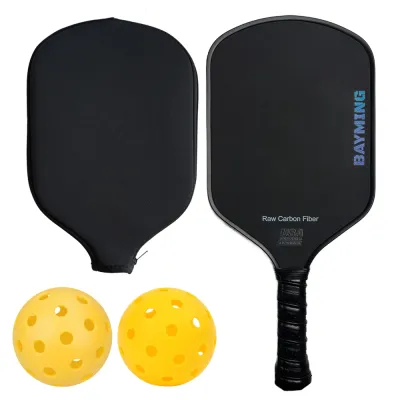
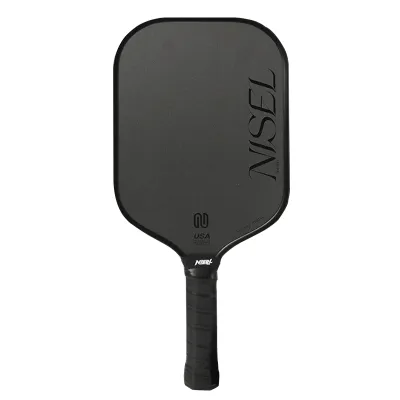
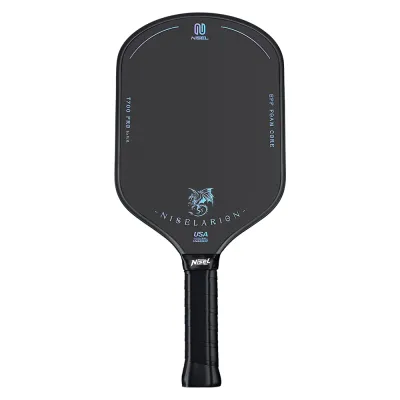
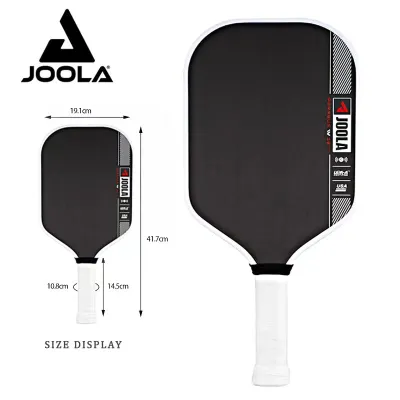
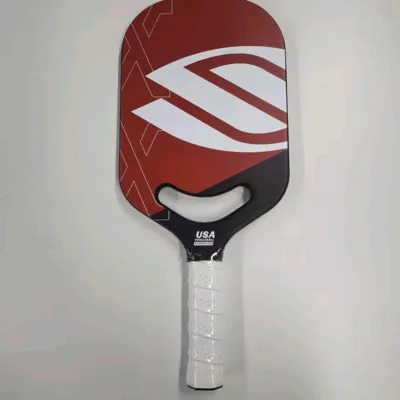
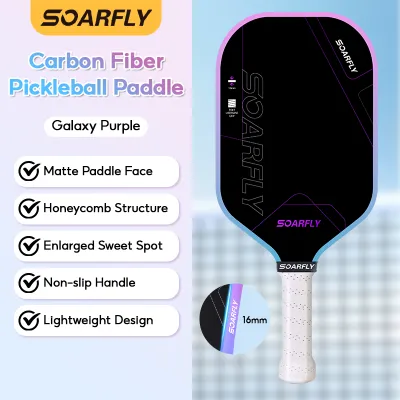
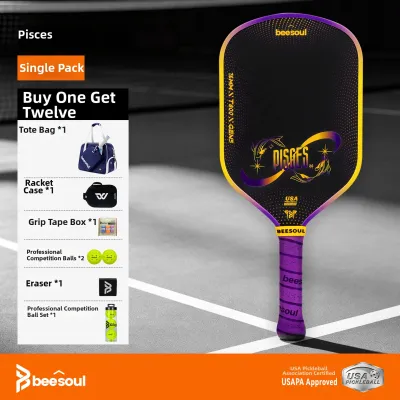
Prices are valid at publication and may change. Please refer to the product page for the latest price.
Thermoformed construction, by contrast, uses a unibody molding process that integrates the face and the core into a single continuous structure. During manufacturing, the carbon fiber face material is wrapped completely around the edges of the core before the entire assembly is cured under high heat and pressure in a specialized mold. This process often includes injecting high-density foam along the inner perimeter to add stability and weight. The result is a seamless, highly rigid paddle that functions as a single cohesive unit.
To identify these construction types when browsing sports shops or online listings, you can perform a few quick visual and tactile checks. Look closely at the throat of the paddle, where the face meets the handle. A traditional paddle often shows a clear seam or joint covered by grip tape, and the throat will flex slightly when you apply manual pressure. A thermoformed paddle features a smooth, continuous carbon fiber transition from the face down into the handle, offering a completely rigid throat that does not bend or creak under pressure.
Key Performance Characteristics and Label Specifications
When comparing paddles, manufacturer specification sheets provide valuable clues about how each construction will perform on the court. The sweet spot profile is one of the most significant differentiators. Because thermoformed paddles typically feature foam-injected edges, the sweet spot is pushed further toward the perimeter. When reading product labels, look for mentions of perimeter weighting or foam stability cores, which indicate that the paddle will maintain consistent ball speed even on off-center hits.

Power and control trade-offs are heavily influenced by core thickness and material stiffness. A standard 16mm core in a traditional paddle absorbs a significant amount of impact energy, offering excellent control but requiring more physical effort to generate depth. A thermoformed paddle of the same 16mm thickness will feel noticeably stiffer and more powerful because the unibody design prevents energy from dissipating through joint flex. If you prefer a highly responsive paddle that does not feel mushy, verify the core compression ratings on the packaging.
Weight distribution and swing weight are also critical metrics to check before buying. Static weight, usually measured in ounces, only tells you how heavy the paddle feels in your hand at rest. Swing weight, which measures how heavy the paddle feels during a full stroke, is often higher in thermoformed models due to the extra carbon fiber wrapping and perimeter foam. Check the manufacturer specifications for swing weight indicators; a higher swing weight provides excellent plow-through on hard shots but requires stronger wrist mechanics to maneuver quickly.
Matching Construction to Your Skill Level and Play Style
Baseline power players who rely on deep drives, aggressive passing shots, and heavy overheads will find distinct advantages in the stiffness of a thermoformed paddle. The structural feedback is immediate and crisp, allowing you to transfer energy directly from your swing into the ball. If your strategy involves keeping opponents pinned to the back of the court with high-velocity groundstrokes, the rigid frame of a thermoformed model helps sustain that pace throughout long rallies.
Control and dink-focused players often prefer the classic feel of traditional construction. When executing soft dinks and third-shot drops, you need to feel the ball sink slightly into the paddle face. This sensation, known as dwell time, is more pronounced in traditional paddles because the face sheets can flex independently of the core. This brief contact window gives your brain the sensory feedback needed to gauge distance, height, and spin, making it easier to neutralize fast-paced attacks at the kitchen line.
Your skill level and physical conditioning should also guide your choice. Beginners often benefit from the structural forgiveness and lower swing weight of traditional paddles, which are easier on the joints and less demanding during quick hand exchanges. Advanced players, who have developed the wrist strength and technique to control a highly responsive face, can better utilize the explosive power of a thermoformed paddle. If you are prone to arm fatigue, a traditional paddle with natural vibration-dampening qualities may offer a more comfortable playing experience.
Durability, Edge Protection, and Maintenance
Edge protection is a major factor in the long-term survival of your paddle. Traditional paddles rely entirely on their glued-on plastic edge guards to keep the internal honeycomb core safe from moisture and impact. If you scrape a traditional paddle along the court surface, the guard can crack or begin to peel away, exposing the core to dirt and delamination. Thermoformed paddles, with their wrapped carbon fiber edges, maintain their structural integrity even if the outer bumper gets scuffed, ensuring the core remains sealed.
Core compression and delamination are serious risks, especially when playing in hot, humid environments. In tropical climates, leaving a paddle inside a hot car or exposed to direct midday sun can soften the adhesives used in traditional construction, leading to face separation. While thermoformed paddles are cured at high temperatures and are generally more resistant to heat-induced delamination, they can still suffer from internal core crushing if subjected to repeated, extreme impacts. Regularly inspect your paddle by pressing firmly on the sweet spot; any soft, hollow, or clicking areas indicate internal damage.
Proper maintenance will preserve the playing surface of both paddle types. To keep the surface grit clean and effective for generating spin, use a dedicated rubber paddle eraser to rub away plastic ball residue after every few sessions. Avoid using liquid cleaners or harsh chemical solvents, which can seep into the seams of traditional paddles and degrade the internal adhesives. Store your paddle in a padded thermal cover and keep it in a cool, dry place indoors when not in use to protect the core from humidity.
Decision Framework: Which Paddle Should You Buy?
To finalize your purchase, evaluate your specific playing conditions, physical needs, and budget against this conditional framework:
Choose a thermoformed paddle if:
- You want maximum power and ball speed from the baseline.
- You prefer a stiff, highly responsive feel with minimal paddle flex.
- You want a highly durable edge that resists cracking and peeling during aggressive play.
- You are willing to invest in premium construction for long-term structural integrity.
Choose a traditional paddle if:
- Your game relies on soft touch, precise dinking, and consistent third-shot drops.
- You prefer a softer feel with maximum dwell time on the paddle face.
- You want a lighter swing weight that is easy on the wrist and elbow joints.
- You are looking for a budget-friendly option to start or improve your game.
Before making your final choice, verify your physical compatibility with the paddle. If you are transitioning from tennis, you may naturally favor the heavier swing weight of a thermoformed model. However, if you are managing existing arm strain or wrist discomfort, check the static weight and grip size carefully. Testing a demo paddle under realistic court conditions will help ensure the swing weight matches your physical limits, allowing you to play safely and effectively.
Frequently Asked Questions (FAQ)
Does a thermoformed paddle prevent core crushing?
While thermoformed construction significantly improves the overall structural strength of a paddle, it does not completely eliminate the risk of core crushing. Under repeated high-velocity impacts or exposure to extreme heat, the internal polypropylene honeycomb core can still deform or collapse over time. To check for this issue, press firmly across the sweet spot with your thumbs; any localized soft spots, hollow clicking sounds, or a sudden, unexplained loss of pop during play are clear indicators of internal core damage.
Can I add an aftermarket edge guard to a thermoformed paddle?
Most thermoformed paddles are designed with a low-profile, integrated edge guard that is installed during or immediately after the molding process. Adding heavy aftermarket edge guards or thick lead tape is physically possible, but it is generally discouraged unless you want to alter the paddle’s balance. Because thermoformed paddles already have a higher swing weight due to their perimeter foam, adding extra weight to the edges can make the paddle feel sluggish, increase wrist fatigue, and potentially void the manufacturer’s warranty.
Community discussion
Share your experience or ask a question. Comments are reviewed before publication.