
Selecting a thick yoga mat is one of the most impactful decisions you can make for your daily practice. For many practitioners, a standard thin mat feels like practicing directly on bare concrete, leading to sore knees, aching wrists, and distracted sessions. However, simply choosing the thickest mat available is not always the best solution, as excessive cushioning can compromise your stability and alignment.
Understanding the practical differences between thickness measurements—ranging from a versatile 6mm to an ultra-plush 10mm or more—allows you to balance joint protection with the solid foundation needed for balancing poses. By matching the right thickness to your specific style of yoga and physical needs, you can create a safe, comfortable, and supportive practice space.
The Baseline: Standard vs. Thick Yoga Mats
To understand what makes a mat “thick,” it helps to look at the industry standards. Traditional yoga mats typically measure between 3mm and 5mm in thickness. These standard mats prioritize a close connection to the ground, giving practitioners the stability required for rapid transitions, standing balances, and precise foot placement. They are lightweight, easy to roll up, and highly portable, making them the default choice for many dynamic yoga styles.
Products mentioned in this guide
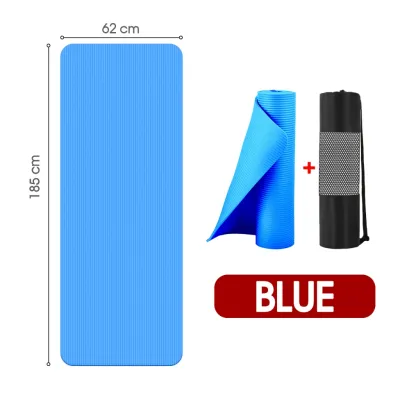
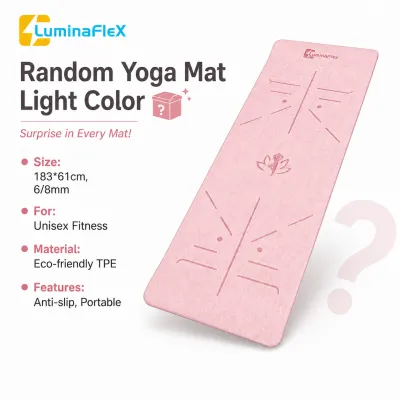
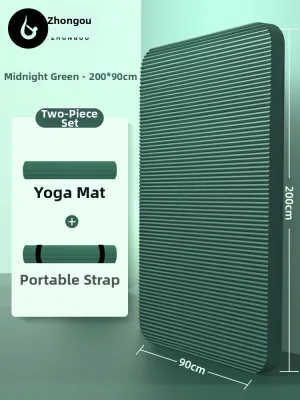
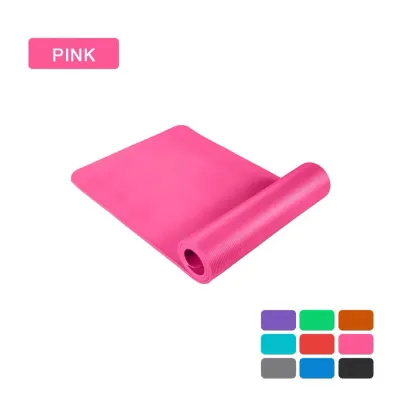
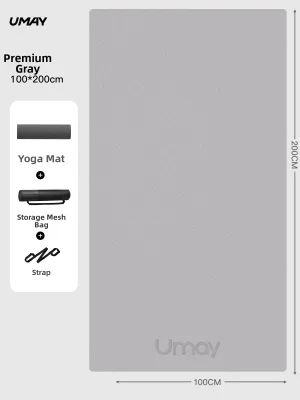
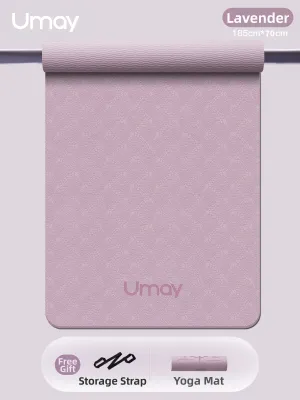
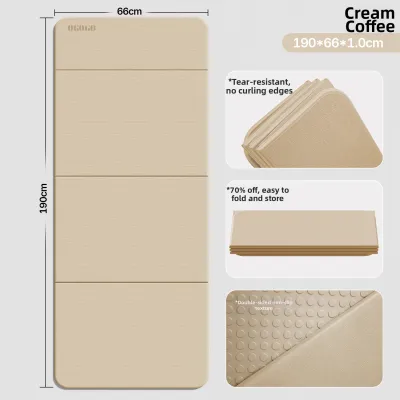
Prices are valid at publication and may change. Please refer to the product page for the latest price.
A mat is generally classified as a thick yoga mat once it reaches 6mm or more. This category is specifically engineered to address joint discomfort and provide a more forgiving surface for floor-based exercises. While standard mats focus on stability and ground feel, thick mats shift the priority toward shock absorption and pressure relief.
This shift introduces a fundamental trade-off: as you increase cushioning, you decrease your direct connection to the floor. When a mat compresses under your weight, your muscles and joints must work harder to maintain balance on the shifting surface. Finding your ideal mat means deciding where you fall on this spectrum between plush comfort and rigid stability.
Decoding the Measurements: What 6mm, 8mm, and 10mm+ Actually Feel Like
The physical experience of practicing on a mat changes dramatically with every millimeter of added thickness. Visualizing how these measurements perform under pressure helps you choose a mat that supports your movements rather than hindering them.

6mm: The Sweet Spot for Joint Support and Balance
A 6mm mat is widely considered the entry point for thick mats and represents the ideal middle ground for most practitioners. When you step onto a 6mm mat, you will notice a supportive layer of padding that cushions your knees during low lunges and protects your wrists during planks, yet you will not feel like you are sinking into the material.
This thickness is highly recommended for those who need extra joint protection but do not want to sacrifice their ability to perform standing balance poses like Tree Pose or Warrior III. Because the compression is minimal, your ankles remain stable, and you can still feel the hard floor beneath you for alignment feedback. It serves as an excellent, versatile option if your routine mixes active standing flows with gentle floor stretches.
8mm to 10mm: Deep Cushioning for Restorative and Floor Work
Stepping up to an 8mm or 10mm mat transitions your practice into a highly cushioned, plush experience. These mats excel at isolating your body from cold, hard subfloors, making them feel incredibly comfortable during extended periods of lying down or sitting.
This range is perfect for slower, floor-based practices such as Yin yoga, restorative yoga, prenatal sessions, and deep meditation. The deep cushioning cradles the hips, knees, and spine, allowing you to relax fully into passive stretches without feeling pinpoint pressure. However, this thickness makes standing balances and rapid transitions highly challenging. The soft surface causes your feet to sink, reducing your stability and requiring significant ankle strength to stay upright.
Beyond 10mm: When Extra Thickness Compromises Stability
Mats that measure 12mm, 15mm, or thicker are generally not designed for traditional yoga practices. When a mat is this thick, the risk of ankle rolling increases significantly because your feet cannot find a stable, level surface. The lack of ground feel, or proprioception, makes it difficult for your brain to gauge your body’s alignment.
These ultra-thick mats are better suited for general home fitness, core training, Pilates, or physical therapy exercises where you remain on your back, side, or knees. Using them for dynamic yoga flows, standing sequences, or advanced inversions like headstands is not recommended, as the unstable surface can place dangerous lateral strain on your wrists, neck, and ankles.
Beyond Millimeters: How Density and Material Change the Feel
While thickness is a straightforward measurement, it only tells half the story. The density of the material determines how much the mat actually compresses under your body weight, which directly impacts both comfort and stability.
For instance, a 6mm high-density natural rubber mat will often feel more supportive and stable than a 10mm low-density foam mat. Low-density foam, such as NBR (Nitrile Butadiene Rubber), tends to compress completely under concentrated pressure. When you place your knees or elbows on a low-density mat, the material can “bottom out,” leaving your joints pressing directly against the hard floor despite the mat’s impressive nominal thickness.
To evaluate a mat’s density, perform a simple compression check: press your thumb firmly into the surface. A high-quality, dense mat will compress slightly to cradle your thumb but will offer immediate resistance and spring back quickly once released.
The material composition also plays a vital role in how thickness behaves:
- Natural Rubber: Extremely dense, heavy, and durable. A 4mm to 6mm natural rubber mat provides exceptional joint protection and unmatched grip, though it carries a premium price tag, often ranging from ₱3,000 to over ₱6,000.
- TPE (Thermoplastic Elastomer): Lightweight and moderately dense. TPE mats are often soft and springy, making a 6mm TPE mat very comfortable and budget-friendly (typically ₱800 to ₱2,000), though they may compress more over time.
- PVC (Polyvinyl Chloride): Highly versatile. High-density PVC mats offer incredible longevity and support, while low-density PVC mats are cheap but offer poor support and wear out quickly.
- Cork: Naturally firm and dense. Cork mats provide a highly stable surface with a thin profile, backed by a natural wood-like grip that improves as you sweat.
Matching Thickness to Your Yoga Style and Joint Needs
Choosing the right thickness requires looking at your personal practice style and physical profile. No single mat thickness is perfect for every body or every routine.
- Dynamic, Vinyasa, and Ashtanga: If your practice involves rapid movements, sun salutations, and jump-throughs, stick to a standard 3mm to 5mm mat, or a maximum of 6mm in a high-density material. You need a highly stable, non-slip foundation that allows your hands and feet to grip firmly without sliding or bunching.
- Hatha and Iyengar: For practices that focus on precise alignment and holding poses for longer durations, a 6mm mat is often the perfect choice. It provides enough cushioning to keep your joints comfortable during extended holds while maintaining the structural stability needed for alignment adjustments.
- Yin, Restorative, and Prenatal: If your routine consists of slow, passive stretches, floor work, and long periods of relaxation, look for an 8mm to 10mm mat. The priority here is comfort, warmth, and pressure relief for your joints.
- Physical and Joint Considerations: If you experience chronic knee pain, have sensitive wrists, or are recovering from a joint injury, prioritizing a thicker, high-density option is highly beneficial. However, if you struggle with balance, have weak ankles, or are working on advanced standing poses, lean toward a thinner, firmer mat to keep your foundation secure and prevent injury.
Practical Trade-offs of a Thick Yoga Mat: Weight, Grip, and Portability
Before committing to a thicker mat, it is essential to consider the practical day-to-day trade-offs that come with the extra material. These factors can significantly affect how often you use your mat and how well it lasts.
- Weight and Portability: Added thickness means more material, which translates directly to weight. A 6mm high-density natural rubber mat can weigh upwards of 3 kilograms. If you regularly commute to a local studio, walk long distances, or travel, carrying a bulky, heavy mat can quickly become a hassle. For on-the-go practice, a lighter 4mm mat or a foldable travel mat is much more convenient.
- Surface Grip and Stability: Thicker, softer mats can sometimes stretch or bunch up during active poses like Downward-Facing Dog. If the material lacks structural integrity, your hands and feet may slide as the mat deforms under horizontal pressure, which can disrupt your flow and focus.
- Care and Drying in Humid Climates: In tropical environments with high humidity, thicker mats require extra care. Sweat and moisture can penetrate deep into porous foam mats, taking significantly longer to dry. If not dried properly in a well-ventilated area out of direct sunlight, the trapped moisture can lead to persistent odors, mold, or rapid material breakdown.
Frequently Asked Questions (FAQ)
Is a thick yoga mat better for beginners?
While beginners often appreciate the immediate comfort of a 6mm to 8mm mat for their knees and wrists, starting with an overly thick or squishy mat (10mm+) can actually hinder your progress. A soft mat masks the floor, making it harder to learn proper foot alignment, engage core stabilizers, and find your balance. A firm 6mm mat is generally the safest and most versatile starting point for anyone new to yoga.
Should I use a thick mat for hot yoga or dynamic flows?
It is best to avoid thick, plush mats for hot yoga or high-intensity dynamic flows. Thick mats trap heat and absorb large amounts of sweat, which can make the surface slippery and heavy. The soft, shifting surface also reduces ground feedback, increasing the risk of twisting an ankle during fast transitions. For high-sweat environments, a standard 3mm to 5mm high-density natural rubber or cork mat paired with a specialized grip towel is much safer and more effective.
Community discussion
Share your experience or ask a question. Comments are reviewed before publication.