
Choosing between the ThinkRider X7, X5, and X3 smart trainers comes down to matching your specific athletic goals, your bicycle’s physical compatibility, and your budget. If you are preparing for high-intensity virtual races and require realistic road feel with steep gradient simulation, a direct-drive model like the X7 or X5 is generally the appropriate direction. For riders seeking a straightforward, budget-friendly entry into virtual cycling without complex mechanical setups, the X3 offers a practical alternative. To make the right investment, you must verify the exact specifications, axle standards, and total setup costs before purchasing.
Defining Your Indoor Cycling Requirements
Your training intensity is the first major factor to consider when choosing an indoor trainer. Casual riders who primarily use virtual platforms for light spinning or basic fitness maintenance have different equipment needs than competitive cyclists preparing for local races. High-intensity interval training and virtual racing demand a trainer that can handle sudden, explosive wattage spikes without slipping or losing connection, making structural stability a priority.
Environmental factors also play a critical role, especially when training in the tropical climate of the Philippines. High humidity and heat mean you will likely sweat profusely during indoor sessions, which can accelerate wear on both your bicycle and the trainer itself. You must ensure your training space has adequate ventilation, space for high-velocity fans, and a floor surface that can handle moisture and vibration.
Products mentioned in this guide
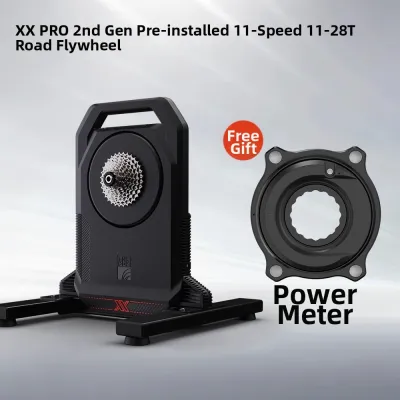
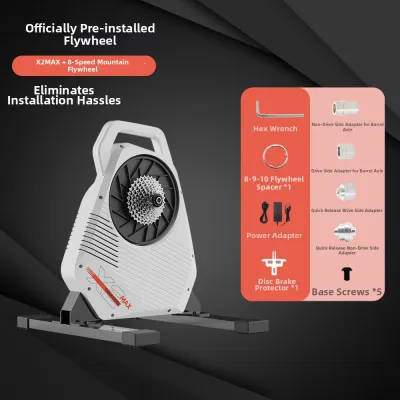
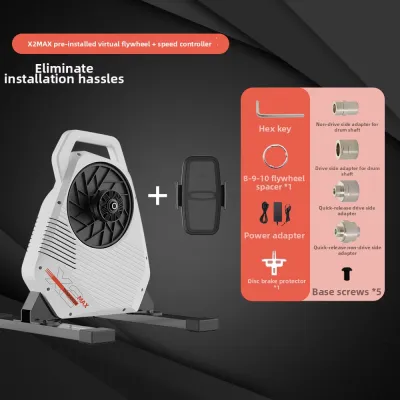
Prices are valid at publication and may change. Please refer to the product page for the latest price.
If you live in a high-rise condominium or a shared household, noise tolerance and floor vibration are critical constraints. Direct-drive trainers, where the bicycle’s rear wheel is removed, generally produce significantly less noise and vibration than wheel-on trainers. You should assess how much noise your living situation allows and whether you need to invest in additional sound-dampening accessories.
Finally, consider your preferred app ecosystem and how you plan to connect your devices. Virtual training platforms require stable connectivity to transmit power, speed, and cadence data. Before choosing a trainer, identify whether you will use a tablet, smartphone, or computer, and verify that your training space has reliable wireless coverage to support real-time data transmission.
Key Specifications to Compare Across the X7, X5, and X3
When comparing these models, you must verify the maximum wattage capacity and simulated incline percentages on the official product packaging or manufacturer’s website. High-tier models like the X7 typically advertise higher maximum wattage limits and steeper simulated gradients compared to mid-range options like the X5 or entry-level options like the X3. Ensure the model you select can simulate the specific terrain of the virtual routes you plan to ride.

The physical design of the resistance mechanism directly influences the quality of your indoor workouts. Direct-drive models utilize an internal electromagnetic resistance system that dynamically adjusts to match virtual hills and structured workouts. You should check the manufacturer’s specifications for the flywheel mass, as a heavier flywheel generally provides a more realistic road feel by maintaining momentum when you stop pedaling.
Connectivity protocols are another essential specification to verify before making a purchase. Look for dual-protocol support, which includes both ANT+ and Bluetooth Smart, to ensure the trainer can communicate with a wide range of devices. Some advanced models support multiple simultaneous Bluetooth connections, allowing you to connect to a training app on your laptop while simultaneously sending data to your sports watch.
Accuracy ratings are also worth verifying if you rely on precise power data for structured training plans. Higher-end smart trainers often feature built-in power meters with lower margins of error, which is crucial for tracking fitness gains over time. Check the official product documentation to compare the advertised power accuracy percentages across the X7, X5, and X3 models.
Bike Compatibility and Setup Requirements
Before purchasing any smart trainer, you must confirm that your current bicycle can be safely mounted to the unit. Modern road and mountain bikes use various axle standards, primarily quick-release skewers or thru-axles of different widths. Review the trainer’s product manual to verify which axle adapters are included in the box and whether you need to purchase additional adapters to fit your bike’s specific frame dimensions.
Drivetrain matching is another critical step in the setup process, particularly for direct-drive trainers. Because these units require you to mount your bicycle directly onto a cassette installed on the trainer, you must ensure the freehub body is compatible with your bike’s drivetrain brand and speed configuration. For example, a bike with an 11-speed Shimano drivetrain will require a matching 11-speed cassette and compatible freehub on the trainer.
It is important to note that some smart trainers do not include a cassette in the standard package. If you select a direct-drive model like the X7 or X5, you may need to purchase a separate cassette that matches your bike’s gear ratios, along with the specialized tools required for installation. Factor this step into your preparation to avoid delays when setting up your trainer for the first time.
Physical footprint and stability are also key considerations for your training space. Direct-drive trainers are often heavier and have wider base footprints to support out-of-the-saddle sprinting, while wheel-on models like the X3 may be lighter and easier to fold away. Measure your available floor space and compare it to the manufacturer’s dimensions to ensure you have enough room to ride safely.
Budgeting and Total Cost of Ownership
When browsing local e-commerce platforms and authorized distributors in the Philippines, you will observe a wide price range between these three models. While the entry-level X3 presents a lower initial cost, it is important to evaluate the long-term value of the features you might want as your fitness progresses. A lower upfront price might lead to additional expenses later if you decide to upgrade to a direct-drive system.
To calculate the true cost of ownership, you must look beyond the base price of the trainer unit. Essential accessories can add up quickly, including a heavy-duty floor mat to protect your floors from sweat and reduce vibration, a front wheel riser block to level your bike’s geometry, and potentially a sweat guard to protect your frame from corrosion.
In tropical environments, sweat protection is not optional; it is a necessity for preserving your equipment. The high salt content in sweat can quickly corrode your bicycle’s headset bearings, handlebars, and bottom bracket if left unprotected. Budgeting for a high-velocity floor fan and protective covers is a practical way to safeguard your investment and ensure the longevity of both your bike and trainer.
Finally, investigate the warranty terms and the availability of local after-sales support in the Philippines. Heavy electronic training equipment can be costly to ship overseas for repairs, making a reliable local warranty from an authorized distributor highly valuable. Verify the warranty duration and the process for claiming support before finalizing your purchase on any online marketplace.
Final Decision Framework: Matching the Model to Your Needs
The ThinkRider X7 is suited for dedicated cyclists and competitive racers who require the highest level of performance, realistic road feel, and steep gradient simulation. If your training involves high-wattage sprints, steep virtual climbs, and precise power tracking, verify that the X7’s advanced specifications align with your athletic goals and that your budget accommodates this premium option.
The ThinkRider X5 offers a balanced middle ground, providing the quiet operation and direct-drive design of a high-end trainer at a more moderate price point. It is an excellent choice for intermediate riders who want a reliable platform for structured workouts and virtual riding without the premium cost of top-tier specifications. Verify that its wattage and gradient limits meet your training needs.
The ThinkRider X3 is designed for casual riders, beginners, or those on a strict budget who want to explore virtual cycling without a significant financial commitment. Because it may feature a different resistance mechanism or lower maximum limits, verify that its specifications are sufficient for your current fitness level and that you are comfortable with its physical footprint.
Regardless of which model you choose, always perform a thorough compatibility check on your bicycle’s axle width, speed cassette, and frame clearance before making your final purchase. Taking the time to verify these details beforehand will ensure a seamless setup process and allow you to start your indoor training journey without unexpected mechanical issues.
Frequently Asked Questions (FAQ)
Do I need a paid subscription to use a ThinkRider smart trainer?
No, a paid subscription is not strictly required to use the trainer, but it is necessary if you want to access premium features on third-party virtual training platforms. The manufacturer typically provides a free companion application for basic calibration, firmware updates, and manual resistance control. If you wish to ride in virtual worlds or follow structured training plans on platforms like Zwift or TrainerRoad, you will need to pay their respective monthly subscription fees. Always check the official app store listings for current pricing and free trial availability.
Can I use these smart trainers with a mountain bike?
Yes, you can use these trainers with a mountain bike, provided you verify the axle compatibility and frame clearance. Many modern mountain bikes use Boost axle spacing (12x148mm), which requires specific adapters that may or may not be included in the trainer’s box. For direct-drive models like the X7 and X5, you must also ensure the installed cassette matches your mountain bike’s drivetrain speed and derailleur capacity. If you are using a wheel-on trainer like the X3, it is highly recommended to swap your knobby off-road tire for a slick trainer tire to minimize noise and prevent rapid tire wear.
Community discussion
Share your experience or ask a question. Comments are reviewed before publication.