
Selecting the right thumb splint support is a critical decision for athletes looking to protect a vulnerable joint while maintaining their competitive edge. In the active sports landscape of the Philippines, where high-impact activities like basketball, volleyball, and racket sports are highly popular, hand and finger injuries are common occurrences. A properly selected support helps stabilize injured ligaments, limits harmful movement, and provides the compression necessary to manage localized swelling. However, choosing an inappropriate support can lead to further joint instability, restricted performance, or skin irritation exacerbated by the local tropical climate.
To make an informed choice, athletes must evaluate their specific injury type, the physical demands of their sport, and the structural features of the support. This guide provides a comprehensive framework to help you navigate the selection process, verify product specifications, and ensure a secure, functional fit that supports your recovery and athletic goals.
Understanding Thumb Injuries and Splint Categories
Athletic thumb injuries generally fall into several distinct categories, each requiring a different level of structural support. A common acute injury is the sprain of the ulnar collateral ligament (UCL), or skier’s thumb, which occurs when the thumb is forced outward. Hyperextension injuries happen when the thumb is bent too far backward, while repetitive strain injuries can cause localized inflammation around the tendons at the base of the thumb. Understanding the nature of your injury is the first step in identifying whether you need complete joint immobilization or flexible compression.
Products mentioned in this guide
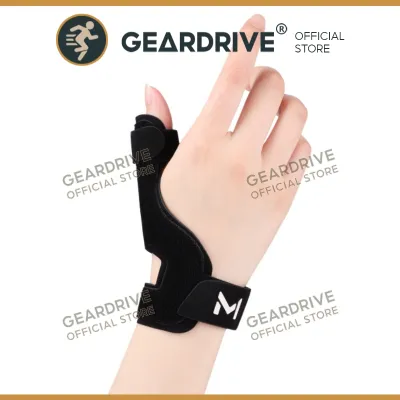
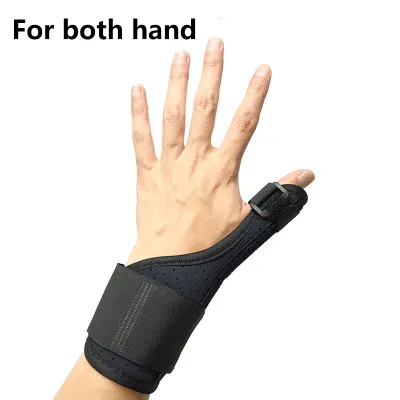
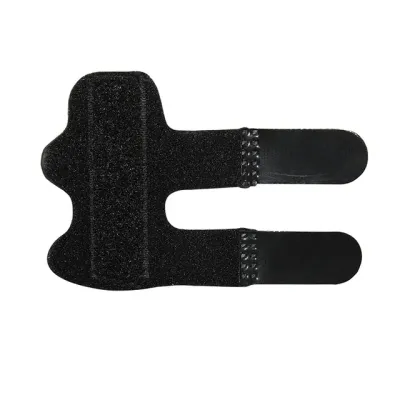
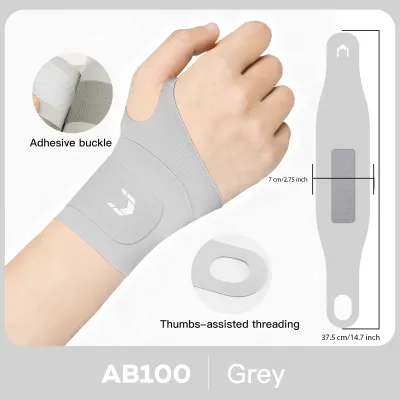
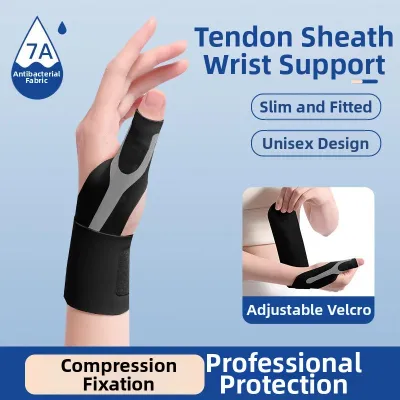
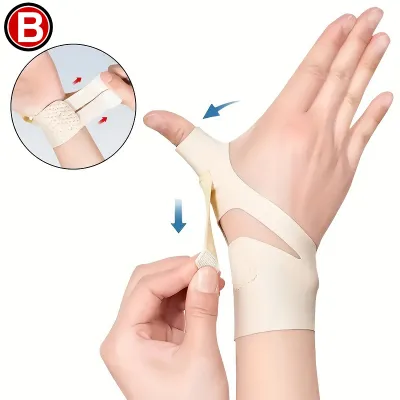
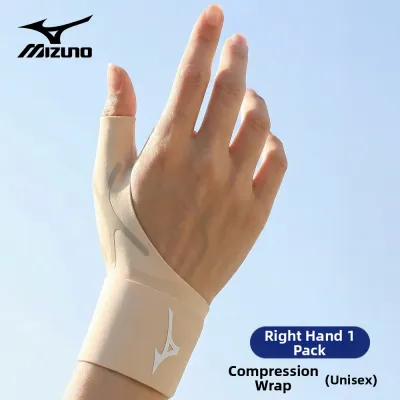
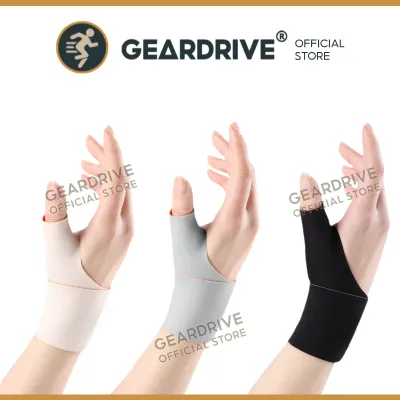
Prices are valid at publication and may change. Please refer to the product page for the latest price.
To address these varying needs, thumb supports are designed in three primary structural categories. Rigid immobilizers utilize metal or hard plastic stays to completely restrict movement of the metacarpophalangeal (MCP) and carpometacarpal (CMC) joints, making them suitable for acute recovery phases where any movement could delay healing. Flexible compression sleeves, often made of elasticized fabrics or thin neoprene, offer mild support and heat retention, which helps promote blood flow and reduce minor swelling during low-impact activities. Hinged or spica splints provide a middle ground, featuring removable or adjustable stabilizers that allow you to customize the level of restriction as your joint regains strength.
While self-selecting a support is common for minor discomfort, athletes must recognize the limits of self-care. If you experience severe pain, visible deformity, immediate and intense swelling, or an inability to move the thumb joint at all, you must stop self-treatment immediately. These symptoms often indicate a complete ligament tear or a fracture, conditions that require professional evaluation by a sports medicine specialist, orthopedic doctor, or physical therapist. Using a retail splint as a substitute for professional medical assessment in these scenarios can lead to chronic joint instability and long-term functional impairment.
Key Selection Criteria for Athletic Thumb Supports
When selecting a thumb splint support for athletic use, environmental factors play a significant role in comfort and compliance. The year-round high humidity and warm temperatures in tropical climates mean heavy, non-breathable materials quickly trap sweat, leading to skin irritation and bacterial buildup. Look for supports constructed from lightweight, perforated neoprene, 3D mesh fabrics, or moisture-wicking nylon blends. These materials facilitate airflow and accelerate sweat evaporation, keeping the skin dry and comfortable during intense training sessions or outdoor matches.

The trade-off between joint immobilization and functional mobility is another critical factor to analyze. A highly rigid splint provides excellent protection against re-injury but will significantly limit your ability to grip a ball, hold a racket, or perform precise hand movements. Conversely, a highly flexible sleeve allows natural hand movement but may fail to protect a healing ligament from sudden lateral impacts. You must assess your current stage of recovery and the specific movements required in your sport to determine the appropriate balance of restriction and freedom.
The durability of the closure system is vital for athletes who subject their gear to repetitive stress and frequent adjustments. High-quality hook-and-loop fasteners, reinforced stitching, and robust strap buckles ensure that the splint remains securely in place during rapid hand movements. Double-strap designs, which secure both the wrist and the individual thumb joint, offer superior stability compared to single-strap models. Inspect the quality of the hook-and-loop material; low-grade fasteners tend to lose their grip quickly when exposed to sweat, dirt, and frequent washing.
To ensure a secure and non-restrictive fit, you must obtain accurate physical measurements rather than relying on general clothing sizes. Most manufacturers require two primary measurements: the circumference of the wrist and the circumference of the thumb joint or the distance from the wrist crease to the tip of the thumb. Use a flexible fabric measuring tape, ensuring it sits flat against the skin without compressing the soft tissue. Comparing these precise measurements against the manufacturer’s specific sizing chart is the most reliable way to prevent purchasing a support that is either too tight, which restricts circulation, or too loose, which fails to provide adequate stabilization.
Sport-Specific Fit and Mobility Requirements
Different sports impose unique physical demands on the hands, requiring tailored support configurations. In contact sports like basketball and volleyball, hand impacts are frequent and unpredictable. For these activities, a thumb support must offer robust lateral protection to prevent hyperextension when catching a ball or blocking an opponent. However, the support must also be low-profile enough to fit comfortably under sports gloves or not interfere with ball-handling feel. Look for designs with low-profile, shatter-resistant plastic stays that absorb impact energy without adding excessive bulk to the hand.
For racket, bat, and precision sports such as badminton, tennis, golf, or baseball, the ability to maintain a natural grip on the equipment is paramount. A splint that completely immobilizes the thumb pad will alter your grip mechanics, potentially leading to poor performance or secondary strain in the wrist and elbow. In these scenarios, a semi-rigid spica splint with an open-palm design is highly beneficial. This configuration stabilizes the base of the thumb while leaving the palm and fingers free to make direct contact with the racket grip or bat handle, preserving tactile feedback and control.
Endurance and water sports, such as cycling, dragon boat rowing, or kayaking, present unique challenges regarding material degradation and fit security. Constant exposure to water, sweat, and friction can cause standard fabrics to stretch, slip, or deteriorate rapidly. If you participate in these sports, prioritize supports made from marine-grade neoprene or quick-drying synthetic composites that maintain their structural integrity when wet. Additionally, ensure the closure straps are highly secure and slip-resistant, as wet conditions can cause standard hook-and-loop fasteners to slide under tension.
Before committing to a specific thumb splint for active play, perform a systematic range-of-motion and grip-strength test. Put on the splint and attempt to perform basic sport-specific movements, such as gripping a racket, squeezing a ball, or mimicking a passing motion. Check if the support pinches the skin in the web space between the thumb and index finger, or if it restricts the movement of your other four fingers. If you experience sharp pain, restricted blood flow, or a severe reduction in grip strength that makes handling equipment unsafe, the splint may be too rigid or improperly sized for your active sport requirements.
How to Build Your Shortlist and Verify Before Purchase
Building a reliable shortlist of candidate thumb supports involves matching your specific athletic profile to verified product specifications. Start by creating a simple matrix that aligns your injury stage (acute, recovering, or preventive), your primary sport, and the required level of mobility. For example, an athlete recovering from a UCL sprain will require a rigid splint initially, transitioning to a flexible support as healing progresses. This structured approach prevents you from purchasing a generic support that does not address your specific functional needs.
Once you have identified potential product types, carefully read and interpret the manufacturer’s technical specifications. Look closely at the material composition list; high percentages of nylon and spandex generally indicate greater flexibility and breathability, while a high neoprene content suggests superior heat retention and structural durability. Pay attention to labels indicating “adjustable stays” or “removable splints,” as these features offer valuable versatility, allowing you to adapt the support as your recovery demands change. Avoid products that use vague descriptions like “one size fits all” without providing actual physical measurement ranges.
When shopping on online marketplaces, verify the seller’s return policies and sizing guarantees before finalizing your purchase. Because a proper fit is critical for both safety and effectiveness, you should prioritize sellers that offer hassle-free exchanges if the initial size does not match your hand dimensions. Read customer feedback carefully, focusing on reviews from other athletes or active users. Look for specific comments regarding how well the splint holds up during sweaty workouts, whether the straps slip during movement, and if the edges of the material cause chafing during prolonged wear.
Be vigilant for red flags that indicate a low-quality or potentially unsafe product. Avoid manufacturers that make unsupported medical claims, such as promising to “cure” chronic joint conditions or guarantee instant healing. A reputable support is designed to assist the body’s natural healing process by providing stability and compression, not to act as a standalone medical cure. Other red flags include a lack of clear, multi-point sizing charts, non-adjustable strap designs, and extremely low-cost construction that lacks reinforced stitching at high-stress points.
Proper Application, Maintenance, and Safety Boundaries
Correct application is essential to ensure the thumb splint provides the intended support without causing secondary issues. Begin by aligning the rigid stay, if present, directly along the outer or inner aspect of the thumb as specified by the manufacturer. Secure the wrist strap first to establish a stable anchor point, ensuring it is snug but not constricting. Next, wrap the thumb strap around the joint, adjusting the tension so that the thumb is supported in a neutral, slightly bent position. Perform a visual check to ensure the fabric is flat against the skin and does not bunch up in the web space of the hand.
To maintain hygiene and prolong the lifespan of your support, establish a regular cleaning routine. Sweat, skin oils, and dirt can quickly degrade elastic fibers and hook-and-loop fasteners, while also creating an environment ripe for bacterial growth. Hand wash the splint in cool water using a mild, fragrance-free detergent, avoiding bleach or fabric softeners which can damage synthetic materials. Rinse thoroughly to remove all soap residue, and allow the splint to air dry completely in a well-ventilated, shaded area. Never use a mechanical dryer, as extreme heat can warp plastic stays and degrade elastic components.
While wearing the splint, you must remain highly attentive to physical feedback from your hand. Regularly check for observable warning signs that indicate the support is applied too tightly or is unsuitable for your anatomy. These signs include numbness, a tingling sensation, increased swelling in the fingertips, skin discoloration such as a bluish or pale tint, or coldness in the thumb and fingers. Additionally, watch for localized skin irritation, redness, or chafing along the edges of the splint, which suggests friction or a material allergy.
If you experience any of these warning signs, loosen the straps immediately or remove the splint entirely. Do not attempt to push through the discomfort during a game or training session. If pain, swelling, or joint instability persists or worsens despite using the support, stop using the product and seek a professional medical evaluation. A thumb splint is a supportive tool designed to assist in recovery and protection, but it cannot replace professional medical diagnosis, targeted physical therapy, or the necessary physiological healing time required for damaged ligaments and tendons.
Frequently Asked Questions (FAQ)
Can I wear a thumb splint while sleeping?
Whether you can wear a thumb splint while sleeping depends on the support’s design and your healthcare provider’s advice. Daytime athletic supports, especially those with rigid metal stays, are generally not designed for overnight wear, as they can restrict natural movement and potentially compromise blood circulation when you cannot actively monitor your hand. If overnight immobilization is required for your recovery, look for dedicated resting splints that feature padded, ergonomic designs specifically labeled for nighttime use. Always check the manufacturer’s product guidelines and consult a medical professional before wearing any compressive or rigid support while sleeping to avoid the risk of prolonged nerve compression or restricted blood flow.
How do I measure my thumb for the correct splint size?
To obtain an accurate measurement, use a flexible fabric measuring tape or a piece of string. Measure the circumference of your wrist at its narrowest point, just above the wrist bone, keeping the tape flat but not pulled tight. Next, measure the circumference of your thumb joint, or the distance from your wrist crease to the base of your thumb nail, depending on the specific measurement points requested by the manufacturer’s sizing chart. If your measurements fall directly between two sizes, it is generally recommended to select the larger size if the splint features highly adjustable straps, as this allows you to customize the fit without risking restricted circulation.
Should I wear the splint during the actual game or only for recovery?
Deciding to wear a thumb splint during competition or only for recovery depends on injury severity, sport regulations, and grip requirements. For minor instability or preventive support, wearing a flexible, low-profile compression sleeve during a game can provide valuable joint awareness and light protection. However, if you are recovering from a moderate to severe ligament sprain, wearing a rigid splint during active play may be unsafe or prohibited by league rules to prevent injury to other players. Test the support thoroughly during low-intensity practice drills to evaluate how it affects your equipment handling and performance, and always align your usage with the specific guidance of a sports medicine professional.
Community discussion
Share your experience or ask a question. Comments are reviewed before publication.