
Selecting the right hydration waist pack for running in the Philippines requires balancing carrying capacity, stability, and high-performance breathability. Carrying fluids on your waist is an excellent way to maintain a natural running posture without the upper-body heat retention of a full hydration vest. However, the tropical climate and varied terrain mean that a poorly chosen pack can quickly lead to severe chafing, heat discomfort, or unstable bouncing. Finding the ideal pack depends on your typical running environment—whether you are tackling humid city loops in the early morning or navigating technical, muddy trail ascents in the mountains.
To make an informed purchase, you must evaluate how a pack manages weight, handles moisture, and fits your specific body shape. The right choice will keep your fluids cool, your gear secure, and your stride uninterrupted, allowing you to focus entirely on your training and performance.
How the Philippine Climate and Terrain Shape Your Gear Choice
The tropical climate of the Philippines presents unique physiological challenges for runners. Relative humidity regularly exceeds 80% throughout the year, which severely limits the body’s ability to cool itself through sweat evaporation. Because you sweat more heavily in these conditions, carrying adequate hydration is a matter of safety rather than just convenience. Any gear worn close to the body must prioritize maximum airflow. Heavy, non-breathable fabrics trap heat and sweat against your lower back, accelerating dehydration and causing painful skin abrasions. Highly breathable, moisture-wicking open meshes are essential to facilitate heat dissipation.
Products mentioned in this guide
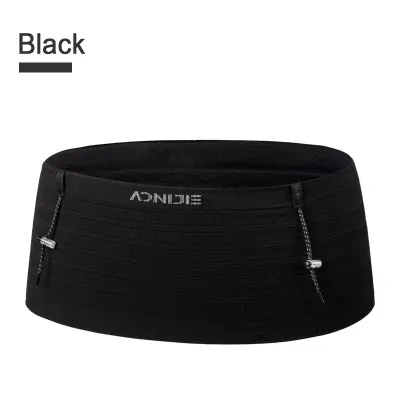
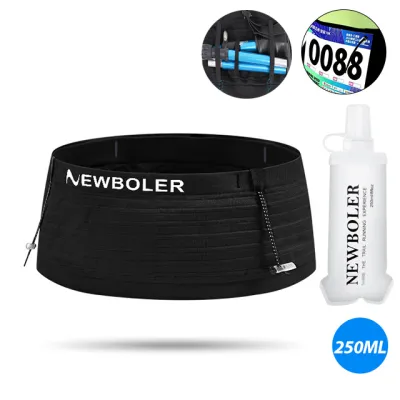
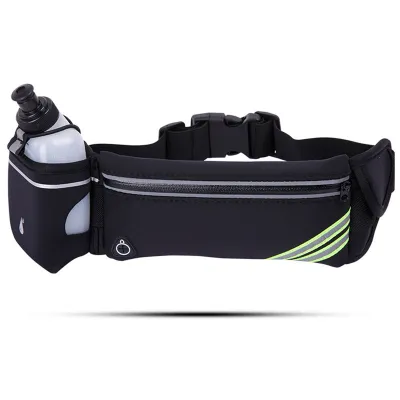
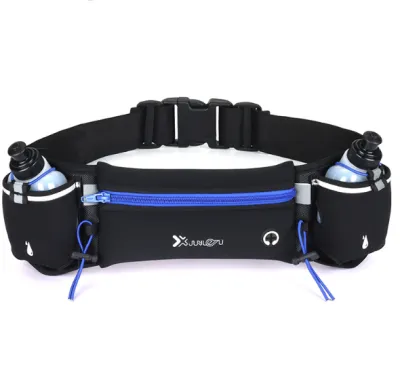
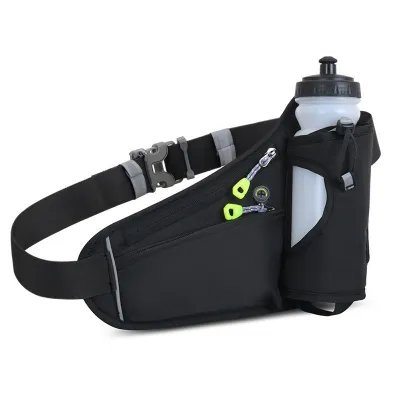
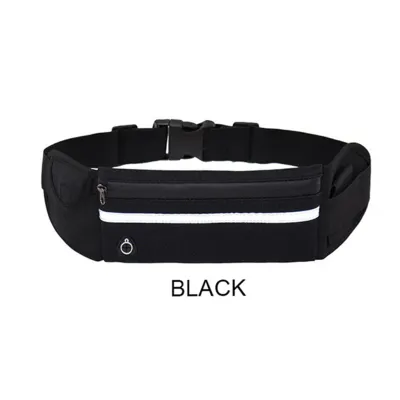
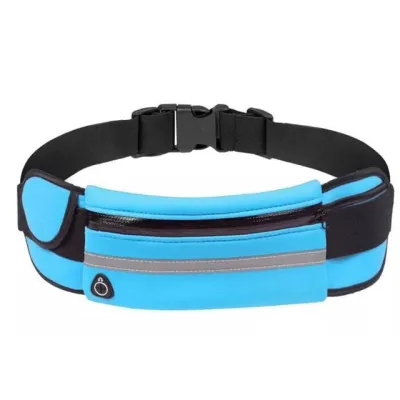
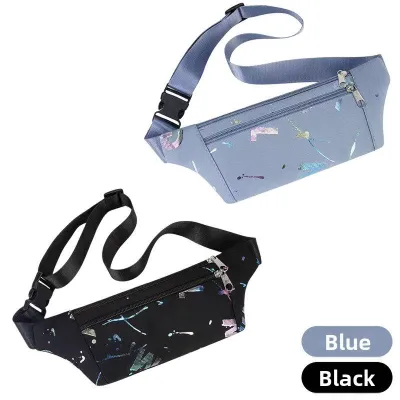
Prices are valid at publication and may change. Please refer to the product page for the latest price.
Your running terrain also dictates your gear requirements. Urban road runners navigating flat asphalt or concrete pavements—such as the streets of Bonifacio Global City, UP Diliman, or Cebu IT Park—can typically rely on lightweight, minimalist single-bottle belts. These urban routes often feature accessible convenience stores or water stations, allowing you to carry less weight. Conversely, trail runners tackling the steep, uneven paths of Rizal, Benguet, or Cavite require a highly secure, bounce-free fit. Navigating technical terrain involves sudden lateral movements, jumps, and steep descents that will cause a loose pack to shift violently, disrupting your balance and rhythm.
Furthermore, a high-quality waist pack must manage temperature on two fronts. It must insulate your fluids from your radiating body heat to prevent your water from becoming lukewarm and unpalatable. Simultaneously, it must prevent external sweat from soaking through the storage compartments and damaging your phone, keys, or nutrition packets.
Core Criteria for Choosing a Running Hydration Waist Pack
Evaluating a hydration waist pack requires looking beyond aesthetics to analyze how the gear performs under physical duress. By focusing on key structural and functional criteria, you can select a pack that aligns perfectly with your running style and physiological needs.

Hydration Mechanism (Bottles vs. Bladders)
The choice between bottles and bladders impacts how you access fluid and manage weight distribution. Bottles are highly versatile and come in both rigid plastic and collapsible soft flask designs. Collapsible soft flasks are particularly popular because they shrink as you drink, eliminating the annoying sloshing sound and keeping the fluid weight tight against your body. Rigid bottles, while bulkier, are much easier to slide back into their holsters mid-run and can be refilled quickly at aid stations.
Integrated bladders, usually holding 1 to 1.5 liters, sit flat against your lower back and deliver water through a flexible drinking tube. This setup offers hands-free sipping and a higher fluid capacity, making it excellent for long, unsupported runs. However, bladders require more effort to clean, and drawing water through a tube requires slightly more physical effort when you are breathing heavily.
Capacity and Hydration Math
To determine the fluid capacity you need, you must calculate your sweat rate and estimate the duration of your runs. In the intense heat of the Philippines, a runner can easily lose 500ml to 1,000ml of fluid per hour of exertion.
- Runs under 60 minutes: A single 250ml to 500ml soft flask is typically sufficient, especially if you hydrate well before stepping out.
- Runs lasting 1 to 2 hours: Aim to carry 500ml to 1 liter of fluid. A dual-bottle belt or a high-capacity single-bottle pack is ideal for this range.
- Runs exceeding 2 hours: You will need 1 to 1.5 liters of fluid. If your route lacks reliable clean water refill stations, a bladder-style waist pack or a high-capacity dual-bottle setup is necessary to avoid dangerous dehydration.
Always factor in safety: if you are running in remote areas, carry slightly more water than your baseline calculation requires, and know the symptoms of heat exhaustion so you can stop and seek shade if necessary.
Fit and Bounce Control
A bouncing waist pack is a major source of frustration and physical discomfort. To eliminate vertical and lateral movement, look for packs with wide, elasticated waistbands. A wider band distributes pressure more evenly across your hips, preventing the belt from digging into your abdomen or riding up toward your waist.
Secure buckle systems or heavy-duty hook-and-loop closures allow you to micro-adjust the tension as your bottles empty and the pack becomes lighter. Additionally, pay attention to the positioning of the bottle holsters. Angled holsters (typically set at a 45-degree angle) position the weight closer to your center of gravity and make it much easier to pull the bottles out and return them while maintaining your running stride.
Essential Storage
Your waist pack must keep your personal items secure and organized without affecting the pack’s balance. Look for zippered compartments made from water-resistant materials to protect your smartphone and car keys from sweat and sudden tropical downpours.
Expandable stretch-mesh pockets are highly valuable for storing energy gels, salt tablets, or a lightweight, packable windbreaker. Ensure the pocket configuration is balanced; placing all your heavy items on one side will cause the belt to twist and ride up during your run. A dedicated internal key clip is also a crucial safety feature to prevent your keys from accidentally falling out when you reach for an energy gel.
Best Waist Pack Types for Specific Running Scenarios
To help you navigate the market, we have categorized the most common hydration waist packs into three distinct types. Each configuration is optimized for specific distances, paces, and environments.
Single-Bottle Belts for Short City Runs and Tempo Workouts
Single-bottle belts are designed for minimalist runners who prioritize speed, agility, and lightweight comfort. By housing only one bottle, these packs minimize bulk and allow for maximum freedom of movement during fast-paced workouts.
- Ideal Scenario: Road runs under 60 minutes, structured tempo workouts, track sessions, or urban routes with frequent public water fountains or convenience stores.
- Key Features to Look For: Look for ultra-lightweight, open-mesh backing that facilitates rapid heat dissipation. The bottle holster should be angled and positioned directly over the sacrum (the lower spine) to keep the weight centered. A low-profile, zippered pocket should provide just enough space for a smartphone and a single key.
- Limitations: These belts do not provide enough fluid capacity for long-distance endurance training. Storage space is highly restricted, meaning you cannot carry extra layers, comprehensive first-aid items, or large amounts of nutrition.
Currently available examples from reputable sports retailers include the Nathan Peak Hydration Waist Pack and the Decathlon Evadict 500ml Running Belt. These models are widely accessible in the local market, offering excellent stability and quick bottle access for daily road training.
Dual-Bottle Belts for Long-Distance Road and Trail Running
Dual-bottle belts offer a balanced, high-capacity solution for runners who need to carry substantial fluids without the chest restriction of a vest. By splitting the fluid volume into two separate containers, these belts provide exceptional stability over longer distances.
- Ideal Scenario: Marathon and half-marathon training runs lasting 1.5 to 3 hours, and weekend trail runs where water sources are scarce.
- Key Features to Look For: Symmetrical weight distribution is the defining feature of these packs, placing one bottle on each hip to keep your spine aligned. Look for wide neoprene or heavy-duty elastic waistbands that prevent the dual load from shifting. Sizable zippered pockets and dedicated loops for trekking poles are also highly beneficial for trail runners.
- Limitations: When fully loaded with two filled bottles (often totaling 600ml to 1 liter), these belts can feel heavy on the hips. They require precise sizing and tightening to prevent slipping or bouncing during steep, technical descents.
Highly regarded options in this category include the CamelBak Ultra Belt and the Nathan TrailMix 2-Bottle Belt. These models are favored by local distance runners for their secure fit and the ability to carry water in one bottle and an electrolyte mix in the other.
Bladder-Style Waist Packs for Hands-Free Endurance Events
Bladder-style waist packs are designed for maximum fluid capacity and ultimate convenience. By placing a horizontal hydration reservoir low on your lower back, these packs keep your center of gravity low while providing easy, continuous access to water.
- Ideal Scenario: Ultra-distance trail running, self-supported mountain runs, or long-distance speed hiking where you need to carry 1 to 1.5 liters of water and prefer continuous, hands-free sipping.
- Key Features to Look For: A high-quality, BPA-free bladder with a secure, leak-proof cap is essential. Look for a routed drinking tube that secures to your waistband via a magnetic clip or mechanical retention loop to prevent it from swinging. The pack should feature robust compression straps that pull the bladder tight against your lower back as you drink, maintaining stability.
- Limitations: These packs are more difficult to clean and dry thoroughly in the humid Philippine climate, making them prone to mold if neglected. Additionally, because the bladder is enclosed inside a zippered compartment, it is difficult to monitor your exact water levels without stopping to open the pack.
Premium options available in local specialty running shops include the CamelBak Repack LR 4 and the Salomon ADV Skin Belt. These packs are engineered for endurance athletes who require significant fluid volume and heavy-duty storage for mandatory trail gear.
Feature Comparison: Matching the Right Pack to Your Run
To help you quickly identify the best configuration for your training, the following matrix compares the three primary hydration waist pack styles across key performance dimensions.
| Pack Type | Ideal Run Duration | Typical Fluid Capacity | Bounce Risk on Trails | Breathability in High Humidity | Storage Capacity | Cleaning Effort |
|---|---|---|---|---|---|---|
| Single-Bottle Belt | Under 60 mins | 250ml – 600ml | Low to Medium | Excellent | Minimal | Low |
| Dual-Bottle Belt | 1.5 – 3 hours | 600ml – 1,000ml | Medium | Good | Moderate | Low to Medium |
| Bladder-Style Pack | Over 3 hours | 1,000ml – 1,500ml | Low (when compressed) | Moderate | High | High |
By cross-referencing your typical running distance, environmental conditions, and personal sweat rate with this table, you can select the specific style that minimizes carried weight while fully satisfying your hydration and safety requirements.
Adjusting Fit and Maintaining Your Gear in High Humidity
Once you have selected the right hydration waist pack, proper adjustment and consistent maintenance are crucial to ensure comfort, prevent skin irritation, and maximize the lifespan of your gear in a tropical environment.
Proper Positioning
To prevent your waist pack from bouncing or riding up, you must wear it in the correct anatomical position. Anchor the belt low on your hips, resting directly over the iliac crest (your hip bones), rather than high up on your soft waistline. The skeletal structure of your hips provides a stable foundation that supports the weight of the water. Tighten the straps until the pack feels snug but does not restrict your breathing or press uncomfortably against your stomach. If the pack rides up during your run, it is either too loose or positioned too high.
Chafing Prevention
The combination of heavy sweat, salt crystals, and continuous friction is a recipe for painful skin chafing.
- Wear Technical Apparel: Always wear high-quality, moisture-wicking synthetic shirts (such as polyester or nylon blends). Avoid cotton, which absorbs moisture, stays heavy, and acts like sandpaper against your skin.
- Apply Anti-Chafe Balm: Before long runs, apply a generous layer of silicone-based or petroleum-based anti-chafe balm to your lower back, hip bones, and any contact points where the belt meets your skin.
- Wash After Every Run: Sweat leaves behind abrasive salt crystals as it dries. Wash your belt after every single run to remove these crystals, which can irritate your skin and prematurely degrade the elastic fibers of your pack.
Hygiene and Drying
The high humidity of the Philippines creates an ideal environment for mold, mildew, and bacteria to flourish inside damp hydration gear. Clean your bottles and bladders immediately after your run, especially if you use electrolyte powders or sweet sports drinks.
- Wash with Warm Soap: Wash all components with warm water and mild dish soap. Use a flexible brush to scrub the interior of the bottles and the entire length of the bladder's drinking tube.
- Dry Completely: To dry your bladder, insert clean paper towels or a plastic whisk inside to keep the bladder walls apart, allowing air to circulate. Hang all components upside down in a well-ventilated, shaded indoor area. Never store your gear in a dark, enclosed cupboard while it is still damp.
Inspection and Replacement
Regularly inspect your gear for signs of wear and tear. Over time, exposure to sweat and UV rays will degrade the elastic fibers of your waistband. If the belt no longer snaps back or requires constant retightening during a run, the elastic has reached the end of its lifespan.
Check the bottle bite valves and bladder seals for cracks or leaks, which can drip sticky fluids down your legs and attract insects. Finally, inspect the interior of your bladder for any persistent cloudiness, stubborn odors, or black mold spots that cannot be washed out; if these are present, replace the components immediately to protect your health.
Frequently Asked Questions (FAQ)
Can I use a standard fanny pack instead of a dedicated running belt?
Standard fanny packs are not designed for the physical demands of running. They lack the elastic compression, specialized bottle holsters, and moisture-wicking materials found in dedicated running gear. Using a casual pack will result in severe bouncing, poor weight distribution, and excessive sweat retention against your skin, which can cause painful chafing and disrupt your running posture.
How do I prevent skin chafing from the waist pack in hot weather?
To prevent chafing, ensure your pack is positioned low on your hip bones and tightened sufficiently to eliminate movement. Always wear moisture-wicking synthetic apparel rather than cotton, and apply a specialized anti-chafe balm to your hips and lower back before you start. Additionally, wash your waist pack after every run to remove abrasive salt buildup from your sweat.
How often should I replace the elastic belt or hydration bottles?
The lifespan of your gear depends on your usage frequency, sweat volume, and maintenance habits. Generally, a high-quality running belt will last one to two years of regular training before the elastic begins to lose its tension. Hydration bottles and soft flasks may need to be replaced sooner if the bite valves begin to leak, or if persistent mold or odors develop that cannot be removed through thorough cleaning.
Community discussion
Share your experience or ask a question. Comments are reviewed before publication.