
Finding the ideal light active yoga mat requires balancing portability with reliable traction, especially in a warm, humid climate where sweat can quickly turn a studio session into a slippery hazard. While TPE offers unmatched lightweight portability, natural rubber provides superior wet grip at the cost of extra weight, and cork delivers a unique moisture-activated surface that depends heavily on its underlying base material. Understanding how these materials perform under dynamic conditions will help you select a mat that supports your practice without becoming a burden to carry.
What a Light Active Yoga Mat Actually Needs
Active yoga styles like Vinyasa, Ashtanga, or Power Yoga demand rapid transitions, jump-backs, and sustained balancing poses. These dynamic movements require a mat that stays firmly anchored to the floor and provides a reliable surface where your hands and feet will not slip. In tropical environments, high ambient humidity and sweat make surface traction even more critical, as a slick surface can compromise your alignment and increase the risk of joint strain.
During a fast-paced flow, your body relies on continuous friction to maintain stability in poses like Downward-Facing Dog or Warrior III. If a mat slides across the floor or allows your hands to drift, you are forced to overcompensate with muscle tension, which can lead to fatigue or injury. Therefore, a truly active mat must offer structural stability, meaning it will not stretch, bunch up, or slide out of place when you apply lateral force.
Products mentioned in this guide
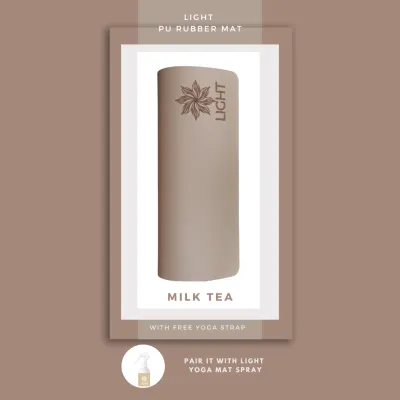
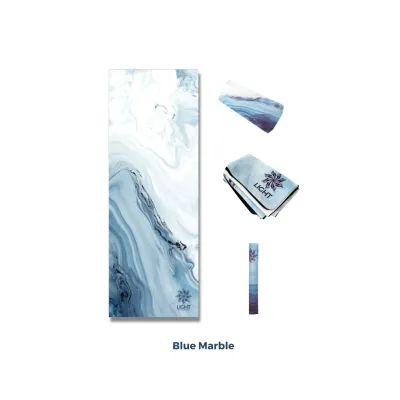
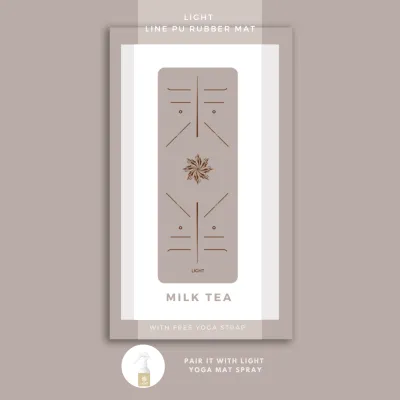
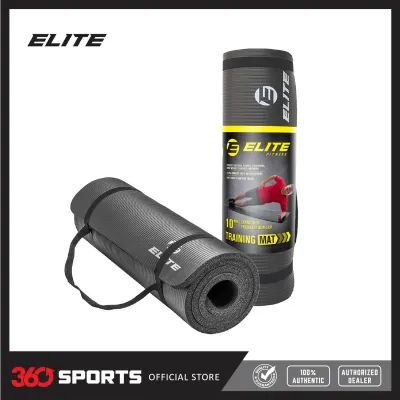
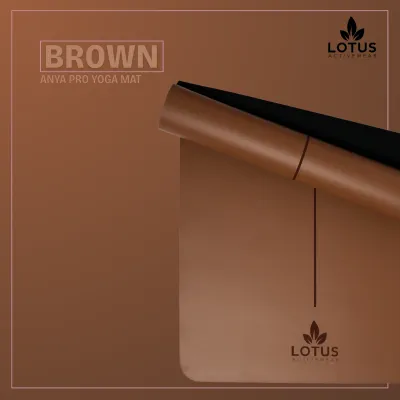
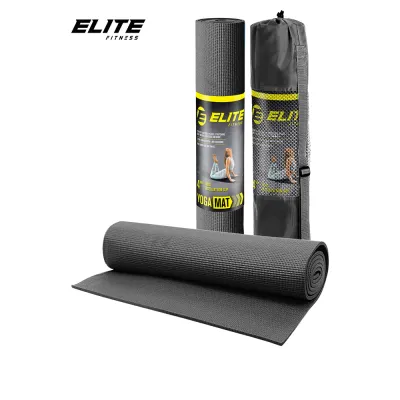
Prices are valid at publication and may change. Please refer to the product page for the latest price.
However, there is a fundamental engineering trade-off between a mat’s weight and its performance. Ultra-lightweight mats are easy to roll up and carry on a daily commute, but they often achieve this portability by reducing material density or thickness. This reduction can compromise the joint cushioning needed for sensitive knees and elbows during floor poses, and it may lead to faster wear and tear under the friction of active practice.
To find the right balance, you must carefully evaluate the specifications listed on the product packaging or manufacturer’s website. Pay close attention to the total listed weight, aiming for a range that fits your carrying method, whether you walk, take public transit, or drive. Additionally, verify the thickness (typically measured in millimeters), the exact base material composition, and the surface texture type to ensure the mat matches your specific practice environment.
TPE: Evaluating the Ultra-Lightweight Contender
Thermoplastic Elastomer (TPE) has become a highly popular choice for practitioners who prioritize portability above all else. Because TPE is a synthetic material with a very low density, mats made from it are exceptionally light and easy to carry in a backpack or over-the-shoulder strap. If your daily routine involves commuting through busy city streets to reach a local yoga studio, a TPE mat can significantly reduce the physical strain of carrying your gear.

This material is typically manufactured using non-toxic synthetic polymers, resulting in a flexible, rubber-like texture that remains highly pliable even when rolled tightly. The low density also allows manufacturers to produce thicker mats (such as 6mm) that remain remarkably light, offering excellent joint cushioning without adding bulk to your gear bag. For practitioners who require extra knee support but refuse to carry a heavy load, TPE presents a compelling solution.
Despite its weight advantages, TPE has distinct grip limitations that you must consider before purchasing. Unlike natural rubber, TPE does not possess inherent material tackiness; instead, it relies on manufactured surface textures, such as embossed patterns or ribbed designs, to create friction. In dry conditions, these textures can perform adequately, but during a sweaty, high-intensity flow, moisture can pool on the surface and cause slipping unless the mat features a specialized moisture-wicking finish.
When evaluating a TPE mat, it is essential to perform specific durability and construction checks. Look for product labels that explicitly confirm a closed-cell construction, which prevents sweat, dirt, and bacteria from absorbing into the core of the mat. This feature is particularly valuable in humid climates, as it makes the mat highly resistant to odors and incredibly easy to wipe clean after a vigorous session. Additionally, check the manufacturer’s guidelines regarding tear resistance and tensile strength, as lightweight TPE can sometimes stretch or degrade faster than denser materials under the repetitive friction of active transitions.
Natural Rubber: Assessing the High-Grip Option
For yogis who prioritize absolute stability and traction during dynamic practices, natural rubber is often considered the gold standard. The primary advantage of natural rubber lies in its organic grip mechanism, which offers an inherent tackiness that naturally resists slipping. This material performs exceptionally well in humid conditions, as the natural open-cell structure of many rubber mats allows moisture to be drawn away from the surface, actually improving your grip as your hands become damp.
This open-cell structure acts almost like a sponge, absorbing sweat during practice to keep the top layer dry and slip-free. Because the material is derived from the sap of rubber trees, it possesses a natural elasticity and resilience that provides firm, dense cushioning. When you press down into a rubber mat, it offers immediate feedback and support, preventing your wrists and ankles from sinking too deeply, which is crucial for maintaining proper alignment in balancing poses.
However, this superior traction comes with a significant weight penalty that can impact your daily portability. Natural rubber is a highly dense material, meaning even a relatively thin rubber mat will feel noticeably heavier than its TPE counterpart. Before committing to a purchase, always verify the exact weight on the product specification sheet to ensure it aligns with your carrying capacity and travel preferences.
Furthermore, natural rubber requires strict adherence to specific care boundaries to prevent premature degradation. Rubber is highly sensitive to environmental factors; exposure to direct sunlight can cause the material to dry out, crack, and lose its natural tackiness. You must also check the product care instructions to ensure you avoid using essential oils or harsh household cleaners, and always verify the product label for latex allergy warnings if you have sensitive skin.
Cork: Understanding the Natural Traction Surface
Cork yoga mats offer a unique, natural alternative that appeals to environmentally conscious practitioners seeking reliable traction. It is important to understand the structural reality of these mats: cork is rarely used as a standalone material for a yoga mat. Instead, a thin layer of natural cork is bonded to a supportive base layer, which is typically made of either natural rubber or TPE. Consequently, the total weight and portability of a cork mat depend almost entirely on the material used for this underlying base.
If the cork surface is bonded to a lightweight TPE base, the resulting mat can remain highly portable while offering the unique tactile feel of cork. On the other hand, if it is bonded to a natural rubber base, the mat will be significantly heavier but will lie completely flat on the floor without curling at the edges. Understanding this composition is key to ensuring you do not accidentally purchase a mat that is too heavy for your daily commute.
The grip characteristics of cork are highly distinct and behave differently than synthetic surfaces. Cork contains a natural substance called suberin, which becomes increasingly grippy when exposed to moisture. This means that as you sweat during an active flow, your traction actually improves. If you tend to have dry hands or practice in a cooler, air-conditioned room, you may need to check if the manufacturer recommends lightly spraying the mat with water before your practice to activate this natural grip.
Maintaining a cork mat requires careful attention to the manufacturer’s cleaning guidelines to protect the integrity of the surface. Because cork is an organic, porous material, harsh chemical cleaners or excessive scrubbing can degrade the surface layer and weaken the adhesive bond holding the cork to its base. Always check the product label for approved cleaning methods, which typically involve a gentle wipe-down with a damp cloth and mild, diluted soap, followed by flat air-drying away from direct heat. Additionally, cork has natural antimicrobial properties that help resist mold and mildew, which is a significant benefit in highly humid tropical regions.
Comparing Weight, Grip, and Durability Trade-Offs
To help you quickly compare these three materials, it is useful to look at how they balance the core requirements of weight, grip, and durability. Each material represents a specific set of compromises, meaning the right choice depends on which performance traits are non-negotiable for your personal practice.
| Material | Relative Weight Profile | Grip Mechanism | Base Material Dependency | Key Verification Step |
|---|---|---|---|---|
| TPE | Ultra-lightweight; highly portable | Manufactured surface textures | Standalone synthetic layer | Verify closed-cell rating and tear resistance |
| Natural Rubber | Heavy and dense; less portable | Inherent material tackiness | Standalone natural rubber | Check exact weight on spec sheet and latex warnings |
| Cork | Moderate to heavy; depends on base | Moisture-activated traction | Bonded to rubber or TPE base | Check base layer composition and adhesive guidelines |
By analyzing these trade-offs, you can see that choosing a mat is not about finding a universally perfect option, but rather about identifying which compromise you are willing to make. If you prioritize a feather-light commute, you may need to accept a synthetic grip that requires a towel during sweaty sessions. Conversely, if you demand absolute traction, you must be prepared to carry a heavier load to your studio.
Furthermore, the durability of these materials under tropical conditions varies. TPE is highly resistant to moisture absorption but can degrade if left in a hot car. Natural rubber offers unmatched durability and grip but will break down if exposed to UV rays or oils. Cork provides an excellent natural surface that resists microbes but requires gentle handling to prevent the top layer from chipping or separating from its base over time.
Final Decision Framework: Match Material to Your Practice
To make your final decision, apply a structured framework based on your primary practice environment and personal priorities. Choose a TPE mat if your primary constraint is a long, active commute where every gram of weight matters, and you prefer a low-maintenance, budget-friendly option for mild to moderate yoga sessions. Choose a natural rubber mat if you practice high-intensity, sweaty styles like Vinyasa or Power Yoga and require maximum, unyielding traction directly on the mat surface without relying on accessories. Choose a cork mat if you want a natural, sustainable surface that excels in humid or sweaty conditions, provided you are comfortable checking the base material to ensure the overall weight fits your portability needs.
Before finalizing your purchase, always verify specific edge cases that could affect your satisfaction. If you plan to practice outdoors on uneven surfaces or require significant joint support, check the mat’s thickness and density ratings to ensure adequate cushioning. Additionally, if you frequently practice in heated studios, confirm that the adhesive and materials are rated for high-temperature environments.
Finally, evaluate the mat’s retail price in Philippine Pesos (₱) against its expected durability indicators and the retailer’s return policy. High-quality mats typically range from ₱1,500 to ₱4,500 depending on the material and brand, and investing in a durable option can save you money over time by reducing the need for frequent replacements. Ensure you purchase from a reputable seller that offers a clear return window, allowing you to test the mat’s dry grip and texture in your own home before fully committing to its use.
Frequently Asked Questions (FAQ)
How do I maintain grip on a TPE mat during a sweaty Vinyasa flow?
Because TPE lacks the natural tackiness of rubber, it relies heavily on its dry, manufactured surface texture to provide traction. If you find yourself slipping during a sweaty Vinyasa flow, check the manufacturer’s recommendations for using a specialized microfiber yoga towel placed over the mat. Avoid applying liquid grip sprays or chalk, as these substances can clog the textured surface or degrade the synthetic closed-cell material over time. Keeping a small hand towel nearby to wipe away excess sweat from both your hands and the mat surface is a safe, low-risk way to maintain stability.
Does a cork yoga mat need to be wet to provide grip?
A cork yoga mat does not strictly need to be wet to be usable, but its natural traction properties are significantly enhanced by moisture. The suberin in cork activates with dampness, making the surface highly slip-resistant when you begin to sweat. If your hands and feet are dry at the start of your practice, you can verify if your specific brand’s care instructions allow for a light misting of water on the hand and foot placement areas. Always use a fine spray bottle and avoid soaking the mat, as excessive water can seep into the seams and weaken the adhesive bond between the cork and its base layer.

Community discussion
Share your experience or ask a question. Comments are reviewed before publication.