
Selecting the right foam pad for your yoga practice is a decision that directly impacts your stability, joint comfort, and overall safety during transitions. The primary differences between Thermoplastic Elastomer (TPE), Nitrile Butadiene Rubber (NBR), and Polyurethane (PU) foam pads lie in their chemical composition, cell structure, and how they respond to moisture and pressure. In tropical climates where high humidity and sweat are constant factors, these material differences become even more pronounced, affecting how well you can maintain your grip and balance. By understanding the unique physical properties of each material, you can make an informed choice that aligns with your specific practice style and physical needs.
Understanding the Core Materials
Thermoplastic Elastomer, commonly known as TPE, is a synthetic blend of plastic and rubber polymers. This material features a closed-cell structure, meaning the microscopic air pockets within the foam are sealed off from one another. This design prevents moisture, sweat, and dirt from penetrating the interior of the pad, making it lightweight, easy to clean, and highly resistant to water absorption. TPE is frequently positioned as a more eco-friendly and recyclable alternative to traditional polyvinyl chloride (PVC) mats, offering a balanced middle ground for everyday practitioners.
Nitrile Butadiene Rubber, or NBR, is a highly resilient synthetic rubber foam. Unlike TPE, NBR is typically manufactured in much thicker profiles, often ranging from 10mm to 15mm. The manufacturing process creates a dense but highly compressible foam structure that excels at absorbing heavy impacts. In the local market, NBR pads are highly accessible, with many budget-friendly options priced under ₱1,000, making them a popular entry-point choice for those seeking deep joint protection.
Products mentioned in this guide
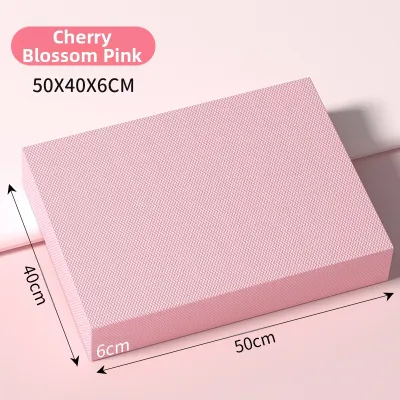
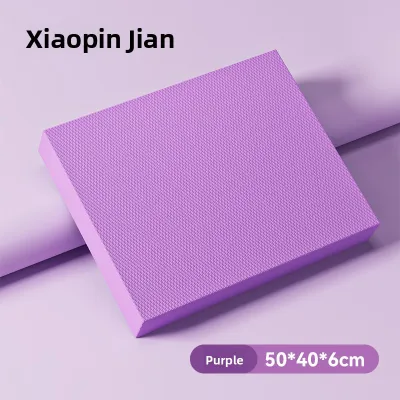
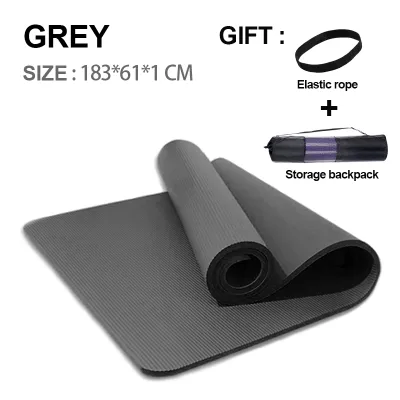
Prices are valid at publication and may change. Please refer to the product page for the latest price.
Polyurethane, or PU, represents a premium category of foam pads, often constructed with a dual-layer design. The top layer consists of an open-cell PU membrane, which features interconnected microscopic pores that actively draw moisture away from the surface. This moisture-wicking capability is typically paired with a dense natural rubber or heavy-duty foam base layer to provide structural weight and stability. While the open-cell design offers exceptional traction, it also means the material is more porous and requires specialized care to maintain its performance over time.
Evaluating Grip and Traction
Surface friction is critical for maintaining alignment and preventing injuries during active poses. TPE and NBR pads offer excellent dry grip, meaning they provide reliable traction when your hands and feet are completely dry. However, because both materials feature closed-cell surfaces, moisture cannot penetrate the material. In humid conditions or during high-intensity sessions, sweat can pool on the surface of a TPE or NBR pad, creating a slippery barrier that compromises your stability. If you choose these materials for sweaty practices, you will likely need to pair them with a specialized microfiber yoga towel to absorb excess moisture.

In contrast, PU foam pads are specifically engineered to handle wet conditions. The open-cell structure of the polyurethane top layer acts like a sponge, absorbing sweat and moisture instantly to maintain a high level of surface friction. This makes PU pads highly effective for dynamic flows where hand and foot slippage is a primary concern. When shopping, it is important to check product descriptions and manufacturer labels for specific surface textures, non-slip ratings, or moisture-wicking treatments, as some brands apply proprietary finishes to further enhance traction.
Assessing Cushioning and Joint Comfort
The level of cushioning you need depends heavily on your joint sensitivity, body weight, and the surface where you practice. NBR foam pads are specifically designed to maximize impact absorption. Their thick, compressible profiles provide a deep cushion that protects sensitive knees, elbows, wrists, and the spine from hard floors. This makes NBR highly suitable if you practice on hard tile, concrete, or terrazzo floors, which are common in many tropical homes. However, this deep cushioning comes with a trade-off: the soft, pillowy surface can make standing balance poses more challenging, as your feet sink into the material and reduce your connection to the ground.
TPE and PU pads prioritize grounding and stability over deep cushioning. These mats are typically thinner, usually ranging from 4mm to 6mm, and feature a much denser, firmer foam composition. This firmness provides a stable, non-yielding foundation that allows you to press firmly into the floor during standing balances and rapid transitions. While they still offer essential joint protection, they do not compress as deeply as NBR. When selecting a pad, evaluate your personal joint comfort needs against the type of floor you will be practicing on to find the right balance between cushioning and stability.
Understanding Durability and Wear Patterns
Each foam material degrades differently depending on environmental exposure and usage patterns. PU foam is highly sensitive to organic compounds, including body oils, sweat, lotions, and cosmetic products. Over time, these substances can clog the open-cell pores, leading to a gradual loss of traction and the development of dark spots or stains. Additionally, exposure to harsh chemical cleaners can accelerate the breakdown of the polyurethane layer, causing it to peel or lose its smooth texture.
NBR foam, while highly cushioned, has a softer and less dense surface that is susceptible to physical damage. High-friction movements, sharp fingernails, or practicing with athletic shoes can easily scratch, gouge, or tear the surface of an NBR pad. Over extended use, NBR may also experience permanent compression, where the foam fails to spring back to its original thickness in high-pressure areas.
TPE pads generally offer strong resistance to moisture, tearing, and stretching due to their closed-cell, elastic nature. They are less prone to scratching than NBR and do not absorb oils like PU. However, TPE is highly sensitive to extreme heat and direct sunlight. Leaving a TPE pad in a hot car or drying it under direct tropical sunlight can cause the material to warp, melt, or degrade rapidly. To maximize the lifespan of any pad, always verify the manufacturer’s specific care and storage guidelines.
Matching the Foam Pad to Your Practice Style
Selecting the right material requires matching its physical properties to the specific demands of your preferred yoga discipline. For hot yoga, power vinyasa, and other high-sweat practices, a PU foam pad is highly suitable. Its open-cell surface actively manages sweat, ensuring you maintain a secure grip without the constant need to reposition a towel. Using a standard TPE or NBR pad in these high-moisture environments can introduce significant slip risks, which can disrupt your flow and increase the likelihood of joint strain.
If your practice centers on restorative yoga, Yin yoga, or gentle floor work, an NBR pad is often the most comfortable choice. These styles involve holding poses for extended periods, where deep cushioning is essential for supporting the joints and spine against a hard floor. The slight instability of NBR is not an issue here, as most poses are performed low to the ground, making comfort and pressure relief the primary priorities.
For dynamic flows, traditional Hatha, and Vinyasa practices that require rapid transitions and standing balances, TPE and PU pads provide the necessary stability. Their firm, low-profile construction ensures your feet remain grounded, allowing for precise alignment and control. Before making a purchase, always perform a verification step: check the manufacturer’s product labels and specifications for density ratings, recommended practice styles, and structural warranties to ensure the pad is designed to withstand your specific routine.
Care, Maintenance, and Cleaning by Material
Proper maintenance is essential to preserve the performance, hygiene, and lifespan of your foam pad, especially in warm, humid climates where bacteria and mold thrive. For PU foam pads, avoid using any oils, lotions, or harsh chemical solvents. Cleaning should be limited to wiping the surface gently with a soft, damp cloth after each session. Allow the pad to air dry completely in a shaded, well-ventilated indoor area before rolling it up.
TPE and NBR pads can be cleaned using a mild solution of water and a few drops of gentle dish soap. Wipe the surface down thoroughly, then rinse with a clean, damp cloth to remove any soap residue, which can make the surface slippery. Because these materials are closed-cell, water will not penetrate the interior, but you must still ensure the surface is completely dry before rolling. Rolling a damp TPE or NBR pad can trap moisture, leading to mold, mildew, and unpleasant odors.
When storing your foam pad, always roll it with the practice surface facing outward to prevent the edges from curling during use. Store the rolled pad flat or upright in a cool, dry place away from direct sunlight and extreme heat sources. If you observe deep tearing, persistent odors that do not fade after cleaning, severe flaking of the surface material, or a complete loss of cushioning support, these are clear stop conditions. Discontinue using the pad immediately and consult the manufacturer for replacement options, as practicing on a degraded pad can compromise your safety.
Frequently Asked Questions (FAQ)
Are TPE and NBR foam pads safe for sensitive skin?
Yes, TPE and NBR foam pads are generally considered safe for individuals with sensitive skin or common allergies. Unlike natural rubber mats, which can trigger reactions in those sensitive to latex, TPE and NBR are synthetic materials that are typically free from latex proteins. They are also generally manufactured without the harmful phthalates and heavy metals sometimes found in low-grade PVC mats. However, chemical formulations can vary widely between brands. To ensure safety, always check the manufacturer’s material safety data sheets, product labels, or independent chemical compliance certifications for specific allergen warnings before purchasing.
Can I use a PU or NBR foam pad for high-intensity floor workouts?
Using these pads for high-intensity workouts requires careful consideration of their material limits. NBR’s thick, soft composition is highly unsuitable for rapid lateral movements, jumping jacks, or heavy weight-bearing exercises, as the lack of stability can easily lead to ankle rolls or wrist strain. PU pads offer excellent stability, but their delicate open-cell surface is highly prone to scuffing, tearing, and rapid degradation if used with athletic shoes or subjected to high-impact friction. If you plan to perform high-intensity interval training (HIIT) or shoe-based workouts, verify the pad’s product specifications to ensure it is rated for multi-use fitness training rather than dedicated yoga practice.

Community discussion
Share your experience or ask a question. Comments are reviewed before publication.