
Finding the right mat for workout sessions depends on understanding how different materials perform under specific conditions. There is no single material that excels in every fitness scenario. If you practice high-intensity interval training (HIIT) in a humid, non-air-conditioned room, your needs will differ drastically from someone doing slow Pilates on a tiled floor. The four primary materials—Thermoplastic Elastomer (TPE), Polyvinyl Chloride (PVC), Nitrile Butadiene Rubber (NBR), and natural or synthetic rubber—each offer distinct trade-offs in grip, cushioning, durability, and weight.
Quick Guide to Workout Mat Materials
To make an informed decision, you must weigh how each material aligns with your routine, environment, and budget. NBR provides maximum cushioning for sensitive joints but lacks stability for standing poses. Natural rubber offers unmatched wet grip for sweaty sessions but is heavy and requires meticulous care. TPE serves as a lightweight, balanced middle ground that is easy to carry on daily commutes. PVC stands out for its extreme durability and budget-friendly price point, though it requires a break-in period. Identifying your primary exercise style, sweat level, and portability requirements will point you directly to the correct material.
Deep Dive: TPE, PVC, NBR, and Rubber Compared
To choose the right mat, you must understand the material science behind these four common options. Each material responds differently to moisture, friction, compression, and environmental heat.
Products mentioned in this guide
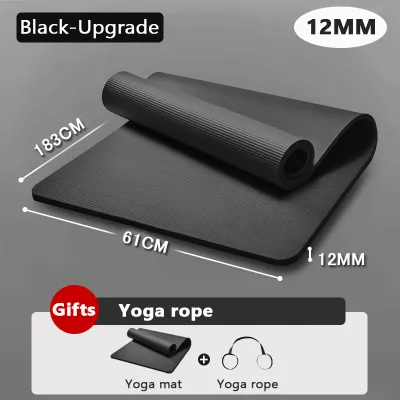
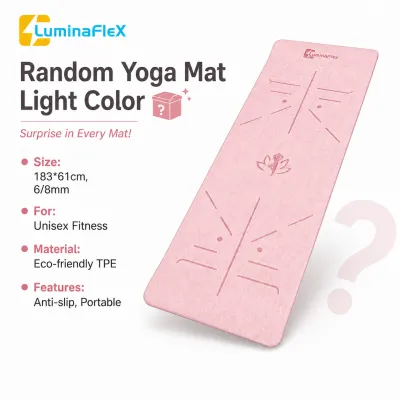
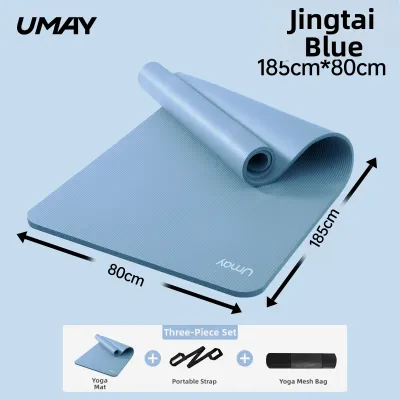
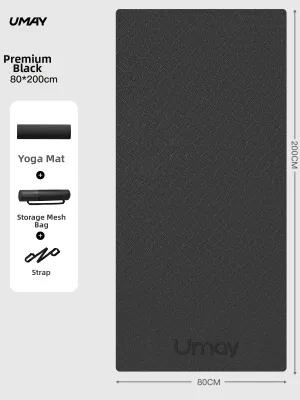

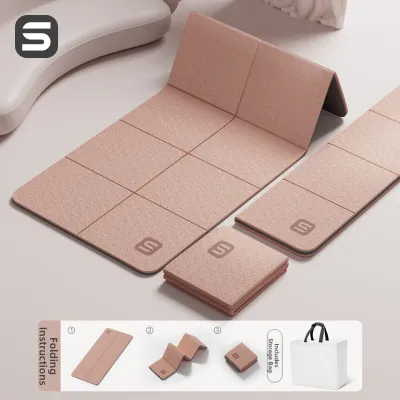
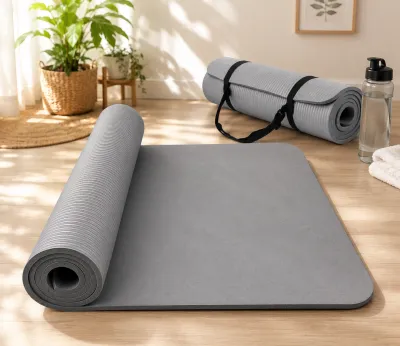
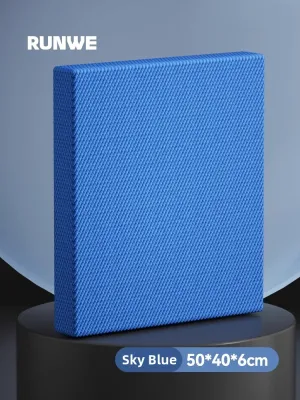
Prices are valid at publication and may change. Please refer to the product page for the latest price.

TPE (Thermoplastic Elastomer)
TPE is a synthetic blend of plastic and rubber polymers that has gained popularity as an eco-friendlier alternative to PVC. It features a closed-cell structure, meaning it does not absorb sweat, moisture, or bacteria. This makes it highly hygienic and exceptionally easy to clean, which is a major advantage in hot, humid tropical climates where mold can develop quickly.
TPE mats are remarkably lightweight, making them easy to roll up and carry on public transport. They offer moderate grip and comfortable cushioning for low-to-medium impact exercises. However, their dry grip is superior to their wet grip; if you sweat heavily during a workout, a smooth TPE surface can become slippery unless it features a deep, physically molded texture.
PVC (Polyvinyl Chloride)
PVC is the traditional standard for fitness mats, known for its exceptional durability and resistance to tearing. A high-quality PVC mat can withstand years of intense daily use, including friction from athletic shoes, without flaking or wearing down. This makes it a highly cost-effective option, with budget-friendly models often priced under ₱800.
PVC is a closed-cell material, preventing sweat from soaking into the core. However, new PVC mats are notoriously slippery out of the box due to a thin protective film left over from the manufacturing process. They require a dedicated break-in period to achieve their optimal grip. Additionally, PVC is heavier than TPE and is a synthetic petroleum product, prompting many users with chemical sensitivities to look for certified phthalate-free options.
NBR (Nitrile Butadiene Rubber)
NBR is a synthetic rubber foam that is highly valued for its plush, shock-absorbing properties. These mats are typically manufactured in extra-thick profiles, often ranging from 10mm to 15mm. This thickness provides excellent joint protection, making NBR the go-to choice for floor-based routines, core workouts, and physical rehabilitation where knees, elbows, and hips require a soft barrier against hard tile or concrete floors.
The primary drawback of NBR is its low density. Because the foam compresses easily under concentrated weight, it compromises stability. Standing balance poses or high-impact lateral movements can feel unstable, as the material squishes and slides underfoot. NBR is best reserved for controlled, floor-centric training rather than dynamic standing workouts.
Natural and Synthetic Rubber
Rubber represents the premium tier of workout mats, favored by advanced practitioners for its dense support and exceptional traction. Natural rubber is harvested from rubber trees, creating an open-cell structure that naturally absorbs moisture to maintain a reliable wet grip even during intense, sweaty sessions. Synthetic rubber options offer a closed-cell alternative that resists moisture absorption.
Both types provide a heavy, grounded base that lies completely flat on the floor without curling at the edges. However, natural rubber requires careful maintenance; it is sensitive to UV light and high heat, meaning leaving it in a hot car or drying it under direct sunlight can cause the material to dry out, crumble, and lose its elasticity. Additionally, because natural rubber contains latex, anyone with a latex allergy must verify the manufacturer’s allergen statements before purchasing.
Matching the Mat for Workout to Your Exercise Routine
Selecting the ideal mat for workout sessions requires matching the material’s physical properties to the specific demands of your training style.
- Yoga (Vinyasa and Hot Yoga): Dynamic flow and hot yoga demand exceptional traction to prevent slipping as your hands and feet sweat. Natural rubber is the premier choice here, as its open-cell structure pulls moisture away from the surface to maintain a reliable wet grip. Alternatively, a TPE mat with a deeply textured, non-slip pattern can work well for moderate sweating. Avoid smooth PVC mats, which become dangerously slick when wet, and thick NBR mats, which compromise your balance during standing postures.
- Pilates and Floor Core Work: Pilates, stretching, and abdominal exercises involve significant rolling, kneeling, and lying down. For these routines, comfort and joint protection are your main priorities. A thick NBR mat or a cushioned, high-density PVC mat provides the necessary padding to protect your spine, hips, and knees from bruising on hard floors. Since these exercises do not require rapid lateral movements or standing balance, the minor instability of NBR foam is not an issue.
- HIIT and Dynamic Movements: High-intensity interval training involves jumping jacks, mountain climbers, burpees, and rapid lateral lunges. These movements exert immense shear force on a mat, requiring a material that grips the floor firmly and resists stretching. High-density synthetic rubber or dense, heavy-duty TPE mats are ideal. They provide a stable, non-slip foundation that will not bunch up or slide across the floor as you jump, protecting you from trips and ankle sprains.
- Weightlifting and Heavy-Duty Use: If you train with dumbbells, kettlebells, or resistance bands, your mat must withstand heavy compression and potential impact. High-density rubber or thick, commercial-grade PVC mats are essential for this environment. These dense materials protect your underlying floor from dropped weights and prevent the mat from bottoming out or tearing under concentrated loads. They provide a rock-solid, non-compressible base that keeps your feet securely planted during heavy lifts.
Beyond Material: Specs and Features to Verify
While the base material dictates the primary performance of your mat, several secondary specifications influence comfort, usability, and longevity.
- Thickness vs. Density: It is a common misconception that a thicker mat always provides better joint support. A 15mm NBR mat is very thick but has low density, meaning your joints will sink straight through to the hard floor under concentrated pressure. Conversely, a 5mm natural rubber mat is thin but highly dense, offering firm, supportive cushioning that protects your joints without sacrificing stability. Always check the manufacturer's density specifications rather than relying on thickness measurements alone.
- Surface Texture: The physical pattern on a mat's surface plays a critical role in mechanical grip. Closed-cell materials like TPE and PVC rely heavily on these textures—such as ribbed, pebbled, or leaf-patterned surfaces—to channel sweat away and provide traction for your hands and feet. If you opt for a closed-cell mat, look for prominent, multi-directional textures to ensure a secure grip during sweaty workouts.
- Weight and Portability: The weight of your mat determines how easily you can transport it. Natural rubber mats are dense and heavy, often weighing between 2kg and 3.5kg, making them excellent for permanent home gyms but cumbersome to carry on public transport. TPE and NBR mats are exceptionally lightweight, typically weighing under 1kg, making them the preferred choice if you regularly commute to a fitness studio or gym.
Cleaning and Maintenance by Material Type
Proper care is essential to preserve the grip, hygiene, and lifespan of your mat. Always check the manufacturer’s specific care label first, as cleaning instructions can vary widely even within the same material category.
- The Golden Rule of Mat Care: Never assume one cleaning method fits all. Always consult the manufacturer's care instructions before applying any liquids or cleaning agents to your mat to avoid damaging the surface or voiding your warranty.
- PVC and TPE Maintenance: These closed-cell materials are highly water-resistant and easy to clean. After each workout, wipe the surface down with a soft cloth dampened with water and a few drops of mild dish soap. Avoid using harsh chemical cleaners, bleach, or concentrated essential oils, as these can degrade the synthetic polymers, causing TPE to lose its grip and PVC to break down prematurely.
- NBR Maintenance: Because NBR is a soft, absorbent foam, you should spot clean it using a damp cloth and mild soapy water. Never submerge an NBR mat in water or put it in a washing machine; the foam can trap water deep inside its core, making it nearly impossible to dry completely. This trapped moisture quickly leads to unpleasant odors, mold, and bacterial growth. Always allow NBR mats to air dry flat in a well-ventilated indoor space before rolling them up.
- Natural and Synthetic Rubber Maintenance: Natural rubber requires specialized care to prevent premature aging. Never use oil-based cleaners, solvents, or harsh household chemicals, which will dissolve the natural rubber compounds. Instead, wipe the mat down with a highly diluted white vinegar and water solution, or use a dedicated rubber mat wash. Store your rubber mat in a cool, dark place away from direct sunlight and high heat to prevent the material from drying out, cracking, and crumbling.
Frequently Asked Questions (FAQ)
Is a thicker mat always better for joint pain?
No, a thicker mat is not always superior for joint health. While a thick, soft foam mat like NBR cushions your knees and elbows during floor exercises, it can actually increase joint strain during standing poses. The lack of a stable, firm surface causes your ankles and wrists to wobble and overcompensate to maintain balance. For standing exercises, a denser, moderately thin mat (4mm to 6mm) offers better joint protection by providing a stable, non-slip foundation.
Can I use a rubber yoga mat if I have a latex allergy?
If you have a severe latex allergy, you should avoid natural rubber mats entirely. Natural rubber is harvested from the sap of rubber trees and contains natural latex proteins that can trigger allergic reactions. Instead, look for mats made from synthetic rubber, TPE, or PVC, which are naturally latex-free. Always check the manufacturer’s product specifications and allergen statements to ensure the mat is completely safe for your skin.
Why does my new PVC mat feel slippery?
New PVC mats often have a thin, slippery film on their surface, which is a byproduct of the manufacturing process. This film prevents the mat from sticking to itself when rolled and packaged, but it significantly reduces traction. You can break in your PVC mat by using it regularly, which naturally wears away the film over time. To speed up the process, gently scrub the surface with a soft brush and a mixture of warm water and mild dish soap, then let it air dry completely before your next workout.
Community discussion
Share your experience or ask a question. Comments are reviewed before publication.